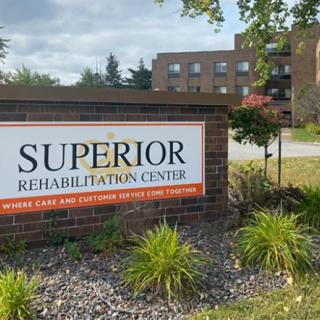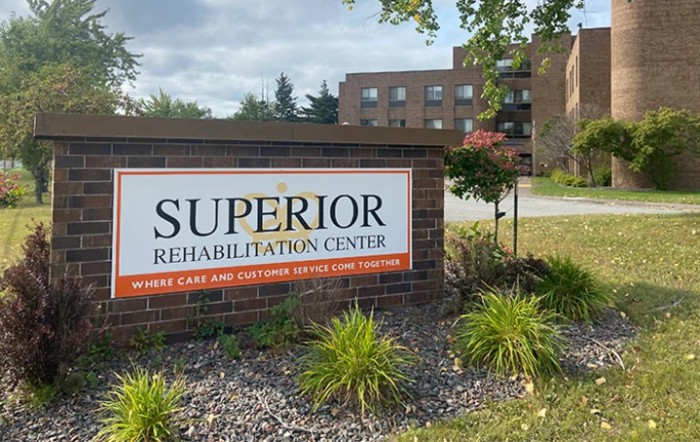
1800 New York Avenue, Superior, WI 54880
For more information about senior living options: (866) 208-4318
Overall Review of Superior Rehabilitation Center
Pros
 The facility was neat and clean.
- The food was good.
- The nursing staff seemed very nice.
- Superior Rehabilitation Center is excellent.
- The rooms and apartments are very clean.
- The staff is excellent.
- The therapy my parents have is wonderful.
- Everything is wonderful, and the price is extremely reasonable.
- The staff seemed friendly.
Cons
 The Superior Rehabilitation Center did not have enough staff.
- There was no bed choice available at the time; it was the only place with a bed.
- St. Francis Nursing Home was a dull place to look for a home.
- St. Francis was unsanitary looking and the quality of care was bad.
- St. Francis had limited to no activities.
- The population at St. Francis was very low, offering little social opportunity.
- Some residents on the second floor were violent.
- Overall, St. Francis Nursing Home was below average and not recommended.
- The staff seemed friendly, but that did not ensure high-quality care.
Review
Superior Rehabilitation Center in Superior, Wisconsin is best suited for seniors who are transitioning from a hospital stay and need structured rehabilitation, with an emphasis on cleanliness and approachable staff. The emphasis on neat, clean environments and responsive therapy makes it a practical choice for families prioritizing tangible rehab progress and value. Residents who respond well to a straightforward rehab plan with clear routines will find the climate calming and the process predictable. The price point is a notable asset, widening access for families watching costs. Those who expect a highly social living program or round-the-clock personal attention should watch for gaps, and consider alternatives that place more emphasis on activity variety and staffing coverage.
Alternatives to consider become important for families with different priorities. If abundant daily activities, diverse meal options, or sustained, high staff-to-resident contact are essential, this center may not fully satisfy. Staffing shortages were repeatedly noted as a concern, implying potential delays in care or assistance when demand rises. Bed availability also mattered; one reviewer described being placed here because no other beds were open, which can complicate admission and transfer planning. Families should compare options that advertise stronger staffing models and more comprehensive activity programs before committing to a rehab-focused choice.
On the upside, the facility earns credibility through consistently clean spaces and well-kept rooms or apartments, a baseline of comfort that reduces the stress of rehab. The nursing staff comes across as friendly and attentive, and therapy programs have earned praise for effectiveness. When rehab goals center on regaining function, these therapeutic strengths translate into tangible progress and confidence for families watching a loved one return to daily activities. The combination of clean surroundings, capable therapists, and a pricing structure that is described as highly reasonable creates a predictable value proposition for many families.
However, the strongest drawbacks revolve around staffing capacity. Several accounts flag that there are not enough staff to cover demand consistently, which can slow response times and affect daily routines. Meal or activity choices can be limited when staffing is thin, and bed availability constraints may affect admission timing or transfer planning, a practical burden for families already navigating transitions. These pressures do not erase the rehab and cleanliness strengths, but they introduce risk around reliability and program flexibility, especially during peak occupancy or when specialized support is needed. The result is a center that delivers solid rehab value but with caveats around staffing stability.
Against alternatives, Superior Rehabilitation Center's clean environment and effective therapy create a compelling baseline, particularly for families prioritizing physical recovery over social programming. When compared with other local options that have struggled with cleanliness, safety, or stagnation in activity calendars, Superior emerges as a more dependable choice. That said, the absence of abundant daily activities or robust social engagement can leave some residents with limited daytime stimulation if staffing constrains non-clinical services. In short, the pros, clean facilities, good therapy, and reasonable costs, offset many concerns but do not fully compensate for potential staffing gaps and restricted activity programming.
For families charting a decision, visits should focus on how it feels in person, how therapy sessions are scheduled, and how staff members respond in real time. Inquire about typical nurse or aide coverage on evenings and weekends, confirm the length and frequency of therapy sessions, and ask for a sample activity calendar to gauge social opportunities. Review current inspection or quality indicators if available, and compare them with nearby options such as St. Francis, whose reported issues highlight what can go wrong in the absence of rigorous oversight. With clear priorities, rehab outcomes, safety, value, Superior Rehabilitation Center stands as a credible, practical pick for short-term recovery, provided staffing and activity expectations are aligned.
 118 resident community capacity
 Skilled Nursing Facility
 Air-conditioning
 Beauty salon
 Cable or satellite TV
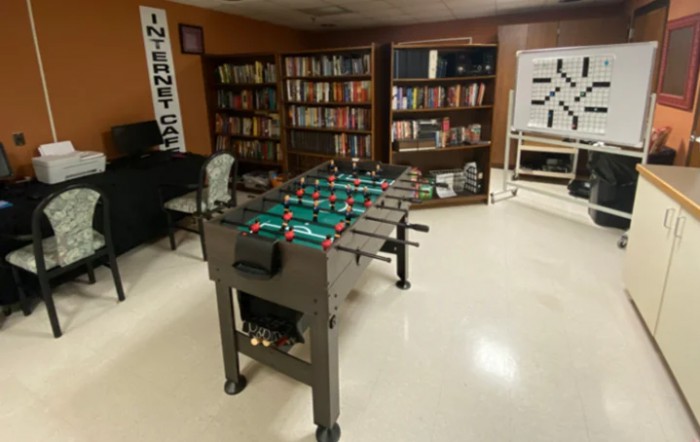
 Computer center
 Dining room
 Fitness room
 Fully furnished
 Gaming room
 Garden
 Housekeeping services
 Kitchenette
 Move-in coordination
 Outdoor space
 Private bathrooms
 Restaurant-style dining
 Small library
 Telephone
 Wellness center
 Wi-Fi/high-speed internet available
 Duluth International (9 miles away)
 Community operated transportation
 12-16 hour nursing
 24-hour call system
 Activities of daily living assistance
 Assistance with bathing
 Assistance with dressing
 Assistance with transfers
 Diabetes diet
 Medication management
 Mental wellness program
 Special dietary restrictions
 Concierge services
 Planned day trips
 Understanding the Sandwich Generation: Stress and Responsibilities for Multigenerational Caregivers
 8 Essential Assistive Devices for Older Adults
 Navigating the Financial Road to Nursing Home Care: In-Depth Guidance and Resources