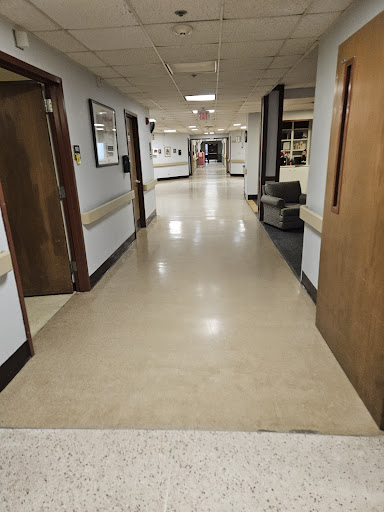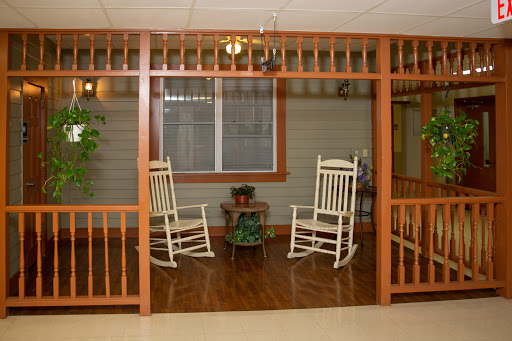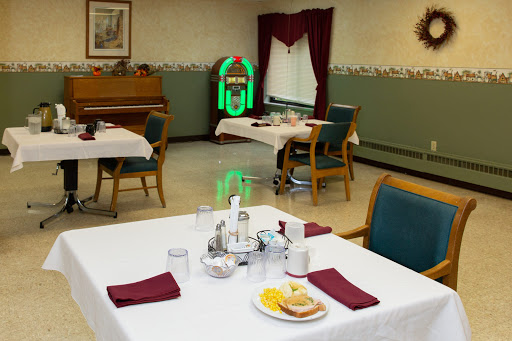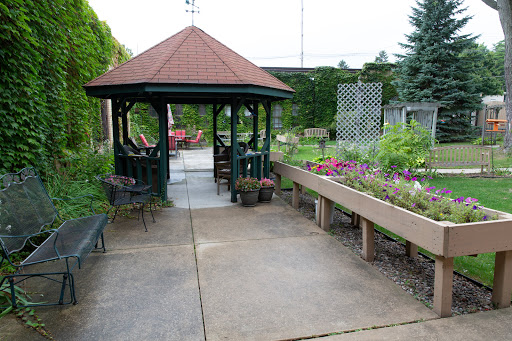
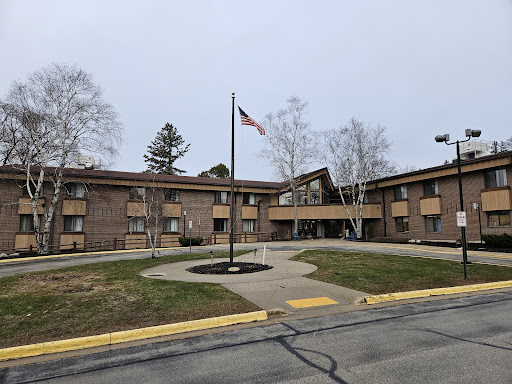
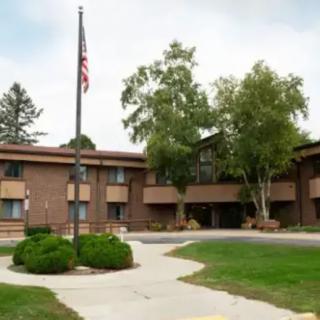

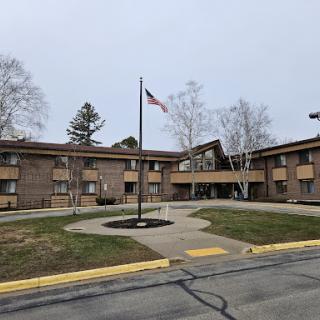

200 North Seventh Avenue, Sturgeon Bay, WI 54235
For more information about senior living options: (866) 208-4318
Overall Review of Sturgeon Bay Health Services
Pros
 Staff goes above and beyond to accommodate the residents.
- Everyone is very friendly and welcoming.
- What a wonderful atmosphere, with everyone being so helpful and kind.
Cons
 The administration’s communication was horrible, leaving the family waiting for over a week with no updates.
 - There was no denial call, and the family was left with nowhere to go.
- It is described as the worst, poorly run business in Door County and a dump for the elderly.
- Personal possessions were stolen, and an employee struck a resident.
- COVID-19 information was not promptly shared, causing fear for the resident’s survival.
- Dementia care was not handled well, leaving the family in a difficult situation.
- The administration is not acting in the best interest of the residents.
Review
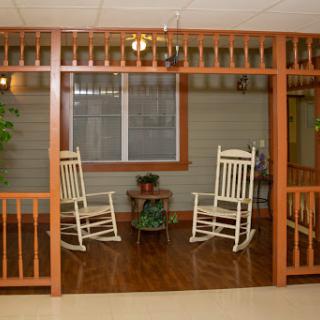
Sturgeon Bay Health Services is best suited for families who need substantial daily caregiving and want a facility with a plainly caring, hands-on staff culture and a homey atmosphere. Front-line caregivers are repeatedly praised for warmth, courtesy, and a willingness to accommodate residents’ preferences, which can translate into meaningful daily moments for someone who thrives on personal attention. The setting can feel approachable and personable, a win for families seeking a less institutional vibe. That appeal, however, rests on stable leadership and reliable day-to-day operations; when administration falters, that warmth can feel precarious and care plans may drift away from expectations.
Those who should consider alternatives are families prioritizing dependable communication, consistent governance, and transparent decision-making. Several reviews describe administration that fails to call or inform families promptly, with acceptance or denial decisions dragging on without timely updates. For residents with complex safety needs or a history of incidents, the pattern described, staff actions misaligned with family concerns and a perception of overlooked safety, should prompt looking elsewhere. In Door County, options are limited, but the risk of inconsistent information and weak accountability remains a compelling reason to explore communities with stronger incident reporting and proactive family engagement.
On the upside, staff consistently receives praise for going above and beyond for residents. When administration is functional, the environment can feel welcoming, and residents benefit from a genuinely kind, responsive team. The presence of thoughtful aides, steady nurse contact, and a pleasant atmosphere can ease daily life and support meaningful moments for families seeking warmth in difficult chapters. These strengths are not ancillary; they are the central reason some families choose this facility despite notable red flags, and they cannot be dismissed as mere perks.
Yet the main drawbacks are substantive and nontrivial. A recurring theme is poor administrative communication, including missed calls and delays in deliverables like notices of acceptance or denial. Safety concerns are also prominent: reports of possessions stolen from residents, an incident where a resident was struck by an employee, and multiple falls that raise questions about risk management. The strongest voice among reviewers labels the operation unethical and poorly run, with administration appearing to lack residents’ best interests as a core priority. In short, governance gaps undermine the frontline care and expose residents to avoidable risks.
The tension between workable daily care and governance shortcomings means pros may offset some short-term comfort while failing to guarantee long-term confidence. The favorable care environment can soften day-to-day stress, yet it cannot fully offset inconsistent oversight and potential safety lapses. For families weighing placement, this implies a facility where decent front-line care exists in pockets but the overall system may not consistently safeguard residents when leadership falters. The prudent stance is to prepare for fluctuating experiences and to monitor governance as closely as care delivery.
If choosing this community, adopt a disciplined, evidence-driven approach. Schedule a direct meeting with the administrator, request complete incident and grievance histories, and verify ongoing safety checks and staff training records. Aim for a clear, written care plan that reflects current needs, plus a defined schedule for regular plan reviews. If governance reliability and transparent communication are non-negotiable, actively compare other local options with stronger reporting, better crisis management, and demonstrable resident safeguarding. Where this facility is concerned, the decision should hinge on observable, verifiable governance as much as on frontline warmth, with contingency plans in place to respond swiftly to any future governance or safety concerns.
 120 resident community capacity
 Skilled Nursing Facility
 Air-conditioning
 Beauty salon
 Cable or satellite TV
 Computer center
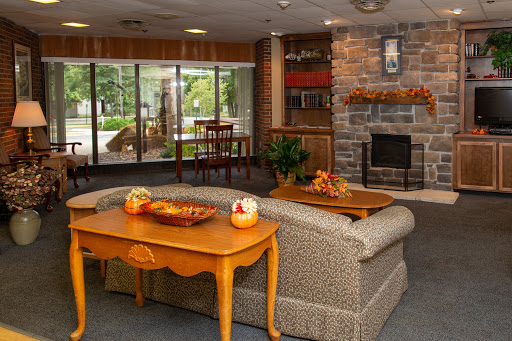
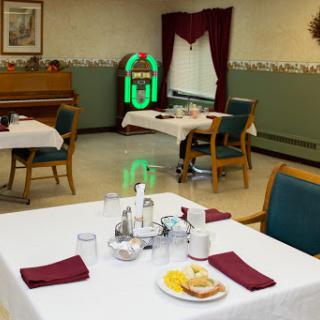
 Dining room
 Fitness room
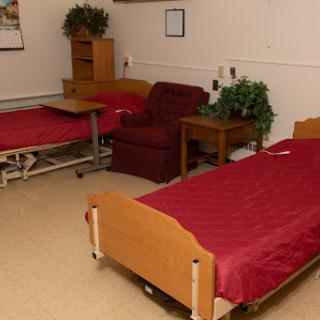
 Fully furnished
 Gaming room
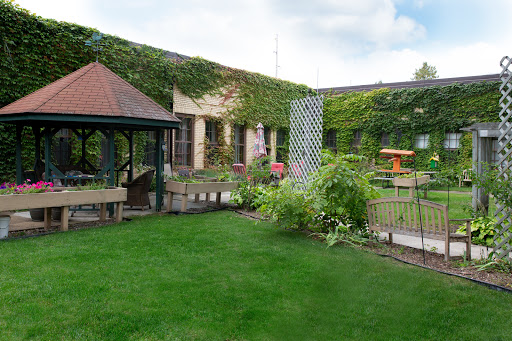
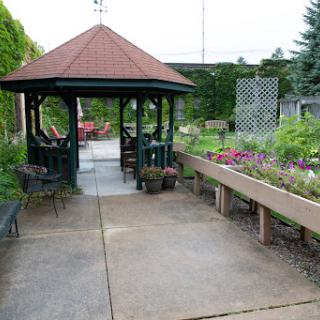
 Garden
 Housekeeping services
 Kitchenette
 Move-in coordination
 Outdoor space
 Private bathrooms
 Restaurant-style dining
 Small library
 Telephone
 Wellness center
 Wi-Fi/high-speed internet available
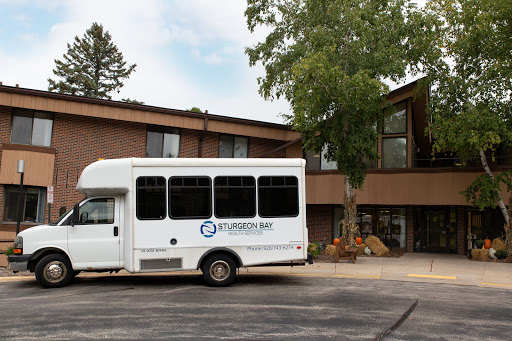
 Community operated transportation
 12-16 hour nursing
 24-hour call system
 Activities of daily living assistance
 Assistance with bathing
 Assistance with dressing
 Assistance with transfers
 Diabetes diet
 Medication management
 Mental wellness program
 Special dietary restrictions
 Concierge services
 Planned day trips


 Powerful Realities of Elder Abuse and the Most Effective Ways to Report It
 Ten Vital Duties of a Senior Caregiver: A Comprehensive Guide
 9 Stimulating Memory Activities for Seniors: Puzzles, Cards, and Much More