
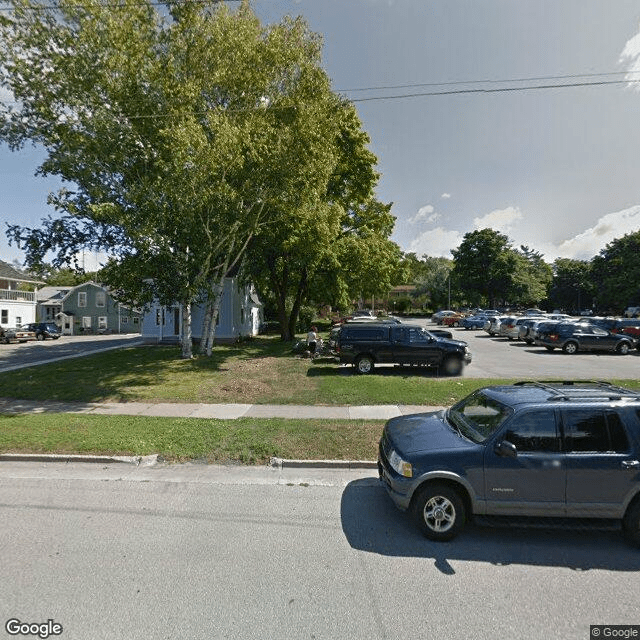
200 North 7th Avenue, Sturgeon Bay, WI 54235
To contact a resident: (920) 743-6274
For more information about senior living options: (866) 208-4318
Golden LivingCenter – The Dorchester Costs & Pricing
At Golden LivingCenter - The Dorchester, the monthly cost for a private room is positioned at $5,670. This aligns with the rates in Door County, which also reflect the same figure for private accommodations. However, it significantly exceeds the statewide average in Wisconsin, where private room costs are around $4,339 per month. This pricing structure may suggest that residents and their families can expect a higher standard of care or enhanced services at The Dorchester compared to other facilities within the state.
| Floor plans | Golden LivingCenter – The Dorchester | Door County | Wisconsin |
|---|---|---|---|
| Private | $5,670 | $5,670 | $4,339 |
Overall Review of Golden LivingCenter – The Dorchester
Pros
 The care has been great thus far.
- Maybe one day this property could get purchased by a great company that treats their residents with dignity.
Cons
 The facility is described as a dump that clearly needs an upgrade.
- Four residents share one bathroom, signaling severe overcrowding and inadequate facilities.
- Beds were unmade in the afternoon, implying neglect.
- The facility's ratings are extremely low, calling into question its compliance with inspections.
- The level of care is inconsistent, with staff appearing overworked and stressed.
- Communication about residents' well-being is often delayed or insufficient.
- The facilities show signs of neglect, with outdated infrastructure and hygiene standards not consistently met.
- The establishment is described as the worst poorly run business in Door County and is in need of action and inspections.
Review
Golden LivingCenter – The Dorchester in Sturgeon Bay is best suited for families prepared to supervise care closely within an aging facility. It works for residents who can tolerate a dated environment and who do not require consistently high staffing levels, spotless hygiene, or modern amenities. For anyone prioritizing reliable, well-staffed care, strong infection control, and a consistently reassuring daily routine, alternatives should be seriously considered.
The strongest takeaway is that care can be solid when staff are present. At best, caregivers have delivered meaningful, attentive assistance, and one observer notes that “the care has been great thus far.” That signals that when resources line up, residents may receive genuine, practical support. However, this potential is tethered to a facility that is clearly aging, and that tension between capable hands and a worn setting colors every interaction. Families should expect variability: good moments can occur, but they are not reliably guaranteed, and they must be supported by proactive involvement from relatives or guardians.
The negative threads are persistent and multi-faceted. Reviews depict inconsistent care, overworked staff, and communications that lag when updates on a resident’s condition are needed. The physical plant compounds the challenge, with signs of neglect, an infrastructure that feels outdated, and hygiene practices that are not consistently meeting expectations. Concrete red flags include four residents sharing a single bathroom, a bed left unmade in the afternoon, and a call light that was silenced for an extended period. These details translate into real concerns about safety, dignity, and the ability to maintain a comfortable daily life without constant oversight.
Because the negatives tower over the occasional positive notes, the pros do not truly offset the main drawbacks. The occasional evidence of capable, compassionate care is often insufficient to counter the systemic strains of staffing, maintenance, and cleanliness lapses. For families not able to provide vigilant oversight, this environment can feel unpredictable and risky. In practical terms, prospective residents should assume that reliable care will require active family involvement and ongoing monitoring of routines, communications, and safety measures.
For families evaluating options, a deliberate, boots-on-the-ground approach is essential. Plan visits across different times and days to gauge consistency, request a candid briefing with the administrator about staffing ratios and care protocols, and review recent state inspection findings along with any corrective plans. Speak directly with current residents or their families to understand day-to-day realities, especially around meal quality, response times, and housekeeping. Ask for a concrete, written care plan with measurable goals, escalation steps, and a clear path for addressing any issues that arise.
Bottom line: Golden LivingCenter – The Dorchester is not a reliable fit for residents who require steady, high-quality care delivered in a clean, modern setting. Alternatives should be on the table for families prioritizing predictable care, prompt communication, and rigorous maintenance of hygiene and safety. If a resident and family are prepared to oversee care closely, tolerate an older building, and monitor daily routines with vigilance, the community can still offer meaningful human connection and genuine care when staffing aligns, but that alignment appears far from guaranteed based on current feedback.
 Skilled Nursing Facility
 Cats allowed
 Dogs allowed
 Private

 Senior Move Management: Understanding the Role, Value, and Associated Costs
 Weight Training for Seniors: Building Strength and Vitality
 Understanding the Sandwich Generation: Stress and Responsibilities for Multigenerational Caregivers