Many reviews describe the care team as kind, respectful, and professional.
A common thread in the reviews is how residents and patients felt treated during appointments, including being welcomed, listened to, and handled with care. Several reviews specifically mention empathy and respect, along with staff who explain what they are doing and answer questions. Even when procedures were routine, reviewers still highlighted a professional, supportive tone throughout the visit.
common6 reviews mention this
Visits are frequently described as fast
Multiple reviews mention quick scheduling and timely testing.
Several reviews focus on speed and smooth flow—appointments that go quickly, testing that stays on schedule, and short waits. People also describe being able to get in and out efficiently for things like blood draws and imaging. A few reviews add reassurance from staff who help people feel comfortable during the process.
caveat3 reviews mention this
Care experiences are inconsistent
A few reviews raise serious concerns about care decisions and outcomes.
While many reviews are positive, a small set describe negative experiences, including being denied care, feeling that communication was unhelpful or dismissive, and concerns about a misdiagnosis. These accounts also describe how those issues affected what they did next for medical help. Taken together, the reviews suggest most visits may go well, but there are exceptions where residents felt the care experience broke down.
How we summarize
Counts show how many written reviews mention each theme; a review can touch several themes, and only frequently mentioned themes are displayed.
Features
Housing
30 resident community capacity
Types of Care
Skilled Nursing Facility
Amenities
Beauty salon
Cable or satellite TV
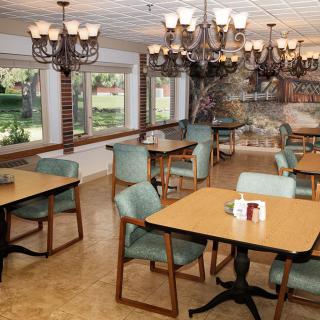
Dining room
Fully furnished
Garden
Housekeeping services
Kitchenette
Move-in coordination
Outdoor space
Restaurant-style dining
Small library
Telephone
Wi-Fi/high-speed internet available
Care Services
24-hour call system
24-hour supervision
Activities of daily living assistance
Assistance with bathing
Assistance with dressing
Assistance with transfers
Diabetes diet
Meal preparation and service
Medication management
Mental wellness program
Special dietary restrictions
Dining
Diabetes diet
Special dietary restrictions
Activities
Community-sponsored activities
Resident-run activities
Scheduled daily activities
Nearby Places of Interest
Hospitals
Prevea Health at Door County Medical Center (0.1 miles)
Door County Memorial Hospital (0.1 miles)
Door County Memorial Hospital Heliport (0.2 miles)
Ministry Door County Medical Center (0.2 miles)
DaVita Sturgeon Bay Dialysis (0.7 miles)
Aurora Health Care (3.1 miles)
Physicians
Door County Cancer Center (0.1 miles)
North Shore Medical Clinic (0.1 miles)
Lake Side Surgical Associates SC (0.2 miles)
Kevin P Wienkers MD Ophthalmology (0.2 miles)
Aurora Health Care (0.2 miles)
North Shore Medical Clinic (1.1 miles)
Ficantieri Bellin Family Medical & Wellness Bay Ship Building (1.4 miles)
The guide on blood pressure charts for older adults stresses the importance of understanding normal and high blood pressure readings influenced by age, genetics, and lifestyle, while emphasizing regular monitoring and lifestyle modifications to prevent serious health issues. It provides insights into blood pressure categories, dietary recommendations, medication considerations, and the role of caregivers in supporting healthy habits.
The article explores the complexities of using Social Security to finance long-term nursing home care in the U.S., detailing eligibility requirements and misconceptions, while emphasizing that these benefits often do not cover full costs and highlighting the need for strategic financial planning and professional guidance.
Pneumonia significantly affects older adults due to weakened immune systems and atypical symptoms that complicate diagnosis, necessitating early detection and tailored treatment. Risk factors include chronic diseases and cognitive impairments, with preventive measures like vaccinations and healthy lifestyles being crucial for reducing risk.
Get PricingAsk A QuestionSchedule A TourContact Senior Advisor
By clicking submit, you agree to our Partner's Terms of Use. You
also consent to receive calls and texts, which may be autodialed, from our Partner. Your consent is not a condition to
using our Partner's service. Please visit our Partner's Privacy Policy for information about their privacy practices.

 30 resident community capacity
 Skilled Nursing Facility
 Beauty salon
 Cable or satellite TV
 Dining room
 Fully furnished
 Garden
 Housekeeping services
 Kitchenette
 Move-in coordination
 Outdoor space
 Restaurant-style dining
 Small library
 Telephone
 Wi-Fi/high-speed internet available
 24-hour call system
 Activities of daily living assistance
 Assistance with bathing
 Assistance with dressing
 Assistance with transfers
 Diabetes diet
 Medication management
 Mental wellness program
 Special dietary restrictions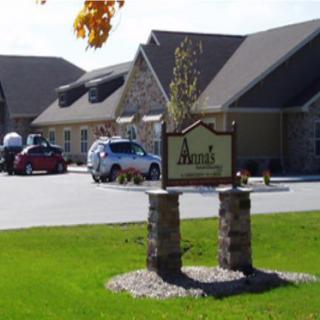
 Extensive amenities and 24/7 supervision with transportation support.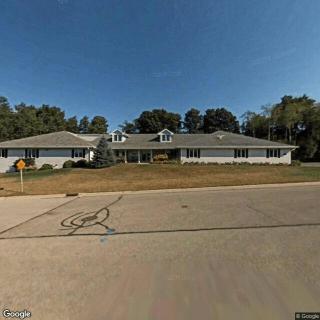

 Comprehensive Guide to Blood Pressure Charts for Older Adults: Understanding Normal and High Readings by Age
 Financing Long-Term Nursing Home Care Through Social Security: A Thorough Exploration
 Essential Knowledge on Pneumonia in Older Adults