











S830 - Westland Drive, Spring Valley, WI 54767
For more information about senior living options: (866) 208-4318
Overall Review of Spring Valley Health And Rehab Center
Pros
 The facility is clean and well cared for, with a kind social worker and attentive staff, and residents are well looked after.
- The staff work hard to keep residents clean, fed, and safe, and they provide entertaining activities that make residents feel at home.
- Spring Valley is regarded by residents as the best among several nursing homes, due to their dedication to cleanliness, nourishment, safety, and engagement.
- The facility is described as very nice, with knowledgeable staff and a clean environment, earning high recommendations.
- The grandpa’s experience shows the aides and nurses are helpful and caring, with activities that keep residents busy.
Cons
 They describe the facility as delivering only minimal effort and energy, making it unsuitable for assisted living.
 - There are long waits for call buttons.
- There is a lack of family involvement.
- The experience for visitors is uncomfortable.
- The quality of food is abysmal and resembles dog food, with doubts about whether it is edible.
- A nurse is accused of amputating a patient's foot without consent and facing only a small fine, described as despicable.
- Staff are rude and dismissive toward residents, including an incident where a nurse laughed at a patient needing the restroom, raising concerns about neglect and safety.
Review
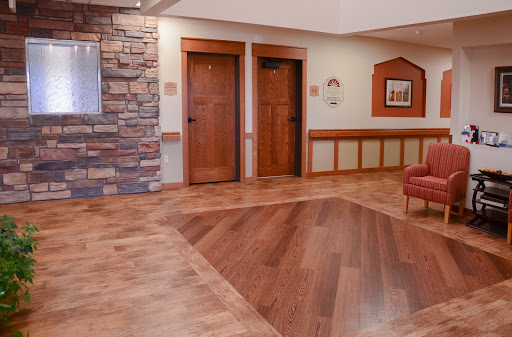
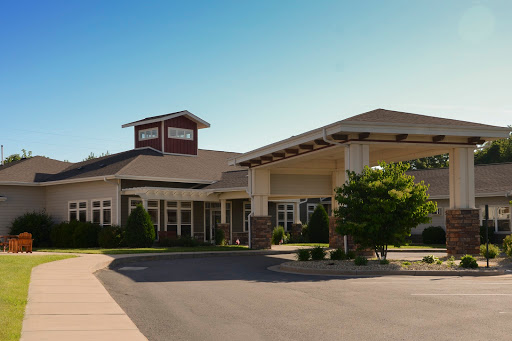
Spring Valley Health and Rehab Center in Spring Valley, WI is best suited for families seeking a straightforward, no-frills nursing-home option where basic daily care can be provided with reasonable reliability and where the environment is clean. It works for residents who can tolerate variability in staffing and oversight and for families willing to be actively involved advocates. This community is a practical pick for those who value a tidy facility and accessible social-work support, while understanding that care culture is uneven. It is not the right fit for someone needing consistently respectful interactions, tight safety standards, or a tightly managed end-of-life program.
Those considering alternatives should note that significant concerns recur in the reviews: long call-button delays, limited family involvement, and a visitor experience that many found unconducive. The most serious red flags include allegations of medical neglect and even horrific misconduct, such as an amputation performed without consent and handling that provoked outrage. The mix of positive notes, cleanliness, some attentive staff, pleasant social workers, and resident activities, does not erase the risk of harm or the perception of indifference among caregivers. For families prioritizing safety, transparency, and consistently compassionate care, other options with stronger safety cultures are strongly advised.
Key pros do offer practical value: a clean, well-maintained setting; at least some nurses and aides who are genuinely helpful; a socially engaged staff and available activities that keep residents occupied. These strengths can improve daily life in the short term and may support basic functioning and morale. Yet they do not sufficiently offset the main cons when safety gaps and abusive behavior are alleged. The reality is that the instances of neglect or disrespect, whether verified or not by every account, create a risk profile that undermines trust and makes ongoing oversight essential. For families, this means temporary relief only if robust oversight accompanies placement.
Operational realities in the reviews suggest a plan of action for due diligence: observe call-button responsiveness during visits, request to see response times data, and talk directly with the administrator about safety training and incident follow-up. Inquire about menu quality and dining service, since food was repeatedly described as unacceptable. Ask for current resident care plans, check progress notes, and verify whether any regulatory actions or investigations have occurred. Schedule unannounced visits to gauge day-to-day interactions. Document whether staff communicate changes in care, and whether family members are invited to participate in care planning. These steps are non-negotiable given the history described.
Given the spectrum of experiences, families should compare Spring Valley to other local options with stronger reputations for safety, consistency, and respectful treatment. If budget or availability constrains choice, set a firm expectation for transparent reporting, aggressive complaint resolution, and a demonstrably responsive care team. It is reasonable to require dedicated point people for family updates, routine care plan reviews, and rapid escalation when concerns arise. In short, this community can meet basic needs, but only for families who insist on aggressive oversight and who are prepared to pivot to alternatives if signs of progress stall.
In summary, Spring Valley Health and Rehab Center is best viewed as a cautious pick for straightforward nursing care where cleanliness and some staff warmth exist but safety, respect, and consistent quality are not reliably demonstrated. The deciding factor centers on whether the family can sustain vigilant oversight and accept a care environment with documented and alleged harms that demand immediate remediation. For those who cannot, or who value a culture of safety and empathy above marginal conveniences, pursuing other facilities is strongly recommended. If choosing this community, enter with explicit expectations, a clear oversight plan, and a willingness to adjust course promptly as real-world experience dictates.
 50 resident community capacity
 Continuing Care Retirement Community (CCRC)
 Skilled Nursing Facility
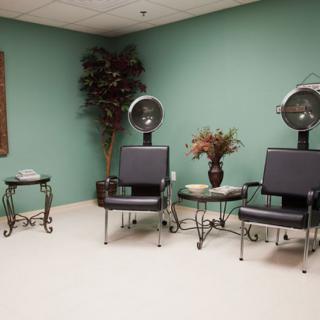
 Beauty salon
 Cable or satellite TV
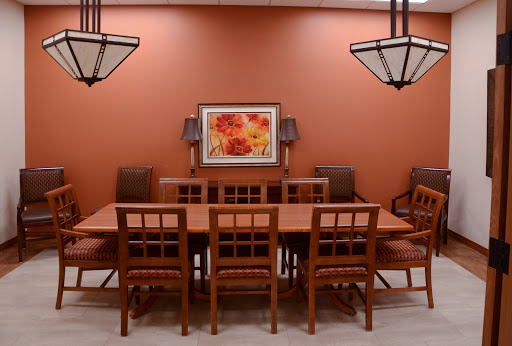
 Dining room
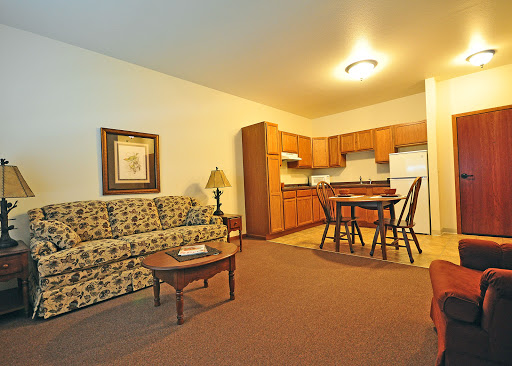
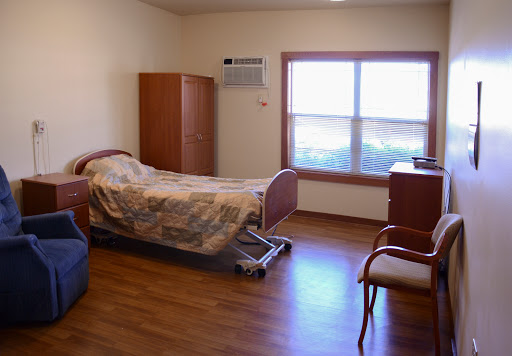
 Fully furnished
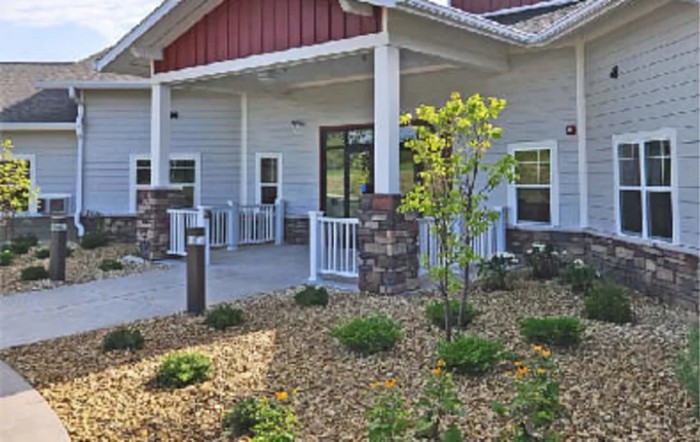
 Garden
 Housekeeping services
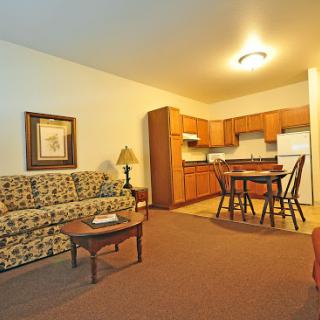
 Kitchenette
 Move-in coordination
 Outdoor space
 Restaurant-style dining
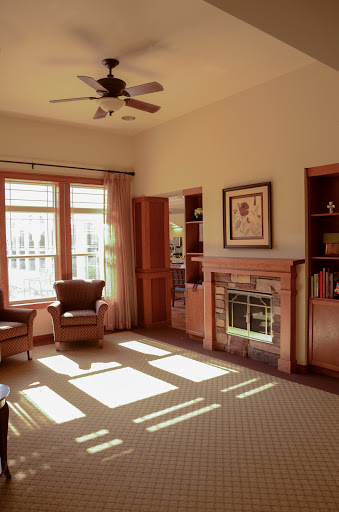
 Small library
 Telephone
 Wi-Fi/high-speed internet available
 24-hour call system
 Activities of daily living assistance
 Assistance with bathing
 Assistance with dressing
 Assistance with transfers
 Diabetes diet
 Medication management
 Mental wellness program
 Special dietary restrictions




 Nurturing Our Loved Ones: A Daughter's Journey in Caring for Her Mother
 Nurturing Our Elders: Linda's Journey of Supporting Her Mother
 A Comprehensive Exploration of Common Misunderstandings about Powers of Attorney