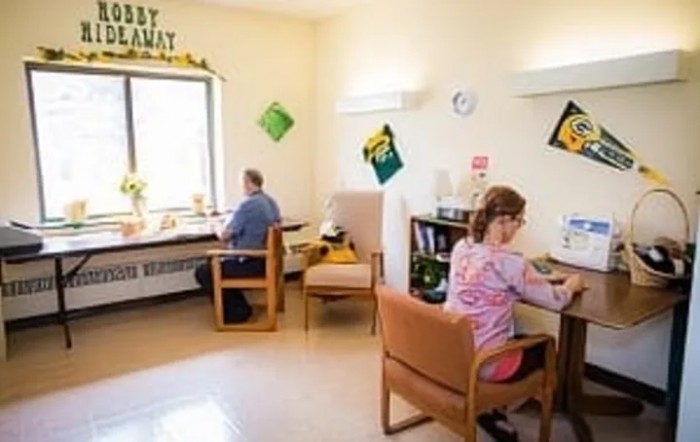

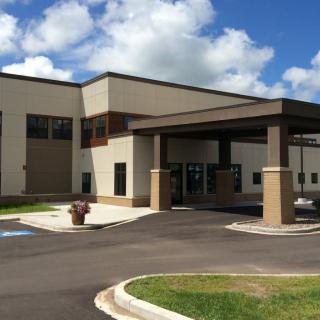
802 East Cty Highway B, Shell Lake, WI 54871
For more information about senior living options: (866) 208-4318
Overall Review of Shell Lake Health Care Center
Pros
 It is still good.
- They have good intentions.
Cons
 The reviewer notes it is still good but was better before the buyout from Terrace View.
- The reviewer doesn’t want to give 1 star and says a complaint filed on Dec 3, 2016 has received no response.
- They have good intentions but are so understaffed that residents are neglected and left in unsanitary conditions.
- They fail to attend to residents’ needs and would not recommend bringing a family member to live there.
Review
Shell Lake Health Care Center is best suited for seniors who need a low-cost, small-town option and for families prepared to assume an active advocacy role. The setting may appeal to residents who are relatively independent but require periodic assistance, and to relatives who are ready to monitor daily care, press for timely service, and intervene when concerns arise. In short, this is a place where budget considerations intersect with the need for vigilant oversight, rather than a facility that will automatically deliver comprehensive, proactively managed care.
Those who should consider alternatives are families seeking reliable, around-the-clock attentiveness, predictable response times, and strong medical oversight. The reviews consistently signal fundamental gaps in staffing and accountability, with complaints about delayed responses to concerns and a perception that residents’ needs are not being promptly attended to. If the priority is consistent, proactive caregiving, especially for residents with higher needs or complex medical conditions, A alternative with higher staffing ratios and clearer escalation processes is advisable.
On the positive side, the center’s core intention appears to be to provide humane, patient-focused care within a modest footprint. The sentiment that staff and leadership “mean well” can translate into genuine compassion and daily kindness, which matters for residents who can still engage with caregivers and participate in routine activities. Additionally, the fact that the facility has remained in operation and retains a basic level of service suggests a workable baseline for those who can tolerate variability and are inclined to organize and document care themselves.
The dominant drawbacks align with a stark, practical calculus for decision-makers. Staffing shortages are repeatedly cited as the most damaging constraint, producing consequences that ripple through daily living, delayed assistance with toileting, meals, hygiene, and safety concerns. When needs go unmet, the risk to dignity and health grows, and the experience quickly shifts from “care with compassion” to “care with gaps.” Complaints and concerns appear to struggle with timely resolution, undermining trust and creating a climate where families feel compelled to stay constantly vigilant rather than rest easy.
For families weighing options, the key question becomes: is active, ongoing advocacy feasible and sustainable? If a resident’s care requirements are modest and the plan includes robust family involvement, this center can function as a cost-conscious option. However, for those facing frequent assistance needs, or for anyone who cannot commit to regular monitoring, alternatives with stronger staffing infrastructure and clearer accountability are worth pursuing. Prospective residents should probe staffing levels by shift, turnover rates, and the center’s response timelines; demand to see recent care plans, and insist on transparent escalation protocols for urgent issues.
In the end, Shell Lake Health Care Center presents a clear trade-off: affordability and a straightforward care model weighed against inconsistent staffing and uneven responsiveness. Families facing this decision should enter with a concrete plan for oversight, a set of non-negotiables regarding response times and care standards, and a readiness to pursue alternatives if the care environment cannot meet those standards consistently. It is possible to make this work for the right resident, but expectations must be calibrated to the reality of staffing realities and the necessity of ongoing family involvement.
 50 resident community capacity
 Skilled Nursing Facility
 Beauty salon
 Cable or satellite TV
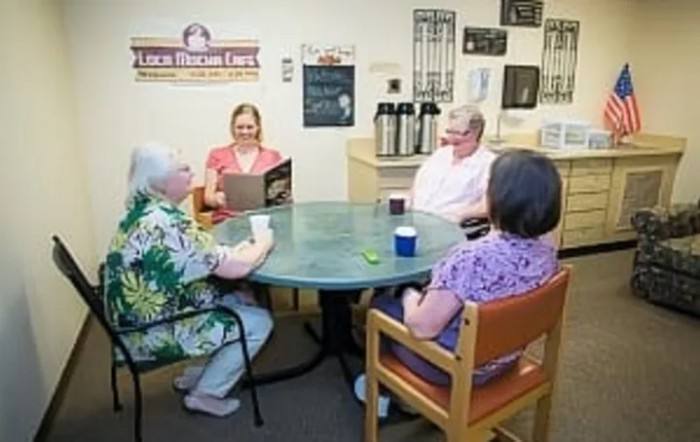
 Dining room
 Fully furnished
 Garden
 Housekeeping services
 Kitchenette
 Move-in coordination
 Outdoor space
 Restaurant-style dining
 Small library
 Telephone
 Wi-Fi/high-speed internet available
 24-hour call system
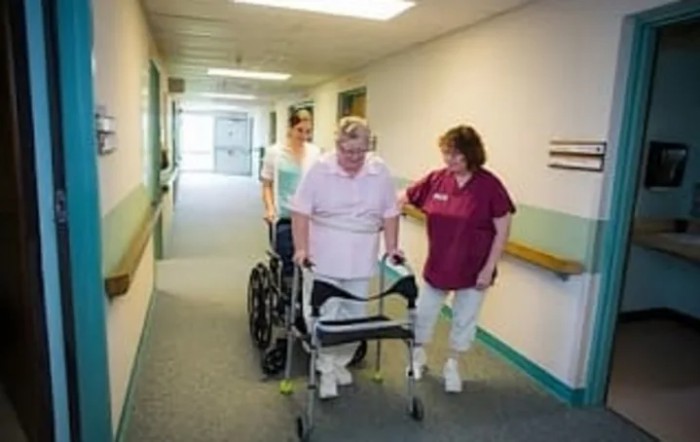
 Activities of daily living assistance
 Assistance with bathing
 Assistance with dressing
 Assistance with transfers
 Diabetes diet
 Medication management
 Mental wellness program
 Special dietary restrictions


 Recognizing the Journey: Understanding and Navigating Anticipatory Grief
 Encouraging Participation in Adult Day Care: A Guide to Supporting a Hesitant Parent
 Comprehensive Exploration of Living Wills and Other Advance Directives