701 Willow Street, Peshtigo, WI 54157
For more information about senior living options: (866) 208-4318
Overall Review of Rennes Health And Rehab Center - East
Pros
 The Rennes East staff are kind from the moment one walks through the door.
- Carla is amazing to work with and very organized.
- Tony is a sweetheart who makes the resident feel comfortable.
- The staff pay attention to detail and provide reassurance that their mom is taken care of.
- The therapy group is very thorough and patient.
- The staff are very courteous and friendly.
- Respite care provides a much-needed break and reassurance that a loved one is well cared for.
Cons
 A former CNA was fired for stripping residents and taking valuables, and the reviewer says the environment isn’t suitable for anyone’s family.
- The reviewer blames Rennes for their mother’s death, alleging CNA staff lack ileostomy-care training and that they had to assist because the CNA lacked experience.
- The reviewer reports the facility lost the father’s false teeth.
- The reviewer reports the facility lost the father’s hearing aids.
- The reviewer complains that the father was served a cucumber salad and that elderly patients need better back support and to be treated with respect and compassion.
Review
Rennes Health And Rehab Center - East in Peshtigo is best suited for families seeking a temporary, structured support option, specifically short-term respite care or a therapy-focused stay, where front-line staff show genuine warmth and coordination. For residents with moderate, non-complex medical needs, the environment can feel organized, and the team can deliver a capable routine that eases transitions for caregivers. Yet the facility reveals serious cracks when long-term, high-acuity nursing is required. For anyone facing chronic medical complexity, such as ongoing ostomy management, infection control challenges, or the need for vigilant safety oversight, the risks increasingly outweigh the comforting moments, making alternatives a prudent initial comparison.
On the upside, respite experiences and the associated care pathways demonstrate real strengths. The care staff, from the moment families step in, are described as kind and attentive. The admissions, dietary, and activity teams coordinate in a way that creates a reassuring onboarding, and the therapy group is noted as patient and thorough, signaling meaningful rehabilitative potential during a stay. In practical terms, this means a family can expect a respectful, personable approach and a programmatic backbone that supports rehabilitation goals and social engagement, which matters when a loved one needs a short break from full-time caregiving.
The downsides, however, present a heavy counterweight to those positives. There are credible, recurrent concerns about safety and reliability: a CNA’s egregious misconduct leading to termination highlights a fundamental risk to any resident, and a serious case where ostomy care was insufficient enough to contribute to a medical setback underscores gaps in clinical training and hands-on capability. Items essential to daily life, false teeth and hearing aids, have gone missing, signaling lapses in accountability and basic operational discipline. Mobility and comfort concerns also surface, with residents relying on a wheelchair that lacks adequate back support, kept in use for long stretches, an issue that directly affects dignity and comfort for a population often in fragile health. End-of-life care experiences raise ethical questions about compassion and respectful treatment during sensitive moments. Taken together, these are not trivial flaws; they are material risks that can overwhelm the benefits of a kindness-focused staff culture.
Those positive caregiving elements do matter, but they do not erase the weight of the cons. The facility can be a source of relief and meaningful activity for short, well-managed stays, and it can serve well for those who prioritize a friendly, organized intake process and accessible rehabilitative services. Still, the combination of safety lapses, care gaps, and equipment shortcomings can derail a resident’s quality of life, even during a short visit. In practical terms, Rennes East functions best as a decision point rather than a long-term home for residents with complex medical needs; the favorable aspects are meaningful, but they are not sufficient to offset the core risks for residents who require consistent, high-level skilled nursing.
Families considering alternatives should weigh the likelihood of needing ongoing ostomy care, robust infection control, and precise personal-item accountability. If a loved one relies on continuous skilled nursing, needs reliable mobility support, or requires end-of-life care delivered with consistently demonstrated compassion, it is prudent to look elsewhere. Investigate facilities with stronger incident resolution histories, demonstrably higher staff stability, and clearer, documented protocols for ostomy care and equipment management. Rennes East may fill a temporary niche for respite or rehabilitative goals, but for long-term residency with significant medical needs, it is wise to prioritize options that offer steadier clinical governance and guaranteed reliability.
To advance a confident choice, demand concrete, current information: the nurse-to-resident ratio on the floor, the latest 90-day incident and infection logs, the credentials and ongoing training status of the staff responsible for ostomy care, and a candid tour that includes a daily routine guided by a registered nurse. Request to review the quality-assurance plan, safety protocols for lost belongings, and a sample menu to ensure nutrition aligns with medical needs. If selecting Rennes East for a trial respite, use a defined short horizon with clear goals and exit criteria, and treat the stay as a test of whether the realities align with expectations. When choosing a long-term option, prioritize facilities with consistently strong clinical governance, proven reliability, and a track record of safeguarding dignity and safety for residents with higher care needs.
 129 resident community capacity
 Skilled Nursing Facility
 Air-conditioning
 Beauty salon
 Cable or satellite TV
 Computer center
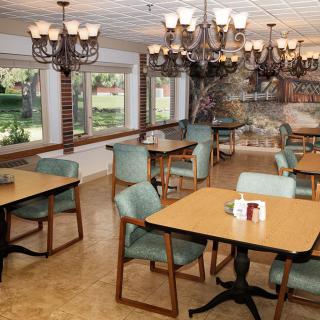
 Dining room
 Fitness room
 Fully furnished
 Gaming room
 Garden
 Housekeeping services
 Kitchenette
 Move-in coordination
 Outdoor space
 Private bathrooms
 Restaurant-style dining
 Small library
 Telephone
 Wellness center
 Wi-Fi/high-speed internet available
 Community operated transportation
 12-16 hour nursing
 24-hour call system
 Activities of daily living assistance
 Assistance with bathing
 Assistance with dressing
 Assistance with transfers
 Diabetes diet
 Medication management
 Mental wellness program
 Special dietary restrictions
 Concierge services
 Planned day trips


 Comprehensive Guide to Qualifying for Home Health Care Services
 Powerful Realities of Elder Abuse and the Most Effective Ways to Report It
 Ten Vital Duties of a Senior Caregiver: A Comprehensive Guide