
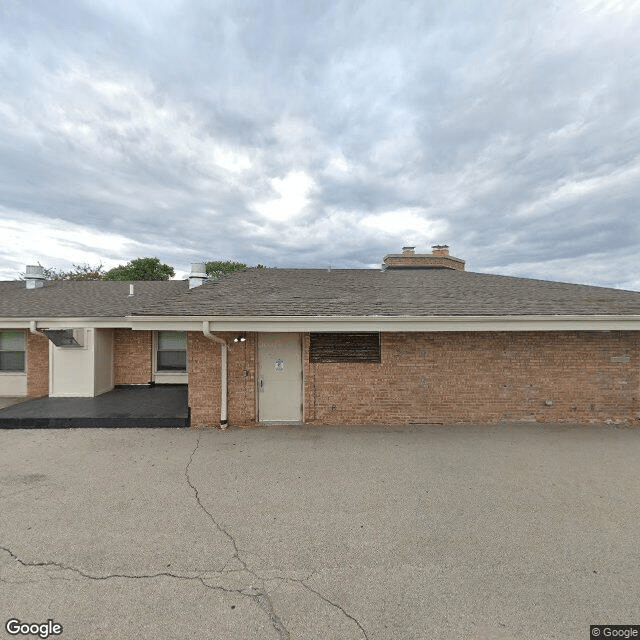
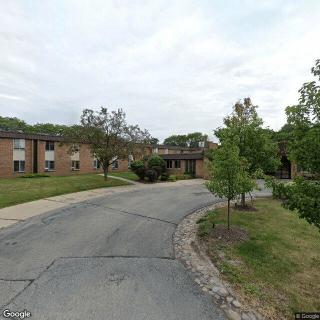
9350 W Fond Du Lac Ave, Milwaukee, WI 53225
To contact a resident: (414) 438-4360
For more information about senior living options: (866) 208-4318
Overall Review of Wellspring of Milwaukee
Pros
 The place is described as great, with the brother being well cared for.
 - The staff are described as really good, and the nurse technicians are outstanding.
- The staff are praised for taking care of the reviewer’s sister.
- People at the facility are described as super.
- There were two CNAs on the second shift who were decent.
Cons
 The staff and employees need to get their act together.
- They would not recommend the Rehabilitation Center.
- The facility is horrible and staff cannot take accountability.
- Residents' belongings were constantly missing or stolen.
- The Alzheimer's unit is not suitable for memory-impaired residents.
- All residents are horribly bored and miserable.
- The room smelled horrible and the nurses lacked information.
- The facility does not check on residents and steals from them.
- Staff, including nurses, are incredibly rude.
Review
Wellspring of Milwaukee is best suited for families that need a facility where a few caregivers consistently demonstrate genuine warmth and competence, and where an active advocate can monitor day-to-day care. It is not a hands-off choice; success here hinges on families staying involved, asking tough questions, and pushing for timely interventions. Those seeking a consistently predictable environment with impeccably trained memory-care staff, steadier staffing, and a culture of accountability should consider alternatives instead.
Several reviews identify pockets of strong, compassionate care. A few staff members and a nurse tech are praised for their dedication, and in at least one case the rehabilitation team is described as performing well. These glimpses of reliable caregiving show that, when the right people are present, residents can receive attentive assistance and positive interactions. However, these positives appear sporadic rather than systemic, making them meaningful but insufficient as a steady foundation for ongoing safety and comfort.
The dominant themes across most critiques center on systemic shortfalls. Chronic understaffing, limited accountability, and perceived unprofessional conduct from some employees color the daily experience. Reports of missing or stolen personal items, inconsistent information when emergencies occur, and a sense that certain units are not truly equipped for their stated purpose all point to gaps in follow-through and supervision. The most troubling assertions suggest a culture where complaint handling and transparency are lacking, with residents and families left to bear the consequences.
In weighing pros against cons, the isolated acts of kindness or competence rarely cancel out the broader risk factors. When a facility relies on a few standout individuals to carry the burden, the overall environment can feel unstable and unpredictable. Medication timing, responsiveness, and the consistent engagement needed by residents with memory or mobility challenges appear compromised at times. For families with a loved one who requires steady, well-coordinated care, these deficiencies become the deciding factor against Wellspring, regardless of occasional positive notes about specific staff members.
Alternatives deserve serious consideration for anyone prioritizing reliability, safety, and dignity. Look for communities with demonstrably robust staffing levels, clear accountability, and a proven track record in memory-care or rehabilitation, where complaints lead to swift corrective action. Prospective residents should seek environments that emphasize routine, consistent communication with families, secure handling of personal belongings, and documented procedures for incident reporting. A dementia-focused unit should truly feel specialized, staffed with trained professionals who understand the nuances of cognitive decline, rather than simply labeled as such.
Before committing, conduct thorough, repeated visits that go beyond a single tour. Observe shifts at different times, speak with front-desk and nursing staff, and request candid conversations with current residents or families about daily care, meal quality, and housekeeping. Request recent inspection or quality-review summaries and ask whether medication administration follows a strict, traceable protocol. Ensure the community offers transparent staffing ratios, ongoing training programs, and a clear path for family input to influence care plans. If these safeguards aren’t readily demonstrable, it is prudent to explore alternatives that deliver steadier, more consistent support and a sustainable culture of respect for residents.
 Skilled Nursing Facility
 General Mitchell International (14 miles away)

 Understanding the Nuances of Palliative Care and Hospice: A Comprehensive Exploration
 Is In-Home Healthcare Tax Deductible? Your Comprehensive Guide
 Nurturing Well-Being Through Gardening: A Detailed Guide for Senior Enthusiasts