
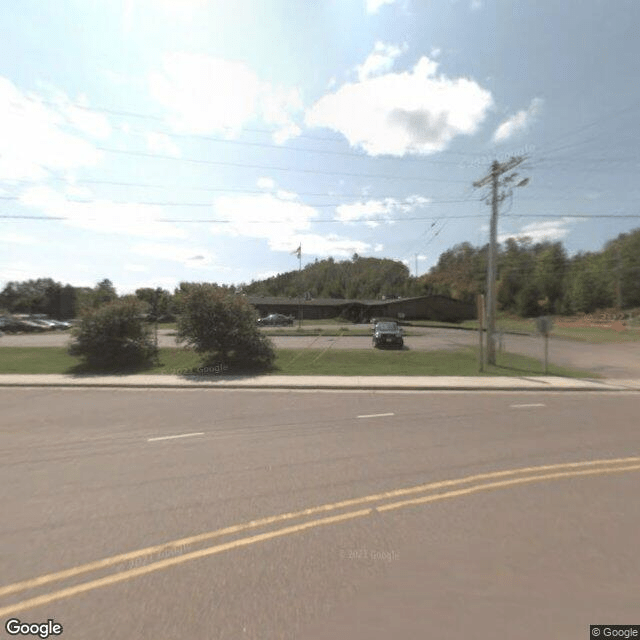
450 Lake Dr, Mellen, WI 54546
To contact a resident: (715) 274-5706
For more information about senior living options: (866) 208-4318
Overall Review of Mellen Manor Nursing Home
Pros
 They attended their aunt's 100th birthday party, and it was a wonderful celebration.
- The facility provided food and helped with the prep for a wonderful celebration.
- They applauded the care shown to their aunt by the facility.
Review
Mellen Manor Nursing Home in Mellen, Wisconsin is best suited for seniors who want a small, intimate, community-focused setting where staff attentiveness and family involvement are earned strengths. The facility’s ability to make special occasions meaningful, demonstrated by the birthday celebration for a centenarian that included coordinating meals and preparation, highlights a culture that treats residents as individuals with cherished histories. For families seeking a home-like atmosphere where life moments can be celebrated with staff support and where residents are more than just a bed and a chart, this facility offers a compelling fit. The positive, high-touch environment appears to be the core selling point, translating everyday care into a sense of continuity, dignity, and belonging.
That said, this community may not be the best match for every situation. Families should consider alternatives if the primary need is intensive medical oversight, post-acute rehabilitation after major surgery, or highly specialized memory-care services with secured units and robust on-site therapies. The two available reviews illuminate a warm, relationship-based approach but do not reveal a breadth of advanced clinical offerings or a wide continuum of care. For residents requiring frequent, highly specialized rehab programs, complex wound care, or management of advanced dementia with specialized monitoring, a larger facility with dedicated units and more extensive therapy teams could be more appropriate. Similarly, families prioritizing a broad array of on-site amenities or urban access may find choices elsewhere that better align with those expectations.
The strongest positives center on human connection and practical support. The staff’s responsiveness to daily life, demonstrated by helping to organize meals, logistics, and celebrations, creates a sense of partnership with families rather than a transactional care model. This translates into a more person-centered experience for residents, where meaningful routines and social events become part of the healing and aging process rather than optional add-ons. The quality of life gains from such an approach are real: residents are more likely to feel seen, valued, and engaged, which in turn can reduce anxiety, loneliness, and behavioral challenges often associated with institutional living. When family members see staff investing in identity-preserving moments, confidence in the overall care plan climbs, even if clinical data about staffing ratios and medical acuity aren’t publicly detailed.
However, the absence of explicit information about clinical capabilities represents a legitimate consideration. While a celebratory, resident-focused culture is encouraging, it does little to assure families about the facility’s capacity to handle high-acuity medical needs, complex nursing requirements, or dementia-specific care at scale. The small-town setting can be a double-edged sword: it may foster tighter relationships and easier communication, yet it can limit access to a wide network of specialists, rapid external referrals, or extended therapy programs without relying on outside partners. Families should probe whether 24-hour RN coverage, on-site rehabilitation services, and memory-care options are readily available, and if there is a transparent plan for coordinating with hospitals and specialists when needed.
Despite these potential gaps, the pros can meaningfully offset the cons for many prospective residents. The key advantage, an environment that treats daily life as worthy of polish and celebration, often translates into lower transition stress and stronger resident morale. Continuity of caregivers and familiar faces can yield better symptom monitoring, timely response to changes in condition, and more nuanced understanding of each resident’s preferences and history. When care teams actively facilitate milestones and social engagement, residents maintain identity and purpose, which supports adherence to treatment plans, reduces behavioral escalations, and enhances overall satisfaction. For families prioritizing relational quality and a sense of home, these elements frequently outweigh the absence of broader facility-wide amenities.
In practical terms, families choosing Mellen Manor should enter with clear priorities and a concise set of questions. Assess the facility’s capacity for advanced medical care and rehabilitation, including whether there are on-site therapists, wound care, and geriatric psychiatry services. Inquire about staff-to-resident ratios across day and night shifts, the availability of a dedicated memory-care unit if dementia needs evolve, and the process for coordinating with external providers when specialized care becomes necessary. Request a calendar of regular activities to gauge social engagement and meaningful routines, and ask how the community supports family involvement beyond celebrations, such as regular care conferences, transparent reporting, and flexible visitation. Finally, verify transportation options for appointments and outings to ensure continuity with outside supports.
Overall, Mellen Manor Nursing Home emerges as a practical, well-suited choice for families seeking a warm, person-centered setting in rural Wisconsin. It shines in its ability to integrate residents into a caring community where birthdays and milestones are genuinely prioritized, and where staff coordination translates into tangible improvements in daily life. The village-like atmosphere and emphasis on belonging can deliver substantial emotional and social dividends for residents who do not require intensive, high-acuity medical programs. For those with complex clinical needs or a craving for an expansive amenity package, alternatives offering broader medical capabilities and larger continuous-care networks should be explored. In the end, this facility earns its 5-star impression by delivering dignity through daily interactions and by placing resident happiness at the forefront of the care philosophy.
 Skilled Nursing Facility

 Comprehensive Look at Senior Blood Pressure Charts: Normal and Elevated Levels by Age
 Top Canine Companions for Older Adults
 Comprehensive Guide to Blood Pressure Charts for Older Adults: Understanding Normal and High Readings by Age