
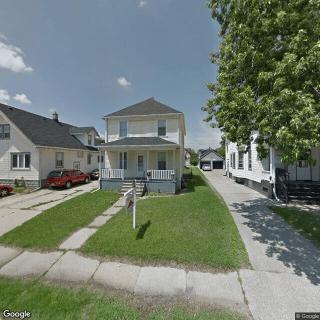
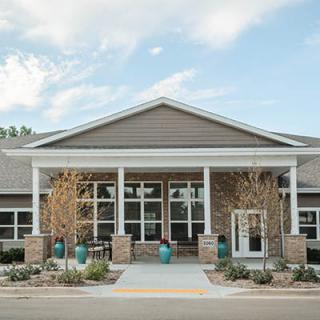
3415 North Sheridan Road, Kenosha, WI 53140
For more information about senior living options: (866) 208-4318
Overall Review of Bay At Waters Edge Health And Rehabilitation
Pros
 They offer a full range of care in PT, OT, podiatry, dentistry, psychology, and eye care.
- Their food is good.
- They’re very helpful and nice to their patients.
Cons
 The facility’s care led to the father’s death after a fall that caused a skull fracture and brain bleed.
- The wheelchair was removed from the patient’s room, misplaced, and billing was pursued for its return.
- The diet was inadequate, with the patient reportedly served peanut butter and jelly sandwiches.
- The living conditions were dirty, with clothing stored in plastic bags and floors that stuck to shoes.
- Medications were delivered slowly, taking over an hour after requests.
- The patient developed nine bedsores, indicating neglect and poor supervision.
- The staff were unresponsive and unkind, with the place likened to a penal colony.
Review
Bay At Waters Edge Health And Rehabilitation in Kenosha is best suited for families that need a facility capable of delivering a wide range of medical and rehabilitative services under one roof, and for whom active oversight and patience with ongoing improvement are acceptable. The setting appeals to those who value a large campus where therapy, nursing, and subspecialty care can be coordinated locally. Yet for families prioritizing predictable quality, transparent communication, and consistently clean, responsive care, this community warrants strong caution and may push toward exploring other options.
On paper, the center presents a comprehensive service slate. PT, OT, podiatry, dentistry, psychology, and eye care are listed as available, and the size of the operation implies ample resources and variety. There are notes that management is changing and that updates are on the horizon, which can signal potential improvements. Some initial conversations mention good food at times and staff who are helpful to patients, suggesting that the facility can deliver when conditions align. However, these positives sit amid a chorus of reliability concerns that repeatedly surface in visits and reviews.
The most troubling patterns revolve around cleanliness, timeliness, and safety. Accounts describe filthy conditions, delayed medication delivery, and disorganized room management, with examples ranging from outdated catheter bags to rooms that feel more like storage spaces than patient areas. Reports of bedsores culminating in surgical intervention point to lapses in preventive care and wound management. A sense of being overlooked persists, with long waits for assistance and indications that critical equipment can go missing or be misallocated. Such gaps undermine trust in daily operations and heighten risk, especially for residents with complex needs.
The potential strengths, breadth of services, capacity for coordinated rehab, and the possibility of meaningful improvement under new leadership, do not fully offset the scale of the cons observed. The positive notes about staff kindness and occasional good meals suggest that the culture and routines can be solid, but they are uneven and not reliably sustained. Until cleanliness, timeliness, and accountability become consistently reliable, the facility remains a high-variance option. Families that can tolerate fluctuation and insist on concrete, demonstrable improvements may find reason for cautious optimism, but the overall impression remains precarious.
For families weighing a decision, use a focused, action-oriented site visit. Ask for the current staffing ratios on each shift, including nursing and therapy; request a recent wound-care protocol and evidence of ongoing prevention programs; review the incident and corrective-action log from the past 90 days; examine the cleanliness cadence of common areas and resident rooms; verify the status of equipment control, including wheelchair stewardship and hoist accessibility; and demand transparent billing practices with clear itemization and timely communication. Seek a direct timeline for the promised updates under new management and a concrete plan to address recurring concerns before any commitment.
In the end, Bay At Waters Edge is not a first-call choice for families with critical needs around safety, consistent cleanliness, and reliable med administration. It may be considered for those who can actively supervise care, demand accountability, and view the facility as a platform for improvement rather than a finished product. If the priority is stability, predictable daily care, and clear communication, alternatives with stronger track records in these areas will likely serve better, even if they require more transfers or higher costs. The decision should hinge on whether the anticipated improvements materialize quickly enough to outweigh the current, well-documented concerns.
 128 resident community capacity
 Skilled Nursing Facility
 Air-conditioning
 Beauty salon
 Cable or satellite TV
 Computer center
 Dining room
 Fitness room
 Fully furnished
 Gaming room
 Garden
 Housekeeping services
 Kitchenette
 Move-in coordination
 Outdoor space
 Private bathrooms
 Restaurant-style dining
 Small library
 Telephone
 Wellness center
 Wi-Fi/high-speed internet available
 General Mitchell International (24 miles away)
 Community operated transportation
 12-16 hour nursing
 24-hour call system
 Activities of daily living assistance
 Assistance with bathing
 Assistance with dressing
 Assistance with transfers
 Diabetes diet
 Medication management
 Mental wellness program
 Special dietary restrictions
 Concierge services
 Planned day trips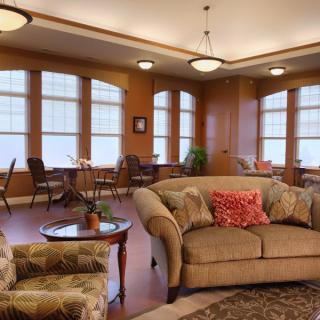




 Home Health Care Aides: Understanding Their Role and Supporting Your Family
 Urinary Tract Infections in Older Adults: Comprehensive Insights on Symptoms, Treatment, and Prevention
 California's Form 602A: An In-Depth Examination of Senior Care Assessment