
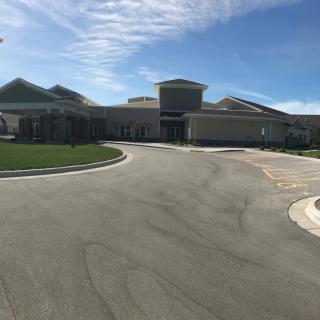
226 Bornemann Street, Green Bay, WI 54302
For more information about senior living options: (866) 208-4318
Overall Review of Bornemann Nursing Home
Pros
 The staff is very warm, attentive, and professional.
- The meals are varied, nutritious, and tasty.
- The staff works hard to meet residents' physical and social needs.
- Most of the CNAs and nurses were extremely compassionate.
- The facility is very clean and always smells clean.
- Bornemann's Nursing Home has been very good to both mom and dad.
Cons
 The facility was a horrible place, with rude staff and constant turnover, including five different managers in ten months.
- The staff gave the wrong medication, causing a loved one to spend 13 days in the hospital.
- The state cited the facility for two violations.
- The rooms were not clean.
- The facility was understaffed and had not enough activities for residents.
- The food was not great.
- There was high turnover among staff including administration, with little follow-up after promises.
- A night staff member stole a resident’s purse, and another went through the resident’s belongings; cameras were recommended to deter such behavior.
- Residents were left largely on their own, being fed and changed only when convenient.
Review
Bornemann Nursing Home in Green Bay is best suited for families that prize a warm, personal touch and a clean, homey setting, and for residents whose needs revolve around daily living and dementia-friendly routines more than hospital-grade clinical oversight. The facility can deliver genuine warmth from front-line staff, steady meal service, and social opportunities when staffing holds steady. However, it is not a safe harbor for those who cannot tolerate frequent turnover, medication mishaps, or lapses in monitoring. For seniors with complex medical needs or families demanding steady leadership and tightly controlled care, exploring alternatives is prudent.
Consider alternatives if medication safety is non-negotiable or if constant nursing supervision is essential. Several reviews point to high staff turnover and frequent managerial changes, with gaps in accountability that raise persistent safety concerns. Security issues also appear, including accounts of theft and limited follow-through on concerns. If a robust activity calendar, a consistently visible administrator, and predictable care routines are priorities, a more stable operation is worth pursuing. In short, those seeking reliability, stronger clinical oversight, and robust governance will likely find tighter fits elsewhere.
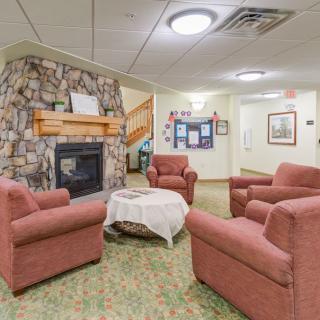
On the upside, when the staff stabilizes, the care experience can be genuinely supportive. Families repeatedly praise the caring demeanor of many CNAs and nurses and note the facility’s cleanliness and pleasant atmosphere, which matter for daily comfort. Dementia care is highlighted as a strength in several accounts, with staff shown to be patient and attentive. Meals are frequently described as varied and nourishing, contributing to residents’ well-being. When concerns arise, a subset of reviewers reports prompt attention and problem resolution. Taken together, these positives demonstrate that Bornemann can deliver solid day-to-day care under the right conditions.
Yet the negatives are persistent and consequential. Several reviews describe rude or overburdened staff and pervasive turnover, including management, which erodes trust and continuity. Medication errors that led to hospital stays are cited as serious risks, and there are troubling anecdotes about caregivers failing to monitor devices or follow through after critical events. Understaffing translates into too little time for activities and insufficient oversight, leaving residents with limited engagement. Security lapses, personal items going missing, underscore the need for stronger procedures. A dated appearance and a lack of modern amenities also contribute to a sense of being behind the times.
These pros do not fully offset the main concerns. Warmth and cleanliness improve daily life, and good meals plus dementia-friendly care are meaningful. But the frequency of staffing changes, medication safety incidents, and security issues pose legitimate risks that families must weigh heavily. The experiences vary widely, strong care in some shifts and neglect in others, pointing to structural weaknesses rather than isolated mistakes. For a household that can monitor care closely and advocate consistently, Bornemann may work; for those prioritizing safety, consistency, and proactive leadership, it likely does not.
Before deciding, families should demand a candid plan from leadership: who currently runs the facility, the nursing ratio by shift, a clear medication-management protocol, and a timeline for addressing past concerns. Request recent state survey results, certification records, and opportunities to speak with front-line caregivers. Tour with a focus on activities, dementia programming, and security measures; verify room cleanliness and maintenance routines. Compare with other Green Bay options that offer stronger governance and lower turnover. Bornemann is a viable choice for families tolerating some risk in exchange for warmth and livable surroundings, but alternatives should be actively explored for those prioritizing safety, consistency, and proactive leadership.
 127 resident community capacity
 Skilled Nursing Facility
 Air-conditioning
 Beauty salon
 Cable or satellite TV
 Computer center
 Dining room
 Fitness room
 Fully furnished
 Gaming room
 Garden
 Housekeeping services
 Kitchenette
 Move-in coordination
 Outdoor space
 Private bathrooms
 Restaurant-style dining
 Small library
 Telephone
 Wellness center
 Wi-Fi/high-speed internet available
 Austin Straubel International (8 miles away)
 Community operated transportation
 12-16 hour nursing
 24-hour call system
 Activities of daily living assistance
 Assistance with bathing
 Assistance with dressing
 Assistance with transfers
 Diabetes diet
 Medication management
 Mental wellness program
 Special dietary restrictions
 Concierge services
 Planned day trips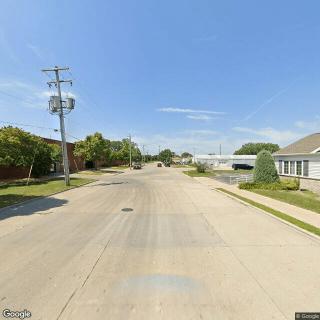


 Top Cars for Senior Drivers and Essential Safety Innovations
 A Closer Look at Private Pay Home Care
 Comprehensive Approaches for Arthritis: A Detailed Guide to Symptoms, Causes, and Care