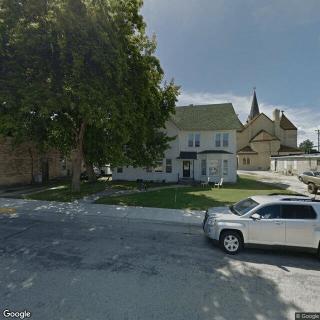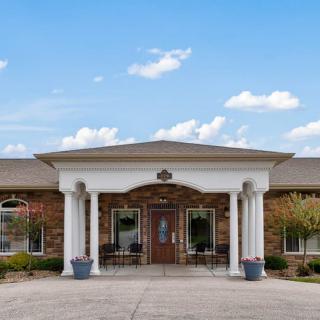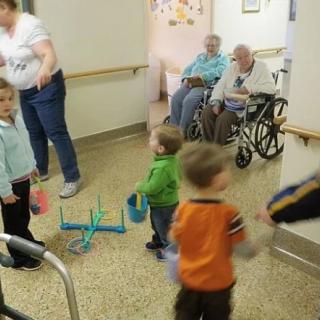
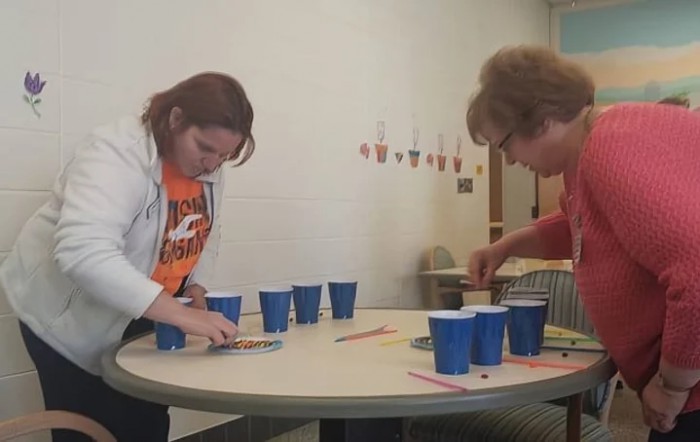
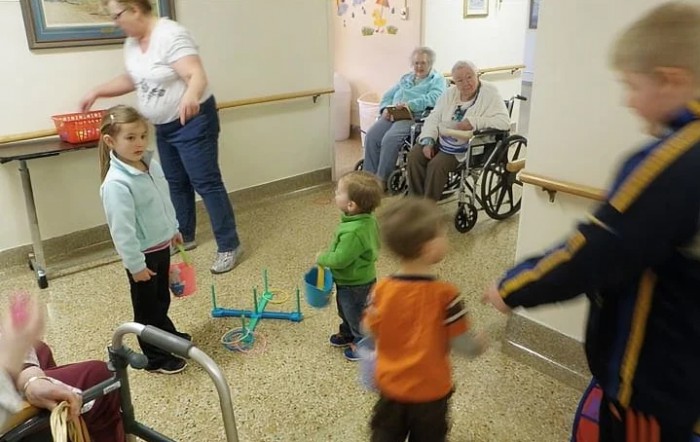


Algoma Medical Center in Algoma, WI

Save

Algoma Medical Center in Algoma, WI

Information last verified:

1510 Fremont Street, Algoma, WI 54201

For more information about senior living options: (844) 490-3973

4.5 from 23 reviews
5 stars
16
4 stars
5
3 stars
1
2 stars
0
1 stars
1

Overall Review of Algoma Medical Center

Pros

  • pro The nursing staff is patient, loving, and caring.
  • pro The activity director is fun and engaging.
  • pro The facility is very clean.
  • pro The staff are personable and professional.
  • pro They check on residents regularly and respond promptly to call lights.
  • pro The rooms are neat and clean.
  • pro The staff care for the elderly, take their time with residents, and treat them with respect.

Cons

  • pro None detected in the provided reviews.

Review

Algoma Medical Center in Algoma, WI is best suited for families seeking a warm, hands-on care environment where staffing quality and daily legitimacy of routines matter as much as medical services. The community earns high marks for personnel who are consistently patient, caring, and professional, with a culture that emphasizes respect and personal connection. Residents appear to benefit from regular, engaged attention, staff check-ins feel genuine, and call-light responses are timely. The atmosphere is notably clean and orderly, which contributes to a sense of safety and predictability that many families prize when navigating elder-care decisions. For someone prioritizing interpersonal warmth and a reassuring day-to-day rhythm, this setting delivers decisively.

Those who may want to consider alternatives include families prioritizing high-tech medical complexity, expansive rehab programs, or large, campus-style environments with a broader menu of on-site specialists. If a resident requires intense memory-care programming, highly specialized clinical teams, or frequent, advanced therapeutic interventions on a 24/7 basis, a larger facility or distinct memory-care-focused community could offer more suited infrastructure. Additionally, for families seeking a wider array of cross-campus services, amenities, or markedly different social ecosystems, exploring other options ensures a clear comparison of what each setting can realistically provide.

The standout pros center on the human quality of care. Staff are described as personable, professional, and genuinely invested in residents’ well-being. Regular monitoring and rapid response to call lights translate into tangible safety and reassurance for families. The activity program, led by an engaging director, adds meaningful social and cognitive stimulation, reducing the risk of isolation and boredom for residents who thrive on structured companionship and purposeful activities. Cleanliness and neatness across rooms and common areas further reinforce a sense of dignity and order, which often correlates with smoother daily routines and fewer housekeeping-related concerns for families.

These strengths do offset the few potential drawbacks by creating a culture where residents feel seen and respected, and where small-scale limitations carry less weight against a reliable, friendly caregiving environment. The strongest offset is the consistency of care: dependable staff presence, meticulous cleanliness, and attention to residents’ dignity reduce the likelihood of neglect or disengagement. Even in the face of one dissenting review, the overall pattern of praise for the caregiving atmosphere suggests a setting where the positive day-to-day experiences substantially outweigh rare misgivings. In practical terms, families often experience fewer moments of worry when the team’s responsiveness and the residents’ daily quality of life are consistently strong.

From a decision-making standpoint, prospective residents should bring concrete questions to tours: how staff-to-resident ratios look across shifts, how memory-support needs are assessed and managed, what therapy options are available on-site, and how transportation for appointments is coordinated. Observe whether activities feel genuinely tailored to residents’ interests and abilities, and listen for staff introductions and tone, these signals reveal whether the “care with warmth” promise translates into real, everyday practice. Confirm meal options, housekeeping standards, and how family involvement is facilitated, since these elements often tip the balance when choosing between otherwise similar communities. The data point to a facility that reliably delivers kindness and cleanliness in a practical, no-nonsense package.

In the end, Algoma Medical Center stands out as a practical, well-regarded choice for families prioritizing a compassionate staff, a clean, respectful environment, and engaging daily life for residents. With a 4.5 overall rating from 23 reviews, the community reflects broad consistency in delivering the core elements families value: attentiveness, safety, and meaningful social engagement. The clearest fit is for seniors who want dependable, personable care without the bustle of a large campus, and for families who place a premium on trust, transparency, and the ability to see their loved one every day knowing they are in good hands. Those whose needs tilt toward highly specialized medical complexity or expansive on-site services may want to survey alternatives, but for many, this is a compelling, consistently positive option.

Features

Housing

  • 42 resident community capacity 42 resident community capacity

Types of Care

  • Skilled Nursing Facility Skilled Nursing FacilitySkilled Nursing Facilities are crucial for seniors as they provide round-the-clock medical care, rehabilitation services, and assistance with daily activities. These facilities ensure that seniors receive the specialized care they need to maintain their health and well-being as they age.

Amenities

  • Beauty salon Beauty salonBeauty salons are important for seniors because they provide a space for them to feel pampered, socialize, and maintain their personal grooming and hygiene. Regular visits to a beauty salon can help boost seniors' self-esteem and overall well-being.
  • Cable or satellite TV Cable or satellite TVCable or satellite TV is important for seniors because it provides entertainment, news, and companionship, helping to combat loneliness and boredom. It also offers a wide range of programming options tailored to different interests and preferences.
  • Dining room Dining roomDining rooms are important for seniors as they provide a space for socialization, connection, and nutritious meals. They offer opportunities for residents to bond over shared meals, foster a sense of community, and promote healthy eating habits. Dining rooms also ensure that seniors have access to well-balanced meals tailored to their dietary needs and preferences.
  • Fully furnished Fully furnishedFully furnished senior living communities are important for seniors because they provide convenience, comfort, and a hassle-free moving experience. Seniors can easily settle into their new living space without the stress of having to buy and move furniture. This allows them to focus on enjoying their new home and community.
  • Garden GardenGardens are important for seniors as they provide a peaceful and therapeutic environment for relaxation, physical activity, and socialization. Being in nature has been shown to reduce stress, improve mood, and promote overall well-being. Gardens also offer opportunities for seniors to engage in gardening activities, which can improve mobility, flexibility, and cognitive function. Additionally, gardens create a sense of community and connection with others who share a passion for plants and outdoor spaces.
  • Housekeeping services Housekeeping servicesHousekeeping services are important for seniors because they help maintain a clean and safe living environment, promote independence, and reduce the risk of accidents or illnesses. Additionally, having assistance with household chores can alleviate physical strain and allow seniors to focus on other aspects of their well-being.
  • Kitchenette KitchenetteKitchenettes are important for seniors living in senior living communities because they provide the convenience and independence of being able to prepare simple meals and snacks in the comfort of their own living space. This can help promote a sense of autonomy and well-being for seniors, allowing them to maintain some level of control over their dietary choices and daily routines.
  • Move-in coordination Move-in coordinationMove-in coordination is important for seniors because it helps ease the transition into their new living environment. It ensures that all logistics, such as packing, organizing movers, and setting up utilities are taken care of, allowing seniors to focus on settling in and adjusting to their new home. Having a smooth move-in process can alleviate stress and anxiety, making the transition smoother and more enjoyable for seniors.
  • Outdoor space Outdoor spaceOutdoor spaces are important for seniors as they provide opportunities for physical activity, social interaction, exposure to natural light and fresh air, and a sense of connection to nature. Having access to outdoor spaces can improve overall well-being and quality of life for older adults living in senior communities.
  • Restaurant-style dining Restaurant-style diningRestaurant-style dining is important for seniors because it allows them to enjoy delicious, nutritious meals in a social and upscale setting. This enhances their dining experience, promotes healthy eating habits, and fosters socialization with fellow residents, ultimately contributing to their overall well-being and quality of life.
  • Small library Small librarySmall libraries are important for seniors as they provide access to a variety of reading materials, including books, newspapers, and magazines. This can help stimulate their minds, keep them engaged, and provide a sense of community through book clubs and other social activities. Additionally, reading has been shown to improve cognitive function and overall mental well-being in older adults.
  • Telephone TelephoneTelephones are important for seniors as they provide a lifeline for communication with loved ones, emergency services, and healthcare providers. They offer a sense of security and independence, enabling seniors to stay connected and access assistance when needed.
  • Wi-Fi/high-speed internet available Wi-Fi/high-speed internet availableWi-Fi/high-speed internet is important for seniors to stay connected with loved ones, access online resources, and participate in virtual activities to combat feelings of loneliness and isolation. It also allows them to easily manage healthcare needs, access entertainment, and engage in lifelong learning opportunities.

Care Services

  • 24-hour call system 24-hour call system24-hour call systems are important for seniors because they provide peace of mind and immediate assistance in case of emergencies. This technology ensures that help is always available, promoting safety and security for elderly individuals living alone or in assisted living facilities.
  • 24-hour supervision 24-hour supervision24-hour supervision is important for seniors to ensure their safety, well-being, and access to immediate assistance in case of emergencies or health issues. This constant support provides peace of mind for both seniors and their loved ones, allowing them to age in place with dignity and security.
  • Activities of daily living assistance Activities of daily living assistanceActivities of daily living assistance are important for seniors because they provide essential support with tasks such as eating, bathing, dressing, and mobility. This assistance helps seniors maintain their independence, dignity, and overall quality of life as they age.
  • Assistance with bathing Assistance with bathingAssistance with bathing is crucial for seniors as it helps maintain personal hygiene, prevents infections, and ensures their overall well-being and comfort. It also provides a sense of dignity and independence for seniors who may struggle with this task on their own.
  • Assistance with dressing Assistance with dressingAssistance with dressing is important for seniors because it helps maintain their independence, promotes personal hygiene, prevents accidents and injuries, and improves overall quality of life. This service ensures that seniors can continue to dress comfortably and confidently, despite any physical limitations they may have.
  • Assistance with transfers Assistance with transfersAssistance with transfers is crucial for seniors as it helps prevent falls and injuries, maintains their independence, and ensures they can safely navigate their living environment. It also provides peace of mind for both seniors and their loved ones.
  • Diabetes diet Diabetes dietA diabetes diet is crucial for seniors as it helps manage blood sugar levels, reduce risks of complications, and improve overall health and well-being. By following a balanced and nutritious diet tailored to their specific needs, seniors can better control their diabetes and enhance their quality of life.
  • Meal preparation and service Meal preparation and serviceMeal preparation and service are crucial for seniors as they may have limited mobility or energy to cook nutritious meals. Having access to healthy and convenient food options can ensure they are getting the proper nutrition needed to maintain their overall health and well-being.
  • Medication management Medication managementMedication management is crucial for seniors to ensure they are taking the right medications at the correct dosages and times. This helps prevent adverse drug interactions, reduces the risk of medication errors, and promotes overall health and well-being. Proactive management also allows for adjustments as needed based on changing health conditions or new prescriptions.
  • Mental wellness program Mental wellness programMental wellness programs are essential for seniors as they promote cognitive stimulation, emotional support, and social engagement. These programs help prevent isolation, depression, and cognitive decline, ultimately enhancing the overall quality of life for older adults.
  • Special dietary restrictions Special dietary restrictionsSpecial dietary restrictions are important for seniors because age-related changes in metabolism and health conditions can make it difficult for their bodies to process certain foods. By following a diet tailored to their specific needs, seniors can maintain their overall health and well-being, manage chronic conditions, and reduce the risk of complications such as malnutrition or food interactions with medications.
Dining

  • Diabetes diet Diabetes dietA diabetes diet is crucial for seniors as it helps manage blood sugar levels, reduce risks of complications, and improve overall health and well-being. By following a balanced and nutritious diet tailored to their specific needs, seniors can better control their diabetes and enhance their quality of life.
  • Special dietary restrictions Special dietary restrictionsSpecial dietary restrictions are important for seniors because age-related changes in metabolism and health conditions can make it difficult for their bodies to process certain foods. By following a diet tailored to their specific needs, seniors can maintain their overall health and well-being, manage chronic conditions, and reduce the risk of complications such as malnutrition or food interactions with medications.

Activities

  • Community-sponsored activities Community-sponsored activitiesCommunity-sponsored activities are important for seniors as they provide opportunities for social interaction, mental stimulation, and physical activity. These activities can help improve overall well-being, combat loneliness and isolation, and promote a sense of belonging and purpose among older adults.
  • Resident-run activities Resident-run activitiesResident-run activities are important for seniors as they encourage social interaction, creativity, and a sense of autonomy. These activities empower seniors to stay engaged and active in their community while fostering meaningful connections with their peers.
  • Scheduled daily activities Scheduled daily activitiesScheduled daily activities are important for seniors because they provide structure, socialization, mental stimulation, and physical activity. Engaging in regular activities can improve overall well-being and quality of life for seniors living in a community setting.

Description

Algoma Medical Center, located in Algoma, WI, is a premier assisted living community that offers top-notch care services and a wide range of amenities to ensure a comfortable and enjoyable living experience for its residents.

Our fully furnished apartments are equipped with cable or satellite TV, Wi-Fi/high-speed internet, and telephone services to keep residents connected with their loved ones. Each apartment also features a kitchenette for those who prefer to prepare their own meals.

To promote an active and engaging lifestyle, our community provides various amenities such as outdoor spaces and gardens where residents can enjoy the fresh air and beautiful surroundings. Our small library is perfect for book lovers who wish to dive into a good read.

At Algoma Medical Center, we understand that dining is not just about nourishment but also about socializing and enjoying delicious meals. Our on-site restaurant-style dining offers a variety of options to cater to special dietary restrictions, ensuring that every resident's needs are met.

We have dedicated caregivers available 24/7 to provide assistance with activities of daily living such as bathing, dressing, and transfers. Medication management is also provided to ensure proper administration of medications.

In addition to physical care, we prioritize the mental wellness of our residents. Our mental wellness program focuses on promoting emotional well-being through therapeutic activities and personalized care plans.

Residents will never be bored at Algoma Medical Center. We offer resident-run activities as well as scheduled daily activities for everyone's enjoyment. From crafts and games to exercise classes and outings, there is something for everyone to participate in.

Conveniently located near cafes, parks, pharmacies, physicians' offices, restaurants, and places of worship in the area, our community offers easy access to essential services while maintaining a peaceful residential environment.

At Algoma Medical Center, we strive to create a warm and welcoming atmosphere where residents can thrive physically, mentally, and socially. Contact us today to schedule a tour and experience the exceptional care and lifestyle we provide.

Nearby Places of Interest

Physicians

  • Bellin Health Algoma (0 miles)
  • North Shore Medical Clinic (0.4 miles)
  • Bellin Clinic (10.8 miles)
  • Bellin Health Kewaunee (10.8 miles)
  • Devin S Prevea Clinic (13.5 miles)
  • Luxemburg Medical Clinic (13.5 miles)
  • Sarah Sanchez MD (13.5 miles)

Places of Worship

  • Algoma United Methodist Church (0.1 miles)
  • Jehovah's Witnesses (0.4 miles)
  • Saint Paul Lutheran Church (0.5 miles)
  • Lakeside Community Church (0.6 miles)
  • St Agnes Episcopal Church (0.7 miles)
  • St Paul's Ev Lutheran Church (0.7 miles)
  • Wels (0.7 miles)

Parks

  • The Little Park (0.2 miles)
  • Perry Park (0.5 miles)
  • Algoma Dog Park (0.7 miles)
  • Algoma Parks & Recreation Department (0.9 miles)
  • Blahnik Heritage Park (2.9 miles)
  • Legion Memorial Park (6 miles)
  • Lasalle Park (7.1 miles)

Restaurants

  • Weidner Brothers (0.4 miles)
  • Hunt Brothers Pizza (0.7 miles)
  • A&W Restaurant (0.7 miles)
  • Southern Comfort (0.7 miles)
  • Skaliwags (0.7 miles)
  • FishTale Ale House (0.7 miles)
  • China Moon (0.8 miles)

Pharmacies

  • Aurora Pharmacy (0.5 miles)
  • Aurora Pharmacy (11.1 miles)
  • Epic Pharmacies (13.6 miles)
  • Walgreens (15.1 miles)

Cafes

  • Off the Hook Coffee House (0.7 miles)
  • Amy's Coffee House (10.5 miles)

Hospitals

  • Aurora Health Care (14.9 miles)

Frequently Asked Questions

Where is Algoma Medical Center?
What photos are available for Algoma Medical Center in Algoma, Wisconsin?

Nearby Communities

  • Oak Creek Assisted Living Algoma

    Oak Creek Assisted Living Algoma

    Algoma, WI

    4.5 from 2 reviews
     

    pro Small, intimate setting with memory care and 24/7 supervision

  • East Shore Industries

    East Shore Industries

    Algoma, WI

    4.9 from 7 reviews
     

    pro Small, memory-care focused community with 24/7 supervision and personalized support.

  • Dungarvin Wisconsin Inc

    Dungarvin Wisconsin Inc

    Algoma, WI

    3.7 from 14 reviews
     

    pro Strong access to nearby amenities (cafes, parks, pharmacies, doctors, restaurants, places of worship).

  • Bay Road Place

    Bay Road Place

    Algoma, WI

    5 from 11 reviews
    $3,400 to $6,800 / month

    pro Caring, attentive staff in a clean, home-like setting with recent renovations and robust amenities.

  • Kilbourn House

    Kilbourn House

    Kewaunee, WI


    pro Comprehensive assisted living with meals, care, and transportation.

  • Paradise Estates

    Paradise Estates

    Kewaunee, WI


    pro 24-hour supervision and daily living assistance, with ample amenities (fully furnished accommodations, dining room, housekeeping, Wi-Fi) plus transportation for medical visits and engaging activities in a garden/outdoor space.

  • Bayview Senior Care

    Bayview Senior Care

    Sturgeon Bay, WI

    4.4 from 22 reviews
    $4,100 / month

    pro Compassionate, attentive staff with strong resident connections.

  • Oak Park Place Green Bay

    Oak Park Place Green Bay

    Green Bay, WI

    4.7 from 99 reviews
    $4,440 to $5,073 / month

    pro Caring staff in a clean, welcoming community with diverse activities and restaurant-style dining.

  • The Village at Eden Vista Green Bay

    The Village at Eden Vista Green Bay

    Green Bay, WI

    4.3 from 25 reviews
    $2,800 to $3,800 / month

    pro Friendly staff, engaging activities, and spacious apartments with good family communication.

Related Resources

  • home health nurseExploring the World of Home Health Nurses: Qualifications, Roles, and Hiring Tips

    Home health nursing is an expanding field where licensed professionals provide specialized medical care in patients' homes, addressing the needs of an aging population through personalized services like assessments and medication management. Effective collaboration with healthcare teams, cultural sensitivity, and quality assurance measures are essential for fostering trust and ensuring positive patient outcomes.

  • does medicare cover home health careNavigating Medicare Coverage for In-Home Care Services

    Medicare covers in-home health care services, which are medical and provided by licensed professionals under a physician's supervision, whereas non-medical personal assistance is generally not covered unless part of a broader skilled care plan. Eligibility for benefits depends on being homebound and needing intermittent skilled services from a Medicare-certified agency, with specific coverage limitations and additional resources available for navigating options.

  • how much does private home care cost per hourIn-Home Care Costs in 2025: A Detailed State-by-State Exploration


    In-home care is increasingly sought after by older adults for maintaining independence, with average private home care rates in 2025 varying by state and service type, reflecting geographical and local labor market influences. As demand rises, families are considering funding options like Medicaid waivers and long-term care insurance to manage costs effectively while ensuring quality care.