Summersville Regional Medical Center in Summersville, WV
Summersville Regional Medical Center is a nursing home community in Summersville, WV.
Information last verified:
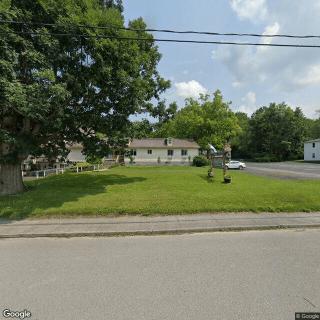
400 Fairview Heights Road, Summersville, WV 26651
For more information about senior living options: (866) 208-4318
2.9 from 97 reviews
5 stars
34
4 stars
9
3 stars
8
2 stars
2
1 stars
44
Overall Review of Summersville Regional Medical Center
common4 reviews mention this
Cleanliness and quiet atmosphere stand out
Residents and visitors repeatedly mention a clean, well-kept setting.
Several reviewers specifically call out cleanliness, saying the facility felt clean and well kept. A few also describe the environment as quiet, including during outpatient imaging visits. Positive comments about staff professionalism appear alongside these cleanliness notes, reinforcing that the experience felt more orderly to some families than others.
caveat5 reviews mention this
Wait times and communication problems
Reviews frequently complain about slow processes and limited communication.
A recurring concern is long waits in waiting rooms and delays before care or tests happen. Some reviewers describe receiving little information about what was taking so long or what the next steps would be. There are also accounts of feeling ignored when questions were asked, including situations where no results or checkups were provided during the wait. While a smaller number of reviewers report faster turnarounds, the negative wait-and-communication theme shows up often enough to stand out.
caveat5 reviews mention this
Doctor accuracy and attentiveness vary
Many reviews express concern about diagnosis and whether doctors listen.
Some reviewers are satisfied with specific doctors and describe surgery or treatment that went well. At the same time, multiple negative reviews raise worries about misdiagnosis, missed concerns, or doctors not listening when symptoms were emphasized. There are also accounts of outcomes that reviewers connect to earlier decisions made during care, including reports of procedures being affected by what was (or was not) identified. Because both praise and strong complaints appear, residents and families seem to have very different experiences with physician communication and diagnostic confidence.
How we summarize
Counts show how many written reviews mention each theme; a review can touch several themes, and only frequently mentioned themes are displayed.
Senior drivers prioritize comfort, safety, and ease of use in vehicles due to age-related challenges, seeking features like easy entry, clear visibility, and modern driver-assistance technologies. Recommended models include the Subaru Forester, Honda CR-V, and Toyota Camry, with emphasis on test-driving for personal comfort and evaluating crash-test ratings alongside insurance considerations.
Private pay home care offers a flexible caregiving option for older adults and families who don't qualify for government programs, allowing them to directly fund in-home care services that range from daily assistance to specialized support. This model's customization potential enables aging in place while addressing financial considerations through strategic planning options, though clients must navigate marketplace challenges and ensure quality compliance.
Arthritis encompasses over 100 joint disorders affecting people of all ages, leading to symptoms like pain and stiffness that impair mobility and quality of life. Effective management involves early diagnosis, lifestyle changes, medical treatments, emotional support, and ongoing monitoring with healthcare professionals.
Get PricingAsk A QuestionSchedule A TourContact Senior Advisor
By clicking submit, you agree to our Partner's Terms of Use. You
also consent to receive calls and texts, which may be autodialed, from our Partner. Your consent is not a condition to
using our Partner's service. Please visit our Partner's Privacy Policy for information about their privacy practices.

 52 resident community capacity
 Skilled Nursing Facility
 Air-conditioning
 Beauty salon
 Cable or satellite TV
 Computer center
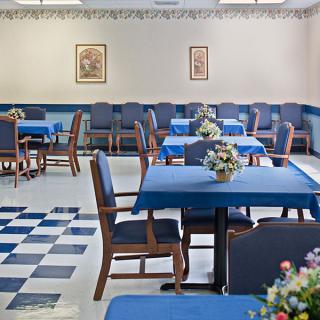
 Dining room
 Fitness room
 Fully furnished
 Gaming room
 Garden
 Housekeeping services
 Kitchenette
 Move-in coordination
 Outdoor space
 Private bathrooms
 Restaurant-style dining
 Small library
 Telephone
 Wellness center
 Wi-Fi/high-speed internet available
 Community operated transportation
 12-16 hour nursing
 24-hour call system
 Activities of daily living assistance
 Assistance with bathing
 Assistance with dressing
 Assistance with transfers
 Diabetes diet
 Medication management
 Mental wellness program
 Special dietary restrictions
 Concierge services
 Planned day trips
 Comfortable assisted-living environment with supportive services and nearby dining, worship, and healthcare.
 Top Cars for Senior Drivers and Essential Safety Innovations
 A Closer Look at Private Pay Home Care
 Comprehensive Approaches for Arthritis: A Detailed Guide to Symptoms, Causes, and Care