
189 Summers Hospital Road, Suite 300, Hinton, WV 25951
For more information about senior living options: (866) 208-4318
Overall Review of Main Street Care
Pros
 Nurses are very polite and helpful.
- They genuinely seem to care about the patient.
Cons
 They billed a patient’s credit card for a visit the patient hadn’t even made.
- They never return messages and they pull patients off their medications.
Review
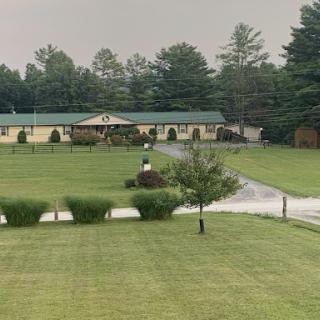
Main Street Care in Hinton, WV is best suited for seniors who value the human touch in daily care. In this setting, caregivers, especially the nursing staff, tend to be consistently courteous, attentive, and genuinely invested in residents’ well-being. Families that want a home-like atmosphere where daily routines feel calmly managed and staff members notice little needs as they arise will find real reassurance here. This is not a glossy, high-end operation; it is a practical, caregiver-centered environment that prioritizes personal connection as the foundation of daily life.
That said, several realities suggest that alternatives deserve consideration for families prioritizing administrative reliability and medication safety. The most acute concerns revolve around billing accuracy and the responsiveness of communication systems. When bills arrive with errors or unexpected charges appear, trust erodes and planning becomes painful. Equally important is the handling of medications; reports of delayed responses or abrupt med changes without clear oversight create safety risks. For families who require dependable billing processes, clear and timely updates, and stringent medication management, it is prudent to explore other options.
On the upside, the core strength lies in the caregiving culture. Nurses are described as polite, helpful, and genuinely concerned for residents, and that dependable warmth translates into meaningful daily support. This attitude manifests in reliable bedside care, responsive assistance with routines, and a reassuring presence during ordinary days and difficult moments alike. When a crisis arises or a simple ask emerges, the staff’s calm competence stands out, offering a tangible sense of security that can greatly improve life quality in a setting that favors close, personal attention.
However, the main drawbacks are not minor inconveniences; they reflect structural gaps that persist if left unaddressed. Billing mix-ups place financial pressure on families and demand active, ongoing review. Communication lapses, messages not returning or updates getting dropped, leave care decisions hanging and erode confidence in the care partnership. Most troubling are reports of medication adjustments made without consistent oversight, a scenario that can compromise safety and create avoidable risk for residents. In a setting where medication accuracy and timely information are essential, these flaws are substantial and recurring.
The favorable caregiving core can offset these weaknesses only if robust safeguards are in place. For families able to appoint a proactive liaison or care coordinator, and to insist on transparent, documented billing practices plus clear med distribution policies, the positives of compassionate daily care can still shine through. This requires active involvement: insist on written billing procedures, rapid acknowledgement of inquiries, and a structured medication administration protocol with regular reconciliation. Without that level of vigilance, the congruence between warmth and reliability frays, and the overall experience can feel uneven.
Bottom line: Main Street Care serves well those who prize genuine caregiver warmth and steady, day-to-day support and are prepared to supervise administrative and safety elements closely. For anyone whose decision hinges on flawless billing accuracy, absolute reliability in communications, and unambiguous medication management, it is wise to consider alternatives. Prospective families should schedule a thorough tour, request meetings with the administrator and head nurse, review recent state inspections, and demand written policies on billing, med distribution, and daily care routines. With clearly defined expectations and active oversight, this community can deliver meaningful, compassionate care while mitigating the dominant concerns that have surfaced in reviews.
 34 resident community capacity
 Skilled Nursing Facility
 Beauty salon
 Cable or satellite TV
 Dining room
 Fully furnished
 Garden
 Housekeeping services
 Kitchenette
 Move-in coordination
 Outdoor space
 Restaurant-style dining
 Small library
 Telephone
 Wi-Fi/high-speed internet available
 24-hour call system
 Activities of daily living assistance
 Assistance with bathing
 Assistance with dressing
 Assistance with transfers
 Diabetes diet
 Medication management
 Mental wellness program
 Special dietary restrictions





 Top Canine Companions for Older Adults
 Comprehensive Guide to Blood Pressure Charts for Older Adults: Understanding Normal and High Readings by Age
 Financing Long-Term Nursing Home Care Through Social Security: A Thorough Exploration