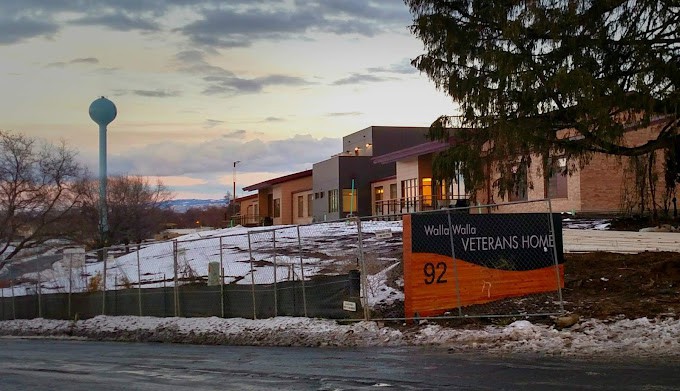
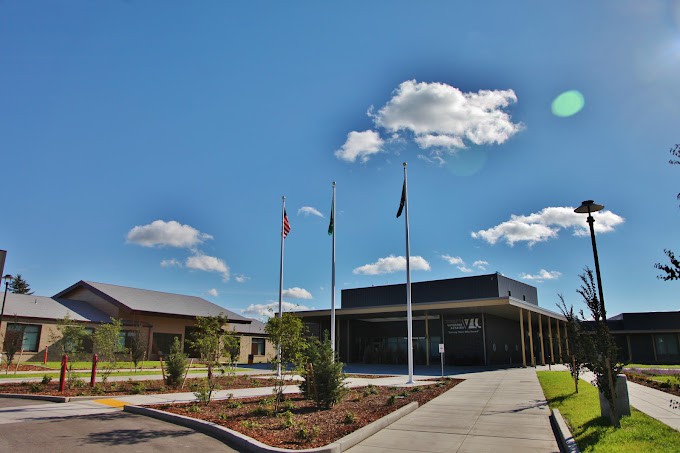
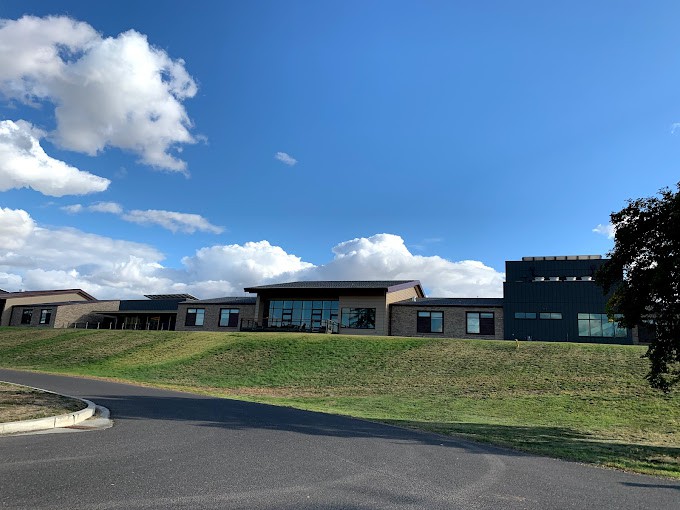
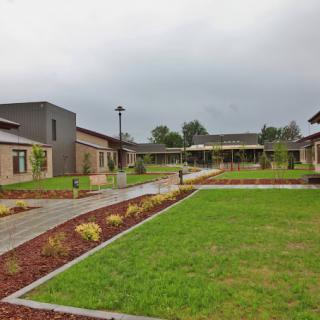
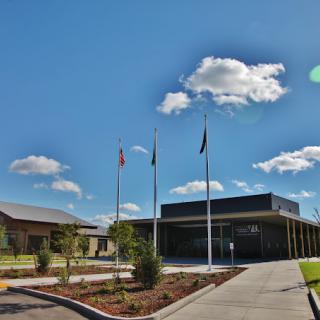

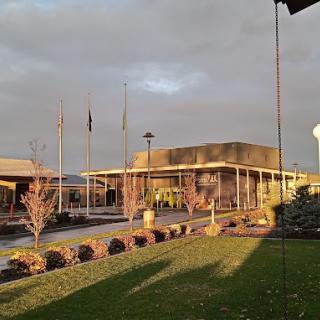

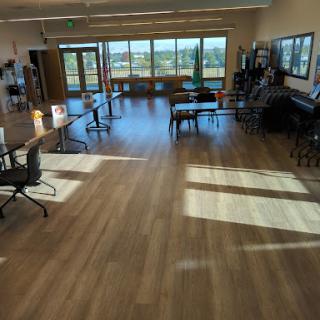
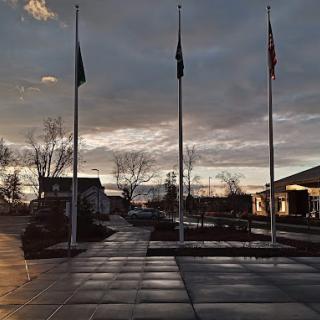
92 Wainwright Drive, Walla Walla, WA 99362
For more information about senior living options: (866) 208-4318
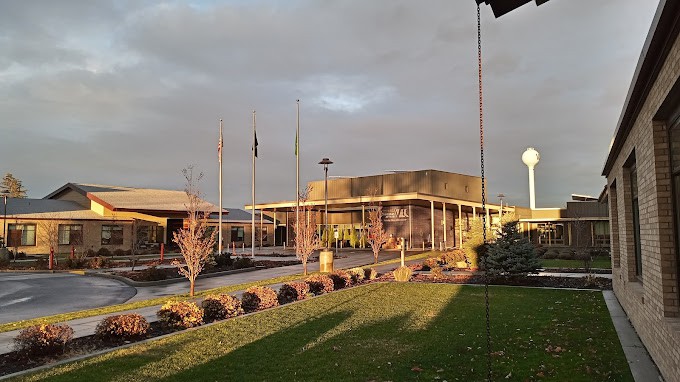
Overall Review of Washington State Walla Walla Veterans Home
Pros
 They have been there for two months and regard it as absolutely the best in the state.
- The facility is amazing and the staff deliver superior hospitality.
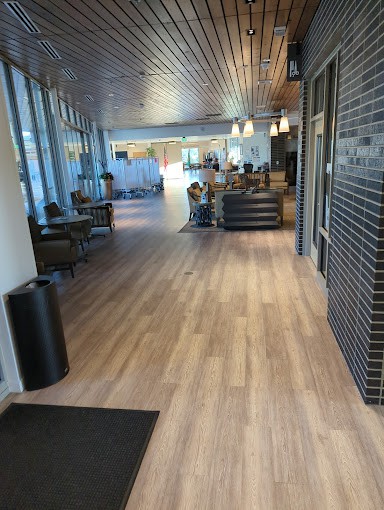
- It is a top-flight facility.
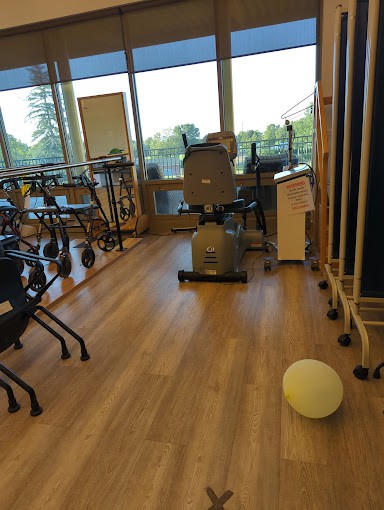
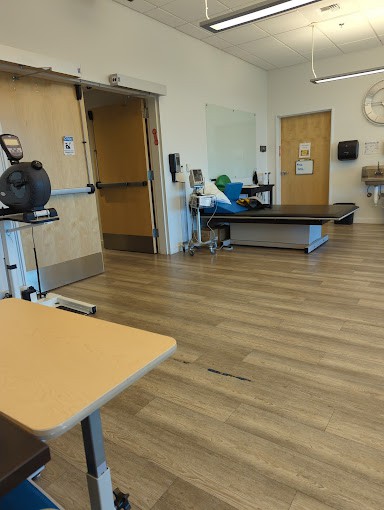
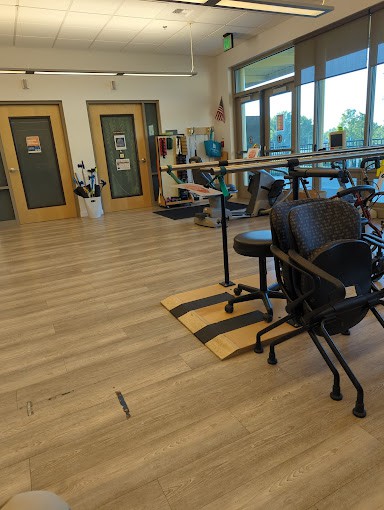
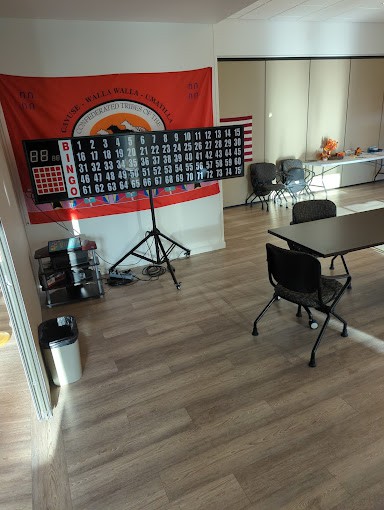
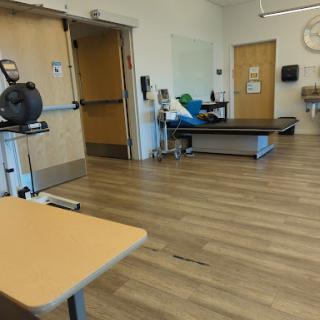
- It is a fantastic place for veterans to live, with nursing care, therapy, and activities.
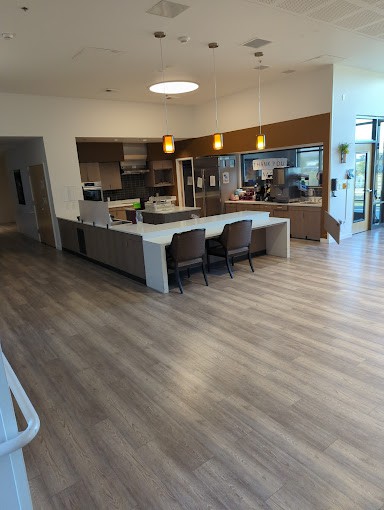
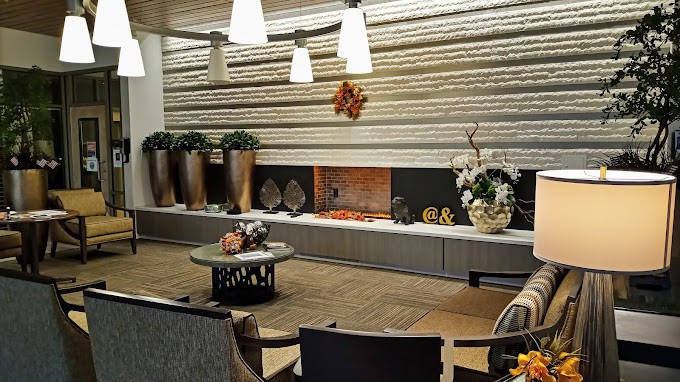
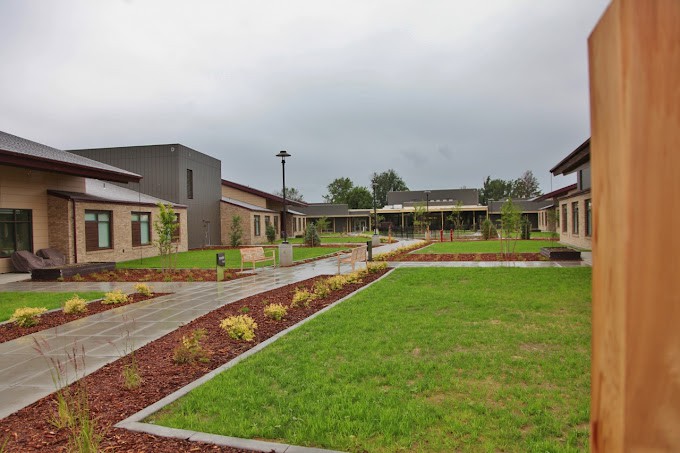
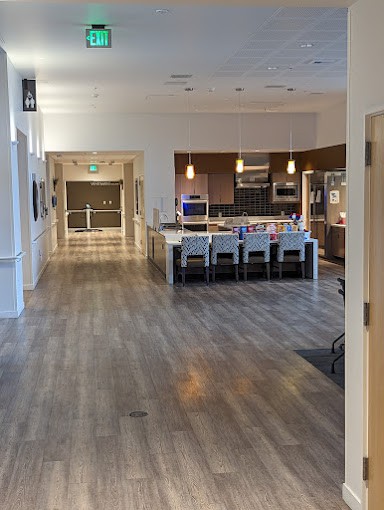
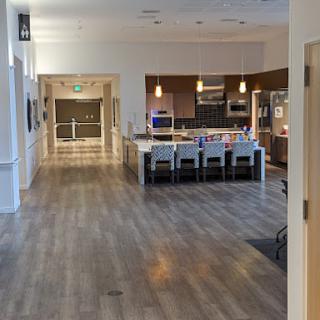
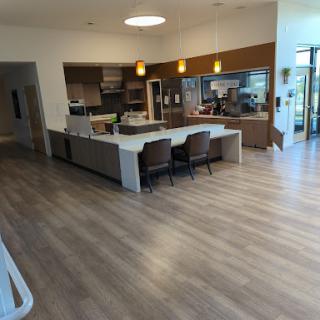
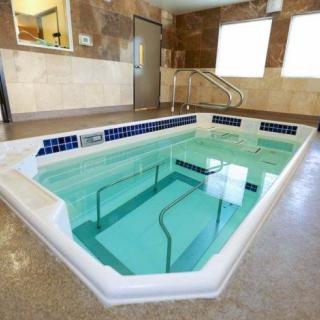
- The layout is community-based, with houses that include kitchens and accessible baths.
- WW Veterans Salon welcomes all and supports veterans with every appointment.
- Each haircut at WW Veterans Salon helps give back to veterans and honors their service.
Review
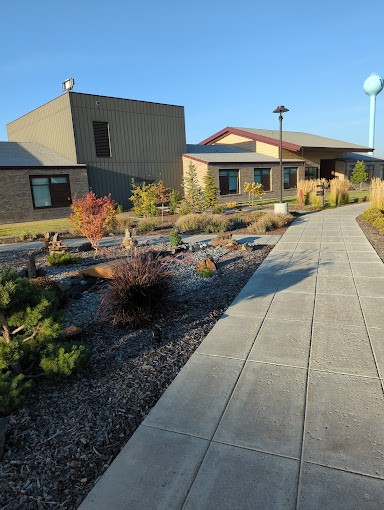
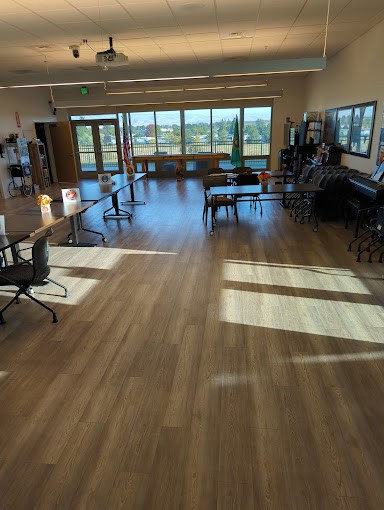
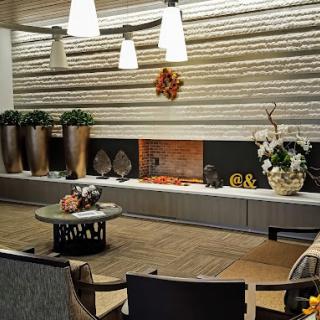
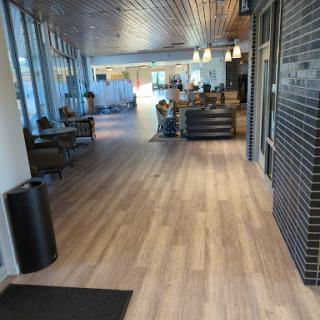
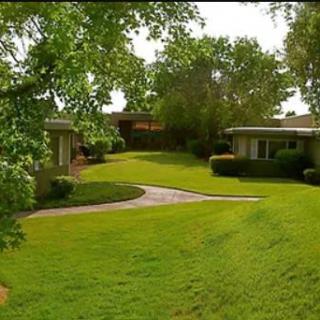
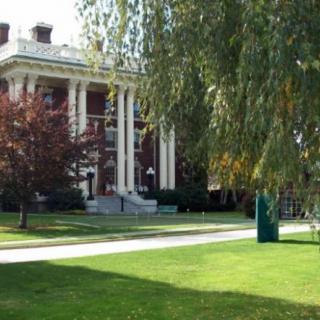
This community is best suited for veterans and their families who want a purpose-built living environment that blends nursing care, rehabilitation services, and active social life into a single, cohesive campus. The Walla Walla Veterans Home uses a house-based layout with kitchens in each unit, accessible bathrooms and lifts, and a central, large bath that supports mobility and safety. For veterans who value continuity of community, routine, and meaningful engagement, this setting provides a compelling combination of care and camaraderie, with therapy, activities, and nursing care woven into daily life.
Those who may want to consider alternatives include residents who are not eligible for veteran benefits or who require memory-care programs that extend beyond the facility’s established nursing-care model. Families seeking more urban amenities, a different cultural atmosphere, or a setup with less emphasis on a shared, village-like structure may find other communities more aligned with their preferences. Additionally, households prioritizing very private, roommateless living arrangements or highly specialized clinical services beyond standard nursing care might explore options that focus more narrowly on those niches.
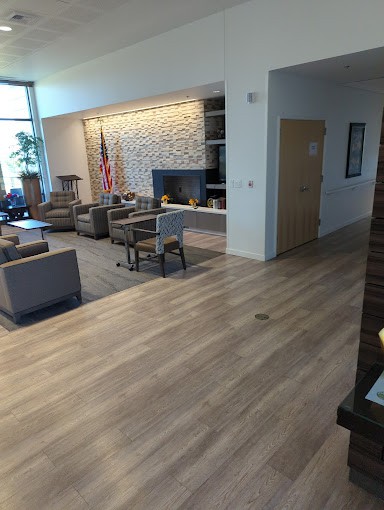
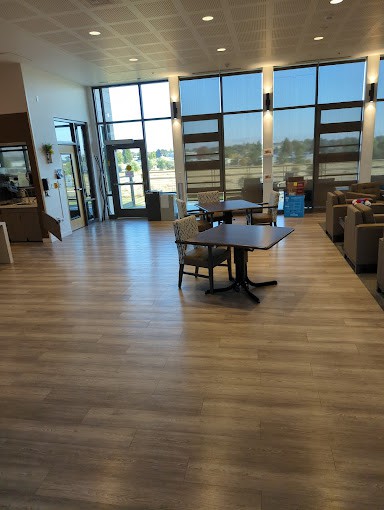
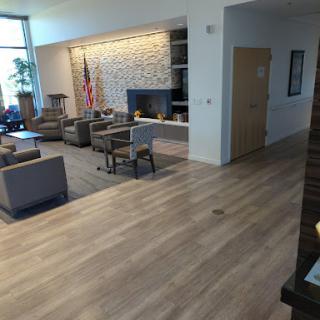
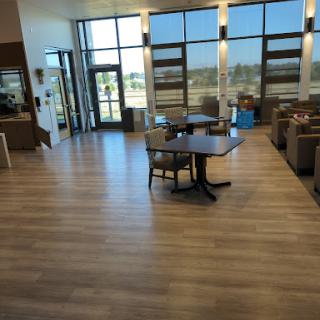
The strongest positives here are hard to overlook and they meaningfully offset potential downsides. The facility’s overall quality comes through in every corner: the campus feels specially designed for sustained caregiving, with a staff that delivers attentive hospitality and a professional standard of service. The house-by-house design creates intimate, home-like environments that reduce the sense of institutional life, while still delivering comprehensive nursing and therapy. Equitable rooms with built-in accessibility features, like lifts, and conveniently placed, modern bathrooms make daily living safer and more dignified. The emphasis on community extends beyond care plans into daily rhythm and social opportunity, a practical advantage for mood, motivation, and overall resilience.
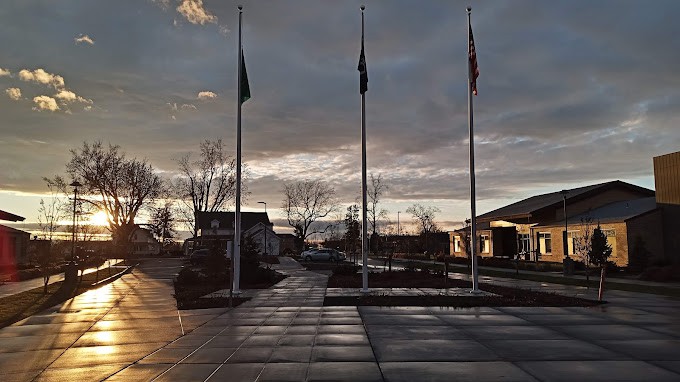
Another substantial upside is the veteran-centered culture that permeates the campus. The on-site salon and the broader commitment to supporting veterans reinforce a legacy of service, fostering social connection, purpose, and mutual support. Programs and activities are not afterthoughts but integral components of the living experience, helping residents stay engaged, educated, and connected to a wider veteran network. The result is a living environment where residents are more likely to participate actively in their care, maintain mobility, and sustain meaningful routines, rather than feeling isolated in a generic institutional setting.
Even in the absence of clearly stated drawbacks in the reviews, prudent decision-making confronts potential trade-offs head-on. If memory care needs or high-acuity medical requirements evolve, families should verify the scope of clinical services and plan transitions accordingly, because any community’s capacity has practical limits. The campus’s strength, its communal focus and home-like design, can offset concerns about privacy or autonomy by delivering consistent support embedded in daily life. For families where independence and social engagement are paramount, these factors tend to tilt the balance decisively in favor of the WW Veterans Home, whereas those seeking more private, non-veteran-centric living or highly specialized memory-care ecosystems may prefer alternatives.
In the end, the decisive question is a matter of alignment with values and needs: a veteran-focused, care-forward community that blends nursing, therapy, and vibrant social life within a thoughtfully designed, house-based setting tends to be the strongest match for those who prize service-oriented culture and integrated care. Prospective residents or their families should begin with a focused eligibility review, schedule on-site visits, and speak directly with care coordinators about the level of rehab and daily assistance available. If the priority is meaningful engagement for a veteran, reliable on-site care, and a campus that reinforces purpose through community, this option stands out as the clear starting point.
 80 resident community capacity
 Skilled Nursing Facility
 Air-conditioning
 Beauty salon
 Cable or satellite TV
 Computer center
 Dining room
 Fitness room
 Fully furnished
 Gaming room
 Garden
 Housekeeping services
 Kitchenette
 Move-in coordination
 Outdoor space
 Private bathrooms
 Restaurant-style dining
 Small library
 Telephone
 Wellness center
 Wi-Fi/high-speed internet available
 Community operated transportation
 12-16 hour nursing
 24-hour call system
 Activities of daily living assistance
 Assistance with bathing
 Assistance with dressing
 Assistance with transfers
 Diabetes diet
 Medication management
 Mental wellness program
 Special dietary restrictions
 Concierge services
 Planned day trips
 Understanding Home Health Care: A Comprehensive Guide
 Home Health Care Demystified: A Comprehensive Guide for Families and Caregivers
 Seniors and Modern Transportation: Exploring Uber, Lyft, and Other Ride-Hailing Options