Overall Review of Talbot Center For Rehab & Healthcare
common15 reviews mention this
Staff compassion stands out
Residents and families repeatedly describe respectful, compassionate care from the team.
Many reviewers highlight how staff treat residents with dignity and respect, and they credit specific nurses, CNAs, therapists, dietary team members, and office staff for making visits and recovery feel supportive. Several also mention clear communication during care or transitions, and they describe the facility as clean and well-run. A few more critical reviews do raise serious concerns about how some staff handle care and follow through, but the overall pattern in the feedback is focused on caring day-to-day support.
differentiator7 reviews mention this
Therapy is a recovery highlight
Physical and occupational therapy comes through as a major reason families feel confident in rehab progress.
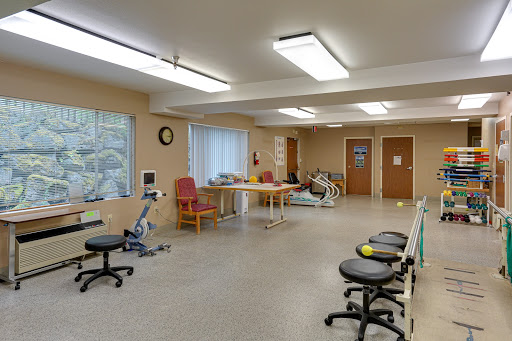
Multiple reviewers call out therapy teams as the highlight of the stay, describing encouragement, patience, and hands-on help that supports regaining strength and confidence. Several also describe occupational therapy and physical therapy working together to move residents toward being able to go home and manage more independently. The structured services for skilled nursing and the on-site support described in amenities align with what families emphasize: therapy and nursing teams are central to the experience.
common4 reviews mention this
Activities keep residents engaged
Residents describe daily activities that keep them engaged and make the stay feel less routine.
Reviewers mention activities as a bright spot, including group events and resident-friendly programming that feels fun and engaging. Several specifically reference organized activity leadership and note that activities like bingo and painting help pass the time. The community also offers concierge services, fitness programming, and scheduled daily activities, which matches the way residents talk about having things to do during the day.
caveat5 reviews mention this
Food quality is mixed
Food is a recurring point of disagreement, with some calling it fine while others report issues.
Some reviewers say the food was good or fine and that meals fit their loved one’s needs, while others describe the food as cold or not the greatest. At least one review ties food comments to a broader concern about consistency in daily care and follow-through. The community offers restaurant-style dining, and it also lists special-diet dining support, but the feedback shows that the experience can vary from one person to the next.
caveat3 reviews mention this
Communication and access can be hard
Families report frustration when it’s difficult to reach the right person by phone or get timely updates.
Several reviews praise clear, helpful communication during admissions, scheduling, and discharge planning, with staff described as responsive and supportive. Others report problems contacting the facility, including long waits on hold and difficulty getting through to speak with a nurse or a resident. Together, the feedback suggests communication is strongest when staff are directly engaged for a specific process, but it can break down when families are trying to get quick answers.
How we summarize
Counts show how many written reviews mention each theme; a review can touch several themes, and only frequently mentioned themes are displayed.
Features
Housing
136 resident community capacity
Types of Care
Skilled Nursing Facility
Amenities
Air-conditioning
Beauty salon
Cable or satellite TV
Computer center
Dining room
Fitness room
Fully furnished
Gaming room
Garden
Housekeeping services
Kitchenette
Move-in coordination
Outdoor space
Private bathrooms
Restaurant-style dining
Small library
Telephone
Wellness center
Wi-Fi/high-speed internet available
Transportation
Seattle-Tacoma International (5 miles away)
Community operated transportation
Transportation arrangement
Transportation arrangement (non-medical)
Transportation to doctors appointments
Care Services
12-16 hour nursing
24-hour call system
24-hour supervision
Activities of daily living assistance
Assistance with bathing
Assistance with dressing
Assistance with transfers
Diabetes diet
Meal preparation and service
Medication management
Mental wellness program
Special dietary restrictions
Dining
Diabetes diet
Special dietary restrictions
Activities
Community-sponsored activities
Concierge services
Fitness programs
Planned day trips
Resident-run activities
Scheduled daily activities
Nearby Places of Interest
Physicians
Northwest Foot And Ankle Center, PS (0.1 miles)
Kent Eye Clinic (1 miles)
Valley Medical Center, Rehab Services Pt Ot Therapy (1.1 miles)
King LASIK (2.1 miles)
Valley Medical Center - Fairwood Clinic (3 miles)
Kosnoski Eye Care (3.6 miles)
Legacy Medical Aesthetics (6 miles)
Pharmacies
Fred Meyer Pharmacy (0.6 miles)
Rite Aid (2.7 miles)
Bartell Drugs (2.8 miles)
Walgreens (2.8 miles)
CVS Pharmacy (4 miles)
Walgreens (4 miles)
A&H Pharmaceutical Service (4.2 miles)
Cafes
Starbucks (0.7 miles)
Dutch Bros Coffee (2.3 miles)
Starbucks (2.4 miles)
Starbucks (4 miles)
Floret (4.2 miles)
Starbucks (6.6 miles)
Starbucks (8.1 miles)
Restaurants
Aliberto's Jr Fresh Mexican Food (0.7 miles)
Uwajimaya (2.1 miles)
Azteca Mexican Restaurants (2.4 miles)
IHOP (2.4 miles)
Moctezuma's Mexican Restaurant & Tequila Bar (2.5 miles)
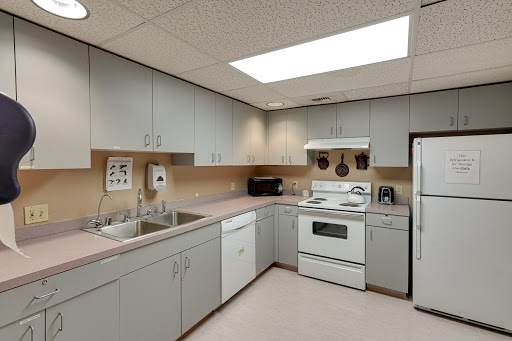
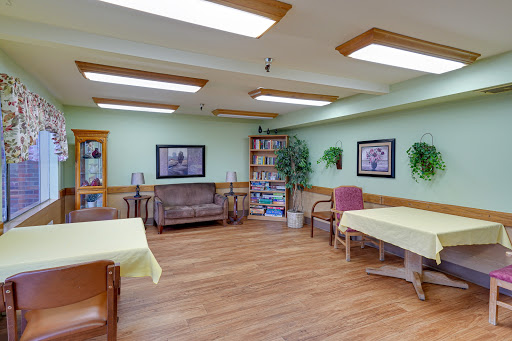
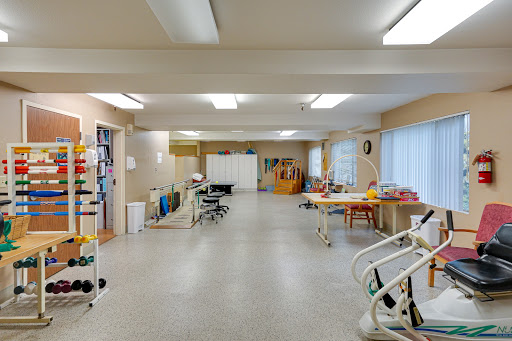
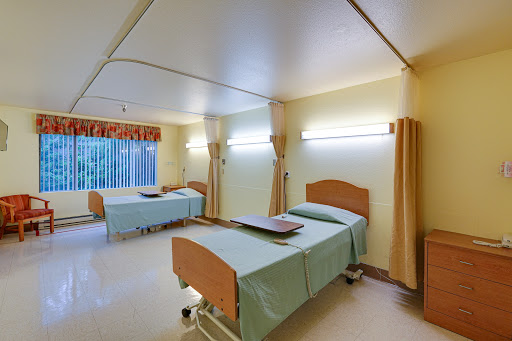
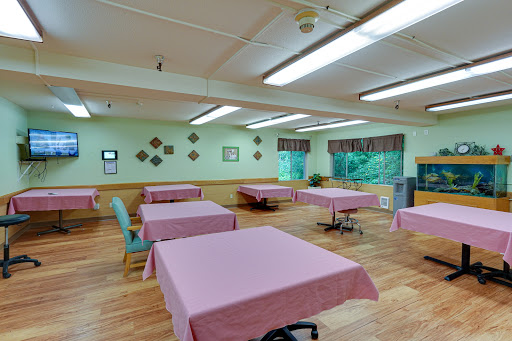
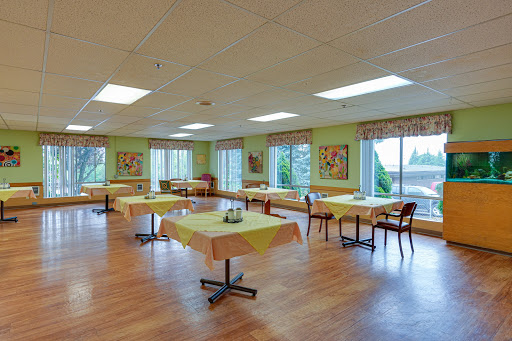
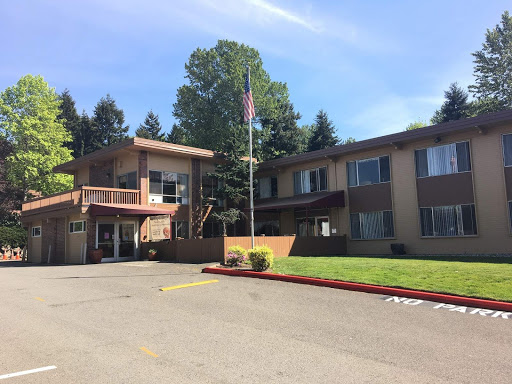
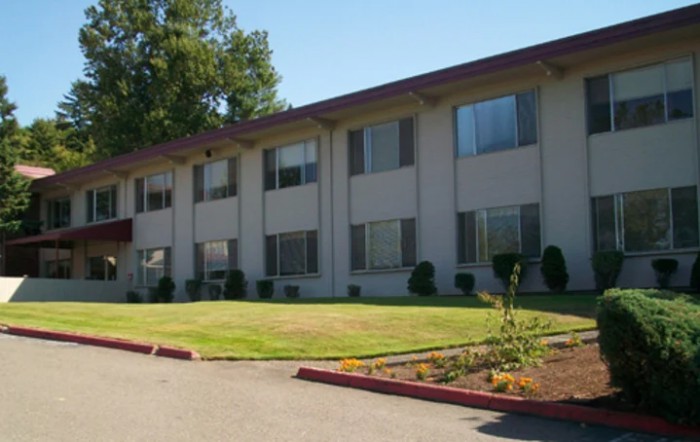
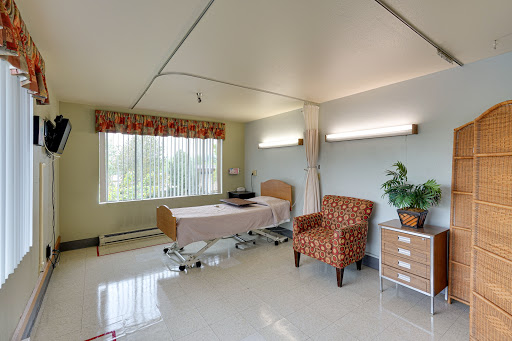
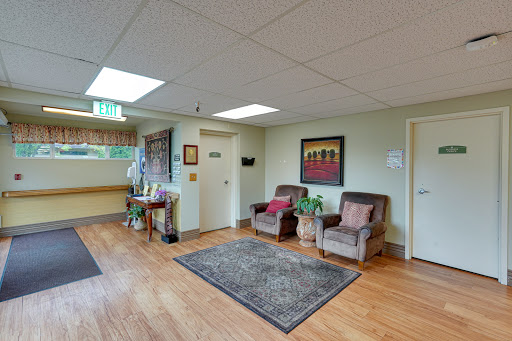
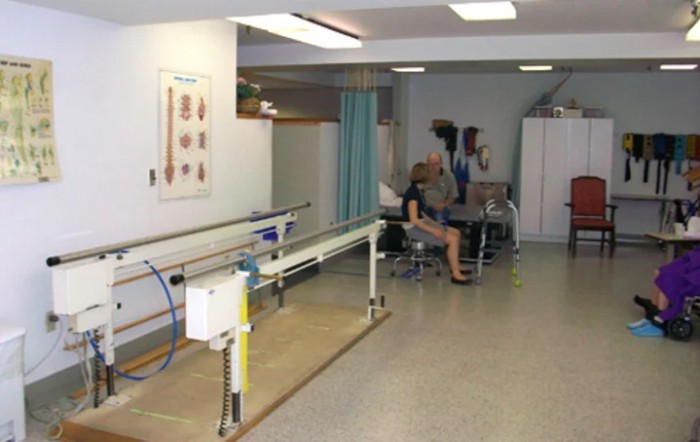
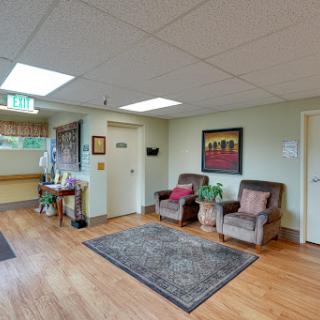
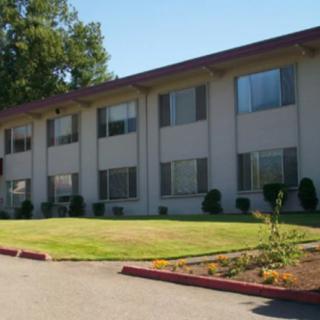
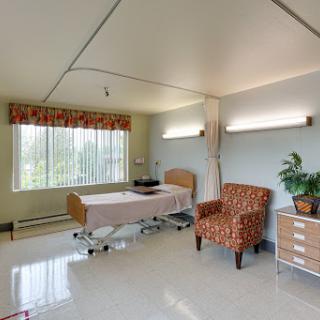
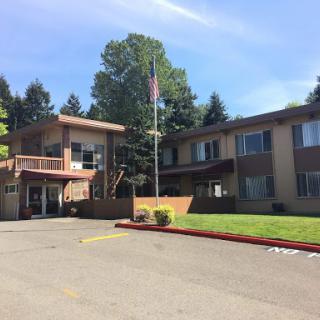
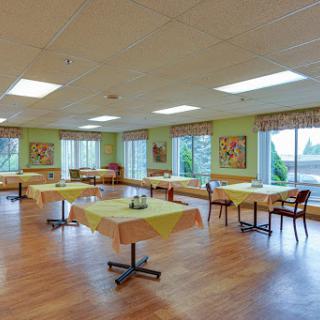
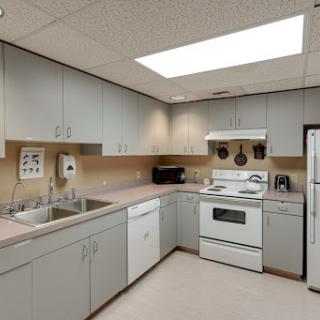
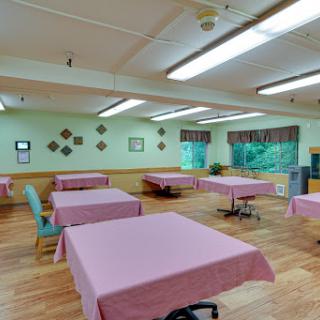
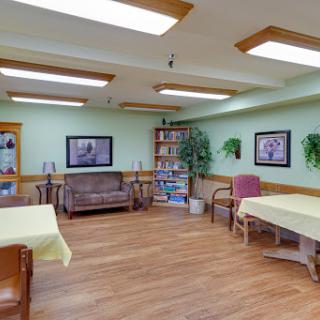
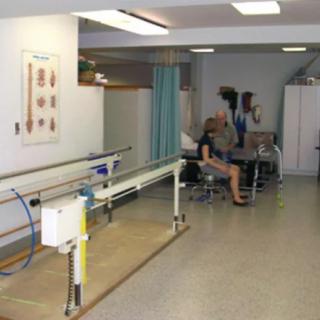
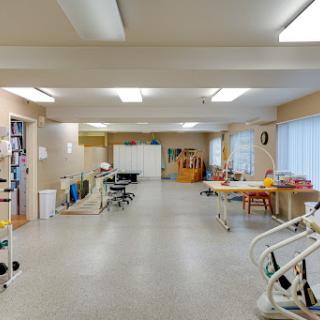
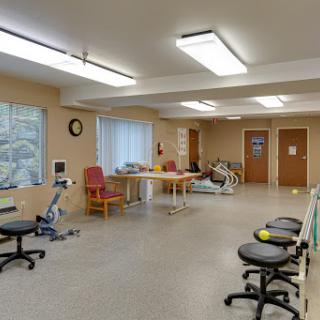
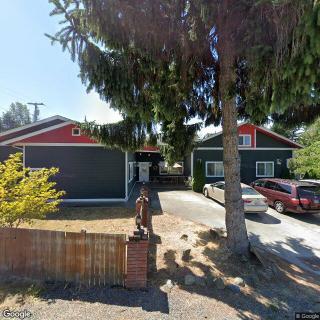
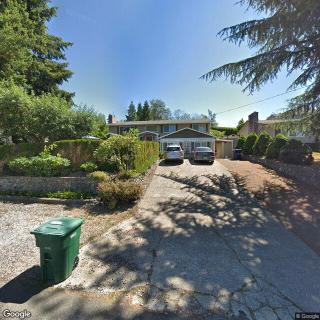
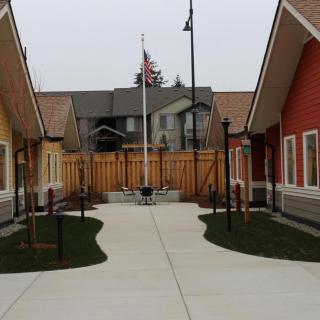
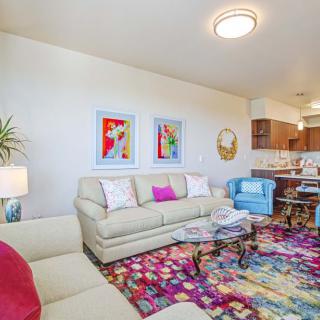
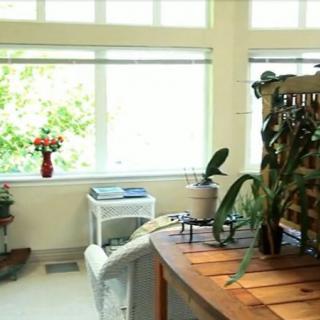
Talbot Center For Rehab & Healthcare on seniors.fyi includes 13 photos including images showing interior, windows, lighting, healthcare, seating, building, trees, physical therapy, and more.
Nearby Communities
Weatherly Inn Renton (Opening Spring 2023)
Renton, WA
5 from 33 reviews
Comprehensive care options with memory care and modern amenities, plus restaurant-style dining.
Chateau At Valley Center Retirement Community
Renton, WA
4.8 from 56 reviews
Broad care options (Independent, Assisted, Memory, Respite) with 24/7 safety and wellness amenities.
Chateau at Valley Center
Renton, WA
4.6 from 56 reviews
$1,945 to $5,090 / month
Caring staff in a clean, well-maintained setting with good dining.
Valley Family Medicine
Renton, WA
2.5 from 51 reviews
Near abundant amenities (cafes, parks, pharmacies, restaurants, transit, worship, theater) in a vibrant Renton neighborhood.
Valley Home Care
Renton, WA
5 from 13 reviews
$3,500 / month
Private rooms with private bathrooms and affordable pricing compared to local averages, plus on-site activities and services.
Golden Home Care
Renton, WA
5 from 7 reviews
$3,000 / month
Affordable memory care with private rooms in a peaceful Renton setting.
The Cottages of Renton
Renton, WA
3.8 from 19 reviews
$4,700 to $5,200 / month
Engaged residents with encouraging staff, plus strong family communication and COVID protocols.
Merrill Gardens at Renton Centre
Renton, WA
4.6 from 112 reviews
$2,495 to $5,475 / month
Caring, attentive staff with quality dining and a lively, clean community.
The Lakeshore
Seattle, WA
4.5 from 109 reviews
$3,470 to $6,305 / month
Beautiful lake views with well-maintained grounds, friendly staff, and engaging activities.
The article explores the complexities of using Social Security to finance long-term nursing home care in the U.S., detailing eligibility requirements and misconceptions, while emphasizing that these benefits often do not cover full costs and highlighting the need for strategic financial planning and professional guidance.
Pneumonia significantly affects older adults due to weakened immune systems and atypical symptoms that complicate diagnosis, necessitating early detection and tailored treatment. Risk factors include chronic diseases and cognitive impairments, with preventive measures like vaccinations and healthy lifestyles being crucial for reducing risk.
Palliative care enhances the quality of life for seriously ill patients by providing comprehensive support at home through a multidisciplinary team, addressing various needs and prioritizing comfort over curative treatments. While it offers personalized care and involves family in decision-making, challenges like caregiver stress and logistical issues persist, with growing demand prompting advancements in technology and healthcare policies to improve access.
Kitchen, Appliances, Stove, Dishwasher, and Cooking
Lighting
Outdoor, Flag, Parking, and Grass
Exercise Equipment, Rehabilitation, Physical Therapy, and Therapy Room
Seating
Healthcare
Open Space
Get PricingAsk A QuestionSchedule A TourContact Senior Advisor
By clicking submit, you agree to our Partner's Terms of Use. You
also consent to receive calls and texts, which may be autodialed, from our Partner. Your consent is not a condition to
using our Partner's service. Please visit our Partner's Privacy Policy for information about their privacy practices.



 136 resident community capacity
 Skilled Nursing Facility
 Air-conditioning
 Beauty salon
 Cable or satellite TV
 Computer center
 Dining room
 Fitness room
 Fully furnished
 Gaming room
 Garden
 Housekeeping services
 Kitchenette
 Move-in coordination
 Outdoor space
 Private bathrooms
 Restaurant-style dining
 Small library
 Telephone
 Wellness center
 Wi-Fi/high-speed internet available
 Seattle-Tacoma International (5 miles away)
 Community operated transportation
 12-16 hour nursing
 24-hour call system
 Activities of daily living assistance
 Assistance with bathing
 Assistance with dressing
 Assistance with transfers
 Diabetes diet
 Medication management
 Mental wellness program
 Special dietary restrictions
 Concierge services
 Planned day trips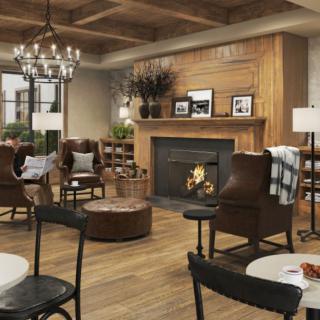
 Comprehensive care options with memory care and modern amenities, plus restaurant-style dining.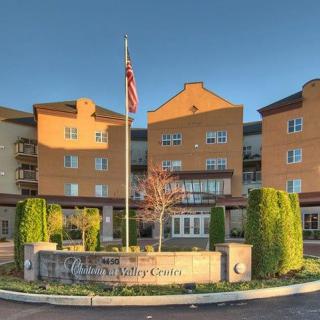
 Financing Long-Term Nursing Home Care Through Social Security: A Thorough Exploration
 Essential Knowledge on Pneumonia in Older Adults
 Exploring Palliative Care in the Home: A Comprehensive Overview