Lynnwood Post Acute Rehabilitation Center

Save

  • Interior

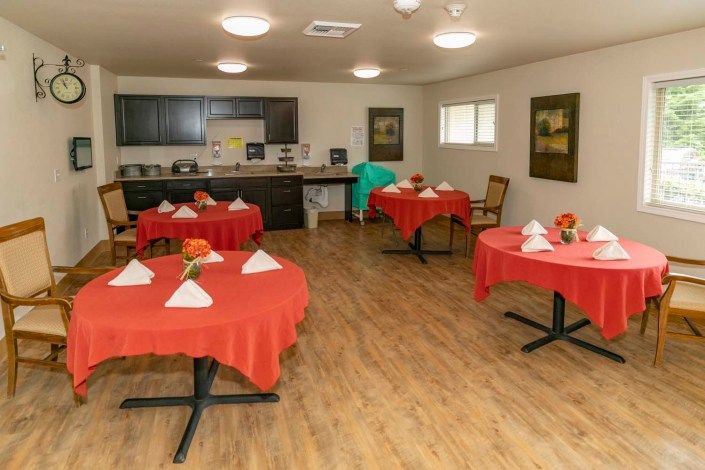
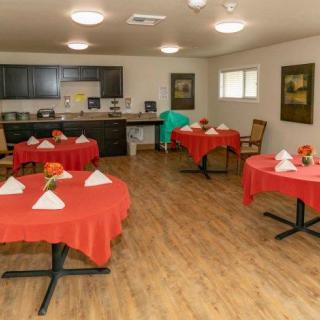
    A neatly arranged dining room with red tablecloths and napkins, ready for guests.
  • Living Room

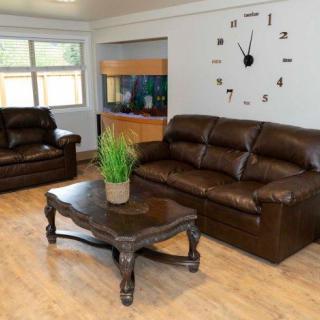
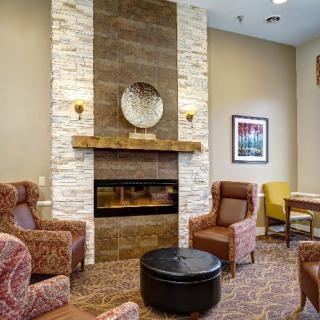
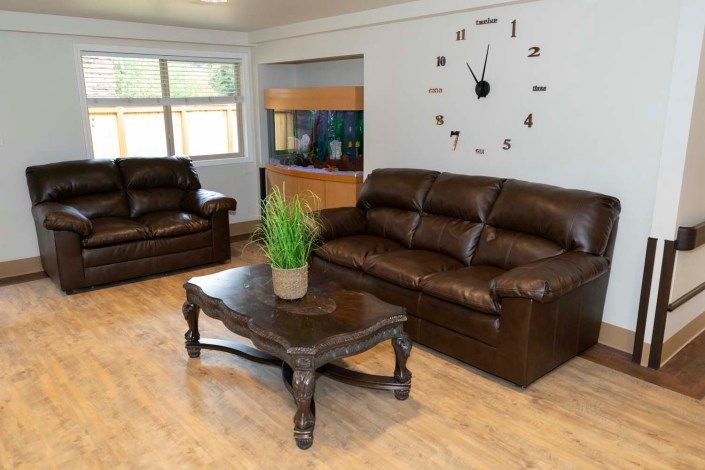
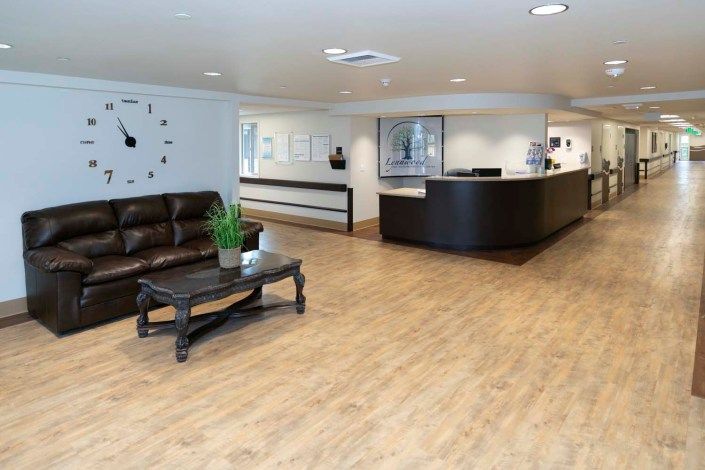
    A cozy living room with leather sofas, a coffee table, and a large wall clock.
  • Building

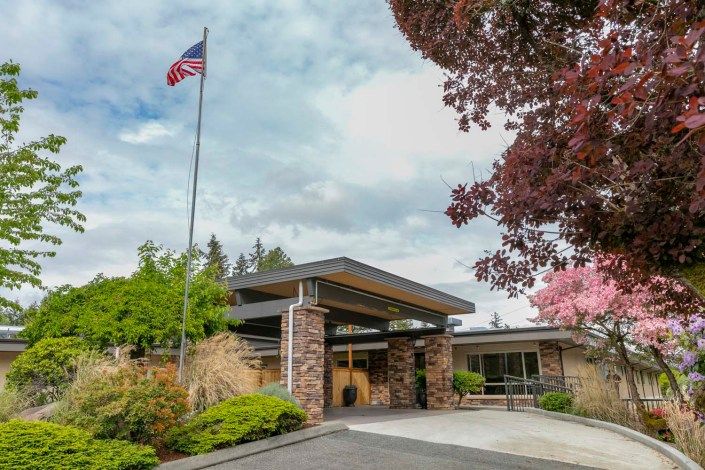
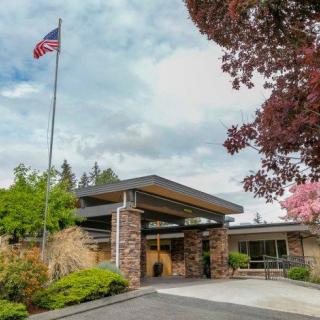
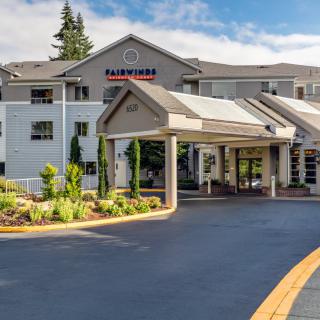
    A building entrance with an American flag in the foreground surrounded by trees.
  • Architecture

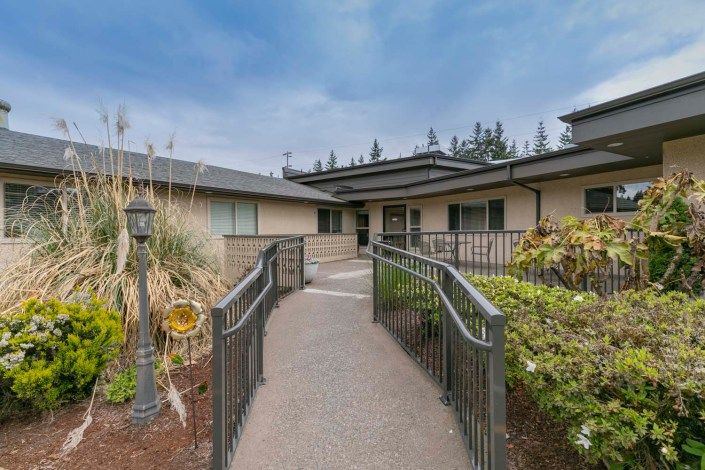
    A modern house with a landscaped pathway leading to the entrance.
  • Trees

    Aerial view of a building complex with a parking lot and surrounding trees.
  • Windows

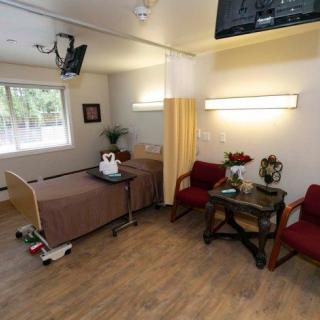
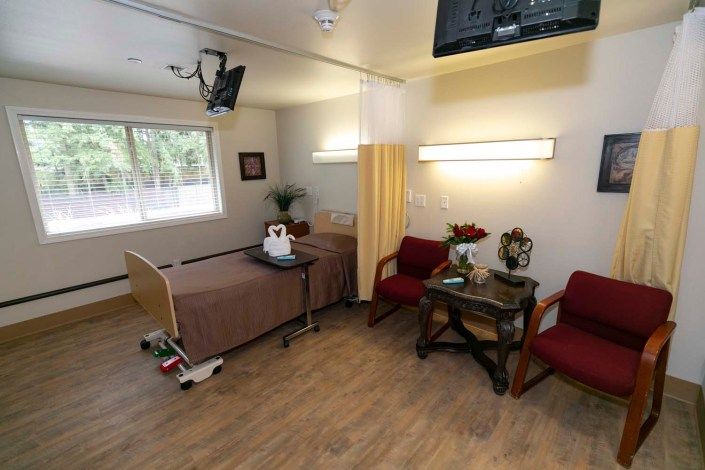
    A hospital room with a patient bed, seating area, and TV.
  • Landscaping

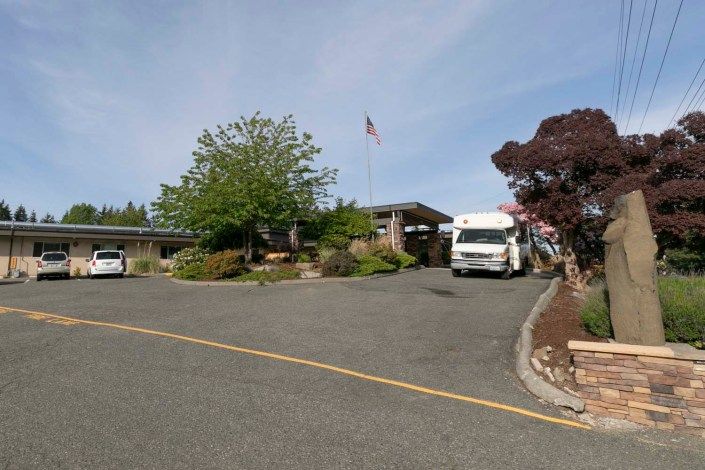
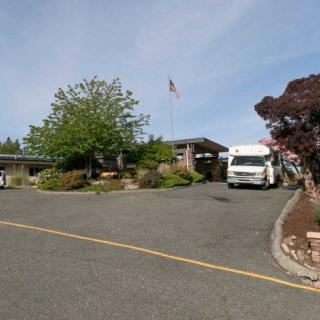
    A parking lot with an RV parked near a building, surrounded by trees and a flagpole.
  • Kitchen

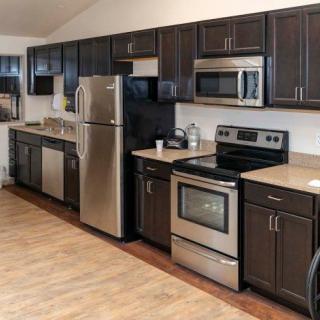
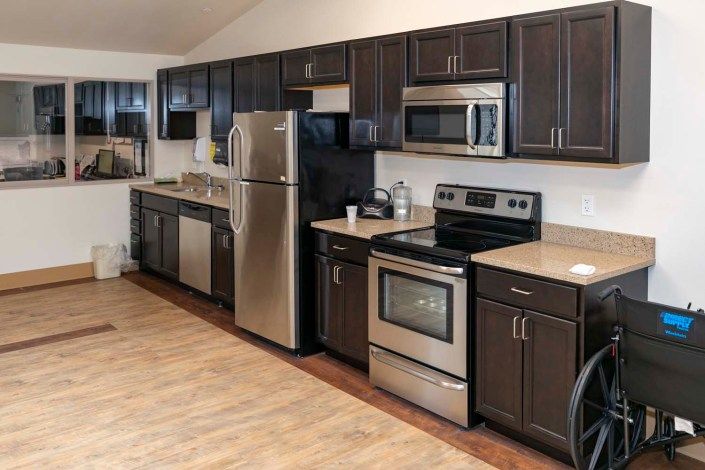
    Modern kitchen with stainless steel appliances and dark wood cabinets.
  • Bathroom

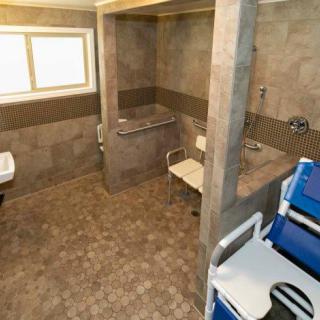
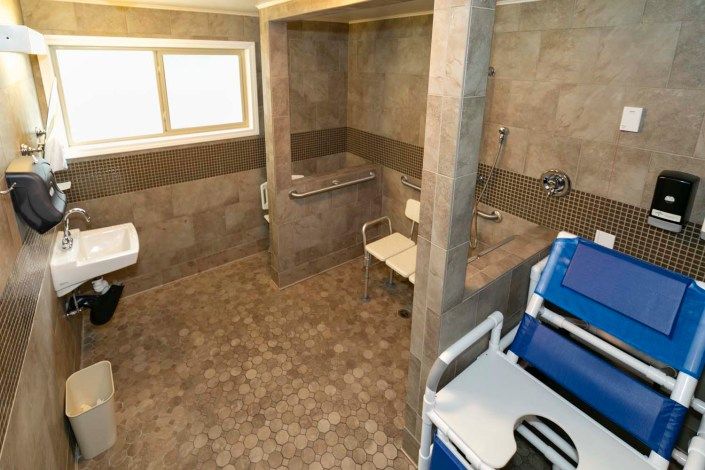
    A spacious, wheelchair-accessible bathroom equipped with handrails and a shower chair.
  • Lobby

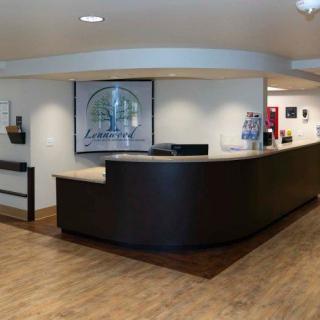
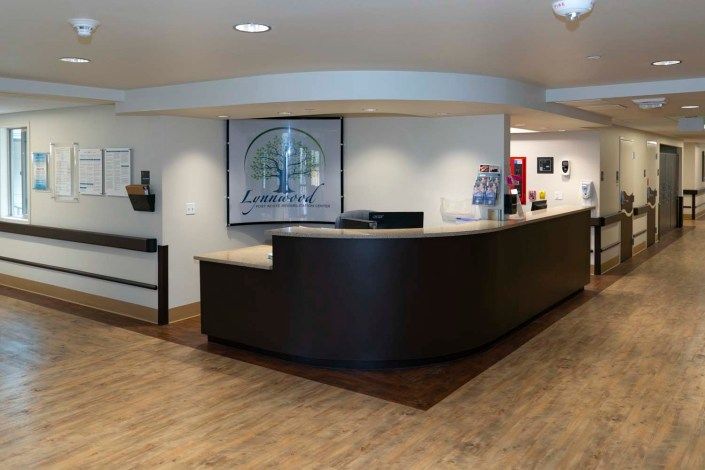
    A modern reception desk in an office lobby setting.
  • Exercise Equipment

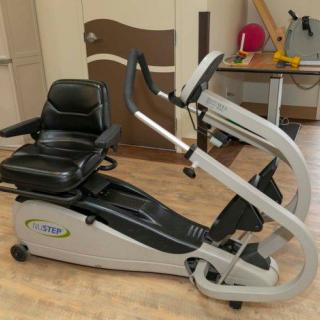
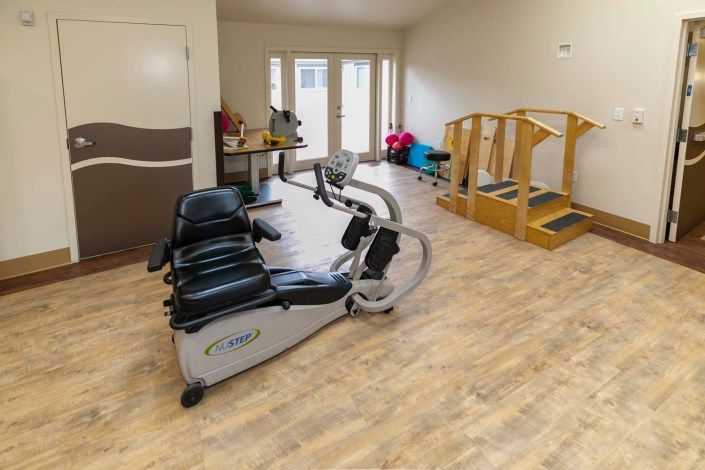
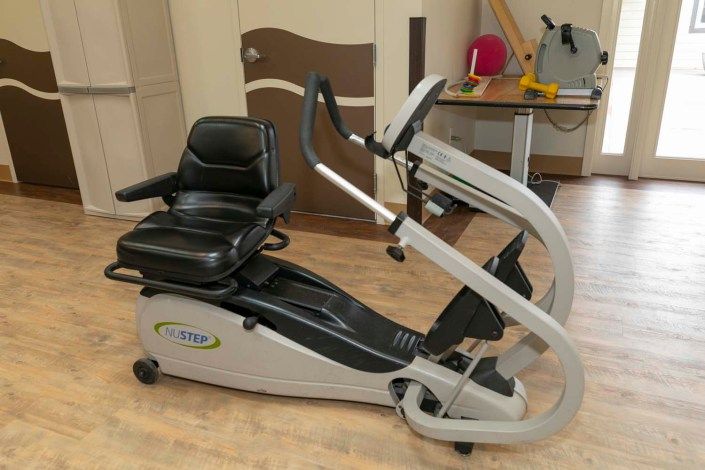
    A seated exercise machine designed for cardio workouts, featuring pedals and handlebars.
  • Office

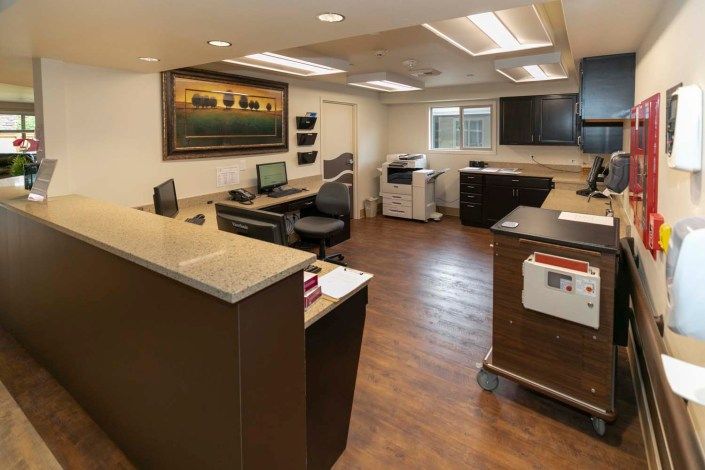
    A modern office reception area with desks, computers, and a printer.
  • Healthcare

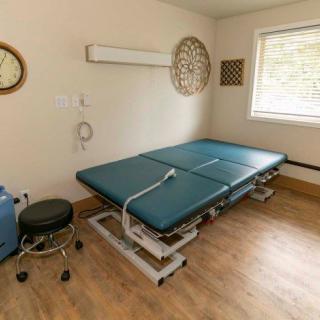
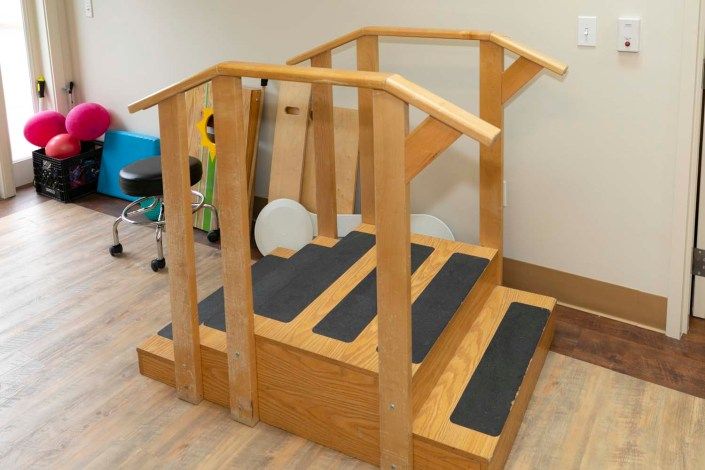
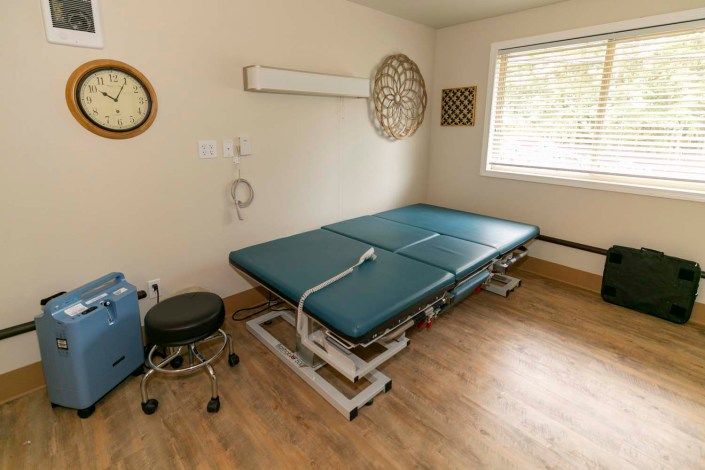
    A treatment room with a medical examination table and stool.
  • Reception Area

    A modern reception area with a sleek desk and comfortable seating.

Lynnwood Post Acute Rehabilitation Center

5821 188Th Southwest, Lynnwood, WA 98037

For more information about senior living options: (844) 490-3973

3.9 from 47 reviews
5 stars
30
4 stars
4
3 stars
0
2 stars
2
1 stars
11

Skilled Nursing Facility

Overall Review of Lynnwood Post Acute Rehabilitation Center

Pros

  • pro Lynnwood Post Acute has a team of excellent caregivers and very responsive administration.
  • pro The facility is bright, clean, and welcoming.
  • pro The staff truly care about their patients.
  • pro The PT and OT staff are wonderful and help residents get back on their feet.
  • pro The facility offers many activities and supports safe transitions home.
  • pro Kamil, Corona, and Raquel are praised for making the place rock.
  • pro The staff are amazing, friendly, and quick to respond.
  • pro The room is clean and quiet, contributing to a positive environment.

Cons

  • pro The reviewer states that progress reports on physical therapy were never provided.
  • pro They describe communication as terrible, learning of discharge from the Memory Care facility rather than from Lynnwood Post Acute.
  • pro After speaking with the Executive Director, they are not confident that improvements will occur.
  • pro They would not choose this facility again for a family member and would not recommend it.
  • pro A staff member allegedly told a patient to defecate in bed instead of assisting to the restroom, with a 2.5-hour wait for a bedside toilet.
  • pro Patients were left in soiled garments for hours, with delays in medications and no gait belts used.
  • pro The facility is described as unsanitary, with old food on the floor, a dirty toilet rim, and a urine smell in one area.
  • pro There are concerns that high ratings may have been paid for, according to the reviewer.
  • pro A family member died after neglectful care, including hours of ignored needs, delayed emergency response, and pneumonia diagnosed only after forcing a 911 call.

Review

Lynnwood Post Acute Rehab Center elicits a broad spectrum of experiences, from heartfelt gratitude and genuine appreciation to sharp disappointment and deep frustration. Across the many voices, it's clear that some residents and families encountered compassionate, capable staff and solid rehabilitation services, while others faced troubling gaps in care, communication, and safety that left them feeling let down or endangered. The contrast isn't small: a handful of reviewers say the facility and its people truly care and perform at a high standard, while many others raise serious concerns about basic operations, hygiene, and accountability.

On the positive side, several accounts celebrate the people who made a difference. Reviewers point to individual staff members who stood out for kindness, attentiveness, and skill. Names like Kamil, Corona, and Raquel appear in one set of comments as central, uplifting figures who helped make the place "rock." A separate review highlights "an Angel of Mercy" who spent meaningful time with a patient, offering emotional support and motivation that helped him pursue recovery with renewed vigor. There are descriptions of great teamwork across therapy and nursing, with PT and OT repeatedly praised for their effectiveness, and families noting that the facility can be bright, clean, and well-organized in the eyes of visitors and tour participants. One reviewer even described the environment as a place where activities and safety protocols are in place to help residents go home safely, with department heads who are regularly available.

Even as these strengths shine through, another strand of reviews anchors itself in the experience of being in the facility on a day-to-day basis. For some families, the tour experience is reassuring: Aryana's clear answers, the comfortable-feeling layout, short-term and long-term hallways, and the presence of amenities like a movie area and board game space paint a picture of a place that is reasonably well cared-for and responsive to questions. Still, other tour-focused observations acknowledge room for improvement, noting things like not being on a busy street, reasonable parking pros and cons, and a general sense that cleanliness is "pretty good" with some caveats, such as an odor in one spot that staff might address.

Yet, a substantial portion of the feedback centers on troubling incidents and persistent problems that undermine trust. Several reviewers report serious lapses in basic care: patients waiting long periods for essential needs, such as a restroom visit, a bedside toilet, or even for medications. In one particularly distressing account, a family member recounts a bedside relief delay of more than 2.5 hours, with a request for a bedside toilet that was not met promptly. Others describe patients left in soiled garments for hours, without proper name tags on staff, and a general sense that someone needed to advocate for safety and dignity that day. There are mentions of unsanitary conditions - things like old food on the floor, a dirty toilet rim, and a lack of routine hygiene practices around blood sugar checks and disinfection - along with concerns about whether gait belts and other safety equipment are being used correctly to protect residents from falls.

Communication and discharge planning emerge as another recurrent theme. A number of reviewers recall disjointed or delayed information flows among the facility, the families, and outside care teams. In one troubling instance, a surgeon asked for progress reports on physical therapy that never materialized, leading to alarm at a follow-up appointment. In a more systemic frustration, a family learned about a discharge from the Memory Care facility rather than directly from Lynnwood Post Acute, leaving them with unanswered questions and anxiety about the plan for transitioning care. Several reviewers call for better transparency and more proactive outreach from the Executive Director and facility leadership, expressing a lack of confidence that meaningful improvements would occur without significant intervention.

The gravity of some experiences cannot be ignored. One review details a family's desperate fight over hours of neglected care during a father's stay, culminating in a pneumonia diagnosis after a period of suspected inattention and delayed action in response to evolving symptoms. The reviewer implicates negligence in the sequence of events that followed, expressing lifelong guilt and regret tied to trusting the facility with their loved one. Taken together with other accounts of slow responses, missed calls, and delayed emergency actions, this family-wide concern raises questions about whether the facility provides consistent, reliable care across all shifts and all departments.

Despite the considerable cautions raised, there are still voices of praise that hint at a more nuanced truth: many reviewers describe genuine care, responsive administration, and improvements when minds are focused on patient needs. Some note quick responses to questions and effective communication during tours or ongoing care, and several accounts emphasize that the people who work there genuinely want to do their best for residents. The facility is described repeatedly as clean and bright, with rooms that are quiet and conducive to recovery, and with PT/OT teams that help patients regain mobility and independence. It's clear that, in some cases, the care experience is transformative and deeply meaningful.

In the end, that mixture of praise and concern seems to reflect a facility at a crossroads: there are individuals who are clearly doing excellent, compassionate work and a governance or operational level that some families feel must be more rigorously accountable. The most pressing themes for potential families and residents are straightforward to articulate. Seek clarity on discharge planning and communication with outside care teams; request detailed, timely PT/OT progress notes; ask about practical hygiene and safety practices, including staffing tags, call-light responsiveness, and the use of gait belts. If possible, tour with questions about how staff are allocated during peak hours and how the facility ensures rapid response to call bells and urgent medical needs. For families with loved ones who are medically fragile, this place may offer strong rehabilitation potential in the hands of dedicated caregivers, but the experience can also hinge on the day-to-day consistency of attentive, thorough, and proactive care. The range of perspectives here makes it essential to gather as much firsthand information as possible, listen to current residents and their families, and insist on a clear plan for safety, communication, and reliable care before making a decision.

Features

Housing

  • 95 resident community capacity 95 resident community capacity

Types of Care

  • Skilled Nursing Facility Skilled Nursing FacilitySkilled Nursing Facilities are crucial for seniors as they provide round-the-clock medical care, rehabilitation services, and assistance with daily activities. These facilities ensure that seniors receive the specialized care they need to maintain their health and well-being as they age.

Amenities

  • Air-conditioning Air-conditioningAir conditioning is important for seniors as they are more vulnerable to heat-related illnesses and may have underlying health conditions that make it difficult for them to regulate their body temperature. It helps to keep them comfortable, safe, and healthy in hot weather.
  • Beauty salon Beauty salonBeauty salons are important for seniors because they provide a space for them to feel pampered, socialize, and maintain their personal grooming and hygiene. Regular visits to a beauty salon can help boost seniors' self-esteem and overall well-being.
  • Cable or satellite TV Cable or satellite TVCable or satellite TV is important for seniors because it provides entertainment, news, and companionship, helping to combat loneliness and boredom. It also offers a wide range of programming options tailored to different interests and preferences.
  • Computer center Computer centerA computer center is essential for seniors as it provides access to technology, communication tools, and resources that can enhance their daily lives. It allows them to stay connected with loved ones, engage in online activities, and learn new skills, ultimately promoting socialization and mental stimulation.
  • Dining room Dining roomDining rooms are important for seniors as they provide a space for socialization, connection, and nutritious meals. They offer opportunities for residents to bond over shared meals, foster a sense of community, and promote healthy eating habits. Dining rooms also ensure that seniors have access to well-balanced meals tailored to their dietary needs and preferences.
  • Fitness room Fitness roomHaving a fitness room in a senior living community is essential for seniors to stay active, maintain their physical health, and improve their overall well-being. Regular exercise can help prevent falls, reduce the risk of chronic diseases, and promote mental sharpness. It also provides social opportunities for residents to connect with others and enjoy a sense of community.
  • Fully furnished Fully furnishedFully furnished senior living communities are important for seniors because they provide convenience, comfort, and a hassle-free moving experience. Seniors can easily settle into their new living space without the stress of having to buy and move furniture. This allows them to focus on enjoying their new home and community.
  • Gaming room Gaming roomGaming rooms are important for seniors as they provide a fun and engaging environment for socializing, cognitive stimulation, and physical activity. Games can improve memory, problem-solving skills, and overall mental well-being while fostering friendships and reducing feelings of isolation.
  • Garden GardenGardens are important for seniors as they provide a peaceful and therapeutic environment for relaxation, physical activity, and socialization. Being in nature has been shown to reduce stress, improve mood, and promote overall well-being. Gardens also offer opportunities for seniors to engage in gardening activities, which can improve mobility, flexibility, and cognitive function. Additionally, gardens create a sense of community and connection with others who share a passion for plants and outdoor spaces.
  • Housekeeping services Housekeeping servicesHousekeeping services are important for seniors because they help maintain a clean and safe living environment, promote independence, and reduce the risk of accidents or illnesses. Additionally, having assistance with household chores can alleviate physical strain and allow seniors to focus on other aspects of their well-being.
  • Kitchenette KitchenetteKitchenettes are important for seniors living in senior living communities because they provide the convenience and independence of being able to prepare simple meals and snacks in the comfort of their own living space. This can help promote a sense of autonomy and well-being for seniors, allowing them to maintain some level of control over their dietary choices and daily routines.
  • Move-in coordination Move-in coordinationMove-in coordination is important for seniors because it helps ease the transition into their new living environment. It ensures that all logistics, such as packing, organizing movers, and setting up utilities are taken care of, allowing seniors to focus on settling in and adjusting to their new home. Having a smooth move-in process can alleviate stress and anxiety, making the transition smoother and more enjoyable for seniors.
  • Outdoor space Outdoor spaceOutdoor spaces are important for seniors as they provide opportunities for physical activity, social interaction, exposure to natural light and fresh air, and a sense of connection to nature. Having access to outdoor spaces can improve overall well-being and quality of life for older adults living in senior communities.
  • Private bathrooms Private bathroomsPrivate bathrooms are important for seniors in senior living communities because they provide independence, dignity, and comfort. Having a private bathroom allows seniors to maintain their personal hygiene routines without the need for assistance, promoting a sense of autonomy and privacy. Additionally, private bathrooms help prevent the spread of infections and provide a safe and clean environment for seniors to navigate safely.
  • Restaurant-style dining Restaurant-style diningRestaurant-style dining is important for seniors because it allows them to enjoy delicious, nutritious meals in a social and upscale setting. This enhances their dining experience, promotes healthy eating habits, and fosters socialization with fellow residents, ultimately contributing to their overall well-being and quality of life.
  • Small library Small librarySmall libraries are important for seniors as they provide access to a variety of reading materials, including books, newspapers, and magazines. This can help stimulate their minds, keep them engaged, and provide a sense of community through book clubs and other social activities. Additionally, reading has been shown to improve cognitive function and overall mental well-being in older adults.
  • Telephone TelephoneTelephones are important for seniors as they provide a lifeline for communication with loved ones, emergency services, and healthcare providers. They offer a sense of security and independence, enabling seniors to stay connected and access assistance when needed.
  • Wellness center Wellness centerWellness centers are important for seniors because they offer a variety of programs and services that promote physical, mental, and emotional well-being. These centers provide opportunities for exercise, socialization, education, and relaxation, helping seniors maintain their overall health and quality of life.
  • Wi-Fi/high-speed internet available Wi-Fi/high-speed internet availableWi-Fi/high-speed internet is important for seniors to stay connected with loved ones, access online resources, and participate in virtual activities to combat feelings of loneliness and isolation. It also allows them to easily manage healthcare needs, access entertainment, and engage in lifelong learning opportunities.

Transportation

  • Community operated transportation Community operated transportationCommunity operated transportation is crucial for seniors as it provides them with the means to access essential services, social activities, and medical appointments. It allows seniors to maintain their independence and quality of life by ensuring they can participate in activities outside of their homes. Additionally, community-operated transportation services offer a safe and reliable way for seniors to travel without having to rely on family or friends for assistance.
  • Transportation arrangement Transportation arrangementTransportation arrangements are crucial for seniors as they may face challenges with driving, mobility, or access to public transportation. Having reliable transportation services ensures that seniors can easily attend appointments, social activities, and maintain their independence and quality of life.
  • Transportation arrangement (non-medical) Transportation arrangement (non-medical)Transportation arrangements are essential for seniors as they provide access to essential services, activities, and social interactions outside the home. This service helps maintain independence, mobility, and overall well-being for seniors who may have limited transportation options.
  • Transportation to doctors appointments Transportation to doctors appointmentsTransportation to doctors appointments is crucial for seniors as it ensures they have access to necessary medical care and support, promoting their health and well-being. It allows them to receive timely treatment, monitor existing conditions, and address any new health concerns efficiently. Additionally, transportation services can help seniors maintain their independence and quality of life by enabling them to stay connected with their healthcare providers.

Care Services

  • 12-16 hour nursing 12-16 hour nursing12-16 hour nursing care is crucial for seniors in order to ensure around-the-clock monitoring, timely medication administration, and prompt response to any health concerns or emergencies. This level of care helps to promote the overall well-being and safety of seniors living in senior living communities.
  • 24-hour call system 24-hour call system24-hour call systems are important for seniors because they provide peace of mind and immediate assistance in case of emergencies. This technology ensures that help is always available, promoting safety and security for elderly individuals living alone or in assisted living facilities.
  • 24-hour supervision 24-hour supervision24-hour supervision is important for seniors to ensure their safety, well-being, and access to immediate assistance in case of emergencies or health issues. This constant support provides peace of mind for both seniors and their loved ones, allowing them to age in place with dignity and security.
  • Activities of daily living assistance Activities of daily living assistanceActivities of daily living assistance are important for seniors because they provide essential support with tasks such as eating, bathing, dressing, and mobility. This assistance helps seniors maintain their independence, dignity, and overall quality of life as they age.
  • Assistance with bathing Assistance with bathingAssistance with bathing is crucial for seniors as it helps maintain personal hygiene, prevents infections, and ensures their overall well-being and comfort. It also provides a sense of dignity and independence for seniors who may struggle with this task on their own.
  • Assistance with dressing Assistance with dressingAssistance with dressing is important for seniors because it helps maintain their independence, promotes personal hygiene, prevents accidents and injuries, and improves overall quality of life. This service ensures that seniors can continue to dress comfortably and confidently, despite any physical limitations they may have.
  • Assistance with transfers Assistance with transfersAssistance with transfers is crucial for seniors as it helps prevent falls and injuries, maintains their independence, and ensures they can safely navigate their living environment. It also provides peace of mind for both seniors and their loved ones.
  • Diabetes diet Diabetes dietA diabetes diet is crucial for seniors as it helps manage blood sugar levels, reduce risks of complications, and improve overall health and well-being. By following a balanced and nutritious diet tailored to their specific needs, seniors can better control their diabetes and enhance their quality of life.
  • Meal preparation and service Meal preparation and serviceMeal preparation and service are crucial for seniors as they may have limited mobility or energy to cook nutritious meals. Having access to healthy and convenient food options can ensure they are getting the proper nutrition needed to maintain their overall health and well-being.
  • Medication management Medication managementMedication management is crucial for seniors to ensure they are taking the right medications at the correct dosages and times. This helps prevent adverse drug interactions, reduces the risk of medication errors, and promotes overall health and well-being. Proactive management also allows for adjustments as needed based on changing health conditions or new prescriptions.
  • Mental wellness program Mental wellness programMental wellness programs are essential for seniors as they promote cognitive stimulation, emotional support, and social engagement. These programs help prevent isolation, depression, and cognitive decline, ultimately enhancing the overall quality of life for older adults.
  • Special dietary restrictions Special dietary restrictionsSpecial dietary restrictions are important for seniors because age-related changes in metabolism and health conditions can make it difficult for their bodies to process certain foods. By following a diet tailored to their specific needs, seniors can maintain their overall health and well-being, manage chronic conditions, and reduce the risk of complications such as malnutrition or food interactions with medications.

Dining

  • Diabetes diet Diabetes dietA diabetes diet is crucial for seniors as it helps manage blood sugar levels, reduce risks of complications, and improve overall health and well-being. By following a balanced and nutritious diet tailored to their specific needs, seniors can better control their diabetes and enhance their quality of life.
  • Special dietary restrictions Special dietary restrictionsSpecial dietary restrictions are important for seniors because age-related changes in metabolism and health conditions can make it difficult for their bodies to process certain foods. By following a diet tailored to their specific needs, seniors can maintain their overall health and well-being, manage chronic conditions, and reduce the risk of complications such as malnutrition or food interactions with medications.

Activities

  • Community-sponsored activities Community-sponsored activitiesCommunity-sponsored activities are important for seniors as they provide opportunities for social interaction, mental stimulation, and physical activity. These activities can help improve overall well-being, combat loneliness and isolation, and promote a sense of belonging and purpose among older adults.
  • Concierge services Concierge servicesConcierge services are essential for seniors as they provide assistance with daily tasks and errands, enhance their quality of life by offering convenience and personalized care, and promote a sense of safety and security.
  • Fitness programs Fitness programsFitness programs are crucial for seniors as they help improve strength, flexibility, balance, and overall well-being. Staying active can reduce the risk of chronic diseases, improve mental health, and enhance quality of life in older adults.
  • Planned day trips Planned day tripsPlanned day trips are important for seniors because they offer opportunities for socialization, mental stimulation, and physical activity. They provide a change of scenery and help seniors stay engaged and connected to their community, promoting overall well-being and quality of life.
  • Resident-run activities Resident-run activitiesResident-run activities are important for seniors as they encourage social interaction, creativity, and a sense of autonomy. These activities empower seniors to stay engaged and active in their community while fostering meaningful connections with their peers.
  • Scheduled daily activities Scheduled daily activitiesScheduled daily activities are important for seniors because they provide structure, socialization, mental stimulation, and physical activity. Engaging in regular activities can improve overall well-being and quality of life for seniors living in a community setting.

Description

Lynnwood Post Acute Rehabilitation Center in Lynnwood, WA is a vibrant assisted living community offering a wide range of amenities and care services to its residents. The center boasts a beauty salon for residents to pamper themselves, as well as cable or satellite TV for their entertainment needs. Community-operated transportation is available to ensure that residents can easily access nearby attractions and appointments.

For those who wish to stay connected with the digital world, the center provides a computer center and Wi-Fi/high-speed internet. A fully furnished dining room serves delicious meals in restaurant-style settings, while a small library offers an inviting space for reading and relaxation. Private bathrooms ensure privacy and convenience for residents.

In terms of care services, Lynnwood Post Acute Rehabilitation Center goes above and beyond. With 24-hour call systems and supervision, residents can rest assured that help is always available when needed. Trained staff assist with activities of daily living, including bathing, dressing, and transfers. The center also caters to specific dietary needs like diabetes diets and special dietary restrictions.

Residents have access to numerous activities to keep them engaged and fulfilled. Concierge services are available to cater to individual preferences, while fitness programs promote wellness and vitality among residents. Planned day trips offer opportunities for exploration and socialization outside the community walls. Resident-run activities foster a sense of community and encourage participation.

The location of Lynnwood Post Acute Rehabilitation Center adds further convenience for residents. With several cafes, parks, pharmacies, restaurants, theaters, transportation options, and hospitals located within close proximity, there is never a shortage of things to do or places to visit.

Overall, Lynnwood Post Acute Rehabilitation Center provides a comfortable and supportive environment where seniors can enjoy their retirement years while receiving high-quality care tailored to their individual needs.

Nearby Places of Interest

Pharmacies

  • CVS Pharmacy (0.5 miles)
  • Bartell Drugs (0.9 miles)
  • Walgreens (1.3 miles)
  • Walgreens (1.4 miles)
  • Bartell Drugs (2.1 miles)
  • CVS Pharmacy (2.2 miles)
  • Bartell Drugs (2.9 miles)

Restaurants

  • Yeh Yeh's Sandwiches (0.8 miles)
  • Blazing Onion Burger Company (1.7 miles)
  • Chick-Fil-A (1.8 miles)
  • Dick's Drive-In (2.1 miles)
  • The Habit Burger Grill (3.9 miles)
  • McDonald's (4.5 miles)
  • Jersey Mike's (4.5 miles)

Cafes

  • Tazza Di Vita Espresso Stand (1.3 miles)
  • Starbucks (1.5 miles)
  • Woods Coffee (2.2 miles)
  • Starbucks (3.1 miles)
  • Walnut Street Coffee (3.4 miles)
  • Starbucks (3.7 miles)
  • Starbucks (4.8 miles)

Parks

  • Lynndale Park (1.3 miles)
  • Meadowdale County Park (2 miles)
  • Lake Ballinger Park (2.9 miles)
  • Echo Lake Park (4 miles)
  • High Trek Adventures (4.5 miles)
  • Log Boom Park (5.4 miles)
  • Richmond Beach Saltwater Park (5.5 miles)

Theaters

  • AMC Alderwood Mall 16 (1.7 miles)
  • Regal Everett & RPX (7.2 miles)

Hospitals

  • Swedish Medical Center (2 miles)
  • Northwest Hospital (8 miles)

Transportation

  • U-Haul Moving & Storage (3.1 miles)
  • Snohomish County Airport (PAE) (5.7 miles)
  • The Boeing Company (6.9 miles)

Physicians

  • Everett Clinic (5.1 miles)
  • Providence Medical Center (6.1 miles)
  • Dr Z Pulmonary and Sleep Specialist (6.1 miles)
  • Lakeshore Clinic (6.7 miles)
  • Northwest Asthma & Allergy Center (7.2 miles)

Places of Worship

  • Hindu Temple & Cultural Center (6.3 miles)

Frequently Asked Questions

Where is Lynnwood Post Acute Rehabilitation Center?
What photos are available for Lynnwood Post Acute Rehabilitation Center in Lynnwood, Washington?

Nearby Communities

Related Resources

  • how much does private home care cost per hourIn-Home Care Costs in 2025: A Detailed State-by-State Exploration

    In-home care is increasingly sought after by older adults for maintaining independence, with average private home care rates in 2025 varying by state and service type, reflecting geographical and local labor market influences. As demand rises, families are considering funding options like Medicaid waivers and long-term care insurance to manage costs effectively while ensuring quality care.

  • what is home health careUnderstanding Home Health Care: A Comprehensive Guide

    Home health care has become essential for supporting independence among the aging population, offering diverse services such as skilled nursing and rehabilitation in familiar environments, while also incorporating technology for personalized care. Despite its benefits, including improved recovery rates and emotional well-being, challenges like safety, staff availability, and insurance navigation must be managed for effective implementation.

  • what is home health careHome Health Care Demystified: A Comprehensive Guide for Families and Caregivers
    Home health care offers a range of clinical services provided in a patient's home, including nursing and therapy, tailored to individual needs, particularly for aging seniors with chronic conditions. This approach enhances patient independence, promotes better disease management, and utilizes technology for real-time monitoring while fostering collaboration among healthcare providers and family members.