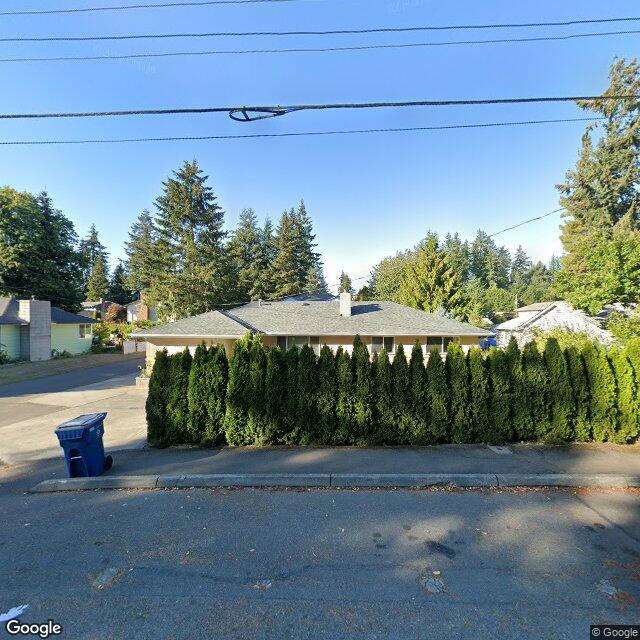
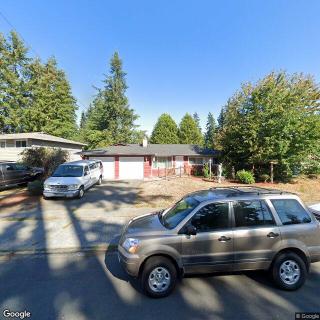
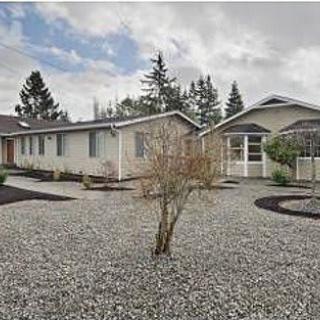
6113 188th Street SW, Lynnwood, WA 98037
To contact a resident: (425) 640-7261
For more information about senior living options: (866) 208-4318
A Joyful Heart AFH Costs & Pricing
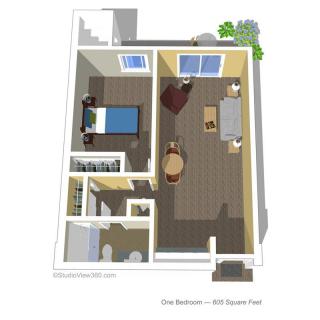
A Joyful Heart AFH offers competitive pricing for its various room types, with a monthly cost of $5,000 for both private and one-bedroom accommodations. This rate is notably higher than the average costs in Snohomish County, where private rooms are priced at approximately $4,834 and one-bedroom units at around $5,080. However, it aligns closely with the county's semi-private option, which averages $4,320. When compared to state averages across Washington, A Joyful Heart AFH maintains a similar standing, with private and one-bedroom rates exceeding the state averages of $4,772 and $4,632 respectively while offering semi-private rooms at a premium over the state's average of $4,267. This pricing reflects the unique value and personalized care that residents can anticipate at A Joyful Heart AFH.
| Floor plans | A Joyful Heart AFH | Snohomish County | Washington |
|---|---|---|---|
| Private | $5,000 | $4,834 | $4,774 |
| 1 Bedroom | $5,000 | $5,080 | $4,634 |
| Semi-Private | $5,000 | $4,320 | $4,272 |
Memory care communities with a similar price nearby
-
from +$750 / mo
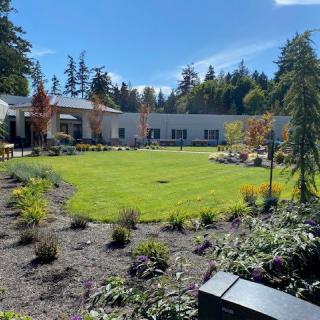
Fieldstone Rolling Bay and Fieldstone Memory Care
$5,750 to $8,895 / month14.4 miles away -
from -$500 / mo
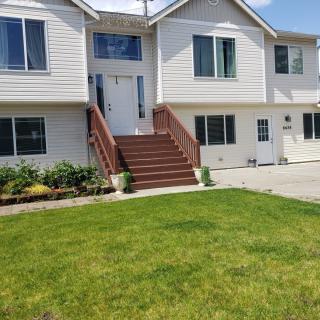
We Care Adult Family Home
$4,500 to $8,000 / month9.0 miles away -
About the same
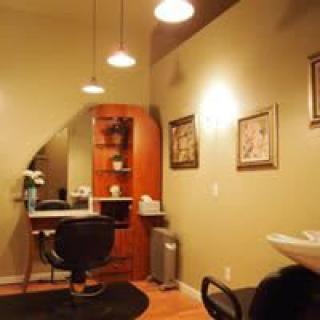
Abundant Life Lynnwood
$5,000 to $6,000 / month3.7 miles away -
from -$500 / mo
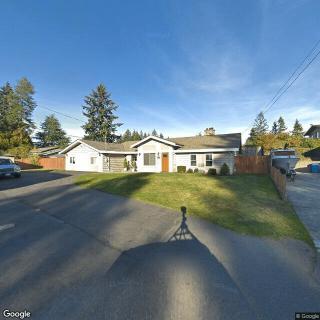
Happy Family Adult Family Home 2
$4,500 / month4.7 miles away -
from -$500 / mo
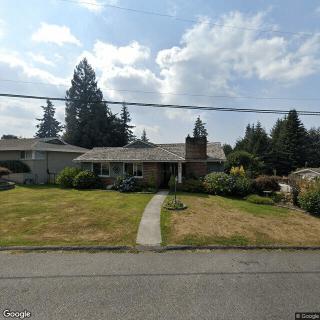
Amy's Adult Care Home
$4,500 / month9.9 miles away
Overall Review of A Joyful Heart AFH
Pros
 Marry Joy is a favorite choice among homes visited, praised for its kind and professional caregivers.
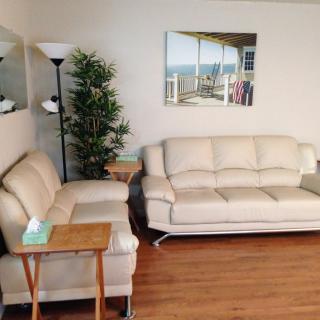
 - The home is clean, peaceful, and well maintained.
- The meals at meal times are consistently impressive and well prepared.
- Marry Joy AFH is described as a blessing for families, with loving and attentive care.
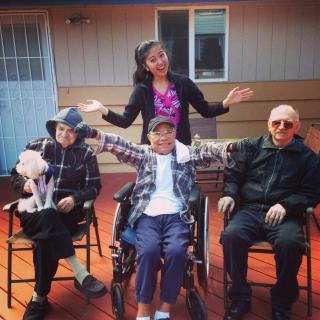
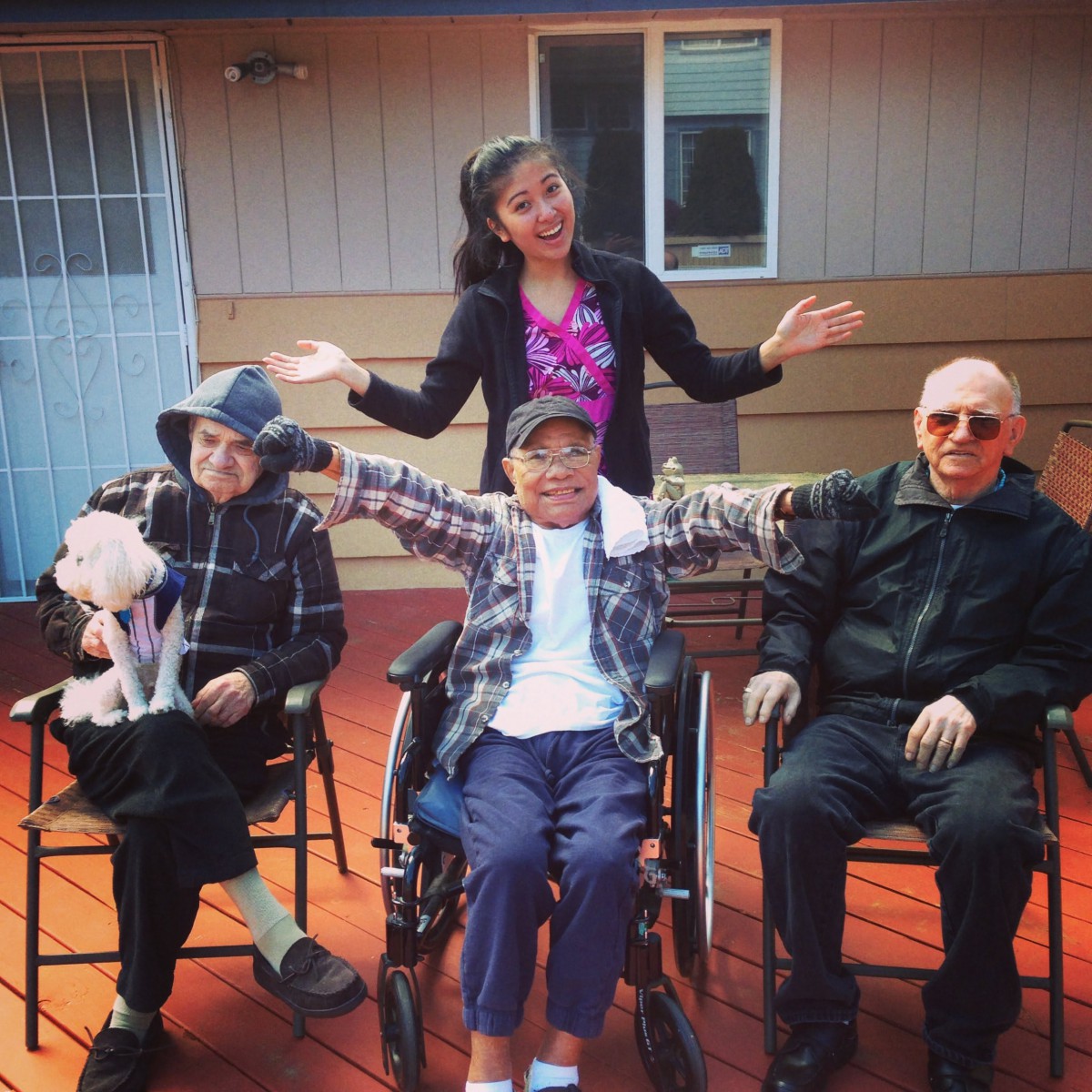
- Caregivers treat residents with love and respect, helping them feel at home.
- The owner is skilled and caring, and the home provides a true family environment with accommodations to meet everyone’s needs.
Review
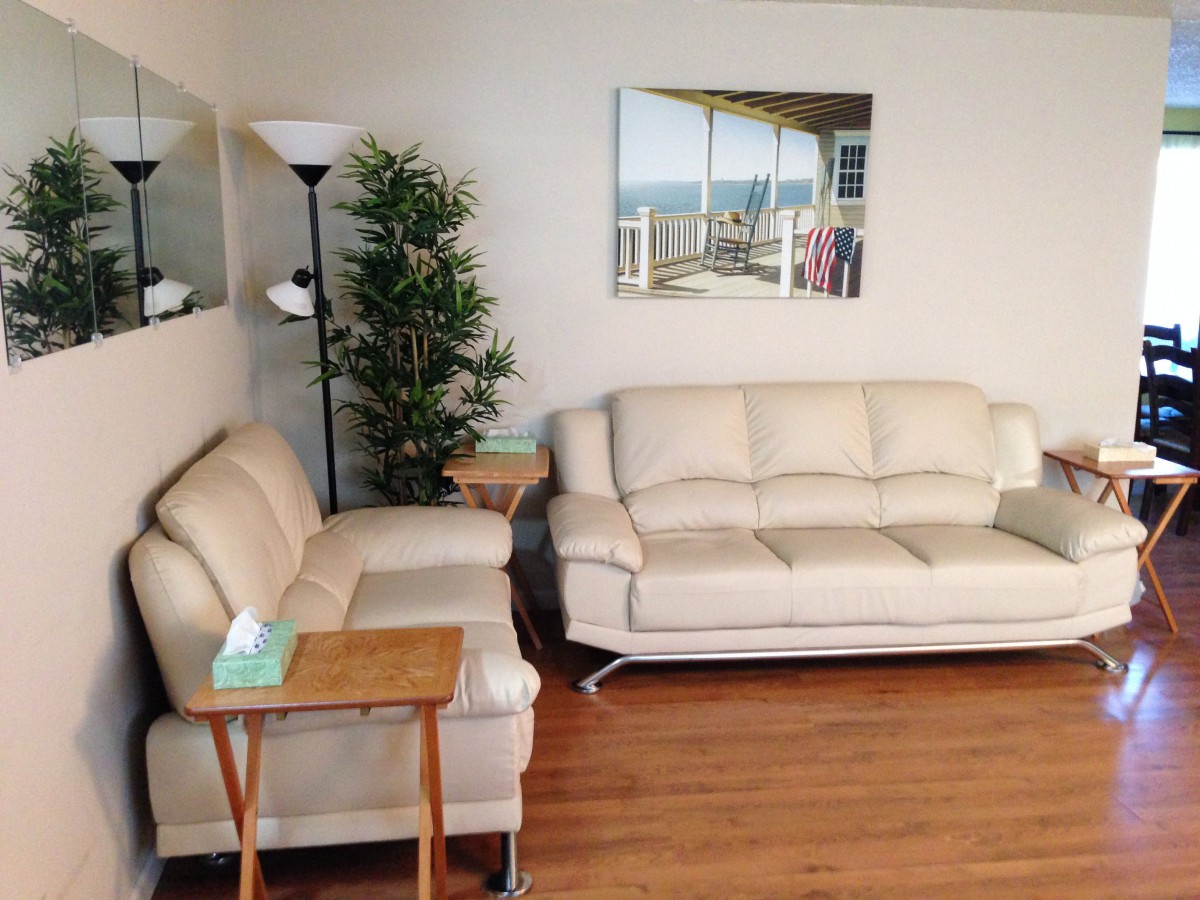
A Joyful Heart AFH in Lynnwood is best suited for seniors who want a warm, home-like setting where care feels personal and steady. It excels for residents seeking long-term support or a straightforward recovery stay in a small, family-style environment. Families prioritizing consistency, gentleness, and a lived-in sense of belonging will find this community aligns with those goals. The reviews consistently emphasize a caregiver team that treats residents like family, and a home atmosphere that minimizes the clinical feel often found in larger facilities. For someone who values intimate attention over institutional size, this is the setting to consider first.
The strongest selling points are concrete and repeatedly observed: caregivers who are kind, attentive, and professional; a home that feels clean, peaceful, and designed to minimize stress; and meals that leave a positive impression during visit moments. The owner-centred approach adds a layer of reliability, as recipient care flows from a caregiver who is also deeply invested in the well-being of each resident. The setting itself, well arranged for comfort and daily living, helps residents feel at ease from the first step through the door. These elements combine to create dependable, low-anhorage days that families crave when entrusting a loved one to care.
In practice, these advantages translate into meaningful outcomes for recovery and ongoing daily living. Families report that mom or dad feels at home and is treated with love and respect, which reduces anxiety during transitions and fosters a cooperative daily routine. The small home environment supports consistent staff assignments, enabling more familiar faces, predictable mealtimes, and a sense of continuity that often diminishes agitation for residents with memory challenges or symptoms of frailty. The trade-off is a setting that may not replicate the breadth of services found in larger facilities, but the offset is a tangible, day-to-day quality of life that many families prioritize over breadth of amenities.
Nevertheless, this format does carry inherent limits. An adult family home typically cannot match the scale of staffing, on-site medical oversight, or specialized programs available at larger assisted living campuses. For residents with complex medical needs, frequent nursing interventions, or dementia requiring secure, specialized programming, A Joyful Heart AFH may feel undersized. Activities may be more community-driven and less structured than in bigger communities, and access to transportation, on-site therapy, or expansive social calendars can be more limited. These gaps are real considerations when the prospective resident requires high-level medical monitoring or a broad continuum of care.
To make the most informed decision, balance the strong, tangible benefits against these potential gaps. The pros, affectionate, attentive caregivers, a pristine, peaceful home, and homelike meals, often offset the absence of a hospital-like floor plan or extensive programming for those who prize comfort and steady routines. Prospective families should verify caregiver-to-resident ratios, confirm who administers medications, and explore how emergencies are handled outside regular hours. Touring during meals and talking with the owner about care philosophies will reveal whether the practical routines align with the resident’s needs and preferences.
Ultimately, A Joyful Heart AFH serves best those who value a true home atmosphere and personalized attention over the broader services offered by larger communities. For families whose priorities include robust medical support, dementia-specific programming, or a wider activity slate, it pays to explore alternatives with stronger clinical oversight and more expansive campuses. The decision hinges on balancing the comfort, dignity, and peaceful living that this home delivers against the level of medical care and structured programming required. With clear expectations and thoughtful questions, families can determine whether this intimate setting is the right fit or if a more comprehensive option is warranted.
 Board and Care Home
 Memory Care
 Activities off-site
 Beautician on-site
 Devotional services off-site
 Indoor common areas
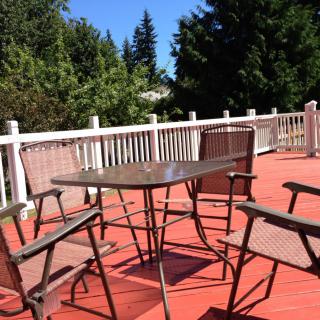
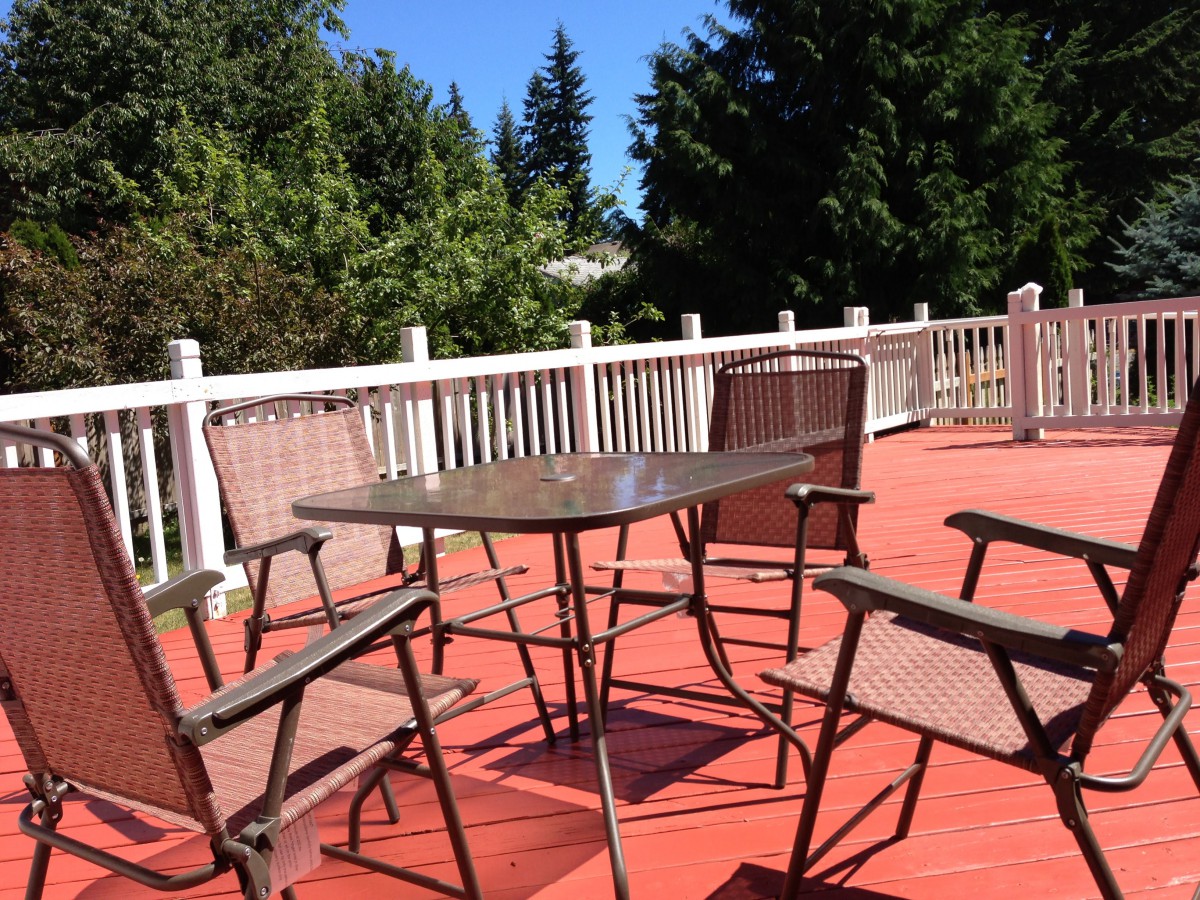
 Outdoor common areas
 Private
 Respite or short term stays offered
 Wheelchair accessible showers
 Diabetic care
 High acuity care
 Incontinence care
 Medication management
 Meals provided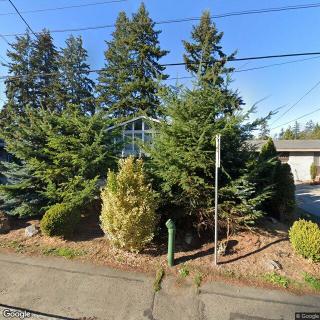
 Assisted Living and Memory Care: Understanding Their Core Differences
 Choosing the Right Senior Care: A Detailed Exploration of Assisted Living and Nursing Homes
 Safeguarding Your Memory Through the Golden Years: Eight Ways to Preserve Cognitive Health