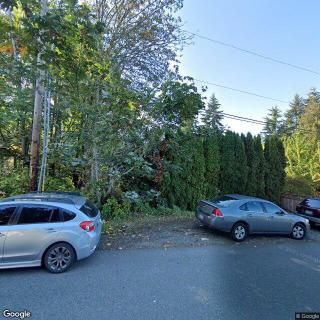
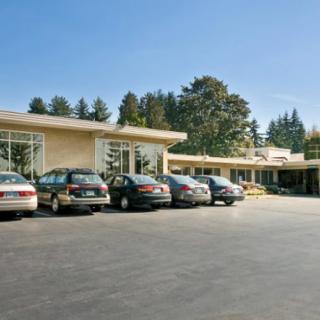
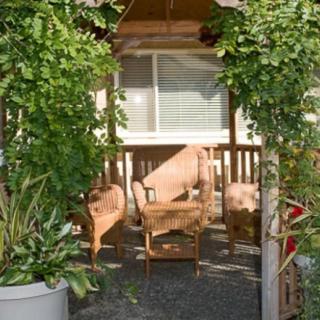
Life Care Center Of Kirkland

Save

Life Care Center Of Kirkland

10101 Northeast 120Th Street, Kirkland, WA 98034

For more information about senior living options: (844) 490-3973

4 from 115 reviews
5 stars
77
4 stars
8
3 stars
6
2 stars
5
1 stars
19

Skilled Nursing Facility

Overall Review of Life Care Center Of Kirkland

Pros

  • pro The staff are very kind and helpful.
  • pro The residents are very happy with their care.
  • pro The Activity Director Linda and her assistant are dedicated to keeping residents engaged and mentally active.
  • pro Linda and Eric at the front desk are always pleasant and helpful.
  • pro The team at Life Care Center of Kirkland are true professionals.
  • pro The therapists were incredible.
  • pro The staff are extremely loving, caring, and attentive.
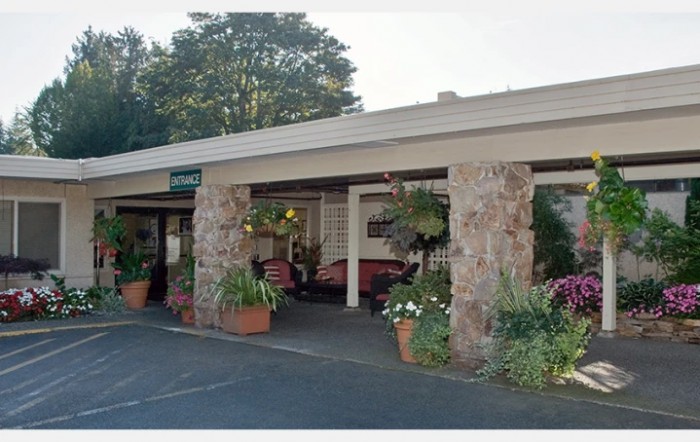
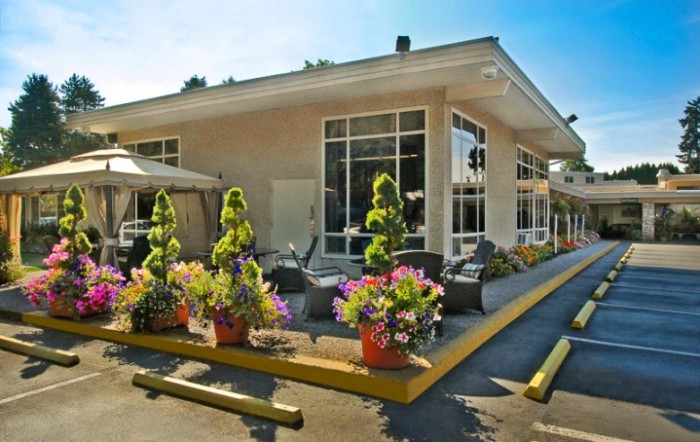
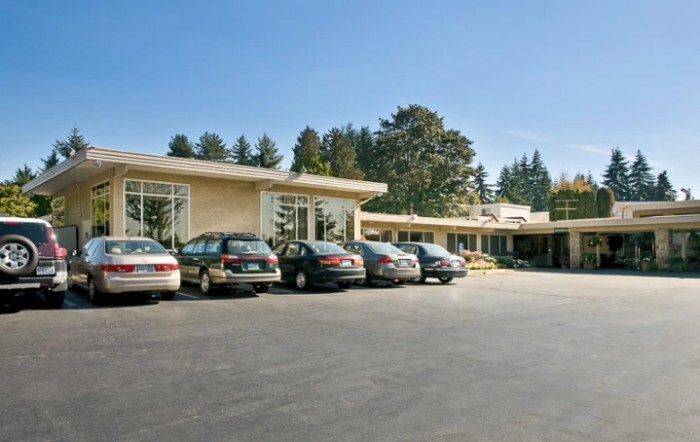
  • pro The facility is wonderful with a great staff and is clean and welcoming.
  • pro The activities department is top notch, offering impressive programs and events.

Cons

  • pro The facility was described as filthy with a rancid odor and poor air quality.
  • pro Rooms were cramped and lacked privacy, while meals were unnutritious or of poor quality.
  • pro Medical and nursing staff were seen as dismissive, unhelpful, unprofessional, and lacking compassion.
  • pro Medication management was questionable, with unnecessary medications administered and slow correction of errors.
  • pro Call lights and patient assistance were slow to respond, leaving residents waiting for help for hours.
  • pro Hygiene, sanitation, and infection-control practices were inadequate, contributing to outbreaks and unsafe conditions.
  • pro Personal belongings were frequently lost or stolen, and communication with staff was inconsistent.
  • pro Billing and administrative practices were criticized as unfair or exploitative (e.g., Medicare charges and accounting errors).
  • pro The facility was described as outdated and poorly maintained, creating an unsafe or neglectful environment.

Review

Life Care Center of Kirkland is best suited for seniors who need skilled rehab and light-to-moderate long-term care, and who respond well to a program that emphasizes active engagement and hands-on staff support. The community earns credibility from a consistent, friendly front-line team and a therapy program that many families describe as thorough and effective. Residents who thrive on structured activities, social interaction, and regular therapeutic sessions - with an emphasis on physical, occupational, and speech therapy - will find the daily rhythm here appealing. The care culture often centers on personal attention from nurses, aides, and the activities team, making it a compelling option for families that prioritize visible warmth and ongoing stimulation.

Nevertheless, alternatives should be seriously considered for those who require rigid medical oversight, crystal-clear physician communication, or memory-care safeguards that feel ironclad. A number of reviews flag concerns about consistency in care, cleanliness, and safety, including delayed call-light responses, documentation gaps, and inconsistent medication management. Odors, outdated plumbing, and questions about how well infections and odors are controlled appear in multiple accounts. For families dealing with memory-care needs, complicated prognosis, or a heightened sensitivity to administrative friction - billing disputes, frequent staff turnover, or communication breakdowns - seeking an option with steadier day-to-day reliability may be prudent.

The strongest positives - ambitious rehabilitation, engaged therapists, and a culture of activities - often offset several drawbacks for residents who value function-focused progress and social vitality. The rehab team is repeatedly praised for pushing recovery forward, and the presence of a dedicated activities director and a schedule of engaging events helps residents maintain cognitive and social engagement. Social services and case-management support are frequently highlighted as meaningful aids for families navigating transitions and coordinating services. When these elements align consistently, they produce meaningful improvements in mood, skill retention, and independence, enough to tip the balance toward choosing this center for a rehab-forward trajectory.

However, meaningful negatives temper the overall appeal. Persistent criticisms touch on the care climate - staff professionalism, empathy, and attentiveness - not always meeting expectations, with some reviews describing dismissive medical interactions or disjointed communication. Noteworthy are accounts of inadequate hygiene, environmental upkeep issues, and concerns about patient safety, including episodes of delayed assistance and questions about the accuracy and appropriateness of medications. Cases of alleged mismanagement and even alleged financial or operational overreach have appeared in the feedback, underscoring a need for careful, up-to-date verification of current practices and leadership responsiveness before a final commitment.

Decision-making guidance should be practical and centered on a targeted inquiry plan. Prospective families should request current nurse-to-resident ratios, concrete response-time data for call bells, and a transparent medication-management process, including how changes are communicated to families and POAs. It is essential to tour the facility with an eye for cleanliness, noise, and privacy - verify room configurations, privacy measures, and the maintenance schedule. Speak with the activities director about weekly programming and with therapy leaders about typical rehab timelines and discharge planning. Finally, insist on meeting the social-services team to understand how individualized nutrition, rehabilitation goals, and transition plans are coordinated, and request access to recent quality or safety reports to gauge current performance.

In sum, Life Care Center of Kirkland delivers robust rehab capabilities, a warm staff environment, and a calendar rich with activities that can meaningfully improve daily life for residents who can benefit from consistent therapy and social engagement. The best-fit resident is someone who values a rehab-centric approach and can tolerate the subtle-to-significant variability that can accompany a large, busy center. Families with a lower tolerance for occasional cleanliness or communication lapses, or those prioritizing spotless facilities and flawless safety records, should compare alternatives and verify current operational standards before committing. The right choice hinges on aligning the resident's rehabilitation and daily living needs with the facility's demonstrated ability to deliver reliable, compassionate care day after day.

Features

Housing

  • 190 resident community capacity 190 resident community capacity

Types of Care

  • Skilled Nursing Facility Skilled Nursing FacilitySkilled Nursing Facilities are crucial for seniors as they provide round-the-clock medical care, rehabilitation services, and assistance with daily activities. These facilities ensure that seniors receive the specialized care they need to maintain their health and well-being as they age.

Amenities

  • Air-conditioning Air-conditioningAir conditioning is important for seniors as they are more vulnerable to heat-related illnesses and may have underlying health conditions that make it difficult for them to regulate their body temperature. It helps to keep them comfortable, safe, and healthy in hot weather.
  • Beauty salon Beauty salonBeauty salons are important for seniors because they provide a space for them to feel pampered, socialize, and maintain their personal grooming and hygiene. Regular visits to a beauty salon can help boost seniors' self-esteem and overall well-being.
  • Cable or satellite TV Cable or satellite TVCable or satellite TV is important for seniors because it provides entertainment, news, and companionship, helping to combat loneliness and boredom. It also offers a wide range of programming options tailored to different interests and preferences.
  • Computer center Computer centerA computer center is essential for seniors as it provides access to technology, communication tools, and resources that can enhance their daily lives. It allows them to stay connected with loved ones, engage in online activities, and learn new skills, ultimately promoting socialization and mental stimulation.
  • Dining room Dining roomDining rooms are important for seniors as they provide a space for socialization, connection, and nutritious meals. They offer opportunities for residents to bond over shared meals, foster a sense of community, and promote healthy eating habits. Dining rooms also ensure that seniors have access to well-balanced meals tailored to their dietary needs and preferences.
  • Fitness room Fitness roomHaving a fitness room in a senior living community is essential for seniors to stay active, maintain their physical health, and improve their overall well-being. Regular exercise can help prevent falls, reduce the risk of chronic diseases, and promote mental sharpness. It also provides social opportunities for residents to connect with others and enjoy a sense of community.
  • Fully furnished Fully furnishedFully furnished senior living communities are important for seniors because they provide convenience, comfort, and a hassle-free moving experience. Seniors can easily settle into their new living space without the stress of having to buy and move furniture. This allows them to focus on enjoying their new home and community.
  • Gaming room Gaming roomGaming rooms are important for seniors as they provide a fun and engaging environment for socializing, cognitive stimulation, and physical activity. Games can improve memory, problem-solving skills, and overall mental well-being while fostering friendships and reducing feelings of isolation.
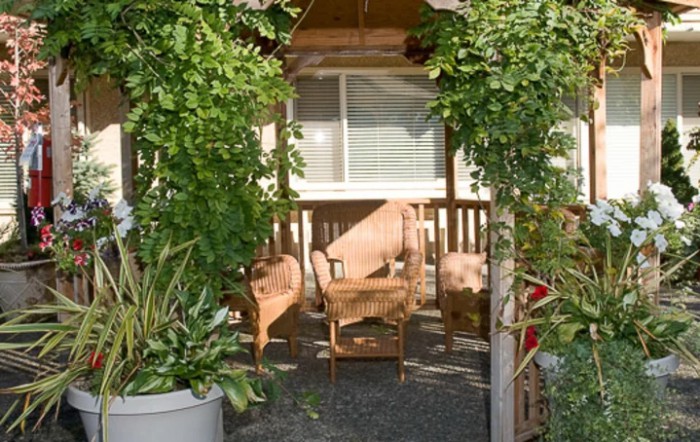
  • Garden GardenGardens are important for seniors as they provide a peaceful and therapeutic environment for relaxation, physical activity, and socialization. Being in nature has been shown to reduce stress, improve mood, and promote overall well-being. Gardens also offer opportunities for seniors to engage in gardening activities, which can improve mobility, flexibility, and cognitive function. Additionally, gardens create a sense of community and connection with others who share a passion for plants and outdoor spaces.
  • Housekeeping services Housekeeping servicesHousekeeping services are important for seniors because they help maintain a clean and safe living environment, promote independence, and reduce the risk of accidents or illnesses. Additionally, having assistance with household chores can alleviate physical strain and allow seniors to focus on other aspects of their well-being.
  • Kitchenette KitchenetteKitchenettes are important for seniors living in senior living communities because they provide the convenience and independence of being able to prepare simple meals and snacks in the comfort of their own living space. This can help promote a sense of autonomy and well-being for seniors, allowing them to maintain some level of control over their dietary choices and daily routines.
  • Move-in coordination Move-in coordinationMove-in coordination is important for seniors because it helps ease the transition into their new living environment. It ensures that all logistics, such as packing, organizing movers, and setting up utilities are taken care of, allowing seniors to focus on settling in and adjusting to their new home. Having a smooth move-in process can alleviate stress and anxiety, making the transition smoother and more enjoyable for seniors.
  • Outdoor space Outdoor spaceOutdoor spaces are important for seniors as they provide opportunities for physical activity, social interaction, exposure to natural light and fresh air, and a sense of connection to nature. Having access to outdoor spaces can improve overall well-being and quality of life for older adults living in senior communities.
  • Private bathrooms Private bathroomsPrivate bathrooms are important for seniors in senior living communities because they provide independence, dignity, and comfort. Having a private bathroom allows seniors to maintain their personal hygiene routines without the need for assistance, promoting a sense of autonomy and privacy. Additionally, private bathrooms help prevent the spread of infections and provide a safe and clean environment for seniors to navigate safely.
  • Restaurant-style dining Restaurant-style diningRestaurant-style dining is important for seniors because it allows them to enjoy delicious, nutritious meals in a social and upscale setting. This enhances their dining experience, promotes healthy eating habits, and fosters socialization with fellow residents, ultimately contributing to their overall well-being and quality of life.
  • Small library Small librarySmall libraries are important for seniors as they provide access to a variety of reading materials, including books, newspapers, and magazines. This can help stimulate their minds, keep them engaged, and provide a sense of community through book clubs and other social activities. Additionally, reading has been shown to improve cognitive function and overall mental well-being in older adults.
  • Telephone TelephoneTelephones are important for seniors as they provide a lifeline for communication with loved ones, emergency services, and healthcare providers. They offer a sense of security and independence, enabling seniors to stay connected and access assistance when needed.
  • Wellness center Wellness centerWellness centers are important for seniors because they offer a variety of programs and services that promote physical, mental, and emotional well-being. These centers provide opportunities for exercise, socialization, education, and relaxation, helping seniors maintain their overall health and quality of life.
  • Wi-Fi/high-speed internet available Wi-Fi/high-speed internet availableWi-Fi/high-speed internet is important for seniors to stay connected with loved ones, access online resources, and participate in virtual activities to combat feelings of loneliness and isolation. It also allows them to easily manage healthcare needs, access entertainment, and engage in lifelong learning opportunities.

Transportation

  • Seattle-Tacoma International (18 miles away) Seattle-Tacoma International (18 miles away)
  • Community operated transportation Community operated transportationCommunity operated transportation is crucial for seniors as it provides them with the means to access essential services, social activities, and medical appointments. It allows seniors to maintain their independence and quality of life by ensuring they can participate in activities outside of their homes. Additionally, community-operated transportation services offer a safe and reliable way for seniors to travel without having to rely on family or friends for assistance.
  • Transportation arrangement Transportation arrangementTransportation arrangements are crucial for seniors as they may face challenges with driving, mobility, or access to public transportation. Having reliable transportation services ensures that seniors can easily attend appointments, social activities, and maintain their independence and quality of life.
  • Transportation arrangement (non-medical) Transportation arrangement (non-medical)Transportation arrangements are essential for seniors as they provide access to essential services, activities, and social interactions outside the home. This service helps maintain independence, mobility, and overall well-being for seniors who may have limited transportation options.
  • Transportation to doctors appointments Transportation to doctors appointmentsTransportation to doctors appointments is crucial for seniors as it ensures they have access to necessary medical care and support, promoting their health and well-being. It allows them to receive timely treatment, monitor existing conditions, and address any new health concerns efficiently. Additionally, transportation services can help seniors maintain their independence and quality of life by enabling them to stay connected with their healthcare providers.

Care Services

  • 12-16 hour nursing 12-16 hour nursing12-16 hour nursing care is crucial for seniors in order to ensure around-the-clock monitoring, timely medication administration, and prompt response to any health concerns or emergencies. This level of care helps to promote the overall well-being and safety of seniors living in senior living communities.
  • 24-hour call system 24-hour call system24-hour call systems are important for seniors because they provide peace of mind and immediate assistance in case of emergencies. This technology ensures that help is always available, promoting safety and security for elderly individuals living alone or in assisted living facilities.
  • 24-hour supervision 24-hour supervision24-hour supervision is important for seniors to ensure their safety, well-being, and access to immediate assistance in case of emergencies or health issues. This constant support provides peace of mind for both seniors and their loved ones, allowing them to age in place with dignity and security.
  • Activities of daily living assistance Activities of daily living assistanceActivities of daily living assistance are important for seniors because they provide essential support with tasks such as eating, bathing, dressing, and mobility. This assistance helps seniors maintain their independence, dignity, and overall quality of life as they age.
  • Assistance with bathing Assistance with bathingAssistance with bathing is crucial for seniors as it helps maintain personal hygiene, prevents infections, and ensures their overall well-being and comfort. It also provides a sense of dignity and independence for seniors who may struggle with this task on their own.
  • Assistance with dressing Assistance with dressingAssistance with dressing is important for seniors because it helps maintain their independence, promotes personal hygiene, prevents accidents and injuries, and improves overall quality of life. This service ensures that seniors can continue to dress comfortably and confidently, despite any physical limitations they may have.
  • Assistance with transfers Assistance with transfersAssistance with transfers is crucial for seniors as it helps prevent falls and injuries, maintains their independence, and ensures they can safely navigate their living environment. It also provides peace of mind for both seniors and their loved ones.
  • Diabetes diet Diabetes dietA diabetes diet is crucial for seniors as it helps manage blood sugar levels, reduce risks of complications, and improve overall health and well-being. By following a balanced and nutritious diet tailored to their specific needs, seniors can better control their diabetes and enhance their quality of life.
  • Meal preparation and service Meal preparation and serviceMeal preparation and service are crucial for seniors as they may have limited mobility or energy to cook nutritious meals. Having access to healthy and convenient food options can ensure they are getting the proper nutrition needed to maintain their overall health and well-being.
  • Medication management Medication managementMedication management is crucial for seniors to ensure they are taking the right medications at the correct dosages and times. This helps prevent adverse drug interactions, reduces the risk of medication errors, and promotes overall health and well-being. Proactive management also allows for adjustments as needed based on changing health conditions or new prescriptions.
  • Mental wellness program Mental wellness programMental wellness programs are essential for seniors as they promote cognitive stimulation, emotional support, and social engagement. These programs help prevent isolation, depression, and cognitive decline, ultimately enhancing the overall quality of life for older adults.
  • Special dietary restrictions Special dietary restrictionsSpecial dietary restrictions are important for seniors because age-related changes in metabolism and health conditions can make it difficult for their bodies to process certain foods. By following a diet tailored to their specific needs, seniors can maintain their overall health and well-being, manage chronic conditions, and reduce the risk of complications such as malnutrition or food interactions with medications.

Dining

  • Diabetes diet Diabetes dietA diabetes diet is crucial for seniors as it helps manage blood sugar levels, reduce risks of complications, and improve overall health and well-being. By following a balanced and nutritious diet tailored to their specific needs, seniors can better control their diabetes and enhance their quality of life.
  • Special dietary restrictions Special dietary restrictionsSpecial dietary restrictions are important for seniors because age-related changes in metabolism and health conditions can make it difficult for their bodies to process certain foods. By following a diet tailored to their specific needs, seniors can maintain their overall health and well-being, manage chronic conditions, and reduce the risk of complications such as malnutrition or food interactions with medications.

Activities

  • Community-sponsored activities Community-sponsored activitiesCommunity-sponsored activities are important for seniors as they provide opportunities for social interaction, mental stimulation, and physical activity. These activities can help improve overall well-being, combat loneliness and isolation, and promote a sense of belonging and purpose among older adults.
  • Concierge services Concierge servicesConcierge services are essential for seniors as they provide assistance with daily tasks and errands, enhance their quality of life by offering convenience and personalized care, and promote a sense of safety and security.
  • Fitness programs Fitness programsFitness programs are crucial for seniors as they help improve strength, flexibility, balance, and overall well-being. Staying active can reduce the risk of chronic diseases, improve mental health, and enhance quality of life in older adults.
  • Planned day trips Planned day tripsPlanned day trips are important for seniors because they offer opportunities for socialization, mental stimulation, and physical activity. They provide a change of scenery and help seniors stay engaged and connected to their community, promoting overall well-being and quality of life.
  • Resident-run activities Resident-run activitiesResident-run activities are important for seniors as they encourage social interaction, creativity, and a sense of autonomy. These activities empower seniors to stay engaged and active in their community while fostering meaningful connections with their peers.
  • Scheduled daily activities Scheduled daily activitiesScheduled daily activities are important for seniors because they provide structure, socialization, mental stimulation, and physical activity. Engaging in regular activities can improve overall well-being and quality of life for seniors living in a community setting.

Description

Life Care Center of Kirkland is a premier assisted living community located in Kirkland, WA. Our community offers a wide range of amenities and care services to ensure the comfort and well-being of our residents.

Our residents enjoy the convenience of having a beauty salon on-site, allowing them to maintain their personal grooming needs without leaving the community. They also have access to cable or satellite TV in their private rooms, ensuring entertainment and relaxation at their fingertips.

We provide community operated transportation for our residents, making it easy for them to run errands or attend social outings. Our computer center allows residents to stay connected with loved ones through email and social media, while our Wi-Fi/high-speed internet ensures seamless internet access throughout the community.

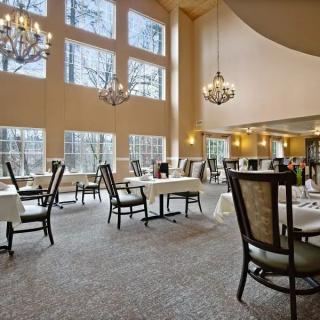
Meals are an important part of daily life, and our dining room offers restaurant-style dining where residents can enjoy delicious meals prepared by our skilled culinary team. We also accommodate special dietary restrictions to meet the unique needs of each resident.

Keeping our residents active and engaged is a priority, which is why we offer a fitness room and wellness center where they can participate in exercise programs tailored to their abilities. For those who prefer mental stimulation, our small library offers a quiet space for reading or studying.

Our care services include 24-hour call system and supervision to ensure the safety and security of all residents. Our dedicated staff provides assistance with activities of daily living such as bathing, dressing, and transfers. We also offer medication management and diabetes diets for those who require specialized care.

At Life Care Center of Kirkland, we understand that socialization is important for overall well-being. That's why we offer concierge services, planned day trips, resident-run activities, and scheduled daily activities for our residents to enjoy. With cafés, parks, pharmacies, physicians' offices, restaurants, theaters nearby, there are plenty of options for outings within close proximity.

Overall, Life Care Center of Kirkland provides a comfortable and enriching environment for seniors in need of assisted living. With our wide range of amenities and care services, we strive to enhance the quality of life for all residents.

Nearby Places of Interest

Cafes

  • Urban Coffee Lounge (0.2 miles)
  • Starbucks (1.1 miles)
  • Don’t Yell At Me 不要對我尖叫 (1.3 miles)
  • Starbucks (2.3 miles)
  • Google (2.6 miles)
  • Sidekick Coffee (3.8 miles)
  • Mercurys Coffee (5.2 miles)

Pharmacies

  • Walgreens (0.3 miles)
  • QFC Pharmacy (0.8 miles)
  • Safeway Pharmacy (1.1 miles)
  • Rite Aid (1.4 miles)
  • Walgreens (2.4 miles)
  • Rite Aid (4.1 miles)
  • Rite Aid (4.1 miles)

Parks

  • Juanita Beach Park (0.4 miles)
  • Highlands Park (1.3 miles)
  • Bridle Trails State Park (1.7 miles)
  • Big Finn Hill Park (1.8 miles)
  • Marina Park Dock (2.2 miles)
  • O.O. Denny Park (2.2 miles)
  • Magnuson Park Off-Leash Dog Park (2.7 miles)

Restaurants

  • McDonald's (1.1 miles)
  • Chick-Fil-A (1.3 miles)
  • Taco Bell (1.4 miles)
  • Deru Market (1.8 miles)
  • McDonald's (2.3 miles)
  • McDonald's (2.3 miles)
  • Fire Creek Grill & Bar (2.8 miles)

Physicians

  • Lakeshore Clinic (1.2 miles)
  • EvergreenHealth (1.4 miles)
  • Allegro Pediatrics - Totem Lake (1.5 miles)
  • Lakeshore Clinic (3.8 miles)
  • Bellevue Vision Clinic (3.9 miles)
  • Group Health Cooperative: Redmond Primary Care (4.3 miles)
  • Larson Nancy Allegro Pediatrics (4.6 miles)

Theaters

  • Cinemark Totem Lake And Xd (1.3 miles)

Hospitals

  • Seattle Children's Hospital (4.7 miles)
  • Overlake Hospital Medical Center (6.1 miles)
  • Northwest Hospital (6.1 miles)
  • Dengda Tang MD | Kaiser Permanente (6.2 miles)
  • Uw Medical Center Cafeteria (6.2 miles)

Transportation

  • Roosevelt Station Seattle (5.5 miles)
  • Northgate Transit Center (5.6 miles)
  • Northgate Station Seattle (5.7 miles)
  • U District Station (6 miles)
  • University of Washington LINK Station (6 miles)

Frequently Asked Questions

Where is Life Care Center Of Kirkland?
What photos are available for Life Care Center Of Kirkland in Kirkland, Washington?

Nearby Communities

  • Shumway Mansion II

    Shumway Mansion II

    Kirkland, WA

     
    $6,000 / month

    pro Specialized memory care with high-acuity support, medication management, and private rooms with private bathrooms.
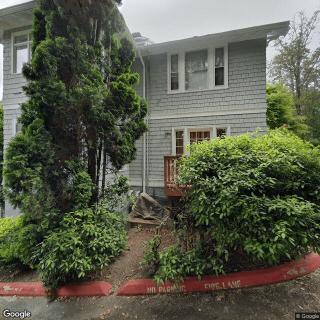
  • Shumway Mansion

    Shumway Mansion

    Kirkland, WA

     
    $6,000 / month

    pro Memory-care focus with high-acuity care; on-site amenities (beautician, devotional services) and private, accessible rooms.

  • Parkshore Jaunita Bay

    Parkshore Jaunita Bay

    Kirkland, WA

    3.6 from 10 reviews
    $2,285 / month

    pro Compassionate staff with low turnover and engaging activities.

  • The Gardens At Juanita Bay

    The Gardens At Juanita Bay

    Kirkland, WA


    pro 24/7 staff with comprehensive care, furnished apartments, and restaurant-style dining.

  • 1st & Amazing Senior Home Care of Kirkland,  LLC

    1st & Amazing Senior Home Care of Kirkland, LLC

    Kirkland, WA

     
    $3,670 to $8,500 / month

    pro Upscale memory care with private rooms, high-acuity support, and extensive on-site amenities and activities.

  • Juanita Adult Family Home

    Juanita Adult Family Home

    Kirkland, WA

    5 from 3 reviews
    $4,000 / month

    pro Specialized memory care with personalized support at an affordable $4,000/month in Kirkland.

  • Aegis Living Lodge

    Aegis Living Lodge

    Kirkland, WA

    4.3 from 50 reviews
     

    pro Caring, responsive staff; clean, well-maintained environment; engaging memory-care activities.

  • MorningStar Senior Living of Kirkland

    MorningStar Senior Living of Kirkland

    Kirkland, WA

    4.9 from 84 reviews
    $3,890 to $6,575 / month

    pro Brand-new, clean, welcoming with on-site nursing and strong health partnerships.

  • Nazarene Adult Family Home LLC

    Nazarene Adult Family Home LLC

    Kenmore, WA

    4.2 from 9 reviews
    $6,500 to $9,000 / month

    pro Warm, attentive staff in a clean, welcoming home.

Related Resources

  • private pay home careA Closer Look at Private Pay Home Care

    Private pay home care offers a flexible caregiving option for older adults and families who don't qualify for government programs, allowing them to directly fund in-home care services that range from daily assistance to specialized support. This model's customization potential enables aging in place while addressing financial considerations through strategic planning options, though clients must navigate marketplace challenges and ensure quality compliance.

  • what to do for arthritisComprehensive Approaches for Arthritis: A Detailed Guide to Symptoms, Causes, and Care

    Arthritis encompasses over 100 joint disorders affecting people of all ages, leading to symptoms like pain and stiffness that impair mobility and quality of life. Effective management involves early diagnosis, lifestyle changes, medical treatments, emotional support, and ongoing monitoring with healthcare professionals.

  • elderly fall preventionComprehensive Insights and Practical Strategies to Help Older Adults Avoid Falls
    The article highlights the high risk of falls among older adults due to factors like muscle weakness, vision issues, and environmental hazards, with one in four experiencing a fall annually. It advocates for a comprehensive prevention approach that includes exercise, home safety modifications, medication management, social support, and caregiver involvement.