
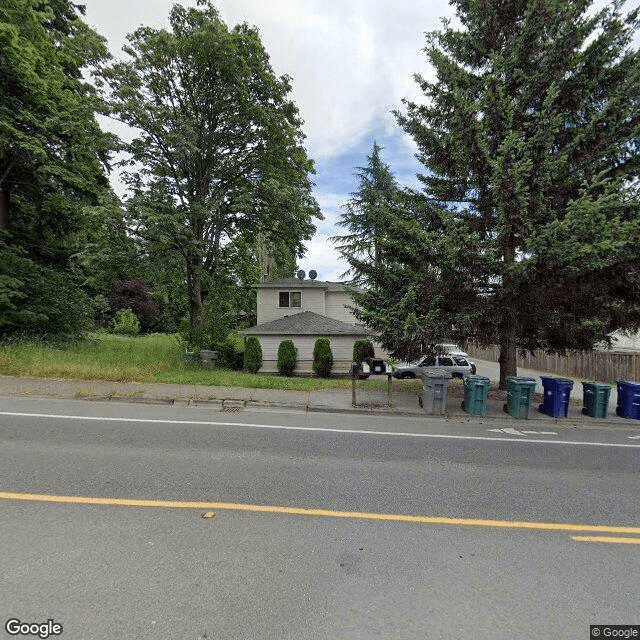
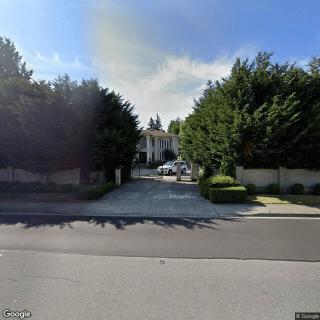
10619 NE 116th St, Kirkland, WA 98034
To contact a resident: (206) 369-9906
For more information about senior living options: (866) 208-4318
1st & Amazing Senior Home Care of Kirkland, LLC Costs & Pricing
1st & Amazing Senior Home Care of Kirkland, LLC offers a range of accommodation costs that are notably higher than both the county and state averages. For a studio unit, residents can expect to pay between $3,670 and $8,000 monthly, which exceeds the King County average of $4,464 and Washington state's average of $4,126. In terms of one-bedroom units and private rooms, the pricing is fixed at $8,000 and $8,500 respectively - these figures significantly surpass the local county rates of $5,127 for a one-bedroom and $5,034 for a private room. This pricing reflects the premium services and amenities provided by 1st & Amazing Senior Home Care, positioning it as an upscale option in a competitive market where quality care is paramount.
| Floor plans | 1st & Amazing Senior Home Care of Kirkland, LLC | King County | Washington |
|---|---|---|---|
| Studio | $3,670 to $8,000 | $4,464 | $4,128 |
| 1 Bedroom | $8,000 | $5,127 | $4,634 |
| Private | $8,500 | $5,034 | $4,774 |
Memory care communities with a similar price nearby
-
from -$170 / mo
Dignity Life
$3,500 / month9.4 miles away -
from -$295 / mo
Evergreen Manor Senior Care Inc
$3,375 to $7,500 / month1.5 miles away -
from -$670 / mo
Caring Adult Family Home #1
$3,000 / month4.2 miles away -
from +$330 / mo

Riverton Home Care
$4,000 to $5,000 / month16.3 miles away -
from -$670 / mo
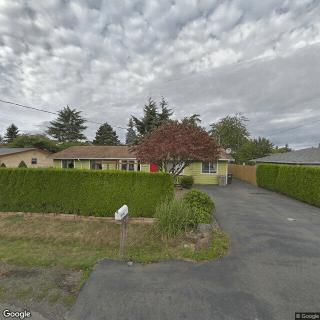
Home Care in Kent Inc.
$3,000 to $3,500 / month21.8 miles away
Overall Review of 1st & Amazing Senior Home Care of Kirkland, LLC
Pros
 The home is beautiful and well managed, a godsend to families.
- The care provided is personalized, professional, loving, and consistent.
- Bridle Trails Senior Care Home offers a warm, friendly, clean, and structured environment with regular meals and activities.
- The staff are lovely to residents and unfailingly patient with memory issues and physical limitations.
- Alina is experienced, knowledgeable, and caring, providing patient-centered care plans.
- The caregivers are wonderful, friendly, and always willing to assist.
Review
This community is best suited for families seeking a warm, intimate home environment where seniors require daily assistance and memory support, yet want personalized, staff-led care delivered with consistency and a clearly caring mindset. It excels for residents who thrive on stability, affectionate attention, and routines that feel like a family setting rather than a clinical campus. The model works especially well for individuals with dementia-related needs or memory challenges, where a calm, predictable daily pace and direct relationships with caregivers can make a meaningful difference in mood, engagement, and overall quality of life.
Those weighing alternatives should consider larger, more medicalized settings if on-site 24/7 nursing coverage, a broad menu of specialized therapies, or a formal memory-care wing is non-negotiable. Families prioritizing a clinical cadence, extensive medical supervision, or a wide array of on-demand amenities may find a bigger senior-living campus more aligned with expectations. In cases where a resident’s care plan requires aggressive medical management or rapid access to a wide team of specialists, it’s prudent to compare options that emphasize scale and formalized clinical staffing.
The strongest pros are precisely the elements that many families prize in home-like care: personalized, professional attention delivered with genuine warmth, and a consistent care team that knows residents by name and history. The setting is described as beautiful, well managed, clean, and structured, with meals and activities offered and adjusted to the resident’s wishes. Caregivers are repeatedly praised for patience and kindness, and residents repeatedly express affection for the team. When dementia progresses or physical limitations intensify, the ability of staff to respond with tailored care plans and steady, compassionate handling becomes the deciding factor for families choosing this setting over more institutionalized options.
Another standout is the leadership and care philosophy that supports individualized plans. The owner is portrayed as experienced, knowledgeable, and focused on patient-centered strategies, with staff who are described as friendly, collaborative, and proactive. The combination of hands-on oversight, consistency across shifts, and a culture of going above-and-beyond translates into reliably high daily living experiences, from meals and routines to medical responsiveness, without sacrificing the sense of a home where residents feel loved and valued. Even when medical issues arise, the reviews highlight timely attention and a team that stays on top of needs, offering reassurance to families navigating complex care journeys.
No obvious, pervasive drawbacks show up in the feedback, but a practical lens highlights the inevitable trade-offs of a smaller, family-style operation. For families seeking a broad slate of on-site clinical services, or a campus with a large network of specialty providers, this setting may feel leaner. The absence of a formal, full-scale medical hub could be a consideration for residents requiring intensive, round-the-clock medical management. Yet the documented strengths, deep caregiver-resident relationships, responsive oversight, and an environment that feels like home, often offset these potential gaps by delivering consistent, high-touch care that stabilizes mood and daily functioning.
In the end, the principled takeaway is clear: this community is a strong match for families prioritizing warmth, trust, and individualized attentiveness in a home-like atmosphere. It serves well for seniors needing help with daily activities alongside memory-care support, delivered with reliable compassion and leadership. For those who must have robust 24/7 medical staffing or expansive facility-based programming, it makes sense to explore alternatives and compare how medical oversight, therapy options, and campus resources stack up. Prospective families should visit, observe interactions, and speak directly with caregivers and the owner to confirm that care rhythms, resident fit, and values align with expectations.
 Board and Care Home
 Memory Care
 Activities on-site
 Beautician on-site
 Devotional services on-site
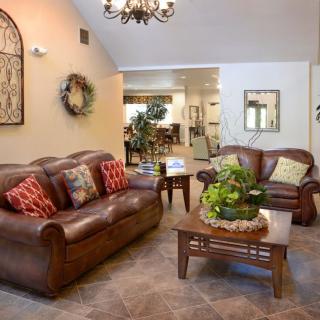
 Indoor common areas
 Private
 Private bathrooms
 Wheelchair accessible showers
 Seattle-Tacoma International (18 miles away)
 Diabetic care
 High acuity care
 Incontinence care
 Medication management
 Gluten-free
 Art classes
 BBQs or picnics
 Birthday parties
 Forever fit
 Karaoke
 Live dance or theater performances
 Live musical performances
 Live well programs
 Trivia games
 Guiding Your Journey: Understanding Power of Attorney for Elderly Parents
 22 Remarkable Caregiver Support Groups Available Online and In-Person
 Understanding Medicaid Coverage for Assisted Living: A Comprehensive Guide