

614 Hastings Ln, Warrenton, VA 20186
To contact a resident: (540) 347-4770
For more information about senior living options: (866) 208-4318
Overall Review of Oak Springs of Warrenton
Pros
 Oak Springs feels more like a home than a sterile facility.
- The staff are willing to do whatever it takes to help residents.
- The residents are happy and well cared for.
- The Alzheimer’s unit provides full care and the staff take beautiful care of residents.
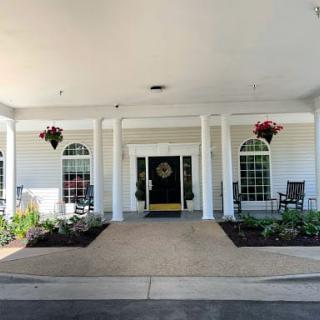
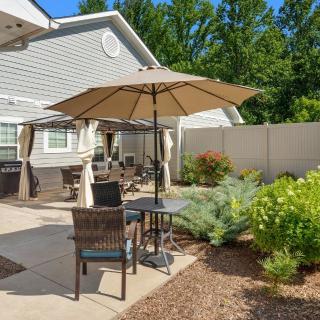
- The facility is pretty, with a garden and well-maintained grounds.
- They offer many activities like music, movies, karaoke, and religious services, which residents enjoy.
- The grounds are spacious and the staff are enthusiastic and involved, keeping daily life active.
- In the skilled nursing unit, residents receive excellent care with attentive nurses and CNAs.
Cons
 Oak Springs was a mess.
- The facility was terrible.
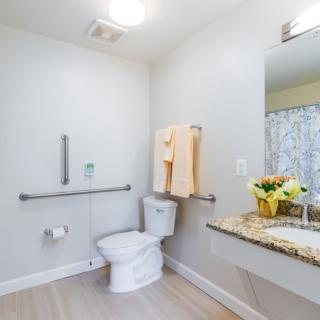
- The beds were in rooms about the size of a closet, with a curtain between them.
- It was a very crowded, hospital-looking place.
- It did not look clean, and the residents appeared grungy.
- The shared room was small, crowded, and loud, and the resident did not like it.
- The resident was miserable most of the time during the stay.
- Many nurses lacked compassion, smelled like stale cigarettes, and seemed to be just drawing a paycheck.
Review
Oak Springs of Warrenton is best suited for seniors who need dementia-focused care and for families who want a social, activity-filled environment that feels more like a home than a clinical facility. The campus touts an Alzheimer’s and long-term nursing care program, plus a robust calendar of activities, church services, music, bingo, karaoke, crafts, and regular therapists, designed to keep residents engaged. For families seeking meaningful interaction, a garden setting, and a lively atmosphere, Oak Springs delivers. Yet the living spaces themselves tend toward the compact and communal, with shared rooms that feel more like hospital quarters than comfortable residential rooms. This balance, strong programming with cramped accommodations, defines the core fit.
Those who prioritize spotless cleanliness, quiet, private rooms, and consistently seamless caregiving should seriously consider alternatives. Several reviews describe rooms that are small and crowded, with a cluttered, institutional ambiance that can undermine comfort and dignity. There are also persistent concerns about odor, general upkeep, and a sense of bulk, turnover-heavy care rather than consistently attentive assistance. For families whose loved ones require predictable, steady basic care, help with dressing, toileting, daily supervision, Oak Springs can fall short in ways that feel personal and ongoing. In short, if a pristine, calm, private-resident experience is essential, other options will likely serve better.
The positive threads do offer a meaningful counterbalance in certain cases. When the Alzheimer’s unit is engaged, care can be specialized and attentive, with staff who seem willing to bend toward residents’ needs and to manage medication and mood challenges in ways that can calm and stabilize patients. The facility’s grounds, patient activities, and social programming create a sense of community that some families find reassuring and even uplifting. The presence of a recreation room, a garden, and a schedule of events contributes to a lived-in vitality that can be hard to find in more sterile settings. For families seeking dementia-specific care in a setting that values social engagement, these elements can make Oak Springs worthwhile.
But the most persistent and serious drawbacks temper those advantages. Reviews repeatedly call out subpar bedside care, long waits for assistance, and a staff culture that at times seems more focused on routine than on responsiveness. Instances of roommates who are ill-suited for one another, combined with complaints about nurse and aide compassion, create a backdrop of frustration and distress for both residents and families. Management and social work experiences have also been described as disorganized or uncaring, particularly around discharge planning and coordinating care with Medicare. In the starkest notes, families warned that unresolved problems could culminate in a loved one feeling abandoned, with dire consequences for morale and appetite.
To navigate this decision, families should conduct highly targeted site visits, ideally during peak activity and mealtimes, to observe how staff interact with residents and how issues are handled in real time. Insist on seeing a private-room option and inquire about current room availability, as space appears to influence overall comfort. Probe staffing levels, CNA-to-resident ratios, and turnover, and ask to review care plans, response times, and incident logs. Clarify the Alzheimer’s unit’s capabilities, daily routines, and how pain, agitation, or crying are addressed with medications or non-pharmacological approaches. Finally, seek honest, recent references from current families about care quality, cleanliness, and ongoing communication with family members.
Bottom line: Oak Springs serves a niche audience, families seeking dementia-focused care with an active, socially vibrant environment and who can tolerate variability in room size, cleanliness, and day-to-day caregiving quality. For many, these trade-offs will be too great, and alternatives offering more consistent staffing, cleaner surroundings, and reliable basic care may be a wiser choice. If choosing Oak Springs, enter with clear expectations, a hands-on plan for oversight, and a readiness to intervene promptly when concerns arise. The facility’s strengths in programming and specialized dementia care can be compelling, but the risks identified in several firsthand accounts demand a cautious, proactive approach before placement.
 Skilled Nursing Facility
 Washington Dulles International (24 miles away)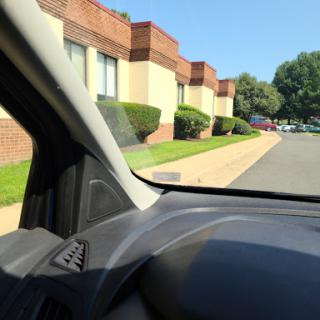





 Nurturing Our Loved Ones: A Daughter's Journey in Caring for Her Mother
 Nurturing Our Elders: Linda's Journey of Supporting Her Mother
 A Comprehensive Exploration of Common Misunderstandings about Powers of Attorney