For more information about senior living options: (866) 208-4318
4.2 from 63 reviews
5 stars
46
4 stars
5
3 stars
0
2 stars
2
1 stars
10
Overall Review of Sitter And Barfoot Veterans Care Center
common12 reviews mention this
Cleanliness and odors stand out
Residents and visitors consistently mention cleanliness, including both fresh-smelling areas and occasional odor complaints.
Many reviewers describe the facility as clean and well-kept, sometimes noting that it still looked new or that it smelled fresh and clean. Others mention odor issues, including one comment about areas that smelled “pissy,” and separate complaints about urine and waste odors in connection with care needs. Even among those with overall concerns, some reviewers still described first impressions of the building as clean.
common4 reviews mention this
Staff are responsive and keep families informed
Residents describe staff as consistently available, with regular updates to families and prompt responses by phone or email.
Several reviewers say staff stay in touch and help families feel informed, describing regular calls or texts and updates about health. Others mention responsiveness to messages and being quick to reply when families contact the community. In the same set of comments, residents also describe confidence that someone is always around to help when needed.
common3 reviews mention this
Activities include resident participation
Reviewers highlight scheduled activities and programs, including residents helping with aspects of the community.
Multiple reviewers mention that there are activities for residents and that programs go beyond basic time-passing. One comment describes evening puzzle time as part of how residents spend time. Another reviewer points to a garden and says it was designed and managed by long-term patients, while a separate review emphasizes that activities stand out compared with other facilities.
differentiator3 reviews mention this
Veteran-focused value and benefits
Veterans’ benefits and the mission around caring for veterans come up repeatedly in reviews.
Some reviewers explicitly connect the community’s support to veterans’ benefits, including one comment about the cost being covered through veterans-related arrangements. Another review describes how service benefits later became the reason they were able to receive excellent care when it was needed. A separate comment also frames choosing this community as a first preference for veterans who may need these services.
How we summarize
Counts show how many written reviews mention each theme; a review can touch several themes, and only frequently mentioned themes are displayed.
Features
Housing
200 resident community capacity
Types of Care
Skilled Nursing Facility
Amenities
Air-conditioning
Beauty salon
Cable or satellite TV
Computer center
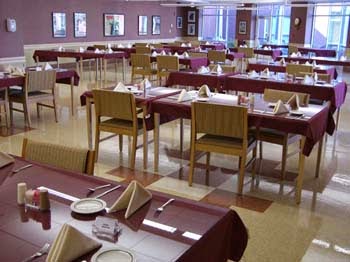
Dining room
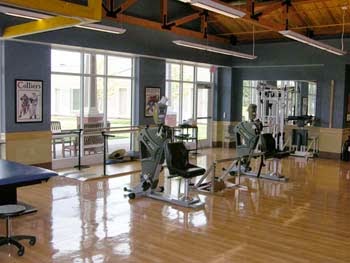
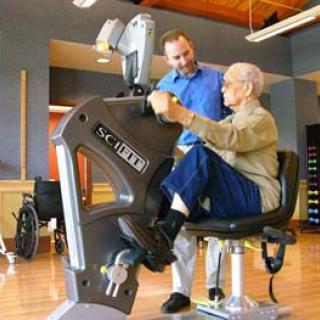
Fitness room
Fully furnished
Gaming room
Garden
Housekeeping services
Kitchenette
Move-in coordination
Outdoor space
Private bathrooms
Restaurant-style dining
Small library
Telephone
Wellness center
Wi-Fi/high-speed internet available
Transportation
Richmond International (8 miles away)
Community operated transportation
Transportation arrangement
Transportation arrangement (non-medical)
Transportation to doctors appointments
Care Services
12-16 hour nursing
24-hour call system
24-hour supervision
Activities of daily living assistance
Assistance with bathing
Assistance with dressing
Assistance with transfers
Diabetes diet
Meal preparation and service
Medication management
Mental wellness program
Special dietary restrictions
Dining
Diabetes diet
Special dietary restrictions
Activities
Community-sponsored activities
Concierge services
Fitness programs
Planned day trips
Resident-run activities
Scheduled daily activities
Nearby Places of Interest
Hospitals
Hunter Holmes McGuire VA Medical Center (0.3 miles)
Vcu Health System Authority (3.6 miles)
Children's Hospital of Richmond at VCU (3.9 miles)
Hospital Hospitality House (3.9 miles)
VCU Critical Care Hospital (3.9 miles)
VCU Medical Center Emergency Department (4.2 miles)
Bon Secours Richmond Community Hospital (4.6 miles)
Parks
Forest Hill Park (1.8 miles)
Barker Field Dog Park (3.3 miles)
Dogwood Dell (3.4 miles)
Libby Hill Park (3.6 miles)
Monroe Park (3.8 miles)
Brown's Island (3.8 miles)
Chimborazo Park (3.9 miles)
Pharmacies
Rite Aid (2 miles)
Walgreens (2.2 miles)
CVS Pharmacy (2.3 miles)
CVS Pharmacy (3.5 miles)
McGuire Park Pharmacy (3.5 miles)
CVS Pharmacy (3.6 miles)
Paragon Pharmacy (3.6 miles)
Restaurants
The Boathouse at Rocketts Landing (3.3 miles)
Sine Irish Pub & Restaurant (3.4 miles)
Rosie Connolly's Pub Restaurant (3.5 miles)
Station 2 (3.5 miles)
Capital Ale House (3.6 miles)
LuLu's (3.6 miles)
Triple Crossing B (3.6 miles)
Cafes
Quench (3.4 miles)
Ironclad Coffee Roasters (3.7 miles)
Riverbend Coffee (3.8 miles)
Starbucks (3.8 miles)
Lamplighter (3.9 miles)
Union Market (4 miles)
Starbucks (4.4 miles)
Physicians
Bhatti Jawad Dr Virginia Pain Network And Clinics Richmond (3.5 miles)
OrthoVirginia - Chippenham (3.7 miles)
Bergen Nelson, MD, MS (3.8 miles)
MCV Children's Pavillion (3.8 miles)
Wickersham Jodi Hume Lee Transplant Clinic Richmond (3.9 miles)
Clanton, Samuel Ambulatory Care Center (3.9 miles)
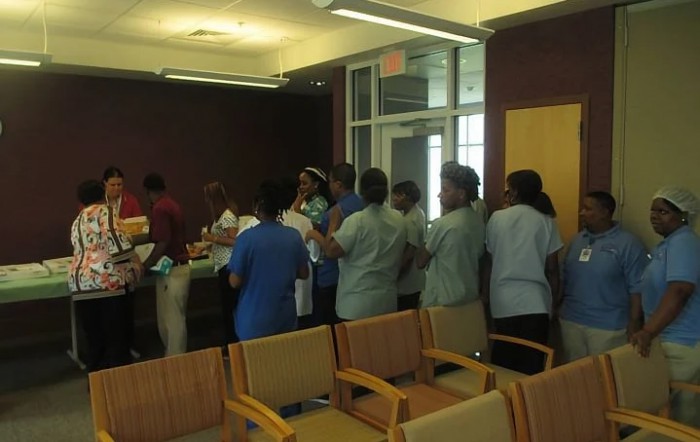
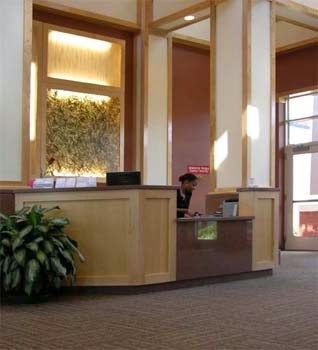
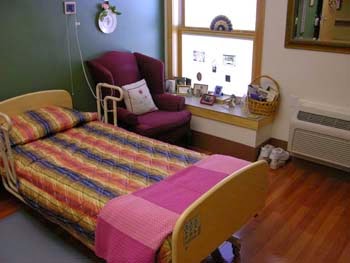
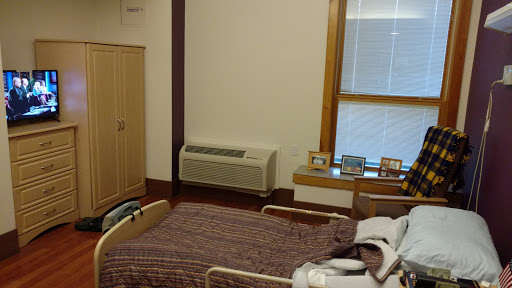
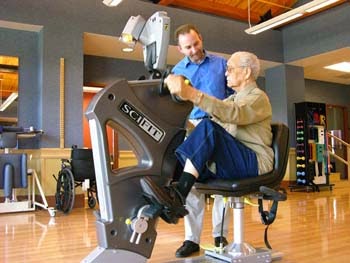
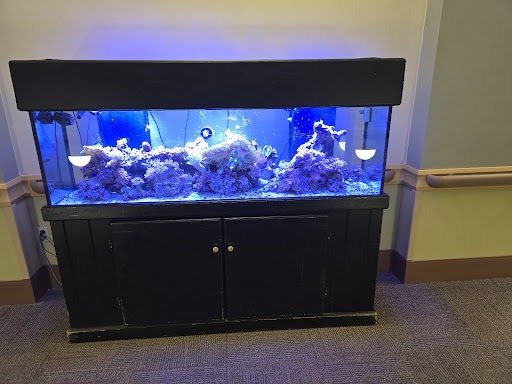
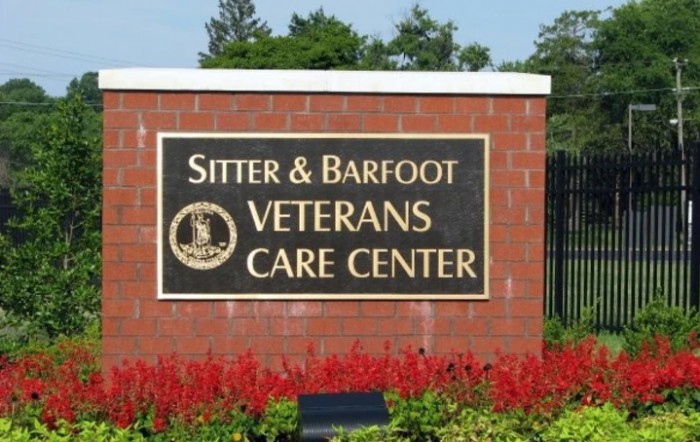
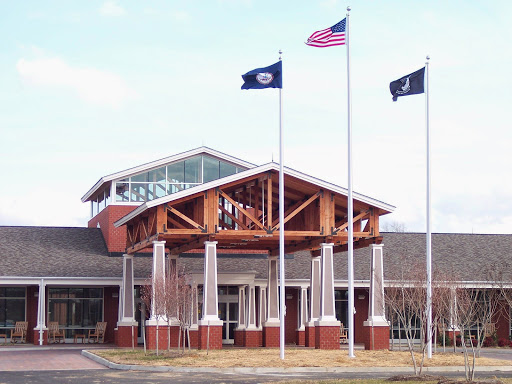
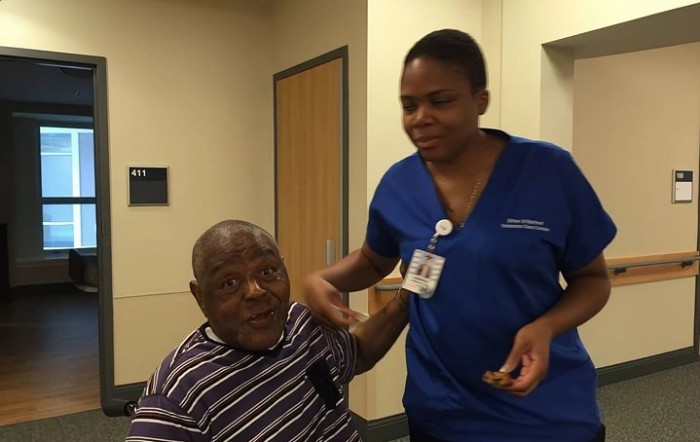
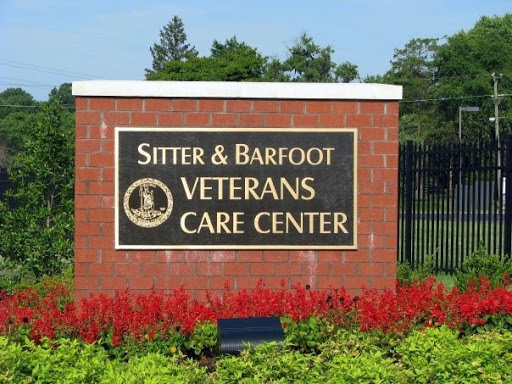
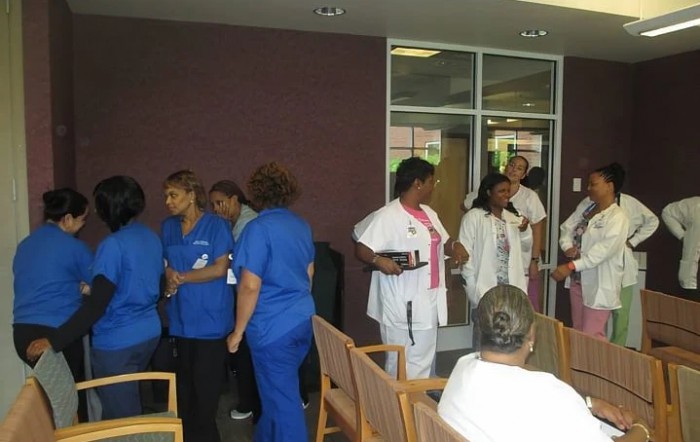
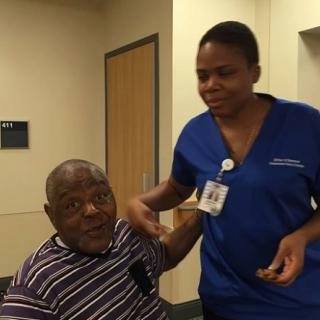
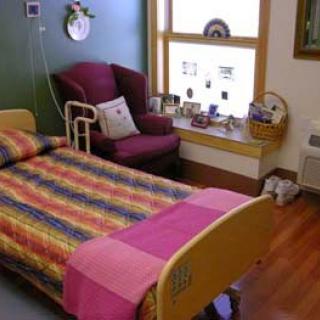
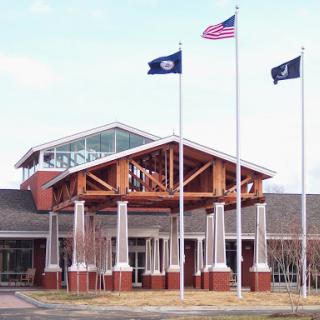
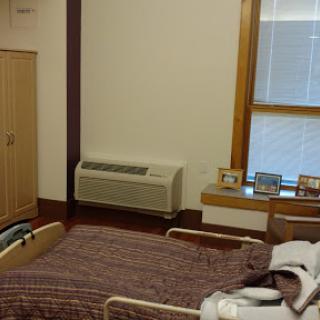
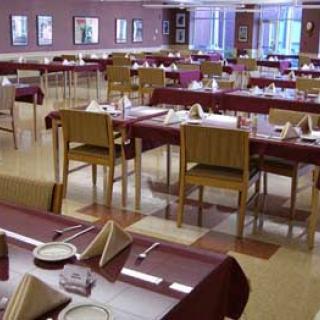
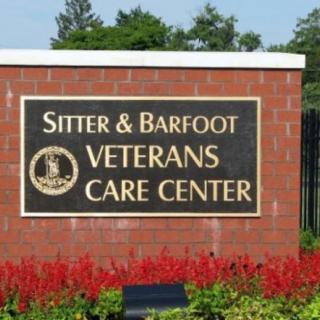
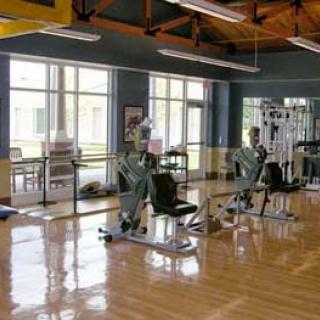
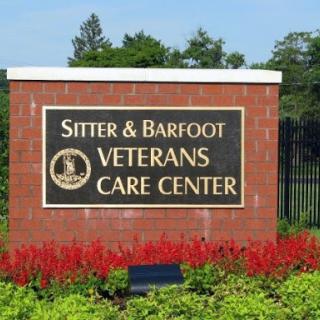
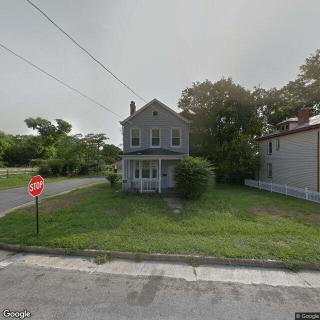
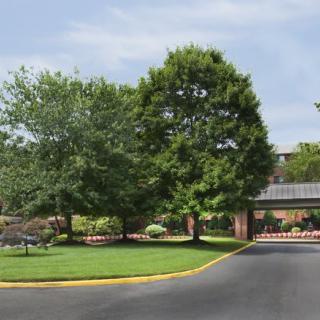
Sitter And Barfoot Veterans Care Center on seniors.fyi includes 14 photos including images showing interior, healthcare, outdoor, exercise equipment, building, architecture, dining, landscaping, and more.
Nearby Communities
Aspen Home Care
Richmond, VA
3.8 from 8 reviews
Convenient access to healthcare and amenities nearby (pharmacies, physicians, hospitals, parks, cafes, restaurants, transit).
Community Care Assisted Living Of Virginia
Richmond, VA
4.6 from 87 reviews
Fully furnished units with meals, housekeeping, 24-hour supervision, and medical transportation.
Fecal incontinence, prevalent among older adults, arises from factors like weakened pelvic muscles and nerve damage, significantly affecting well-being and social interactions. Diagnosis involves clinical evaluation and tests to inform tailored treatments, while caregivers and preventive measures can aid in managing the condition effectively.
Anticipatory grief is an emotional response to the impending loss of a loved one, characterized by complex emotions such as sadness and anger, and involves navigating stages similar to those identified by Kübler-Ross. Coping strategies are vital for managing this process, emphasizing compassionate communication, self-care, and support groups while recognizing the cultural influences on grieving.
Adult day care programs offer essential support and activities for older adults, yet many hesitate to participate due to concerns about independence and stigma. To alleviate these apprehensions, families should facilitate open discussions, explore financial resources, suggest trial visits, and collaborate with healthcare providers to highlight the benefits of such services for both the participants and their caregivers.
Get PricingAsk A QuestionSchedule A TourContact Senior Advisor
By clicking submit, you agree to our Partner's Terms of Use. You
also consent to receive calls and texts, which may be autodialed, from our Partner. Your consent is not a condition to
using our Partner's service. Please visit our Partner's Privacy Policy for information about their privacy practices.




 200 resident community capacity
 Skilled Nursing Facility
 Air-conditioning
 Beauty salon
 Cable or satellite TV
 Computer center
 Dining room
 Fitness room
 Fully furnished
 Gaming room
 Garden
 Housekeeping services
 Kitchenette
 Move-in coordination
 Outdoor space
 Private bathrooms
 Restaurant-style dining
 Small library
 Telephone
 Wellness center
 Wi-Fi/high-speed internet available
 Richmond International (8 miles away)
 Community operated transportation
 12-16 hour nursing
 24-hour call system
 Activities of daily living assistance
 Assistance with bathing
 Assistance with dressing
 Assistance with transfers
 Diabetes diet
 Medication management
 Mental wellness program
 Special dietary restrictions
 Concierge services
 Planned day trips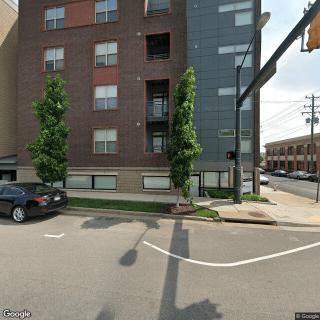
 Convenient access to healthcare and amenities nearby (pharmacies, physicians, hospitals, parks, cafes, restaurants, transit).

 Fecal Incontinence in Older Adults: A Comprehensive Guide
 Recognizing the Journey: Understanding and Navigating Anticipatory Grief
 Encouraging Participation in Adult Day Care: A Guide to Supporting a Hesitant Parent