
401 Norcroft Cir, Richmond, VA 23225
To contact a resident: (804) 232-5207
For more information about senior living options: (866) 208-4318
Overall Review of Norcroft Townhomes
Pros
 The staff is wonderful.
- They offer programs and activities for residents, including exercise and days for seniors.
- They provide transportation for residents.
- The food and dining room are wonderful, with meals tailored to dietary needs.
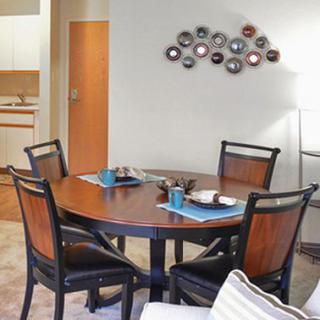
- The rooms are nice and spacious.
- Security is visible and doors lock automatically for safety.
- It is described as a good community.
Cons
 The office staff suck and don’t return calls.
- Edwin appears overworked or not interested in helping tenants.
- They should hire more female staff in the office.
- The tenant is frustrated by a stinkbug infestation that remains untreated at the entry points.
- The entryway and window are covered with stinkbugs, requiring daily removal.
- The applicant received no courtesy response or return calls after requesting income guidelines, which felt rude and unacceptable, leading them to withdraw interest.
Review
Norcroft Townhomes in Richmond is best suited for independent seniors and couples who want a self-contained, apartment-style setting with a broad menu of social activities, reliable transportation to shops and appointments, and meals that accommodate specific needs. The community tends to reward residents who value structured programming and a sense of security over pristine administrative systems. Those who want a flawless, always-responsive management experience, or who must live pest-free with zero maintenance friction, should consider alternatives.
The strongest upside lies in programming and daily life logistics. Residents report access to organized outings, grocery trips, and a calendar that includes exercise sessions and senior-focused activities such as music days. The dining experience is repeatedly praised, with meals described as tasty and accommodating to dietary requirements, including diabetes considerations. Transportation is a real asset, easing trips to stores and services without reliance on family or friends. The living spaces themselves are noted as spacious and comfortable enough for couples, with bathrooms described as large enough for joint use. On-site security presence and auto-locking doors contribute to a sense of safety that many seniors value highly.
Yet the cons are stubborn and cannot be dismissed. Administrative responsiveness is a recurring sore spot. Multiple reviews highlight difficulty reaching the office, with missed calls or delayed responses that leave prospective residents and families frustrated. One thread of feedback emphasizes the difficulty of obtaining income guidelines and verification information, underscoring a communications gap that can derail the move-in process. Pest control concerns also surface repeatedly: stinkbugs have been a persistent burden, and despite treatments, the entry points or holes remain unaddressed in some units, eroding comfort and trust. Taken together, these issues point to a management experience that can feel overtaxed or reactive rather than proactive.
The pros and cons pull in opposite directions depending on what families prioritize. For households prioritizing social engagement, dependable transport, and predictable meal service, the positives can effectively outweigh the negatives. The ability to participate in group activities, coupled with access to transportation and a dining program that accommodates health needs, can sustain independence and reduce isolation, an important factor for long-term quality of life. The security features likewise create a buffer against common anxieties about safety in a senior living environment. However, the same strengths become less persuasive if administrative friction or pest problems dominate daily life. In that case, the experience can feel inconsistent, and the lure of strong programming may not compensate for repeatedly delayed information or ongoing maintenance irritants.
Potential residents who should consider alternatives are those who require consistently reliable, quick communication from management, transparent and predictable administrative processes, and interior spaces that are unquestionably pest-free. If the move hinges on a flawless intake experience, a rigorous pest-control track record, or a staff culture that pairs warmth with flawless responsiveness, it is prudent to compare Norcroft with other local options. The mixed reviews , praising activities and meals in some cases, while lamenting outreach and pest-control gaps in others , signal that outcomes are highly contingent on which staff members are on site and how issues are prioritized. Families with higher tolerance for administrative hiccups or with a preference for a strong social framework may still choose Norcroft, but those needing a more seamless service experience should keep alternative choices in view.
For a practical decision, prospective residents should structure visits around concrete, decision-driving questions. Ask to see current meal plans and sample menus, and request a copy of the most recent inspection or housekeeping standards related to pest control, plus a clear schedule for treatment and any repairs to entry points. Request a walkthrough of the unit to assess space, storage, and any maintenance needs, and verify how quickly urgent maintenance requests are typically addressed. Interview multiple staff members, including those who handle leasing and resident services, to gauge consistency and willingness to communicate. During tours, engage current residents about responsiveness and the reliability of transportation and activities. Finally, obtain a concrete outline of income-verification steps, required documentation, and the timeline from inquiry to potential move-in. If these elements align with expectations, Norcroft can be a strong fit for an active, security-conscious senior who values community life; if not, the prudent path is to explore alternatives with a stronger track record of administrative reliability and pest-control effectiveness.
 Active Adult Communities (55+)
 Cats allowed
 Dogs allowed
 Richmond International (9 miles away)
 Weight Training for Seniors: Building Strength and Vitality
 Understanding the Sandwich Generation: Stress and Responsibilities for Multigenerational Caregivers
 8 Essential Assistive Devices for Older Adults