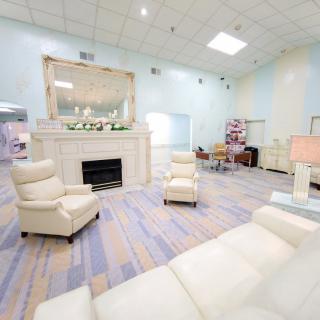
St John's Nursing Home in Lynchburg, VA
Save
Information last verified:
3500 Powhatan St, Lynchburg, VA 24501
For more information about senior living options: (844) 490-3973
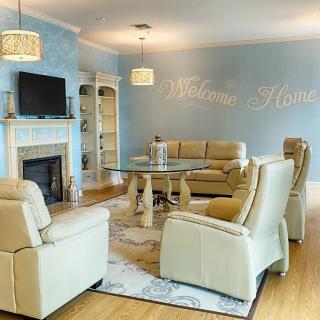
This community is best suited for families seeking strong rehabilitation and consistently attentive daytime care for a loved one recovering from surgery, a medical setback, or a need for short- to mid-term rehab. The core strength repeatedly cited is the quality and dedication of the nursing and therapy teams during the day: attentive front-desk staff, compassionate nurses, and therapists who plan and execute achievable recovery goals. Residents often enjoy a clean, orderly environment and a supportive atmosphere that provides real peace of mind for families. When a rehab–centered plan is central, this community tends to deliver meaningful progress and reliable hands-on care that helps loved ones regain mobility and independence.
However, several reviews indicate that potential residents should weigh the possibility of inconsistent experiences, especially around staffing continuity and communications that reach families. Night shift reliability, response times to calls, and administrative follow-through appear to vary. A subset of families report serious lapses in oversight, including delayed hospital discharge paperwork, missed care instructions, and in some cases concerns about safety and dignity. The contrasts are stark: the day staff may be praised for thorough, compassionate care, while other accounts describe gaps in 24/7 coverage, and tense or neglected moments that escalate worry for families with long-term or high-need residents.
The strongest offset to these concerns lies in the demonstrable strength of the rehab and clinical teams. When therapy is prescribed, the PT/OT staff are repeatedly described as capable, goal-driven, and collaborative with families. Nurses and aides on many shifts are recognized for their professionalism, quick responsiveness, and genuine warmth toward residents. Cleanliness, structured routines, and the overall atmosphere contribute to a sense of security and normalcy for loved ones. Leadership, cited by several families as engaged and supportive, can meaningfully influence daily operations and resident outcomes, particularly in coordinating care plans, therapy schedules, and discharge planning.
For families evaluating this community, the decision hinges on whether rehab efficacy and day-to-day attentiveness align with the preferred level of oversight and communication. If a loved one’s needs are primarily rehabilitation-focused and the plan emphasizes consistent progress in mobility, endurance, and adaptive equipment, this facility can deliver solid results. On the flip side, if 24/7 reliability, flawless communication with families, and a uniformly high standard of care across all shifts are non-negotiables, alternatives may be worth exploring. Prospective residents should demand concrete assurances about night staffing levels, response times after hours, and the process for escalating concerns to administration.
To navigate this decision effectively, schedule multiple visits at different times (including evenings) to observe how staff respond to bells, how shifts hand off care, and how the care-planning process unfolds in real time. Request to meet the administrator or director of nursing and ask for written copies of current care plans, therapy schedules, and discharge planning timelines. Speak with several current residents and family members about day-to-day experiences, especially on weekends. Inquire specifically about how incidents are documented and followed up, what systems exist for preventing lapses, and how quickly concerns are addressed when raised.
The bottom line is pragmatic: this community can be an excellent choice for rehab-focused care when the day-to-day healing environment is prioritized, and leadership is actively guiding the process. Yet it carries meaningful caveats about nighttime reliability and communication consistency that can swing the experience from reassuring to disconcerting. For families that prioritize a robust, well-staffed rehab track and are prepared to engage closely with management to ensure smooth coordination, this facility stands out as a credible option. For those whose comfort hinges on constant, unquestioned 24/7 coverage and seamless family communication, it is wise to look at additional options and compare how each venue balances therapy intensity with staffing stability. Proceed with diligence, and the decision will align with the specific balance of rehabilitation needs and oversight comfort that best fits the loved one’s situation.
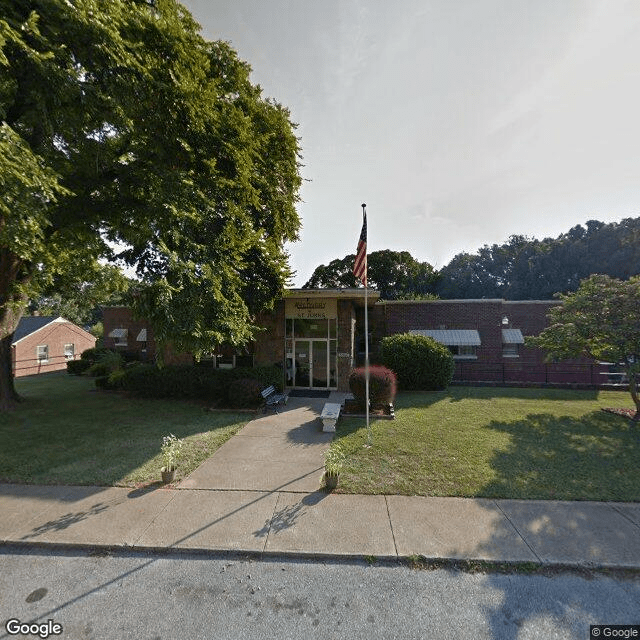
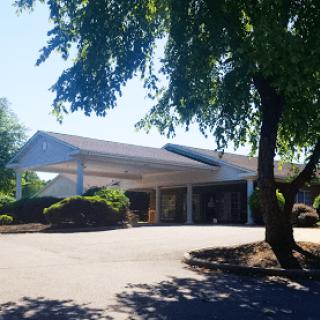
St. John's Nursing Home, located in the heart of Lynchburg, VA, offers a vibrant and supportive assisted living community designed to enhance the quality of life for its residents. Surrounded by an array of amenities and services, St. John's provides a nurturing environment where individuals can thrive.
Residents enjoy easy access to 36 nearby physicians and 8 hospitals, ensuring that healthcare needs are promptly addressed. For everyday essentials, there are 5 pharmacies within close proximity, making it convenient for residents to obtain medications and health supplies.
Culinary delights await just around the corner with 35 restaurants and 4 cafes nearby, offering a variety of dining options that cater to different tastes and preferences. Residents can savor meals out or enjoy organized outings with friends and family.
For those who appreciate the great outdoors, there are 3 parks nearby where residents can take leisurely walks or participate in recreational activities, promoting physical well-being and social interaction. St. John's also fosters spiritual wellness with 7 places of worship in the vicinity catering to diverse faiths.
Entertainment is never far away with a theater nearby for movie nights and cultural events. Additionally, the presence of local transportation options ensures that residents have easy access to all these amenities and can partake in community events or visits without hassle.
At St. John’s Nursing Home, residents experience compassionate care tailored to their unique needs while enjoying an active lifestyle enriched by a supportive community atmosphere.
This part of Lynchburg, Virginia offers a convenient and diverse range of amenities for senior living. With easy access to transportation options such as the nearby Amtrak station, seniors can easily travel around the area. There are several cafes where residents can enjoy a cup of coffee and socialize with friends, as well as a variety of restaurants offering different dining options. The proximity to multiple hospitals and physicians offices ensures that seniors have access to quality healthcare services. Additionally, there are places of worship for spiritual fulfillment and pharmacies for convenient medication needs. Overall, this neighborhood provides a well-rounded environment for seniors looking for a vibrant community with essential services nearby.
St John's Nursing Home is located at 3500 Powhatan St, Lynchburg, VA 24501 in Lynchburg city, Virginia
Caregiver Exhaustion: Recognizing the Signs and Restoring Your Well-Being

Caregiver exhaustion, or burnout, stems from the relentless demands of caregiving, leading to emotional and physical depletion characterized by stress, frustration, and neglect of personal needs. Addressing this burden is essential to prevent long-term consequences, with early recognition and support being crucial for caregivers to maintain balance and implement self-care.
Understanding Hospice Care at Home: Comprehensive Services, Key Benefits, and Eligibility

Hospice care at home provides specialized end-of-life support that focuses on comfort and dignity for individuals with life-limiting illnesses, offering a range of services including medical management, emotional and spiritual support, and logistical assistance tailored to the family's needs. It involves collaboration to create individualized care plans and extends to bereavement support after a loved one's passing.
Understanding the Full Cost of 24/7 In-Home Care: A Detailed Overview
The guide outlines the rising costs of 24/7 in-home care, ranging from $10,000 to over $20,000 monthly, driven by factors such as location and caregiver qualifications. It discusses the limited coverage by Medicare and private insurance, potential Medicaid support, and the emotional and living condition considerations influencing families' decisions on care arrangements.