Henrico Health & Rehabilitation Center in Highland Springs, VA

Save
Henrico Health & Rehabilitation Center Henrico Health & Rehabilitation Center Henrico Health & Rehabilitation Center Henrico Health & Rehabilitation Center

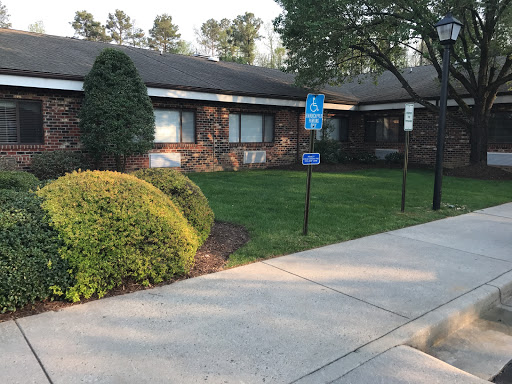
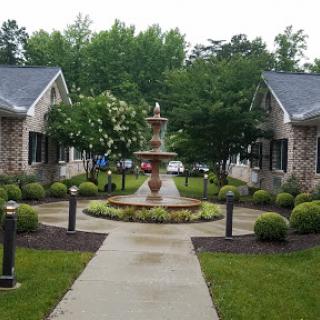
Henrico Health & Rehabilitation Center in Highland Springs, VA

Information last verified:

561 North Airport Drive, Highland Springs, VA 23075

For more information about senior living options: (844) 490-3973

4.1 from 107 reviews
5 stars
71
4 stars
13
3 stars
5
2 stars
2
1 stars
16

Overall Review of Henrico Health & Rehabilitation Center

Pros

  • pro The staff are friendly and helpful, greeting visitors with smiles.
  • pro The facility is clean, well maintained, and pleasantly scented.
  • pro The front desk staff provide courteous and welcoming service.
  • pro The Activity Director Joshua is engaging and caring, well-liked by residents.
  • pro Nurses and CNAs are compassionate, patient, and attentive to residents' needs.
  • pro The rehabilitation center is wonderful, with amazing staff.
  • pro Families feel relieved and confident because care is attentive and respectful.
  • pro Management and staff collaborate to improve care and support residents.

Cons

  • pro The smell of urine throughout the hall was nauseous.
  • pro This cannot be sanitary or healthy for the patients, the staff or visitors.
  • pro This place was voted one of the worst nursing homes in the country.
  • pro They just got investigated for allegations of abuse.
  • pro DISRESPECTFUL!!! First word that came to my mind. When I went to visit a loved one, they were hanging off the bed!!
  • pro Lunch was NOT provided to him due to the facility placing him in the hallway in a wheelchair at 4 a.m.
  • pro The nurses are awful on the weekends they don't even answer the call bells.
  • pro My mom received the worst care anyone could imagine.
  • pro This facility is a horror house.

Review

This community is best suited for families seeking a rehab- and recovery-focused environment where therapy is practical, staff are approachable, and the atmosphere feels welcoming to visiting loved ones. Henrico Health & Rehabilitation Center tends to reward residents who respond well to hands-on care, consistent daily routines, and an active program of therapy and activities. It is especially fitting for short- to mid-term post-acute stays where the goal is functional improvement, confidence-building, and a sense of belonging delivered by a staff that many families describe as friendly, patient-centered, and accessible at the front desk and beyond. Those who prize a homey vibe, visible smiles, and reliable interaction with therapists and aides will find the core experience here compelling.

However, alternatives should be on the radar for families with particular nonnegotiables. If there is a demand for absolutely flawless, uniform staffing and instant, flawless call-bell responses around the clock, this facility may not consistently meet that bar. Some families report experiences that range from excellent to concerning, including perceptions of neglect and delays in care, especially on weekends or during busy shifts. For residents with complex behavioral or safety needs, or for those who require highly specialized memory care or continuous supervision, other communities with stronger acuity support and more predictable staffing patterns may be more appropriate. In short, this center can be an excellent fit for rehab-first stays, but families should have a backup in mind if comprehensive, around-the-clock assurance is indispensable.

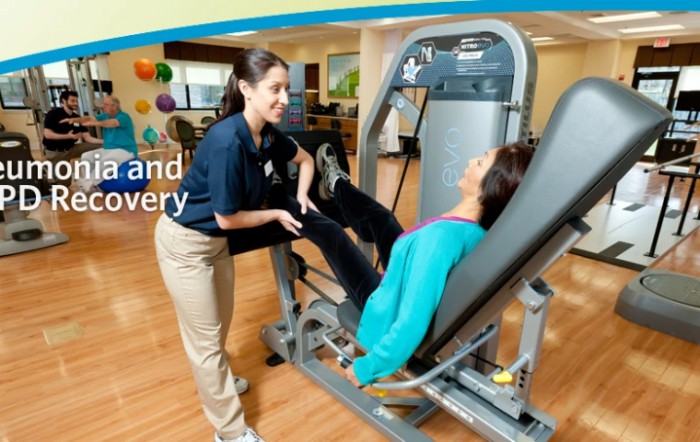
On the positive side, the strongest selling points are unmistakable. The facility frequently earns praise for friendly, courteous staff and a front desk that feels both professional and welcoming. Cleanliness and a pleasant, fresh scent around common areas contribute to an atmosphere that reinforces trust during visits. The therapy department is repeatedly highlighted as a major strength, with many residents showing meaningful progress and caregivers describing the team as capable and persistent in advancing mobility, strength, and daily functioning. The Activities Director and social engagement efforts draw resident participation and family appreciation, creating opportunities for social connection that enrich recovery and mood. When those elements align, families feel secure about the daily care plan and the day-to-day atmosphere.

That said, several substantial cons temper the overall impression. Odor control and general sanitation emerge as recurring concerns in some reviews, with reports of persistent smells and occasional cleanliness lapses that raise questions about comfort and infection risk. Staffing consistency and responsiveness also appear as a common fault line: some visitors recount timely assistance, while others describe delays in call-bell response, missed medications, or bedside attention that feels ad hoc. Temperature control and room quality surface in a few accounts, with notes about rooms feeling too warm or maintenance issues such as blinds and walls needing attention. Food quality and meal presentation are described as variable, which matters for residents who rely on institutional meals as a major daily routine. Taken together, the negatives are real enough to warrant careful investigation before committing to a longer stay.

The key pros offset many of the major drawbacks when properly managed and when families remain actively involved. The upbeat, professional demeanor of the staff and the visible commitment of frontline caregivers help mitigate concerns about occasional delays by providing reassurance through consistent communication and attentive observation. The strong rehabilitation focus, paired with a working therapy team that can demonstrate progress, often translates into tangible improvements in independence and safety, which can justify the trade-offs for families prioritizing recovery outcomes. Cleanliness and a welcoming front-of-house experience reinforce a sense of safety and dignity, reducing anxiety during transitions into and out of the facility. When leadership signals ongoing staffing improvements and implements corrective steps, the overall trajectory becomes more favorable and predictable for residents and their families.

For families making a decision, the practical path is clear. Prioritize a comprehensive tour that includes a weekend or evening visit to observe staffing patterns in real time, listen for call-bell responsiveness, and assess room conditions and odor control across different wings. Ask specifically about CNA-to-resident ratios, nursing coverage during peak hours, and the process for medication administration and room service. Request a candid conversation with the therapy team about expected milestones and discharge planning, and verify the availability of the Activities Director to sustain meaningful engagement. If possible, obtain recent family references who can speak to sustained improvements, ongoing communication, and how concerns were handled by leadership. This due diligence will reveal whether Henrico Health & Rehabilitation Center’s strengths align with the family’s priorities.

In the end, Henrico Health & Rehabilitation Center is a practical choice for families seeking rehab-focused care delivered in a warm, approachable environment with a capable therapy program and a clean, inviting setting. It shines where attentiveness and daily engagement matter most, and where leadership willingness to address staffing and operational gaps can translate into real progress for residents. It is less compelling for those requiring impeccable consistency in every shift, flawless odor control, and uniformly exceptional meal quality across all units. For families with moderate risk tolerance seeking measurable rehab gains and a home-like atmosphere, this community often proves a strong, if not flawless, partner in the care journey, and that balance often makes it worth choosing over nearby options that lean more heavily toward either clinical rigor or comfort with less clinical polish.

Features

Housing

  • 120 resident community capacity 120 resident community capacity

Types of Care

  • Skilled Nursing Facility Skilled Nursing FacilitySkilled Nursing Facilities are crucial for seniors as they provide round-the-clock medical care, rehabilitation services, and assistance with daily activities. These facilities ensure that seniors receive the specialized care they need to maintain their health and well-being as they age.

Amenities

  • Air-conditioning Air-conditioningAir conditioning is important for seniors as they are more vulnerable to heat-related illnesses and may have underlying health conditions that make it difficult for them to regulate their body temperature. It helps to keep them comfortable, safe, and healthy in hot weather.
  • Beauty salon Beauty salonBeauty salons are important for seniors because they provide a space for them to feel pampered, socialize, and maintain their personal grooming and hygiene. Regular visits to a beauty salon can help boost seniors' self-esteem and overall well-being.
  • Cable or satellite TV Cable or satellite TVCable or satellite TV is important for seniors because it provides entertainment, news, and companionship, helping to combat loneliness and boredom. It also offers a wide range of programming options tailored to different interests and preferences.
  • Computer center Computer centerA computer center is essential for seniors as it provides access to technology, communication tools, and resources that can enhance their daily lives. It allows them to stay connected with loved ones, engage in online activities, and learn new skills, ultimately promoting socialization and mental stimulation.
  • Dining room Dining roomDining rooms are important for seniors as they provide a space for socialization, connection, and nutritious meals. They offer opportunities for residents to bond over shared meals, foster a sense of community, and promote healthy eating habits. Dining rooms also ensure that seniors have access to well-balanced meals tailored to their dietary needs and preferences.
  • Fitness room Fitness roomHaving a fitness room in a senior living community is essential for seniors to stay active, maintain their physical health, and improve their overall well-being. Regular exercise can help prevent falls, reduce the risk of chronic diseases, and promote mental sharpness. It also provides social opportunities for residents to connect with others and enjoy a sense of community.
  • Fully furnished Fully furnishedFully furnished senior living communities are important for seniors because they provide convenience, comfort, and a hassle-free moving experience. Seniors can easily settle into their new living space without the stress of having to buy and move furniture. This allows them to focus on enjoying their new home and community.
  • Gaming room Gaming roomGaming rooms are important for seniors as they provide a fun and engaging environment for socializing, cognitive stimulation, and physical activity. Games can improve memory, problem-solving skills, and overall mental well-being while fostering friendships and reducing feelings of isolation.
  • Garden GardenGardens are important for seniors as they provide a peaceful and therapeutic environment for relaxation, physical activity, and socialization. Being in nature has been shown to reduce stress, improve mood, and promote overall well-being. Gardens also offer opportunities for seniors to engage in gardening activities, which can improve mobility, flexibility, and cognitive function. Additionally, gardens create a sense of community and connection with others who share a passion for plants and outdoor spaces.
  • Housekeeping services Housekeeping servicesHousekeeping services are important for seniors because they help maintain a clean and safe living environment, promote independence, and reduce the risk of accidents or illnesses. Additionally, having assistance with household chores can alleviate physical strain and allow seniors to focus on other aspects of their well-being.
  • Kitchenette KitchenetteKitchenettes are important for seniors living in senior living communities because they provide the convenience and independence of being able to prepare simple meals and snacks in the comfort of their own living space. This can help promote a sense of autonomy and well-being for seniors, allowing them to maintain some level of control over their dietary choices and daily routines.
  • Move-in coordination Move-in coordinationMove-in coordination is important for seniors because it helps ease the transition into their new living environment. It ensures that all logistics, such as packing, organizing movers, and setting up utilities are taken care of, allowing seniors to focus on settling in and adjusting to their new home. Having a smooth move-in process can alleviate stress and anxiety, making the transition smoother and more enjoyable for seniors.
  • Outdoor space Outdoor spaceOutdoor spaces are important for seniors as they provide opportunities for physical activity, social interaction, exposure to natural light and fresh air, and a sense of connection to nature. Having access to outdoor spaces can improve overall well-being and quality of life for older adults living in senior communities.
  • Private bathrooms Private bathroomsPrivate bathrooms are important for seniors in senior living communities because they provide independence, dignity, and comfort. Having a private bathroom allows seniors to maintain their personal hygiene routines without the need for assistance, promoting a sense of autonomy and privacy. Additionally, private bathrooms help prevent the spread of infections and provide a safe and clean environment for seniors to navigate safely.
  • Restaurant-style dining Restaurant-style diningRestaurant-style dining is important for seniors because it allows them to enjoy delicious, nutritious meals in a social and upscale setting. This enhances their dining experience, promotes healthy eating habits, and fosters socialization with fellow residents, ultimately contributing to their overall well-being and quality of life.
  • Small library Small librarySmall libraries are important for seniors as they provide access to a variety of reading materials, including books, newspapers, and magazines. This can help stimulate their minds, keep them engaged, and provide a sense of community through book clubs and other social activities. Additionally, reading has been shown to improve cognitive function and overall mental well-being in older adults.
  • Telephone TelephoneTelephones are important for seniors as they provide a lifeline for communication with loved ones, emergency services, and healthcare providers. They offer a sense of security and independence, enabling seniors to stay connected and access assistance when needed.
  • Wellness center Wellness centerWellness centers are important for seniors because they offer a variety of programs and services that promote physical, mental, and emotional well-being. These centers provide opportunities for exercise, socialization, education, and relaxation, helping seniors maintain their overall health and quality of life.
  • Wi-Fi/high-speed internet available Wi-Fi/high-speed internet availableWi-Fi/high-speed internet is important for seniors to stay connected with loved ones, access online resources, and participate in virtual activities to combat feelings of loneliness and isolation. It also allows them to easily manage healthcare needs, access entertainment, and engage in lifelong learning opportunities.

Transportation

  • Richmond International (3 miles away) Richmond International (3 miles away)
  • Community operated transportation Community operated transportationCommunity operated transportation is crucial for seniors as it provides them with the means to access essential services, social activities, and medical appointments. It allows seniors to maintain their independence and quality of life by ensuring they can participate in activities outside of their homes. Additionally, community-operated transportation services offer a safe and reliable way for seniors to travel without having to rely on family or friends for assistance.
  • Transportation arrangement Transportation arrangementTransportation arrangements are crucial for seniors as they may face challenges with driving, mobility, or access to public transportation. Having reliable transportation services ensures that seniors can easily attend appointments, social activities, and maintain their independence and quality of life.
  • Transportation arrangement (non-medical) Transportation arrangement (non-medical)Transportation arrangements are essential for seniors as they provide access to essential services, activities, and social interactions outside the home. This service helps maintain independence, mobility, and overall well-being for seniors who may have limited transportation options.
  • Transportation to doctors appointments Transportation to doctors appointmentsTransportation to doctors appointments is crucial for seniors as it ensures they have access to necessary medical care and support, promoting their health and well-being. It allows them to receive timely treatment, monitor existing conditions, and address any new health concerns efficiently. Additionally, transportation services can help seniors maintain their independence and quality of life by enabling them to stay connected with their healthcare providers.

Care Services

  • 12-16 hour nursing 12-16 hour nursing12-16 hour nursing care is crucial for seniors in order to ensure around-the-clock monitoring, timely medication administration, and prompt response to any health concerns or emergencies. This level of care helps to promote the overall well-being and safety of seniors living in senior living communities.
  • 24-hour call system 24-hour call system24-hour call systems are important for seniors because they provide peace of mind and immediate assistance in case of emergencies. This technology ensures that help is always available, promoting safety and security for elderly individuals living alone or in assisted living facilities.
  • 24-hour supervision 24-hour supervision24-hour supervision is important for seniors to ensure their safety, well-being, and access to immediate assistance in case of emergencies or health issues. This constant support provides peace of mind for both seniors and their loved ones, allowing them to age in place with dignity and security.
  • Activities of daily living assistance Activities of daily living assistanceActivities of daily living assistance are important for seniors because they provide essential support with tasks such as eating, bathing, dressing, and mobility. This assistance helps seniors maintain their independence, dignity, and overall quality of life as they age.
  • Assistance with bathing Assistance with bathingAssistance with bathing is crucial for seniors as it helps maintain personal hygiene, prevents infections, and ensures their overall well-being and comfort. It also provides a sense of dignity and independence for seniors who may struggle with this task on their own.
  • Assistance with dressing Assistance with dressingAssistance with dressing is important for seniors because it helps maintain their independence, promotes personal hygiene, prevents accidents and injuries, and improves overall quality of life. This service ensures that seniors can continue to dress comfortably and confidently, despite any physical limitations they may have.
  • Assistance with transfers Assistance with transfersAssistance with transfers is crucial for seniors as it helps prevent falls and injuries, maintains their independence, and ensures they can safely navigate their living environment. It also provides peace of mind for both seniors and their loved ones.
  • Diabetes diet Diabetes dietA diabetes diet is crucial for seniors as it helps manage blood sugar levels, reduce risks of complications, and improve overall health and well-being. By following a balanced and nutritious diet tailored to their specific needs, seniors can better control their diabetes and enhance their quality of life.
  • Meal preparation and service Meal preparation and serviceMeal preparation and service are crucial for seniors as they may have limited mobility or energy to cook nutritious meals. Having access to healthy and convenient food options can ensure they are getting the proper nutrition needed to maintain their overall health and well-being.
  • Medication management Medication managementMedication management is crucial for seniors to ensure they are taking the right medications at the correct dosages and times. This helps prevent adverse drug interactions, reduces the risk of medication errors, and promotes overall health and well-being. Proactive management also allows for adjustments as needed based on changing health conditions or new prescriptions.
  • Mental wellness program Mental wellness programMental wellness programs are essential for seniors as they promote cognitive stimulation, emotional support, and social engagement. These programs help prevent isolation, depression, and cognitive decline, ultimately enhancing the overall quality of life for older adults.
  • Special dietary restrictions Special dietary restrictionsSpecial dietary restrictions are important for seniors because age-related changes in metabolism and health conditions can make it difficult for their bodies to process certain foods. By following a diet tailored to their specific needs, seniors can maintain their overall health and well-being, manage chronic conditions, and reduce the risk of complications such as malnutrition or food interactions with medications.

Dining

  • Diabetes diet Diabetes dietA diabetes diet is crucial for seniors as it helps manage blood sugar levels, reduce risks of complications, and improve overall health and well-being. By following a balanced and nutritious diet tailored to their specific needs, seniors can better control their diabetes and enhance their quality of life.
  • Special dietary restrictions Special dietary restrictionsSpecial dietary restrictions are important for seniors because age-related changes in metabolism and health conditions can make it difficult for their bodies to process certain foods. By following a diet tailored to their specific needs, seniors can maintain their overall health and well-being, manage chronic conditions, and reduce the risk of complications such as malnutrition or food interactions with medications.

Activities

  • Community-sponsored activities Community-sponsored activitiesCommunity-sponsored activities are important for seniors as they provide opportunities for social interaction, mental stimulation, and physical activity. These activities can help improve overall well-being, combat loneliness and isolation, and promote a sense of belonging and purpose among older adults.
  • Concierge services Concierge servicesConcierge services are essential for seniors as they provide assistance with daily tasks and errands, enhance their quality of life by offering convenience and personalized care, and promote a sense of safety and security.
  • Fitness programs Fitness programsFitness programs are crucial for seniors as they help improve strength, flexibility, balance, and overall well-being. Staying active can reduce the risk of chronic diseases, improve mental health, and enhance quality of life in older adults.
  • Planned day trips Planned day tripsPlanned day trips are important for seniors because they offer opportunities for socialization, mental stimulation, and physical activity. They provide a change of scenery and help seniors stay engaged and connected to their community, promoting overall well-being and quality of life.
  • Resident-run activities Resident-run activitiesResident-run activities are important for seniors as they encourage social interaction, creativity, and a sense of autonomy. These activities empower seniors to stay engaged and active in their community while fostering meaningful connections with their peers.
  • Scheduled daily activities Scheduled daily activitiesScheduled daily activities are important for seniors because they provide structure, socialization, mental stimulation, and physical activity. Engaging in regular activities can improve overall well-being and quality of life for seniors living in a community setting.

Description

The Henrico Health & Rehabilitation Center in Highland Springs, VA is a premier assisted living community that offers a wide range of amenities and care services to meet the needs of its residents. The center boasts an array of amenities designed to enhance the comfort and well-being of its residents, including a beauty salon, cable or satellite TV, a computer center, a fitness room, a gaming room, a garden, housekeeping services, kitchenettes in each unit for added convenience, outdoor spaces to enjoy nature, private bathrooms for privacy and comfort, restaurant-style dining for delicious meals, and a small library for reading enthusiasts. Additionally, the center offers Wi-Fi/high-speed internet access throughout the facility.

In terms of care services, the Henrico Health & Rehabilitation Center provides 24-hour call system and supervision to ensure residents' safety at all times. Trained staff members are available to assist with activities of daily living such as bathing and dressing. The center also offers assistance with transfers for those who may require mobility aid. Residents with diabetes can benefit from specialized diabetes diets catered to their specific needs. Medication management services ensure that residents receive their medications on time and as prescribed. A mental wellness program is also offered to support residents' emotional well-being.

Transportation arrangements are available for non-medical purposes as well as transportation to doctors' appointments. Move-in coordination makes transitioning into the community seamless and stress-free. The Wellness Center focuses on promoting overall health through various programs and activities.

The dining options at Henrico Health & Rehabilitation Center can accommodate special dietary restrictions to ensure that all residents can enjoy delicious meals tailored to their needs.

Residents can engage in various activities offered by the community such as concierge services for personalized assistance, fitness programs to promote physical well-being, planned day trips for socialization and exploration, resident-run activities where they can contribute their unique talents and interests, as well as scheduled daily activities that offer entertainment and engagement.

With numerous nearby amenities, residents can easily access and enjoy the convenience of cafes, pharmacies, physicians' offices, restaurants, transportation options, places of worship, theaters, and hospitals.

Henrico Health & Rehabilitation Center in Highland Springs, VA offers a comprehensive assisted living experience that prioritizes comfort, care, and well-being.

Nearby Places of Interest

Hospitals

  • Henrico health care (0 miles)
  • Crystal Clear Head Lice Removal (1.9 miles)
  • Bon Secours Richmond Community Hospital (5.3 miles)
  • VCU Critical Care Hospital (6.5 miles)
  • Children's Hospital of Richmond at VCU (6.7 miles)
  • Hospital Hospitality House (6.8 miles)
  • Vcu Health System Authority (6.9 miles)

Restaurants

  • Hardee's (0.6 miles)
  • The Patron Mexican Restaurant & Cantina (1.5 miles)
  • Olive Garden (2.6 miles)
  • Dc Charbroiled Chicken (3.1 miles)
  • Chipotle Mexican Grill (4.9 miles)
  • McDonald's (5.1 miles)
  • Cracker Barrel (5.1 miles)

Pharmacies

  • CVS Pharmacy (0.6 miles)
  • Springer Pharmacy (1 miles)
  • CVS Pharmacy (3.8 miles)
  • Walgreens (5.1 miles)
  • CVS Pharmacy (5.1 miles)
  • Walgreens (5.3 miles)
  • CVS Pharmacy (6.2 miles)

Theaters

  • Henrico Theatre (0.8 miles)

Physicians

  • Howmedica Osteonics (1.4 miles)
  • Virginia Oral & Facial Surgery (2 miles)
  • Laburnum Medical Center (2.7 miles)
  • Pediatric Center (2.7 miles)
  • Dhakar Family Dentistry (5 miles)
  • Mechanicsville Medical Center (5.3 miles)
  • Patient First - Mechanicsville (5.3 miles)

Places of Worship

  • Seven Pines Baptist Church (1.7 miles)
  • Southern Baptist Convention (5.1 miles)
  • 31st Street Baptist Church (5.4 miles)

Transportation

  • Richmond International Airport (RIC) (2.6 miles)
  • TSA Checkpoint Concourse B - Richmond International Airport (2.6 miles)
  • Concourse B (2.7 miles)
  • Main Street Station (6.5 miles)
  • GRTC Pulse - Convention Center (7.1 miles)

Cafes

  • Country Style Doughnuts (3 miles)
  • Riverbend Coffee (5.9 miles)
  • Union Market (5.9 miles)
  • Ironclad Coffee Roasters (6.4 miles)
  • Starbucks (6.9 miles)
  • The Smoky Mug (7 miles)
  • Quench (7.2 miles)

Parks

  • Chimborazo Park (5.7 miles)
  • Libby Hill Park (6 miles)
  • Brown's Island (6.9 miles)
  • Battery Park (7.2 miles)
  • Dorey Park (7.5 miles)

Frequently Asked Questions

Where is Henrico Health & Rehabilitation Center?
What photos are available for Henrico Health & Rehabilitation Center in Highland Springs, Virginia?

Nearby Communities

  • Candle Light Senior Manor

    Candle Light Senior Manor

    Highland Springs, VA


    pro Small, intimate 5-resident board & care with 24/7 supervision and comprehensive daily living support.


  • Joshua Springs Adult Care

    Joshua Springs Adult Care

    Highland Springs, VA

    5 from 1 review
     

    pro Excellent access to healthcare, dining, and daily amenities in a tranquil Highland Springs location.

  • Rita Heavenly Adult Care

    Rita Heavenly Adult Care

    Highland Springs, VA

    5 from 1 review
     

    pro Small, intimate 13-bed setting with 24/7 supervision and personalized care.

  • Rita Heavenly Adult Care 2

    Rita Heavenly Adult Care 2

    Highland Springs, VA

    5 from 1 review
    $7,290 to $8,000 / month

    pro Small, personalized setting (14 beds) with comprehensive assisted living services, meals, and engaging activities.

  • Love Unlimited

    Love Unlimited

    Highland Springs, VA


    pro Homelike setting with furnished rooms, meals, housekeeping, and transport to medical appointments.

  • Clara's East Assisted Living Facility

    Clara's East Assisted Living Facility

    Highland Springs, VA


    pro Intimate setting (8-resident capacity) with comprehensive care, daily activities, diabetes-friendly meals, and healthcare coordination.

  • Hanover Health And Rehabilitation Center

    Hanover Health And Rehabilitation Center

    Mechanicsville, VA

    4 from 133 reviews
     

    pro Clean facility with friendly staff and engaging activities.

  • Epiphany Assisted Living

    Epiphany Assisted Living

    Henrico, VA

    4.6 from 8 reviews
    $1,800 to $3,000 / month

    pro Competitive pricing with comprehensive on-site care and activities.

  • Autumn Care Of Mechanicsville

    Autumn Care Of Mechanicsville

    Mechanicsville, VA

    4.4 from 110 reviews
     

    pro Extensive amenities and comprehensive on-site care (transportation, dining, wellness, activities).

Related Resources

  • private pay home careA Closer Look at Private Pay Home Care

    Private pay home care offers a flexible caregiving option for older adults and families who don't qualify for government programs, allowing them to directly fund in-home care services that range from daily assistance to specialized support. This model's customization potential enables aging in place while addressing financial considerations through strategic planning options, though clients must navigate marketplace challenges and ensure quality compliance.

  • what to do for arthritisComprehensive Approaches for Arthritis: A Detailed Guide to Symptoms, Causes, and Care

    Arthritis encompasses over 100 joint disorders affecting people of all ages, leading to symptoms like pain and stiffness that impair mobility and quality of life. Effective management involves early diagnosis, lifestyle changes, medical treatments, emotional support, and ongoing monitoring with healthcare professionals.

  • elderly fall preventionComprehensive Insights and Practical Strategies to Help Older Adults Avoid Falls

    The article highlights the high risk of falls among older adults due to factors like muscle weakness, vision issues, and environmental hazards, with one in four experiencing a fall annually. It advocates for a comprehensive prevention approach that includes exercise, home safety modifications, medication management, social support, and caregiver involvement.