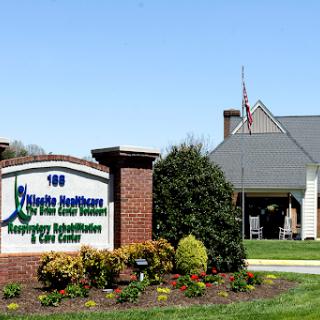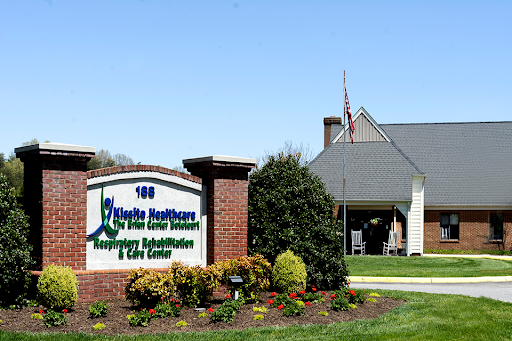
188 Old Fincastle Road, Fincastle, VA 24090
For more information about senior living options: (866) 208-4318
Overall Review of Brian Center Health And Rehabilitation
Pros
 They treated him like family and helped him recover, strengthening him to come home.
 - The staff were wonderful and cared for patients like family, making a big difference.
- The care team did a fantastic job, and the patient is home today thanks to their care.
- The center provides great care, advanced technology, and leaves patients very satisfied.
- Amazing staff helped the patient, with acts of kindness that were greatly appreciated.
- There has been a positive turnaround with strong teamwork, and continued hard work is hoped.
- Discharged patients describe the staff as top notch, noting one-on-one attention from therapists.
- The staff heal the body with their knowledge and soothe the soul with their friendship.
Cons
 The director is disrespectful, rude, and confrontational, and the staff are described as following that same pattern.
- The staff are said to gaslight families, turn them against each other, and fail to document care.
- The facility is characterized as unprofessional and unkind, with staff blamed when residents or families respond poorly.
- There is a perception of discrimination against Black patients and families.
- Families are not kept informed about medical events or hospitalizations.
- Residents are reported to be left in feces or urine and not promptly cared for.
- Staff are accused of lying to family members and withholding information.
Review
Brian Center Health and Rehabilitation in Fincastle is best suited for families facing a post-acute recovery window who want aggressive, goal-focused physical rehabilitation and a team that treats residents with genuine warmth and attention. Across several affirmative stories, the staff are praised for their compassion, practical skill, and hands-on coaching in physical and occupational therapy. For loved ones who respond well to one-on-one attention in a relatively small rehab setting, this center can deliver real mobility gains and a clear path toward returning home. The emphasis on practical progress and collaborative care makes it a strong pick for those prioritizing tangible rehabilitation outcomes over long-term custodial care.
Conversely, families that require airtight administrative oversight and consistently transparent, respectful communication should carefully weigh alternatives. A number of reviews raise serious concerns about leadership style and family interactions, including accusations of gaslighting, confrontational behavior, and uneven documentation. Additional reports highlight disorganization, delays in responding to concerns, and safety-related worries. For someone navigating complex caregiving needs from a distance, these patterns can undermine trust and make advocacy feel exhausting, even when the clinical care on the floor is competent.
The core positives, high-quality rehab content, a warm, engaged staff, and meaningful, observable progress, do offset risk for many patients who crave effectiveness in therapy and a supportive care team. The strongest praise centers on the physical therapy and nursing staff, who appear to maintain steady, encouraging contact with patients and push for real functional gains. When these elements align, residents leave with improved function and a clearer plan for discharge, which can be the difference between lingering dependence and a confident return home. Yet the weight of the negative reports means these offsets are not universal; success here hinges on day-to-day interactions and the vigor of leadership in maintaining a culture of safety and accountability.
Within the care environment, the facility’s advantages often appear in concrete, process-oriented ways. Reviewers repeatedly cite effective, hands-on rehab routines, practical skill-building, and a therapy-focused atmosphere that supports independent living after discharge. The rehab space, though described as compact, facilitates close supervision and frequent therapist contact, while the broader staff, including housekeeping and support roles, commonly earns favorable remarks for courteous and reliable service. When staff cohesion exists, the result is steady progress, confident patients, and families sensing momentum toward a successful transition.
This community tends to work best for short- to medium-term rehabilitation goals where mobility restoration and independence are the primary targets, and where a family culture can be sustained by engaged clinicians. It may also suit residents who value a familial, nurturing vibe and can tolerate occasional administrative friction as a trade-off for robust therapy. For families requiring flawless governance, impeccable infection control history, and consistently proactive family updates, alternatives warrant serious consideration. The breadth of experiences cited suggests that more vulnerable seniors or those with acute safety anxieties should scrutinize other options before committing.
Ahead of a placement, families should visit with a disciplined plan in hand: request a meeting with the administrator, tour the therapy gym during active sessions, and observe how staff interact with residents across shifts. Ask for the latest care plan, incident reports, and a clear method for ongoing family updates. If the balance of hands-on rehabilitation, compassionate care, and dependable governance aligns with the loved one’s needs and risk tolerance, this center can deliver meaningful recovery. If it does not, pursuing other facilities with steadier oversight and consistently transparent communication will likely yield greater long-term reassurance.
 60 resident community capacity
 Skilled Nursing Facility
 Air-conditioning
 Beauty salon
 Cable or satellite TV
 Computer center
 Dining room
 Fitness room
 Fully furnished
 Gaming room
 Garden
 Housekeeping services
 Kitchenette
 Move-in coordination
 Outdoor space
 Private bathrooms
 Restaurant-style dining
 Small library
 Telephone
 Wellness center
 Wi-Fi/high-speed internet available
 Roanoke Regional Woodrum (15 miles away)
 Community operated transportation
 12-16 hour nursing
 24-hour call system
 Activities of daily living assistance
 Assistance with bathing
 Assistance with dressing
 Assistance with transfers
 Diabetes diet
 Medication management
 Mental wellness program
 Special dietary restrictions
 Concierge services
 Planned day trips


 Nurturing Our Loved Ones: A Daughter's Journey in Caring for Her Mother
 Nurturing Our Elders: Linda's Journey of Supporting Her Mother
 A Comprehensive Exploration of Common Misunderstandings about Powers of Attorney