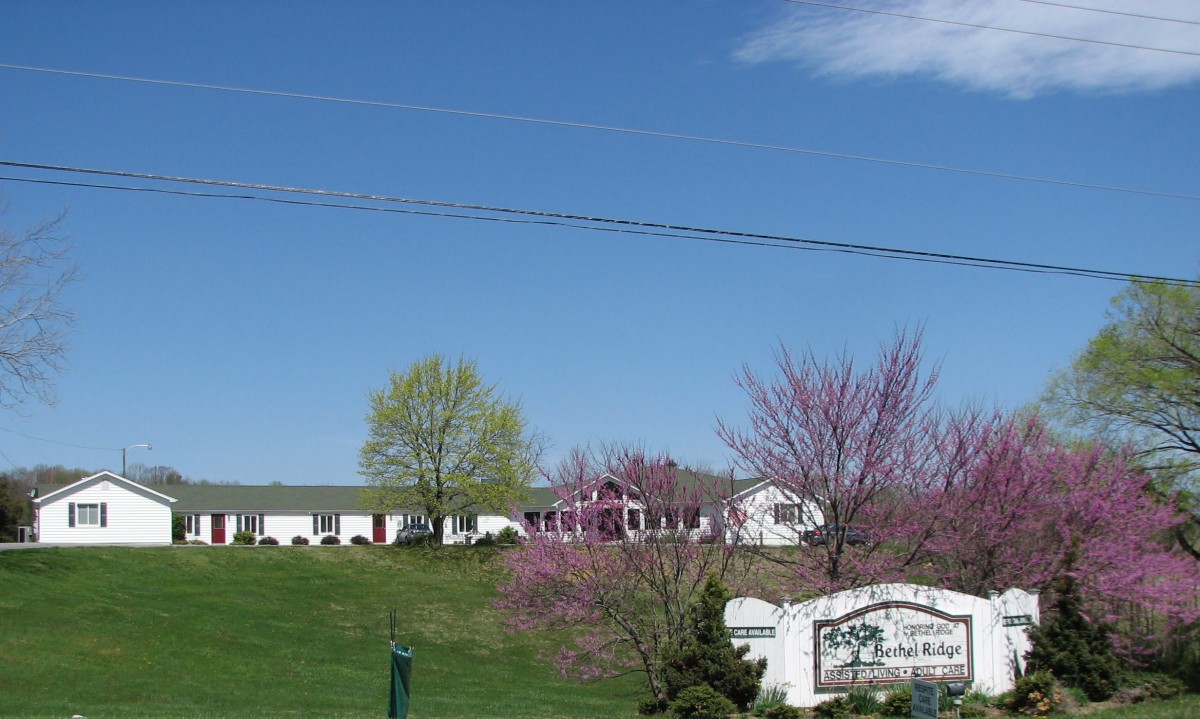
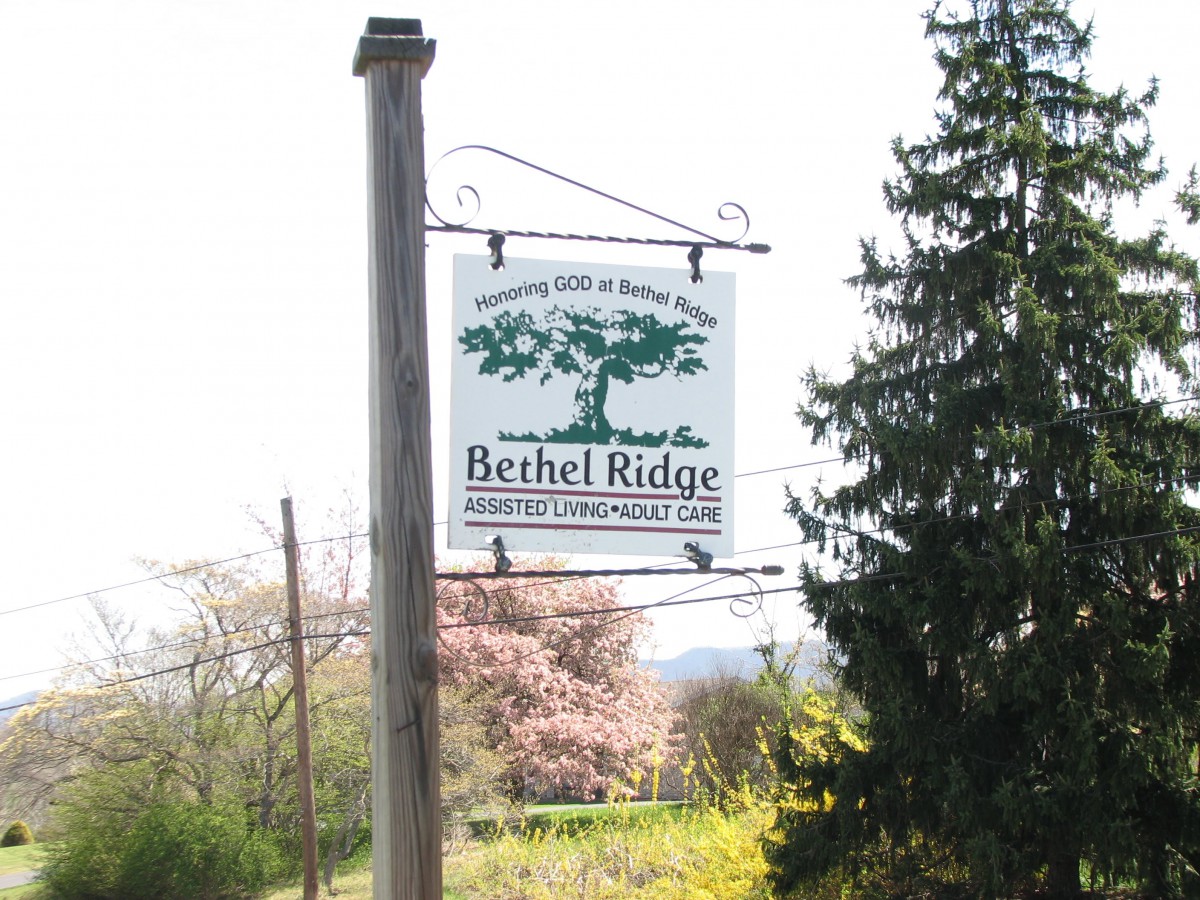

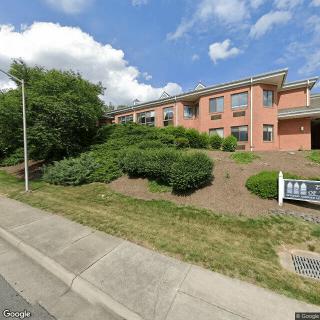
10535 Lee Highway, North, Fincastle, VA 24090
To contact a resident: (540) 992-6226
For more information about senior living options: (866) 208-4318
Bethel Ridge Costs & Pricing
At Bethel Ridge, the monthly costs for accommodations present a competitive option within both Botetourt County and the broader Virginia market. The semi-private room is priced at $3,000, significantly lower than the county's average of $3,615 and well below the state average of $3,991. For those seeking more privacy, a one-bedroom unit at Bethel Ridge comes in at $4,500. While this is higher than Botetourt County's rate of $3,501, it remains slightly below the Virginia state average of $4,257. Overall, Bethel Ridge offers a compelling value proposition for individuals exploring their housing options in the region without compromising on quality or care.
| Floor plans | Bethel Ridge | Botetourt County | Virginia |
|---|---|---|---|
| Semi-Private | $3,000 | $3,615 | $3,991 |
| 1 Bedroom | $4,500 | $3,501 | $4,257 |
Overall Review of Bethel Ridge
Pros
 Bethel Ridge is described as a compassionate place of care for those in their final days, with God invited in and present among the staff and residents.
- The care at Bethel Ridge is excellent, leaving residents content during their last days.
- The people at Bethel Ridge show a lot of love to those they care for, creating a warm and supportive environment.
- It is a wonderful place for a loved one’s last days, where they feel content and well cared for.
- Bethel Ridge is a great place to retire, with residents receiving one-on-one attention and access to outings, socials, games, and entertainment.
Review
Bethel Ridge in Fincastle, Virginia is best suited for seniors who want a small, intimately cared-for environment where care feels personal and deeply rooted in faith. The community clearly serves residents approaching the final chapters of life with a focus on peace, dignity, and spiritual support, and families report that staff members embody a compassionate presence. Residents benefit from one-on-one attention rather than generic, crowded routines, and the day-to-day rhythm includes outings, socials, and live entertainment that feel tailored to individual preferences. For families valuing a warm, purpose-driven atmosphere where faith weaves itself into daily life and care decisions, Bethel Ridge stands out as a rare, hands-on option.
Those who may want to consider alternatives are primarily the ones with higher medical acuity or secular preferences. A larger campus with more extensive on-site nursing, therapy services, and memory-care resources may better serve residents with complex health needs or dementia requiring specialized programming. Families seeking a secular environment or a broader spectrum of restaurants, amenities, or entertainment options might look to communities with more expansive scale. In short, Bethel Ridge excels as a homey, faith-centered setting; for residents needing robust clinical infrastructure or a wide array of secular choices, alternatives could be a more practical fit.
The core advantages, personal attention, a dedicated activities director, and a culture of warmth, do a strong job of offsetting the limitations that come with a small operation. The emphasis on one-on-one engagement translates into timely, attentive responses and a sense of security for both residents and their families. The activities director’s role in shaping outings, socials, games, and live music creates a predictable, comforting rhythm that sustains engagement and prevents boredom, which is a common concern in smaller homes. When care plans are individualized, daily life feels purposeful rather than institutional, and that alignment often reduces anxiety during ever-changing health circumstances.
Equally important is the spiritual ambiance that permeates Bethel Ridge. The reviews signal that faith isn’t merely decorative but integrated into daily routine and relationships, which can provide emotional ballast for residents who associate comfort with familiar rituals and values. This atmosphere supports not only spiritual well-being but emotional resilience, helping both residents and families navigate transitions with a sense of meaning. For families who value a care setting where prayer, devotional moments, and a shared moral framework complement clinical care, the environment delivers a cohesive, trust-building experience that many find irreplaceable.
The main caveat of Bethel Ridge is its intimate scale, which inherently constrains certain capabilities. While the staff are described as compassionate and responsive, the facility may not match the speed and breadth of a larger operation when medical complexity spikes or unexpected needs arise. Memory-care specifics aren’t spelled out in the available impressions, so families should verify what specialized dementia support looks like on-site and how transitions to higher-acuity care would be managed if required. The smaller footprint also tends to limit dining variety, program breadth, and off-site excursion options compared with bigger communities, though the existing offerings, tailored outings and engaging social events, tave a high level of satisfaction for residents who value personalization over volume.
For families evaluating Bethel Ridge, a practical course is clear: arrange a visit with a focus on care capabilities, staffing patterns, and the exact spectrum of end-of-life and palliative offerings. Talk with the activity director about how outings are chosen, how often residents influence their schedules, and what happens if a resident’s medical needs change. Confirm the on-site medical resources, responsiveness, and care-transition plans, and ask how the religious component is operationalized, whether chaplain services are available and how faith-based practices are accommodated during challenging days. In short, Bethel Ridge is a compelling choice for those who prioritize intimate, compassionate, faith-informed living and personal attention; for families prioritizing advanced clinical infrastructure or secular variety, it should be weighed against larger, more medically oriented options.
 32 resident community capacity
 Assisted Living
 Memory Care
 Activities off-site
 Air-conditioning
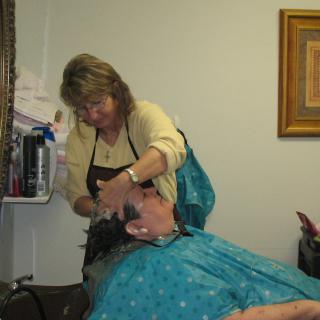
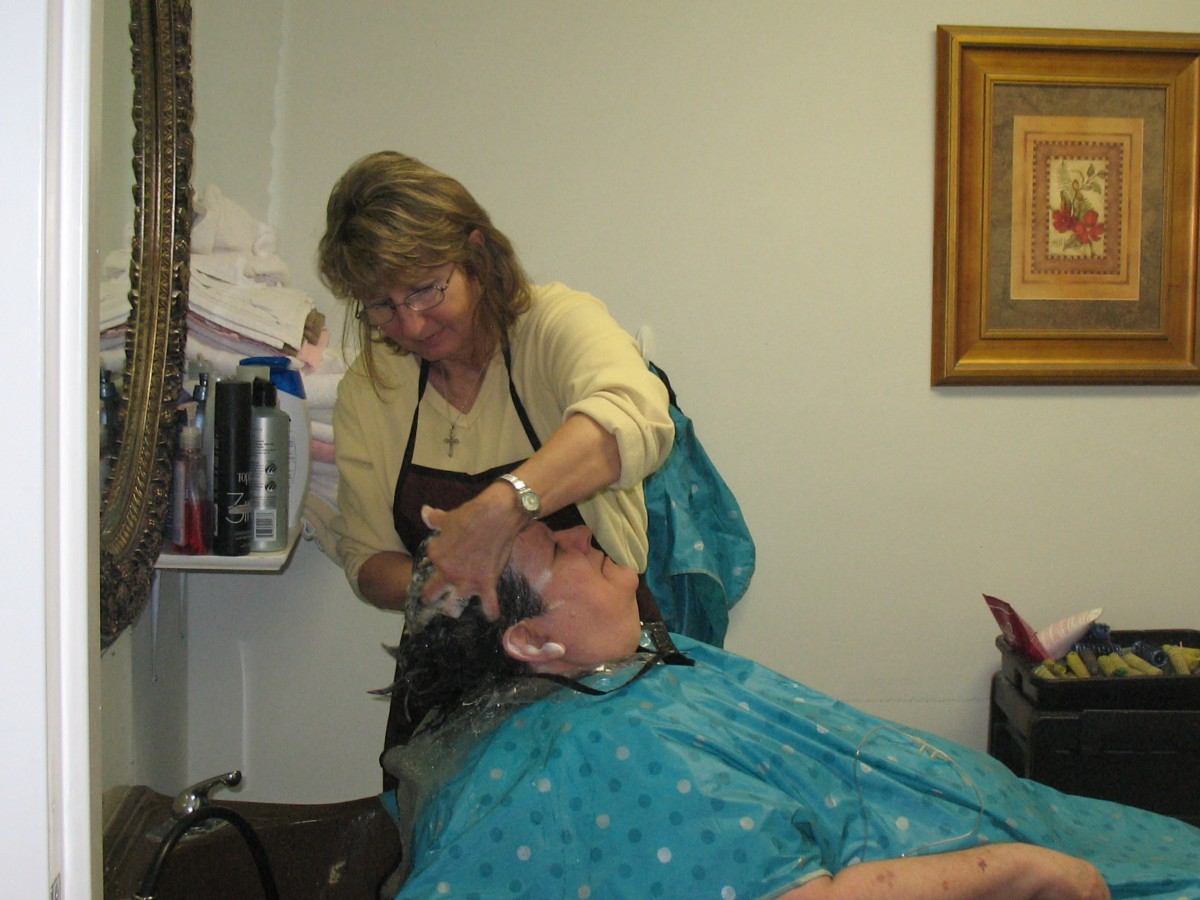
 Beautician on-site
 Cable or satellite TV
 Devotional services on-site
 Dining room
 Fully furnished
 Garden
 Ground floor units
 Housekeeping services
 Indoor common areas
 Kitchenette
 Move-in coordination
 Outdoor common areas
 Restaurant-style dining
 Small library
 Telephone
 Wheelchair accessible showers
 Wi-Fi/high-speed internet available
 Roanoke Regional Woodrum (13 miles away)
 24-hour call system
 Assistance with bathing
 Assistance with dressing
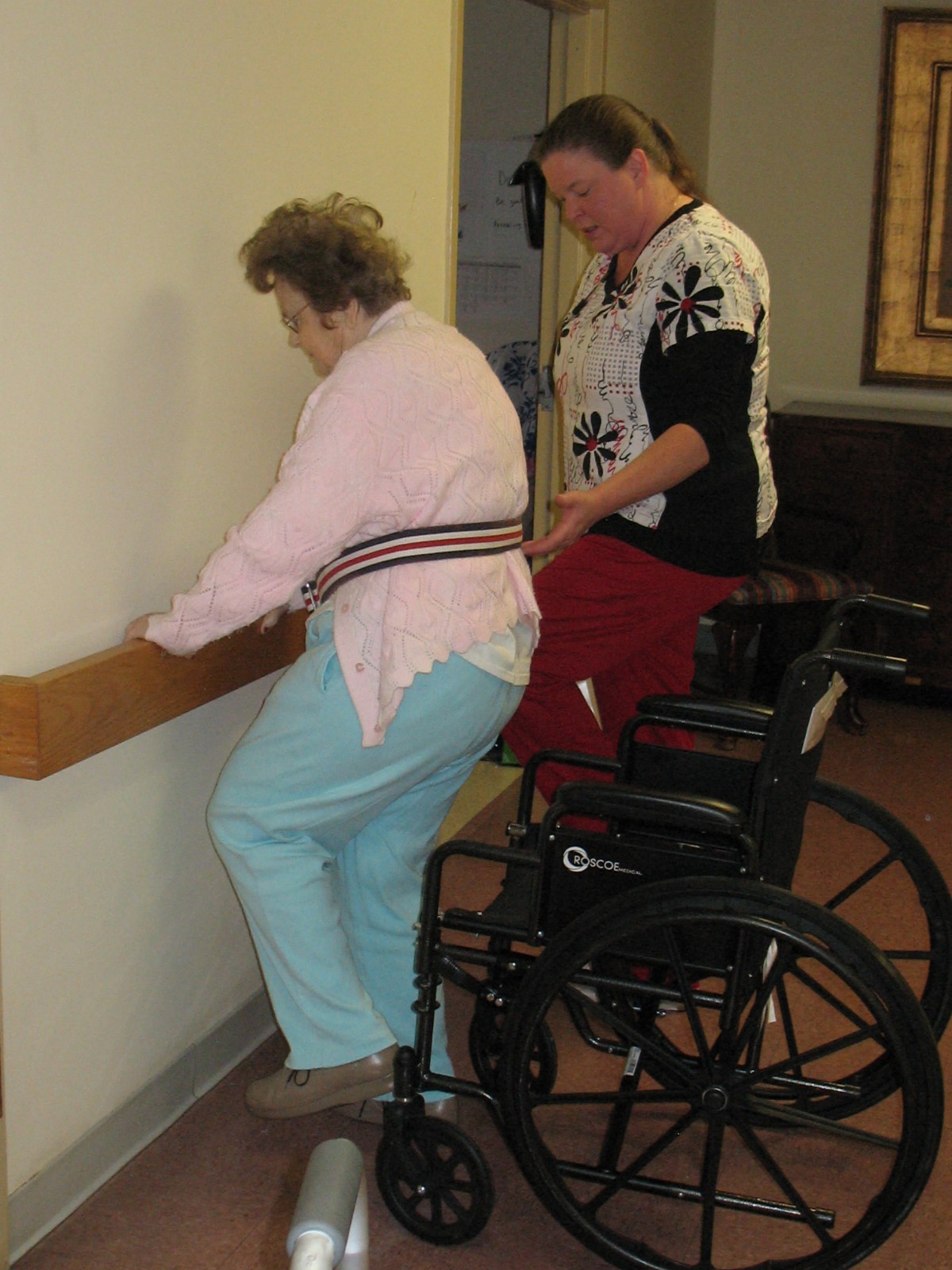
 Assistance with transfers
 Diabetes diet
 Diabetic care
 Incontinence care
 Medication management
 Mental wellness program
 Special dietary restrictions
 Art classes
 Day trips and outings
 Educational speakers / life long learning
 Karaoke
 Live dance or theater performances
 Live musical performances
 Live well programs
 Visiting chaplain or priest



 Dementia, Paranoia, and Caregiver Guidance: Understanding the Connection
 Engaging Memory Care Activities That Enhance Quality of Life
 When to Transition from Assisted Living to Memory Care: Key Indicators, Steps, and Finding the Right Community