Monroe Health & Rehab Center

Save
Monroe Health & Rehab Center Monroe Health & Rehab Center Monroe Health & Rehab Center Monroe Health & Rehab Center

Monroe Health & Rehab Center

1150 Northwest Drive, Charlottesville, VA 22901

For more information about senior living options: (844) 490-3973

3.9 from 64 reviews
5 stars
43
4 stars
4
3 stars
1
2 stars
0
1 stars
16

Skilled Nursing Facility

What level of care are you interested in?

Assisted Living

Memory Care

Independent Living

Skilled Nursing Facility

Continuing Care Retirement Community (CCRC)CCRC

Other


Request a tour at Monroe Health & Rehab Center

    Overall Review of Monroe Health & Rehab Center

    Pros

    • pro Monroe Health & Rehab is described as an exceptional facility and among Charlottesville's top five-star options.
    • pro The staff are professional, compassionate, and dedicated.
    • pro Dr. Jonathan Evans is hands-on and provides personal medical attention.
    • pro Luv, the Director of Nursing, is warm and effective in leadership.
    • pro Jordon, the Director of Admissions, makes transitions smooth and stress-free.
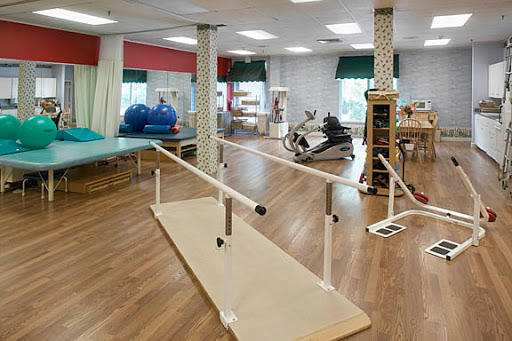
    • pro The physical therapy team, Joel and Mel, is phenomenal and tailors therapy to residents' needs.
    • pro Nicole and the nursing staff provide attentive, timely care and medication management.
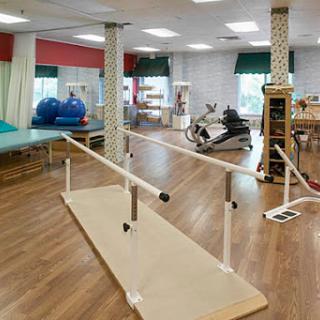
    • pro PT and OT services are top-notch.
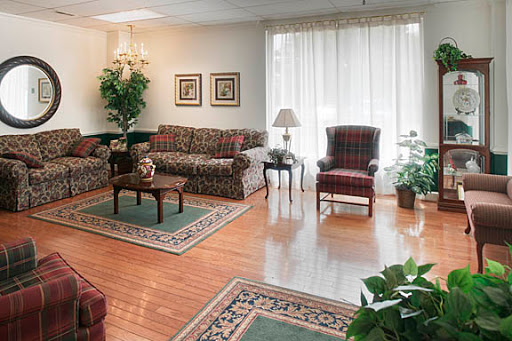
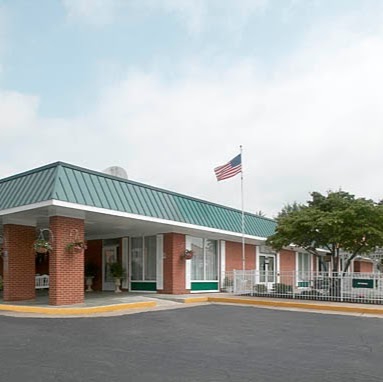
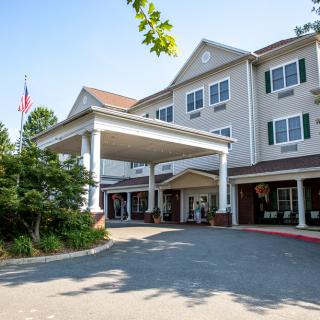
    • pro The building is solid, well-maintained, and residents seem happy.
    • pro The in-house dialysis department is a notable strength of the facility.
    • pro The staff have become like family to residents, fostering a caring environment.

    Cons

    • pro One reviewer says the facility should be shuttered immediately and warns others not to send their loved ones there, alleging staff berate, ignore, and do not care for residents.
    • pro Another reviewer claims 2nd-floor staff left a loved one sitting in feces for hours, and a nurse did not come for six hours.
    • pro A commenter notes that the DON, Beverly, has not followed up on concerns raised about the care.
    • pro A family member describes mistreatment during a transition to the second unit due to poor management and lack of staff.
    • pro A reviewer states they would not recommend this place to anyone.
    • pro A report recounts a father passing away under their care after hours of seizing and delays in calling 911, with confusing DNR discussions.
    • pro A different account says a grandmother developed dehydration, blood clots, and infections after discharge, leading to hospitalization.
    • pro Another review says the facility is unprofessional and not ideal, with attempts to call the direct line going unanswered.

    Review

    Monroe Health & Rehab elicits a wide range of experiences from families and residents, running the full spectrum from warm praise to severe warnings. Across the board, many commenters describe Monroe as a facility with real strengths: a capable, caring team, a well-maintained building, and a culture that can feel like a close-knit family to those who experience it positively. In glowingly positive notes, families speak of a five-star impression, professionalism, and staff who go above and beyond to make transitions smoother and daily care dependable.

    On the bright side, several reviews highlight a high level of medical involvement and hands-on leadership. Dr. Jonathan Evans is repeatedly praised for being present and engaged, providing a sense of personal medical attention that brings peace of mind to families. Luv, the Director of Nursing, is celebrated for warmth and leadership that seems to permeate the unit, while Jordon, the Director of Admissions, earns appreciation for easing transitions and offering patient, supportive guidance. The in-house therapy team - specifically Joel and Mel in physical therapy - receives enthusiastic commendations for their patience, encouragement, and tailored approaches to rehabilitation. Nicole and the nursing staff are also noted for attentiveness, ensuring medications and health needs are consistently met on time. In several accounts, Monroe is characterized as a facility that is easy to trust, with staff who monitor residents regularly and treat them like family, delivering a sense of priceless peace of mind.

    Several reviewers also point to tangible signs of progress and ongoing improvement. The building itself is described as solid, with knowledgeable staff who appear to stay on top of the daily operations in a way that inspires confidence. The nursing and rehab departments are often singled out for their dedication, and some reviewers emphasize how hard-working CNAs and nurses have been in turning things around. The in-house dialysis department is mentioned positively in at least one context, underscoring the facility's capacity to provide comprehensive services under one roof. Families who have experienced short- or long-term care at Monroe frequently express strong support and recommend the facility, citing attentiveness, compassion, and a sense that the care team is actively working to meet evolving needs.

    Personal stories add a deeply human layer to these assessments. One resident recalls being at Monroe since 2017, with staff becoming part of the family and even supporting a mother who was also a resident for a period; the kind of warmth and continuity described here helps solidify trust in the facility. Another account speaks to lifelong appreciation: a relative notes that her grandmother was treated with dignity and care during her time there, and the family gathered to celebrate her life afterward, indicating a meaningful, positive connection with the team. Across these narratives, the medical director, nursing staff, and therapy teams are often cited as dedicated and compassionate, with a broad impression that Monroe is capable of delivering top-tier skilled services and empathetic daily care.

    Yet the mosaic is not without darker tones. A segment of reviews contains stark warnings about mistreatment and neglect, urging potential guests to look elsewhere. One account argues strongly that the facility should be shuttered, alleging that residents are berated, ignored, and not cared for properly. Specific accusations surface about severe lapses: on the second floor, staff allegedly left a patient in feces for hours, with multiple call bells unanswered for extended periods; the family member quotes six hours before a nurse responded, and there is criticism of the DON, Beverly, for not following up. These messages emphasize the most pressing concerns: insufficient attention to basic comfort and hygiene, and a perceived lack of accountability from leadership.

    Additional critiques revolve around communication gaps and delays in addressing concerns. Some reviewers describe long, unsuccessful attempts to reach staff by phone, unresponsiveness from management, and a perceived decline in care on certain units. In the most wrenching case, a family recounts the death of a father after an extended period of perceived neglect and poor communication about changes in status. They describe conflicting statements from a doctor, a lack of ambulance coordination, and no timely updates to the family, leaving them with lasting distress about the end-of-life experience. Other families recount issues from the transition period after discharge, including reports of dehydration, medical missteps, or inadequate rounding that led to concerning health outcomes for a relative after leaving Monroe.

    Despite these harrowing experiences, other residents and families report improvements and high-quality care in certain areas, suggesting that Monroe has both strong leadership and meaningful capabilities in its best moments, while also facing serious challenges in others. Some reviews highlight the facility's progress since earlier times, noting the presence of an in-house dialysis unit and a more robust nursing and rehab force - signs of growth and investment in comprehensive, patient-centered care. The contrast between glowing testimonials and urgent warnings makes clear that experiences at Monroe are highly individualized and heavily dependent on unit-level dynamics, staffing, and communication, as well as the specific needs and expectations of each family.

    In the end, Monroe Health & Rehab emerges as a place of significant and mixed experiences. For every account of hands-on medical attention, warm leadership, and a sense of family, there is another detailing perceived neglect, delays, or a breakdown in communication during crises. Prospective residents and families are encouraged to engage actively with the facility - interview staff, request to meet the DON and leadership involved in care, observe day-to-day operations, and ask pointed questions about response times, incident reports, and how concerns are escalated. While many praise Monroe for its skilled services, compassionate care, and recent growth, the more urgent warnings serve as a cautionary counterpoint, underscoring the importance of individualized assessments and vigilant advocacy to ensure that a loved one receives consistently safe, respectful, and timely care.

    Features

    Housing

    • 180 resident community capacity 180 resident community capacity

    Types of Care

    • Skilled Nursing Facility Skilled Nursing FacilitySkilled Nursing Facilities are crucial for seniors as they provide round-the-clock medical care, rehabilitation services, and assistance with daily activities. These facilities ensure that seniors receive the specialized care they need to maintain their health and well-being as they age.

    Amenities

    • Air-conditioning Air-conditioningAir conditioning is important for seniors as they are more vulnerable to heat-related illnesses and may have underlying health conditions that make it difficult for them to regulate their body temperature. It helps to keep them comfortable, safe, and healthy in hot weather.
    • Beauty salon Beauty salonBeauty salons are important for seniors because they provide a space for them to feel pampered, socialize, and maintain their personal grooming and hygiene. Regular visits to a beauty salon can help boost seniors' self-esteem and overall well-being.
    • Cable or satellite TV Cable or satellite TVCable or satellite TV is important for seniors because it provides entertainment, news, and companionship, helping to combat loneliness and boredom. It also offers a wide range of programming options tailored to different interests and preferences.
    • Computer center Computer centerA computer center is essential for seniors as it provides access to technology, communication tools, and resources that can enhance their daily lives. It allows them to stay connected with loved ones, engage in online activities, and learn new skills, ultimately promoting socialization and mental stimulation.
    • Dining room Dining roomDining rooms are important for seniors as they provide a space for socialization, connection, and nutritious meals. They offer opportunities for residents to bond over shared meals, foster a sense of community, and promote healthy eating habits. Dining rooms also ensure that seniors have access to well-balanced meals tailored to their dietary needs and preferences.
    • Fitness room Fitness roomHaving a fitness room in a senior living community is essential for seniors to stay active, maintain their physical health, and improve their overall well-being. Regular exercise can help prevent falls, reduce the risk of chronic diseases, and promote mental sharpness. It also provides social opportunities for residents to connect with others and enjoy a sense of community.
    • Fully furnished Fully furnishedFully furnished senior living communities are important for seniors because they provide convenience, comfort, and a hassle-free moving experience. Seniors can easily settle into their new living space without the stress of having to buy and move furniture. This allows them to focus on enjoying their new home and community.
    • Gaming room Gaming roomGaming rooms are important for seniors as they provide a fun and engaging environment for socializing, cognitive stimulation, and physical activity. Games can improve memory, problem-solving skills, and overall mental well-being while fostering friendships and reducing feelings of isolation.
    • Garden GardenGardens are important for seniors as they provide a peaceful and therapeutic environment for relaxation, physical activity, and socialization. Being in nature has been shown to reduce stress, improve mood, and promote overall well-being. Gardens also offer opportunities for seniors to engage in gardening activities, which can improve mobility, flexibility, and cognitive function. Additionally, gardens create a sense of community and connection with others who share a passion for plants and outdoor spaces.
    • Housekeeping services Housekeeping servicesHousekeeping services are important for seniors because they help maintain a clean and safe living environment, promote independence, and reduce the risk of accidents or illnesses. Additionally, having assistance with household chores can alleviate physical strain and allow seniors to focus on other aspects of their well-being.
    • Kitchenette KitchenetteKitchenettes are important for seniors living in senior living communities because they provide the convenience and independence of being able to prepare simple meals and snacks in the comfort of their own living space. This can help promote a sense of autonomy and well-being for seniors, allowing them to maintain some level of control over their dietary choices and daily routines.
    • Move-in coordination Move-in coordinationMove-in coordination is important for seniors because it helps ease the transition into their new living environment. It ensures that all logistics, such as packing, organizing movers, and setting up utilities are taken care of, allowing seniors to focus on settling in and adjusting to their new home. Having a smooth move-in process can alleviate stress and anxiety, making the transition smoother and more enjoyable for seniors.
    • Outdoor space Outdoor spaceOutdoor spaces are important for seniors as they provide opportunities for physical activity, social interaction, exposure to natural light and fresh air, and a sense of connection to nature. Having access to outdoor spaces can improve overall well-being and quality of life for older adults living in senior communities.
    • Private bathrooms Private bathroomsPrivate bathrooms are important for seniors in senior living communities because they provide independence, dignity, and comfort. Having a private bathroom allows seniors to maintain their personal hygiene routines without the need for assistance, promoting a sense of autonomy and privacy. Additionally, private bathrooms help prevent the spread of infections and provide a safe and clean environment for seniors to navigate safely.
    • Restaurant-style dining Restaurant-style diningRestaurant-style dining is important for seniors because it allows them to enjoy delicious, nutritious meals in a social and upscale setting. This enhances their dining experience, promotes healthy eating habits, and fosters socialization with fellow residents, ultimately contributing to their overall well-being and quality of life.
    • Small library Small librarySmall libraries are important for seniors as they provide access to a variety of reading materials, including books, newspapers, and magazines. This can help stimulate their minds, keep them engaged, and provide a sense of community through book clubs and other social activities. Additionally, reading has been shown to improve cognitive function and overall mental well-being in older adults.
    • Telephone TelephoneTelephones are important for seniors as they provide a lifeline for communication with loved ones, emergency services, and healthcare providers. They offer a sense of security and independence, enabling seniors to stay connected and access assistance when needed.
    • Wellness center Wellness centerWellness centers are important for seniors because they offer a variety of programs and services that promote physical, mental, and emotional well-being. These centers provide opportunities for exercise, socialization, education, and relaxation, helping seniors maintain their overall health and quality of life.
    • Wi-Fi/high-speed internet available Wi-Fi/high-speed internet availableWi-Fi/high-speed internet is important for seniors to stay connected with loved ones, access online resources, and participate in virtual activities to combat feelings of loneliness and isolation. It also allows them to easily manage healthcare needs, access entertainment, and engage in lifelong learning opportunities.

    Transportation

    • Charlottesville-Albermarle (5 miles away) Charlottesville-Albermarle (5 miles away)
    • Community operated transportation Community operated transportationCommunity operated transportation is crucial for seniors as it provides them with the means to access essential services, social activities, and medical appointments. It allows seniors to maintain their independence and quality of life by ensuring they can participate in activities outside of their homes. Additionally, community-operated transportation services offer a safe and reliable way for seniors to travel without having to rely on family or friends for assistance.
    • Transportation arrangement Transportation arrangementTransportation arrangements are crucial for seniors as they may face challenges with driving, mobility, or access to public transportation. Having reliable transportation services ensures that seniors can easily attend appointments, social activities, and maintain their independence and quality of life.
    • Transportation arrangement (non-medical) Transportation arrangement (non-medical)Transportation arrangements are essential for seniors as they provide access to essential services, activities, and social interactions outside the home. This service helps maintain independence, mobility, and overall well-being for seniors who may have limited transportation options.
    • Transportation to doctors appointments Transportation to doctors appointmentsTransportation to doctors appointments is crucial for seniors as it ensures they have access to necessary medical care and support, promoting their health and well-being. It allows them to receive timely treatment, monitor existing conditions, and address any new health concerns efficiently. Additionally, transportation services can help seniors maintain their independence and quality of life by enabling them to stay connected with their healthcare providers.

    Care Services

    • 12-16 hour nursing 12-16 hour nursing12-16 hour nursing care is crucial for seniors in order to ensure around-the-clock monitoring, timely medication administration, and prompt response to any health concerns or emergencies. This level of care helps to promote the overall well-being and safety of seniors living in senior living communities.
    • 24-hour call system 24-hour call system24-hour call systems are important for seniors because they provide peace of mind and immediate assistance in case of emergencies. This technology ensures that help is always available, promoting safety and security for elderly individuals living alone or in assisted living facilities.
    • 24-hour supervision 24-hour supervision24-hour supervision is important for seniors to ensure their safety, well-being, and access to immediate assistance in case of emergencies or health issues. This constant support provides peace of mind for both seniors and their loved ones, allowing them to age in place with dignity and security.
    • Activities of daily living assistance Activities of daily living assistanceActivities of daily living assistance are important for seniors because they provide essential support with tasks such as eating, bathing, dressing, and mobility. This assistance helps seniors maintain their independence, dignity, and overall quality of life as they age.
    • Assistance with bathing Assistance with bathingAssistance with bathing is crucial for seniors as it helps maintain personal hygiene, prevents infections, and ensures their overall well-being and comfort. It also provides a sense of dignity and independence for seniors who may struggle with this task on their own.
    • Assistance with dressing Assistance with dressingAssistance with dressing is important for seniors because it helps maintain their independence, promotes personal hygiene, prevents accidents and injuries, and improves overall quality of life. This service ensures that seniors can continue to dress comfortably and confidently, despite any physical limitations they may have.
    • Assistance with transfers Assistance with transfersAssistance with transfers is crucial for seniors as it helps prevent falls and injuries, maintains their independence, and ensures they can safely navigate their living environment. It also provides peace of mind for both seniors and their loved ones.
    • Diabetes diet Diabetes dietA diabetes diet is crucial for seniors as it helps manage blood sugar levels, reduce risks of complications, and improve overall health and well-being. By following a balanced and nutritious diet tailored to their specific needs, seniors can better control their diabetes and enhance their quality of life.
    • Meal preparation and service Meal preparation and serviceMeal preparation and service are crucial for seniors as they may have limited mobility or energy to cook nutritious meals. Having access to healthy and convenient food options can ensure they are getting the proper nutrition needed to maintain their overall health and well-being.
    • Medication management Medication managementMedication management is crucial for seniors to ensure they are taking the right medications at the correct dosages and times. This helps prevent adverse drug interactions, reduces the risk of medication errors, and promotes overall health and well-being. Proactive management also allows for adjustments as needed based on changing health conditions or new prescriptions.
    • Mental wellness program Mental wellness programMental wellness programs are essential for seniors as they promote cognitive stimulation, emotional support, and social engagement. These programs help prevent isolation, depression, and cognitive decline, ultimately enhancing the overall quality of life for older adults.
    • Special dietary restrictions Special dietary restrictionsSpecial dietary restrictions are important for seniors because age-related changes in metabolism and health conditions can make it difficult for their bodies to process certain foods. By following a diet tailored to their specific needs, seniors can maintain their overall health and well-being, manage chronic conditions, and reduce the risk of complications such as malnutrition or food interactions with medications.

    Dining

    • Diabetes diet Diabetes dietA diabetes diet is crucial for seniors as it helps manage blood sugar levels, reduce risks of complications, and improve overall health and well-being. By following a balanced and nutritious diet tailored to their specific needs, seniors can better control their diabetes and enhance their quality of life.
    • Special dietary restrictions Special dietary restrictionsSpecial dietary restrictions are important for seniors because age-related changes in metabolism and health conditions can make it difficult for their bodies to process certain foods. By following a diet tailored to their specific needs, seniors can maintain their overall health and well-being, manage chronic conditions, and reduce the risk of complications such as malnutrition or food interactions with medications.

    Activities

    • Community-sponsored activities Community-sponsored activitiesCommunity-sponsored activities are important for seniors as they provide opportunities for social interaction, mental stimulation, and physical activity. These activities can help improve overall well-being, combat loneliness and isolation, and promote a sense of belonging and purpose among older adults.
    • Concierge services Concierge servicesConcierge services are essential for seniors as they provide assistance with daily tasks and errands, enhance their quality of life by offering convenience and personalized care, and promote a sense of safety and security.
    • Fitness programs Fitness programsFitness programs are crucial for seniors as they help improve strength, flexibility, balance, and overall well-being. Staying active can reduce the risk of chronic diseases, improve mental health, and enhance quality of life in older adults.
    • Planned day trips Planned day tripsPlanned day trips are important for seniors because they offer opportunities for socialization, mental stimulation, and physical activity. They provide a change of scenery and help seniors stay engaged and connected to their community, promoting overall well-being and quality of life.
    • Resident-run activities Resident-run activitiesResident-run activities are important for seniors as they encourage social interaction, creativity, and a sense of autonomy. These activities empower seniors to stay engaged and active in their community while fostering meaningful connections with their peers.
    • Scheduled daily activities Scheduled daily activitiesScheduled daily activities are important for seniors because they provide structure, socialization, mental stimulation, and physical activity. Engaging in regular activities can improve overall well-being and quality of life for seniors living in a community setting.

    Description

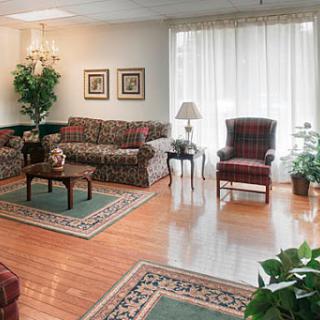
    The Monroe Health & Rehab Center in Charlottesville, VA is a vibrant assisted living community that offers a range of amenities, care services, and activities to enhance the quality of life for its residents. The center boasts a variety of amenities such as a beauty salon, cable or satellite TV, computer center, gaming room, fitness room, small library, outdoor space, and Wi-Fi/high-speed internet access.

    Residents can enjoy delicious meals in the dining room with restaurant-style dining and special dietary restrictions are accommodated. The center also provides housekeeping services to ensure a clean and comfortable living environment. Move-in coordination is available to assist new residents during their transition.

    For care services, the center offers 24-hour call system and supervision to provide round-the-clock support and assistance. Trained staff are available to help with activities of daily living such as bathing, dressing, and transfers. Medication management is provided to ensure proper medication adherence. The center also has a mental wellness program to promote emotional well-being among residents.

    Transportation arrangements can be made for non-medical needs as well as transportation to doctors' appointments. A wellness center is available for residents to maintain their physical health and fitness.

    In terms of activities, the center provides concierge services for personalized assistance and organizes various fitness programs and scheduled daily activities. Planned day trips offer opportunities for exploration while resident-run activities encourage social interaction among residents.

    The Monroe Health & Rehab Center benefits from its convenient location with several cafes, parks, pharmacies, physicians' practices, restaurants, places of worship nearby. Transportation options are also easily accessible within the community along with theaters and hospitals in close proximity.

    With its comprehensive amenities, attentive care services, engaging activities, and convenient location surrounded by various amenities in Charlottesville, VA area - the Monroe Health & Rehab Center offers an enriching assisted living experience for its residents.

    Nearby Places of Interest

    Pharmacies

    • Lewis & Clark Pharmaceuticals (0.4 miles)
    • Octapharma Plasma (0.6 miles)
    • Kroger Pharmacy (0.8 miles)
    • Kroger Pharmacy (1.2 miles)
    • CVS Pharmacy (1.4 miles)
    • Walmart Pharmacy (2.4 miles)
    • CVS Pharmacy (2.5 miles)

    Restaurants

    • Reason Beer (0.4 miles)
    • Mission BBQ (0.4 miles)
    • Burger Bach (0.4 miles)
    • Torchy’S Tacos (0.5 miles)
    • Mezeh Mediterranean Grill (0.5 miles)
    • Guadalajara (0.5 miles)
    • Love Sushi King (0.6 miles)

    Theaters

    • Regal Stonefield & IMAX (0.4 miles)

    Physicians

    • Professional Optical Service Incorporated (0.6 miles)
    • Albemarle Center for Family Medicine (0.7 miles)
    • Albemarle Arthritis Associates (0.9 miles)
    • UVA Colonnades Medical Associates (1.3 miles)
    • EyeOne (1.3 miles)
    • Blue Ridge Allergy & Asthma (1.4 miles)
    • Atlantic Coast Orthopaedic Specialists Plc (1.5 miles)

    Cafes

    • Starbucks (0.8 miles)
    • Shenandoah Joe Coffee Roasters (2.2 miles)
    • Kung Fu Tea (2.6 miles)
    • Mudhouse (2.8 miles)

    Hospitals

    • Kluge Children's Rehabilitation Center (2.3 miles)
    • Rector & Visitors of The University of Virginia (2.4 miles)
    • University Hospital (2.6 miles)
    • UVA Hospital 4 Central (2.7 miles)
    • University of Virginia Health System : Infectious Diseases Clinic (2.7 miles)
    • UVA 3 Central (2.7 miles)

    Places of Worship

    • St Paul's Memorial Church (2.4 miles)
    • University Baptist Church (2.6 miles)

    Transportation

    • Amtrak (2.7 miles)

    Parks

    • Pen Park (2.7 miles)

    Frequently Asked Questions

    Where is Monroe Health & Rehab Center?
    What photos are available for Monroe Health & Rehab Center in Charlottesville, Virginia?

    Nearby Communities

    Skilled Nursing Facility in Nearby Cities

    Related Resources

    • geriatric care managerIs a Geriatric Care Manager the Right Choice for Your Family?

      Geriatric care managers create personalized care plans for older adults, addressing their medical, social, financial, and psychological needs while coordinating services and advocating for their well-being. They help families navigate caregiving challenges but may be hindered by high costs and a shortage of qualified professionals.

    • what to say to someone who is grievingCompassionate Conversations: How to Comfort Someone Who Is Grieving

      The article highlights the importance of empathy and open communication when comforting someone who is grieving, noting that grief is unique to each individual and emphasizing the need for sincere expressions of condolence, active listening, and ongoing support. It also addresses cultural differences in mourning practices and encourages tailored approaches to provide effective comfort.

    • home care aideHome Health Care Aides: Understanding Their Role and Supporting Your Family

      Home health care aides provide vital medical and non-medical support to individuals at home, assisting with daily living activities and promoting emotional well-being, while the demand for these services increases due to an aging population. Families benefit from in-home care's flexibility and cost-effectiveness but face challenges like scheduling consistency and caregiver turnover.


    Get Pricing Ask A Question Schedule A Tour Contact Senior Advisor