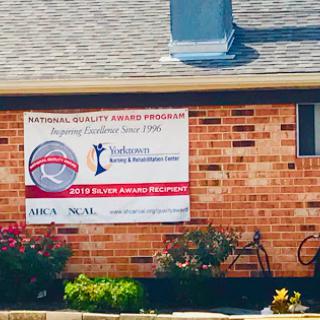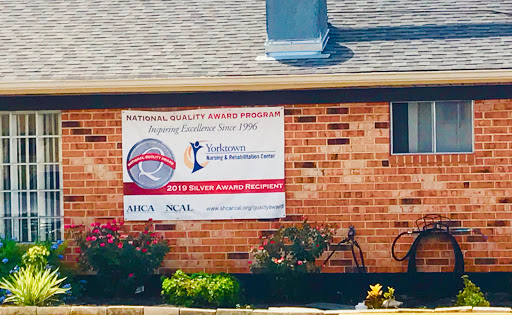


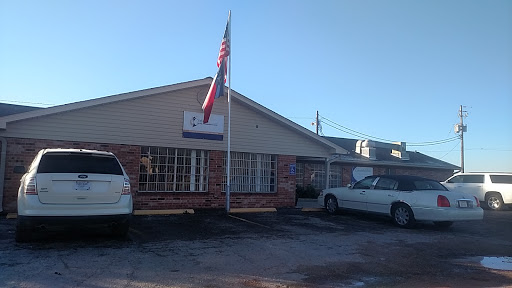

670 West Fourth Street, Yorktown, TX 78164
For more information about senior living options: (866) 208-4318
Overall Review of Yorktown Nursing And Rehabilitation Center
Pros
 The facility is described as five-star with a neighborly, small-town feel and a long-tenured staff who genuinely care.
- The staff are friendly, sincere, and consistently helpful.
- The food is amazing and the facility is clean.
- The therapy team is professional, encouraging, and effective at restoring strength and mobility.
- The care staff treat residents like family and go above and beyond to meet their needs.
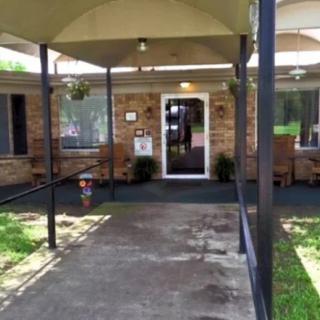
- The environment feels welcoming and home-like, with engaging activities and a pleasant outdoor area.
- Residents enjoy a variety of activities, including bingo and guest singers.
- The overall atmosphere is described as having a big heart in a small facility.
Cons
 The staff are rude; they do not answer the phone, leave callers on hold, and hang up.
- The mother-in-law reportedly received the worst care, was manhandled and forced to sit for extended periods in pain, and staff gave inconsistent information when checked on.
Review
Yorktown Nursing and Rehabilitation Center in Yorktown, TX is best suited for seniors who value a small-town, neighborly atmosphere paired with hands-on rehabilitation and attentive, personable care. The community shines for post-acute needs, particularly after surgery or a serious illness, where capable physical and occupational therapy, along with a warm staff, can help residents regain mobility and independence. Families that prize good food, a clean and welcoming environment, and meaningful daily activities will find this center a practical, home-like option that emphasizes personal connections over corporate polish.
Those who may want to consider alternatives are primarily individuals with highly variable medical needs or strict expectations around consistent administrative communication. A number of reviewers noted issues with phone responsiveness and occasional inconsistencies in the information given by different staff members. For residents requiring highly specialized monitoring, more intensive medical oversight, or a facility with a larger, more regimented administrative structure, a bigger center may offer the predictability and centralized processes that suddenly matter during a health crisis.
On the positive side, the strongest asset is the staff's warmth and reliability. Residents repeatedly describe friendly, caring caregivers who listen, stay present, and go the extra mile to meet needs. The therapy program stands out as a standout feature: skilled therapists deliver practical, goal-oriented rehabilitation that translates into real gains, with specific praise for outpatient services that helped a reviewer regain leg strength and shoulder function. The culinary quality also emerges as a notable strength, meals are praised as tasty and nourishing, coupled with a facility that feels clean, well-kept, and comfortable. The small size of the community often translates into more personalized attention, frequent smiles, and a sense that staff truly treat residents like family.
However, certain cons temper the otherwise strong impression. A few families reported being met with rude interactions or delayed communications, and some residents recounted inconsistent stories across staff members or a perception that certain caregivers were not as responsive as hoped. There are also troubling anecdotes about caregivers allegedly manhandling a resident or allowing extended discomfort, which is unacceptable and raises legitimate concerns about oversight and accountability. Taken together, these more troubling voices are not the norm in most reviews, but they signal a need for prospective families to verify communication protocols, request clear primary contacts, and observe care dynamics directly during visits.
The key pros offset the main cons when viewed through a practical lens. The combination of a tight-knit staff culture and robust rehabilitation services creates tangible outcomes that many families care about, improved mobility, less pain, and faster return to daily activities after hospital stays. The homey environment and plentiful activities, including outdoor space and social programming, support not just recovery but long-term quality of life. For families who can demand consistent communication and a staffed care plan with reliable accountability, the positives outweigh the potential downsides. The facility’s warmth and proven rehab results provide a solid baseline of reliability that other smaller centers may lack.
In weighing this community, consider your priorities: if seamless administrative communication and unwavering 24/7 medical oversight are non-negotiable, or if a larger facility with a deeper support network feels safer, alternatives may be preferable. If the priority is aggressive rehabilitation in a congenial setting and you value a place where staff seem genuinely invested in residents’ well-being, Yorktown delivers compelling value. Prospective families should schedule face-to-face meetings, observe therapy sessions, and request to speak with both the director and the head of nursing to assess responsiveness and consistency before deciding. For many, this balance of heart and hands makes Yorktown a practical, capable choice for short-term recovery or longer-term care within a community that truly feels like home.
 82 resident community capacity
 Skilled Nursing Facility
 Air-conditioning
 Beauty salon
 Cable or satellite TV
 Computer center
 Dining room
 Fitness room
 Fully furnished
 Gaming room
 Garden
 Housekeeping services
 Kitchenette
 Move-in coordination
 Outdoor space
 Private bathrooms
 Restaurant-style dining
 Small library
 Telephone
 Wellness center
 Wi-Fi/high-speed internet available
 Community operated transportation
 12-16 hour nursing
 24-hour call system
 Activities of daily living assistance
 Assistance with bathing
 Assistance with dressing
 Assistance with transfers
 Diabetes diet
 Medication management
 Mental wellness program
 Special dietary restrictions
 Concierge services
 Planned day trips




 Understanding the Nuances of Palliative Care and Hospice: A Comprehensive Exploration
 Fecal Incontinence in Older Adults: A Comprehensive Guide
 Nurturing Well-Being Through Gardening: A Detailed Guide for Senior Enthusiasts