Overall Review of Woodville Health And Rehabilitation Center
common5 reviews mention this
Administrator leadership stands out
Residents and families describe strong administrator leadership and extra follow-through for residents.
Several reviews specifically praise the administrator by name for being caring, professional, and responsive to residents and staff. Multiple people also describe leadership that helps create a more supportive, organized environment. In day-to-day experiences, families say communication and coordination improved because of administrator involvement.
common5 reviews mention this
Activities keep residents engaged
Residents describe a packed schedule of activities and outings that help keep people engaged.
Reviews mention a steady variety of resident activities, including group events and scheduled programming. Families and visitors also describe organized outings like going to local places, plus regular social activities such as bingo. One review also notes bringing activity materials to a resident, reinforcing that activities are treated as part of the experience, not an afterthought.
caveat5 reviews mention this
Food quality is a mixed point
Dining gets mixed reactions, with some residents saying the food falls short.
While several reviews describe food positively, a few are clearly unhappy with meals. Negative comments mention issues like lackluster food and not receiving requested items consistently. Taken together, residents appear to have different dining experiences during their stays.
caveat4 reviews mention this
Care responsiveness varies
Some residents report long waits and inconsistent follow-through when help is needed.
A subset of reviews describe delays in getting assistance, including waiting long stretches for help and sometimes not receiving help when requested. Other negative mentions include gaps in basic care routines and concerns about care being inconsistent during the stay. A separate review attributes these issues more to communication and chain-of-command problems than to every staff member being unwilling to help.
caveat3 reviews mention this
Cleanliness concerns appear in reviews
A few reviews mention cleanliness problems and unpleasant odors during stays.
Some reviewers describe the facility smelling strongly of urine and comment on rooms feeling dirty or not well maintained. There are also complaints about bathrooms and bedding not being handled consistently, along with concerns that residents weren’t being showered as expected. Other reviews say the building is clean, so cleanliness impressions vary by stay.
How we summarize
Counts show how many written reviews mention each theme; a review can touch several themes, and only frequently mentioned themes are displayed.
Features
Housing
98 resident community capacity
Types of Care
Memory Care
Skilled Nursing Facility
Amenities
Air-conditioning
Beauty salon
Cable or satellite TV
Computer center
Dining room
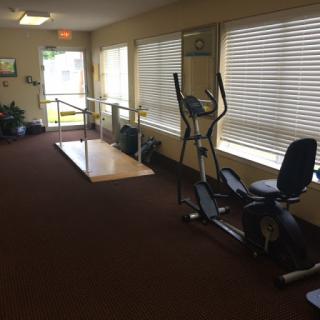
Fitness room
Fully furnished
Gaming room
Garden
Housekeeping services
Kitchenette
Move-in coordination
Outdoor space
Private bathrooms
Restaurant-style dining
Small library
Telephone
Wellness center
Wi-Fi/high-speed internet available
Transportation
Community operated transportation
Transportation arrangement
Transportation arrangement (non-medical)
Transportation to doctors appointments
Care Services
12-16 hour nursing
24-hour call system
24-hour supervision
Activities of daily living assistance
Assistance with bathing
Assistance with dressing
Assistance with transfers
Diabetes diet
Meal preparation and service
Medication management
Mental wellness program
Special dietary restrictions
Dining
Diabetes diet
Special dietary restrictions
Activities
Community-sponsored activities
Concierge services
Fitness programs
Planned day trips
Resident-run activities
Scheduled daily activities
Nearby Places of Interest
This part of Woodville, Texas, offers convenient access to essential health services with Tyler County Hospital and several medical clinics and pharmacies located within close proximity. There are various places of worship nearby, providing opportunities for spiritual fulfillment and community engagement. In terms of dining options, there is a selection of restaurants offering diverse cuisines ranging from Italian to Chinese. Additionally, the area features a park managed by the National Park Service for recreational activities. With nearby transportation options such as Tyler County Airport and Bravo Aviation, residents have easy access to travel facilities. Overall, this neighborhood provides a range of amenities that cater to the needs and interests of seniors looking for a comfortable living environment in Woodville.
Physicians
Tyler County Hospital Family Medical Clinic (0 miles)
Woodville Pediatrics (0.2 miles)
Hospitals
Tyler County Hospital (0.1 miles)
Woodville Dialysis CenterLLP (0.3 miles)
Alabama Coushatta Health (17 miles)
Pharmacies
Woodville Drug (0.1 miles)
Medicine Shoppe (0.1 miles)
Jarrott's Pharmacy (0.9 miles)
Dogwood Pharmacy and Gift (0.9 miles)
Brookshire Brothers Pharmacy (0.9 miles)
Walmart Pharmacy (1 miles)
Places of Worship
Faith Lutheran Church (0.4 miles)
Woodville United Pentecostal Church (0.6 miles)
Pine Street Church of Christ (0.6 miles)
Pleasant Hill Baptist Church (0.6 miles)
River Of Life (0.7 miles)
First Assembly of God Church (0.8 miles)
Pilgrim Rest Baptist Church (0.8 miles)
Restaurants
Joe's Italian Grill (0.8 miles)
Jack In The Box (0.8 miles)
China Cafe (0.9 miles)
Wise Eats and Treats (0.9 miles)
Donut Palace (0.9 miles)
MKG Provisions (0.9 miles)
Pickett House Restaurant (0.9 miles)
Cafes
Heritage Village Museum/Pickett House Restaurant - Woodville, Texas (0.9 miles)
Woodville Health and Rehabilitation Center offers a comprehensive array of services that are crucial in supporting residents with dementia or Alzheimer's disease. Assistance with dressing ensures residents maintain their dignity and fosters independence, while medication management helps to ensure that they receive the correct dosages at appropriate times, reducing confusion. Meal preparation and service are tailored to meet dietary needs, promoting both nutrition and pleasure during mealtimes. Activities of daily living assistance further supports residents in performing essential tasks, which can enhance their sense of normalcy and autonomy. Regular assistance with bathing not only maintains personal hygiene but also contributes to comfort and well-being. Support during transfers aids in mobility, minimizing the risk of falls and injuries. The provision of 24-hour supervision offers peace of mind for families while ensuring that help is readily available at any moment. Finally, a mental wellness program focuses on cognitive engagement, social interaction, and emotional support, all vital for enhancing the quality of life for those facing memory impairments. Together, these features create a nurturing environment that addresses both the physical and emotional needs of residents dealing with memory loss.
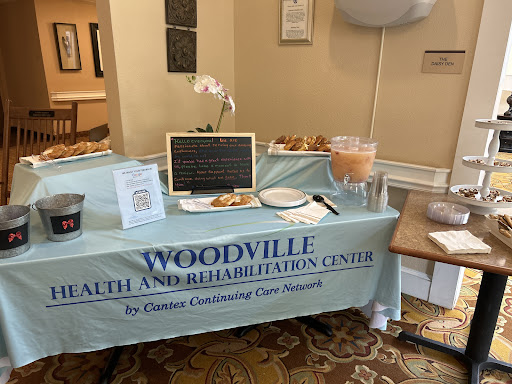
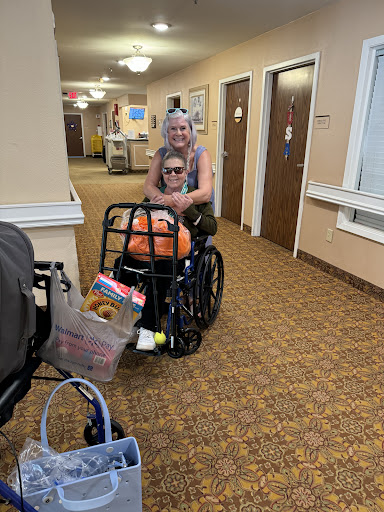
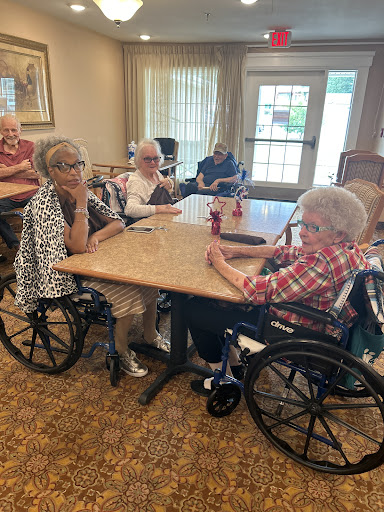
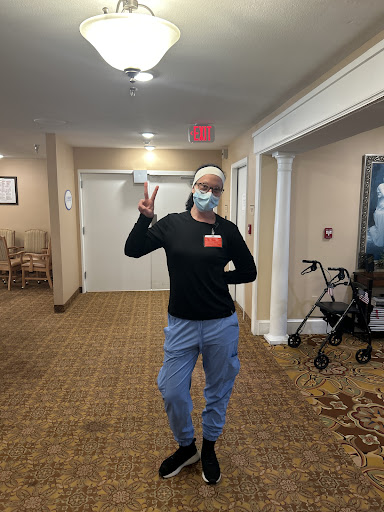
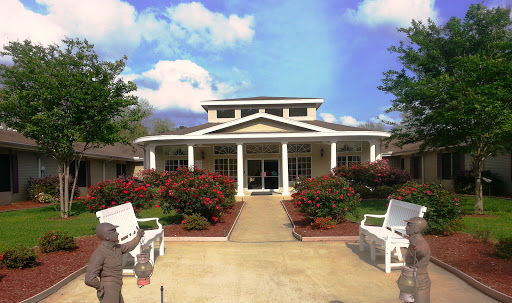
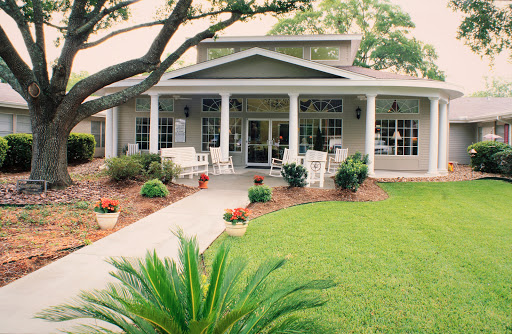
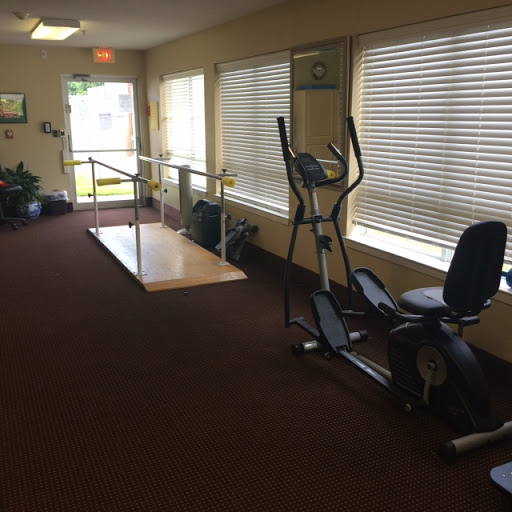
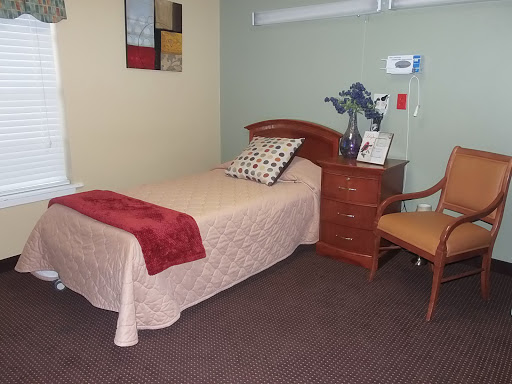
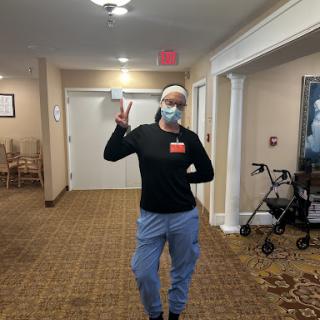
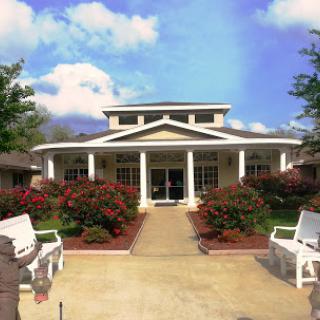
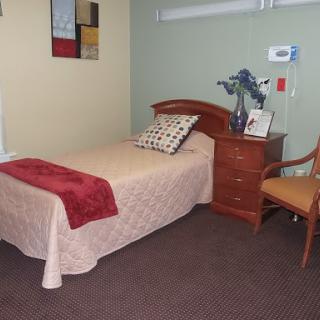
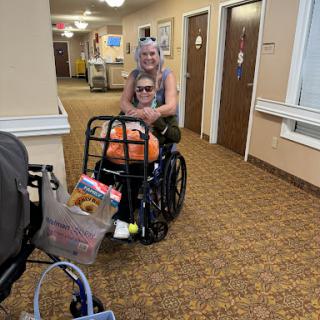
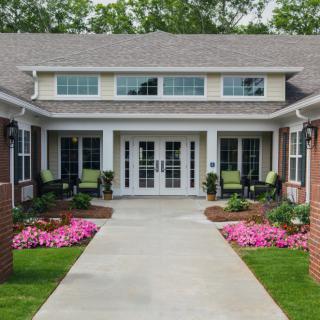
Woodville Health And Rehabilitation Center on seniors.fyi includes 9 photos including images showing architecture, nature, garden, landscaping, exercise equipment, bedroom, interior, healthcare, and more.
Nearby Communities
Orchard Assisted Living
Woodville, TX
4.8 from 12 reviews
$2,900 to $3,160 / month
Very clean, well-maintained facility with friendly, caring staff and engaging activities.
The Orchard
Woodville, TX
4.7 from 7 reviews
Compassionate staff and engaging activities with convenient transportation support.
Dogwood Trails Manor
Woodville, TX
4.6 from 40 reviews
Accommodating staff and clean, comfortable rooms.
Peach Tree Village Assisted Living
Chester, TX
Personalized around-the-clock care with engaging activities in a secure, welcoming setting.
Country Place Senior Living of Livingston
Livingston, TX
4.6 from 17 reviews
$3,495 / month
Excellent staff and high-quality, clean, homelike care.
Rosewood Assisted Living Center
Jasper, TX
5 from 1 review
Fully furnished accommodations with 24/7 supervision, ADL support, and on-site amenities.
Rayburn Health Care & Rehabilitation
Jasper, TX
4 from 22 reviews
Extensive amenities with 24/7 nursing and active lifestyle options.
The Gardens at Livingston
Livingston, TX
4.6 from 12 reviews
$2,400 to $3,550 / month
Friendly, caring staff in a home-like setting with inclusive pricing.
Tall Pines Assisted Living
Livingston, TX
5 from 5 reviews
$2,500 to $3,000 / month
Home-like setting with on-site RN oversight and free transportation.
Dementia encompasses progressive neurological disorders that impair cognitive functions and can lead to paranoia due to cognitive decline and emotional changes. The article discusses the triggers of paranoia in dementia, caregiver strategies for managing it, and the importance of distinguishing between dementia-related paranoia and other psychiatric conditions.
Memory care activities are essential for improving the quality of life of seniors with cognitive impairments, as they stimulate cognitive function, promote well-being, and encourage social interaction through tailored strategies. These activities combine structured exercises with spontaneous tasks, sensory engagement, physical workouts, creative pursuits, and intergenerational interactions to enhance emotional connection and a sense of purpose.
Transitioning from assisted living to memory care is driven by an individual's cognitive decline and specific needs, requiring careful evaluation of indicators like increased confusion and wandering. The process involves consulting medical professionals, researching suitable communities, considering financial and legal aspects, and ensuring effective communication for personalized care plans.
Get PricingAsk A QuestionSchedule A TourContact Senior Advisor
By clicking submit, you agree to our Partner's Terms of Use. You
also consent to receive calls and texts, which may be autodialed, from our Partner. Your consent is not a condition to
using our Partner's service. Please visit our Partner's Privacy Policy for information about their privacy practices.





 98 resident community capacity
 Memory Care
 Skilled Nursing Facility
 Air-conditioning
 Beauty salon
 Cable or satellite TV
 Computer center
 Dining room
 Fitness room
 Fully furnished
 Gaming room
 Garden
 Housekeeping services
 Kitchenette
 Move-in coordination
 Outdoor space
 Private bathrooms
 Restaurant-style dining
 Small library
 Telephone
 Wellness center
 Wi-Fi/high-speed internet available
 Community operated transportation
 12-16 hour nursing
 24-hour call system
 Activities of daily living assistance
 Assistance with bathing
 Assistance with dressing
 Assistance with transfers
 Diabetes diet
 Medication management
 Mental wellness program
 Special dietary restrictions
 Concierge services
 Planned day trips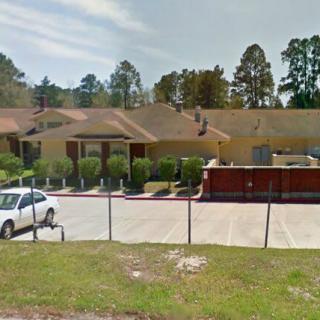
 Very clean, well-maintained facility with friendly, caring staff and engaging activities.




 Dementia, Paranoia, and Caregiver Guidance: Understanding the Connection
 Engaging Memory Care Activities That Enhance Quality of Life
 When to Transition from Assisted Living to Memory Care: Key Indicators, Steps, and Finding the Right Community