
1000 South Kiowa Street, Wheeler, TX 79096
For more information about senior living options: (866) 208-4318
Overall Review of Wheeler Nursing & Rehabilitation
Pros
 The mom loves it here.
- The staff is great.
- The staff is friendly.
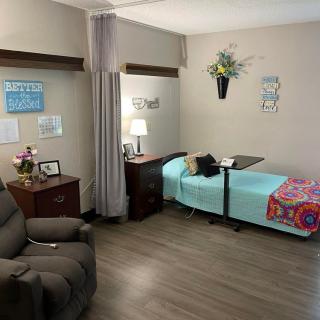
- The facility is clean.
- It’s clear that everyone loves the patients here.
- The place is highly recommended.
Cons
 None found.
Review
Wheeler Nursing & Rehabilitation is best suited for families that prioritize a warm, people-centered nursing and rehabilitation experience in a small-town setting. The community appears to build its identity around sturdy, everyday care delivered by staff who come across as genuinely engaged with residents. Observations of the environment point to a clean, orderly facility where routine routines are predictable and residents’ needs are tended to with consistency. For families seeking reassurance that caregivers know their loved one by name and respond quickly to requests, this community offers a compelling match. It is especially attractive for seniors who respond well to a calm, intimate atmosphere rather than a bustling campus with a wide scramble of options.
Those who may want to consider alternatives are clear: if the priority is high-intensity, cutting-edge therapy programs, or rigorous specialized care (such as memory care with advanced protocols), the options may be found elsewhere. If a larger campus with abundant amenities, more diverse activity calendars, or a broader network of medical partners is essential, other facilities in the region should be weighed. Families looking for aggressive discharge planning, frequent physician on-site visits, or expansive multi-disciplinary teams should proceed with caution here and compare how different communities structure rehab and ongoing care. Location convenience and cost flexibility also matter; for families needing a facility with a broader footprint or more hospital affiliations, exploration beyond Wheeler is prudent.
The main strengths, notably the staff’s attitude, the friendliness of care, and the cleanliness, offset several common concerns in smaller facilities. The sentiment that “great staff, friendly, clean, and really can tell everyone loves the patients here” signals reliable daily interactions and a comforting culture, which can translate into higher engagement, fewer anxiety-driven behaviors, and better adherence to rehab plans. A clean, well-kept environment supports safety and routine, reducing the friction that often accompanies transitions to care settings. In practical terms, these positives can meaningfully enhance a loved one’s willingness to participate in therapy, maintain nutrition and hygiene routines, and feel valued as a resident. Yet, the lack of more detailed information about therapy depth, activity breadth, and overall clinical throughput means the positives may not automatically outweigh the potential gaps in services for every case.
From a decision-making standpoint, prospective families should use a judgment-based checklist anchored in real-world observations. Schedule multiple visits to observe daytime and evening staff interactions, not just administrative portrayals, and request a current care plan for a resident with a profile similar to the loved one. Inquire about therapy hours, therapist-to-resident ratios, and the availability of essential therapies (PT/OT/SLP) on a reliable cadence. Ask to review dining options, menu flexibility, and transportation logistics, because daily rhythms matter as much as clinical care. Demand a transparent outline of costs, including what is included in core pricing and what might incur additional charges, and verify how upcoming changes in needs would be managed and priced. A trial stay or short-term admission period could reveal how well the culture translates into sustained outcomes.
In the end, Wheeler Nursing & Rehabilitation presents a practical, solid option for families that prize responsive, compassionate care in a clean, respectful setting. It stands as a strong choice for seniors who value the human touch and a serene daily life, rather than the highest level of clinical throughput or the widest array of activities. Alternatives should be seriously considered for families seeking aggressive memory-care specialization, high-volume therapy programs, or a campus with a broader ecosystem of services. The prudent path is to couple this initial positive impression with structured inquiries and a direct tour that probes the specific rehab capabilities, staff availability, and cost structure to ensure the match is not just good on paper but consistently good in daily life. With clear expectations and careful vetting, Wheeler Nursing & Rehabilitation can deliver lasting peace of mind for many families.
 90 resident community capacity
 Skilled Nursing Facility
 Air-conditioning
 Beauty salon
 Cable or satellite TV
 Computer center
 Dining room
 Fitness room
 Fully furnished
 Gaming room
 Garden
 Housekeeping services
 Kitchenette
 Move-in coordination
 Outdoor space
 Private bathrooms
 Restaurant-style dining
 Small library
 Telephone
 Wellness center
 Wi-Fi/high-speed internet available
 Community operated transportation
 12-16 hour nursing
 24-hour call system
 Activities of daily living assistance
 Assistance with bathing
 Assistance with dressing
 Assistance with transfers
 Diabetes diet
 Medication management
 Mental wellness program
 Special dietary restrictions
 Concierge services
 Planned day trips



 Comprehensive Guide to Blood Pressure Charts for Older Adults: Understanding Normal and High Readings by Age
 Financing Long-Term Nursing Home Care Through Social Security: A Thorough Exploration
 Essential Knowledge on Pneumonia in Older Adults