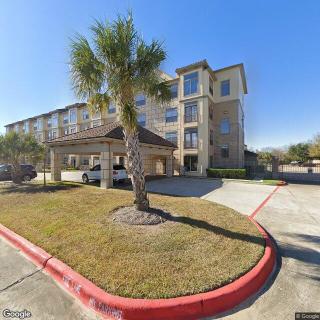
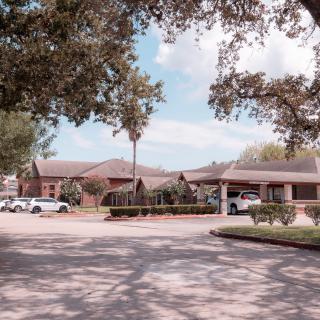
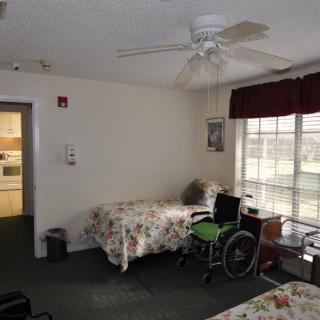
Focused Care At Webster

Save
Focused Care At Webster Focused Care At Webster Focused Care At Webster

Focused Care At Webster

17231 Mill Forest, Webster, TX 77598

For more information about senior living options: (844) 490-3973

3.8 from 50 reviews
5 stars
29
4 stars
5
3 stars
3
2 stars
3
1 stars
10

Skilled Nursing Facility

Focused Care At Webster Costs & Pricing

Focused Care At Webster offers competitive pricing for its services compared to both Harris County and the broader Texas market. For semi-private accommodations, residents can expect a monthly cost of $3,030, which is notably lower than the county average of $3,518 and significantly more affordable than the state average of $3,680. In terms of private rooms, Focused Care At Webster's rate is set at $4,200; while this is higher than the county's average of $3,784, it remains comparable to the state's average cost of $4,096. Overall, Focused Care At Webster provides a cost-effective option for those seeking quality care in a supportive environment.

Floor plansFocused Care At WebsterHarris CountyTexas
Semi-Private$3,030$3,518$3,680
Private$4,200$3,784$4,096

Overall Review of Focused Care At Webster

Pros

  • pro Bailee LeCompte is one of the very best when it comes to transitioning loved ones from the hospital or home.
  • pro The care provided at Focused Care Webster is impeccable.
  • pro Bailee LeCompte is consistently welcoming, caring, and a pleasure to work with.
  • pro The internal team at Focused Care Webster is among the best communities in the Houston area, willing to go above and beyond for residents; care and compassion are their driving forces.
  • pro Stacy, the Director of Nursing, is one of the nicest and most compassionate people and truly goes above and beyond for residents.
  • pro The facility is clean and well-maintained, with staff that greet visitors and keep residents engaged with activities.
  • pro The facility offers an in-house beauty salon, helping residents maintain their routines.
  • pro The staff regularly takes residents to doctor appointments and social outings, supporting their quality of life.
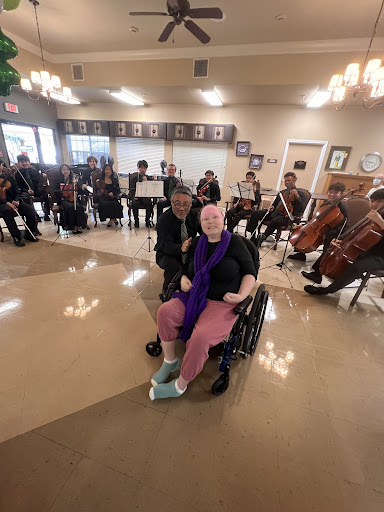
  • pro Mersha, the activities director, designs thoughtful events and outings that uplift residents and families.

Cons

  • pro The facility has COVID outbreaks all the time, and roaches are present in rooms and public bathrooms.
  • pro It is described as a terrible place to place a loved one.
  • pro A resident cannot speak for himself and is found full of stool.
  • pro Nurses are said to cough and do not wear masks.
  • pro Staff do not check on residents who are confined to their rooms.
  • pro A wound is leaking down the hall, and staff pass the issue to the next person.
  • pro Nobody answers the phones when called.
  • pro The facility is dirty and has a persistent smell of urine and feces.

Review

The collection of experiences surrounding Focused Care Webster paints a facility that inspires strong, mixed feelings. On one hand, there are many glowing accounts of compassionate staff, organized activities, and a welcoming atmosphere. On the other hand, there are stark, troubling reports of sanitation issues, medical neglect concerns, and communication breakdowns. Taken together, the narratives describe a place that can feel like a beacon of care for families in one moment and a source of serious worry in another.

Several reviews center on the people who make the day-to-day difference. Bailee LeCompte, the Director of Business Development, appears repeatedly as a standout figure - described as patient, compassionate, and highly effective at guiding families through the admission process. Commentators emphasize that Bailee's involvement helps ease the emotional burden of moving a loved one into care, with many noting that she communicates clearly and brings a calming, trustworthy presence. Similarly, Stacy, the Director of Nursing (D.O.N.), is repeatedly praised for going above and beyond for residents, including practical problem-solving around medication administration and even taking steps to accommodate a family member's needs. The enthusiasm for these leaders is matched by appreciation for the everyday warmth - the staff who greet visitors, the activity director who organizes outings and events, and the in-house services like a beauty salon that keep Mom feeling cared for and engaged. A sense of reliability and ongoing effort is echoed in stories of residents attending doctor appointments or participating in supervised outings to stores or restaurants, with the facility being described as consistently clean and actively invested in residents' social lives.

Where these positive narratives flourish, others bring attention to gaps that can undermine confidence in the care provided. A notably negative account describes roaches in rooms and public bathrooms, a loved one who cannot speak for himself, and a cascade of issues from medical neglect signals to poor infection control. The reviewer recounts a situation in which a resident is found to be full of stool, nurses are said to cough and not wear masks, and staff apparently fail to check on residents who are being kept in rooms against their will. There are claims that wounds leak into the hall, that staff pass problems along rather than addressing them, and that phones go unanswered - even after updates indicating attempts to reach someone who then also does not respond. Taken literally, these details present urgent concerns about sanitation, infection control, and communication that would understandably alarm families.

Other reviewers add weight to these concerns with descriptions of a facility in decline. One account details a long-term deterioration in the quality of care, with the author visiting multiple times per week over years and still feeling compelled to contact corporate due to ongoing management and caregiving issues. The facility is described as dirty with a persistent urine and feces smell, signaling that residents may not be changed regularly. Leadership turnover - specifically multiple changes in the Director of Nursing within a short period - allegedly leads to low morale, frequent staff turnover, and shortages of basic supplies. The writer characterizes the administrative team as often absent or unprofessional, leaving families feeling unsupported and without accountability when problems arise. This narrative also points to gaps in communication from medical staff and administration, troubling instances with caregivers who were not attentive to residents' needs, and even the loss of personal items such as a hearing aid, clothes, and a sweater, all contributing to a sense that basic, respectful care is sometimes missing.

Amid the tensions, there are also specific, individual testimonies that convey real heartbreak over the care experience. One review highlights a particular CNA - described as rudest - and notes that other nurses within a given shift seemed dismissive when approached by families with questions. The reviewer also mentions that some staff members were observed wearing earbuds or using personal devices during visiting hours, which adds to perceptions of inattentiveness or unprofessional conduct. In this account, families recount ambulance calls, disagreements with the facility doctor, and a sense that some family members were urged to remove loved ones from Focused Care due to worsening conditions. The reviewer also references a substantial financial expenditure and unresolved expectations around Medicaid approval, ending with a cautious-but-honed appreciation for the consistency and kindness shown by Bailee, even as broader concerns remain.

Together, the stories form a nuanced portrait of Focused Care Webster. The facility is described by many as a place where dedicated staff can create meaningful, positive experiences for residents - where activities, cohesive teams, and a clean environment help people feel safe and engaged. Yet, other voices caution that the experience can be uneven and troubling: sanitation lapses, alarming gaps in communication, leadership instability, and instances of perceived indifference or neglect. The convergence of these perspectives suggests that the quality of care at Focused Care Webster may depend heavily on the day, the staff on duty, and the level of oversight families are able to secure. For families weighing this option, the message is clear: there are powerful advocates within the facility who can drive excellent experiences, but there are also serious concerns that warrant careful, proactive inquiry and ongoing monitoring.

Features

Housing

  • 120 resident community capacity 120 resident community capacity

Types of Care

  • Skilled Nursing Facility Skilled Nursing FacilitySkilled Nursing Facilities are crucial for seniors as they provide round-the-clock medical care, rehabilitation services, and assistance with daily activities. These facilities ensure that seniors receive the specialized care they need to maintain their health and well-being as they age.

Amenities

  • Air-conditioning Air-conditioningAir conditioning is important for seniors as they are more vulnerable to heat-related illnesses and may have underlying health conditions that make it difficult for them to regulate their body temperature. It helps to keep them comfortable, safe, and healthy in hot weather.
  • Beauty salon Beauty salonBeauty salons are important for seniors because they provide a space for them to feel pampered, socialize, and maintain their personal grooming and hygiene. Regular visits to a beauty salon can help boost seniors' self-esteem and overall well-being.
  • Cable or satellite TV Cable or satellite TVCable or satellite TV is important for seniors because it provides entertainment, news, and companionship, helping to combat loneliness and boredom. It also offers a wide range of programming options tailored to different interests and preferences.
  • Computer center Computer centerA computer center is essential for seniors as it provides access to technology, communication tools, and resources that can enhance their daily lives. It allows them to stay connected with loved ones, engage in online activities, and learn new skills, ultimately promoting socialization and mental stimulation.
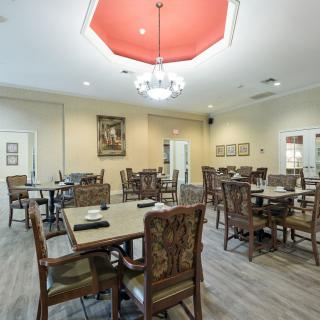
  • Dining room Dining roomDining rooms are important for seniors as they provide a space for socialization, connection, and nutritious meals. They offer opportunities for residents to bond over shared meals, foster a sense of community, and promote healthy eating habits. Dining rooms also ensure that seniors have access to well-balanced meals tailored to their dietary needs and preferences.
  • Fitness room Fitness roomHaving a fitness room in a senior living community is essential for seniors to stay active, maintain their physical health, and improve their overall well-being. Regular exercise can help prevent falls, reduce the risk of chronic diseases, and promote mental sharpness. It also provides social opportunities for residents to connect with others and enjoy a sense of community.
  • Fully furnished Fully furnishedFully furnished senior living communities are important for seniors because they provide convenience, comfort, and a hassle-free moving experience. Seniors can easily settle into their new living space without the stress of having to buy and move furniture. This allows them to focus on enjoying their new home and community.
  • Gaming room Gaming roomGaming rooms are important for seniors as they provide a fun and engaging environment for socializing, cognitive stimulation, and physical activity. Games can improve memory, problem-solving skills, and overall mental well-being while fostering friendships and reducing feelings of isolation.
  • Garden GardenGardens are important for seniors as they provide a peaceful and therapeutic environment for relaxation, physical activity, and socialization. Being in nature has been shown to reduce stress, improve mood, and promote overall well-being. Gardens also offer opportunities for seniors to engage in gardening activities, which can improve mobility, flexibility, and cognitive function. Additionally, gardens create a sense of community and connection with others who share a passion for plants and outdoor spaces.
  • Housekeeping services Housekeeping servicesHousekeeping services are important for seniors because they help maintain a clean and safe living environment, promote independence, and reduce the risk of accidents or illnesses. Additionally, having assistance with household chores can alleviate physical strain and allow seniors to focus on other aspects of their well-being.
  • Kitchenette KitchenetteKitchenettes are important for seniors living in senior living communities because they provide the convenience and independence of being able to prepare simple meals and snacks in the comfort of their own living space. This can help promote a sense of autonomy and well-being for seniors, allowing them to maintain some level of control over their dietary choices and daily routines.
  • Move-in coordination Move-in coordinationMove-in coordination is important for seniors because it helps ease the transition into their new living environment. It ensures that all logistics, such as packing, organizing movers, and setting up utilities are taken care of, allowing seniors to focus on settling in and adjusting to their new home. Having a smooth move-in process can alleviate stress and anxiety, making the transition smoother and more enjoyable for seniors.
  • Outdoor space Outdoor spaceOutdoor spaces are important for seniors as they provide opportunities for physical activity, social interaction, exposure to natural light and fresh air, and a sense of connection to nature. Having access to outdoor spaces can improve overall well-being and quality of life for older adults living in senior communities.
  • Private PrivatePrivacy is important for seniors as it allows them to maintain their independence, dignity, and sense of control over their own lives. It also gives them the space and freedom to relax, reflect, and engage in activities that bring them joy and fulfillment. Creating private spaces within senior living facilities is crucial for promoting overall well-being and quality of life.
  • Private bathrooms Private bathroomsPrivate bathrooms are important for seniors in senior living communities because they provide independence, dignity, and comfort. Having a private bathroom allows seniors to maintain their personal hygiene routines without the need for assistance, promoting a sense of autonomy and privacy. Additionally, private bathrooms help prevent the spread of infections and provide a safe and clean environment for seniors to navigate safely.
  • Restaurant-style dining Restaurant-style diningRestaurant-style dining is important for seniors because it allows them to enjoy delicious, nutritious meals in a social and upscale setting. This enhances their dining experience, promotes healthy eating habits, and fosters socialization with fellow residents, ultimately contributing to their overall well-being and quality of life.
  • Small library Small librarySmall libraries are important for seniors as they provide access to a variety of reading materials, including books, newspapers, and magazines. This can help stimulate their minds, keep them engaged, and provide a sense of community through book clubs and other social activities. Additionally, reading has been shown to improve cognitive function and overall mental well-being in older adults.
  • Telephone TelephoneTelephones are important for seniors as they provide a lifeline for communication with loved ones, emergency services, and healthcare providers. They offer a sense of security and independence, enabling seniors to stay connected and access assistance when needed.
  • Wellness center Wellness centerWellness centers are important for seniors because they offer a variety of programs and services that promote physical, mental, and emotional well-being. These centers provide opportunities for exercise, socialization, education, and relaxation, helping seniors maintain their overall health and quality of life.
  • Wi-Fi/high-speed internet available Wi-Fi/high-speed internet availableWi-Fi/high-speed internet is important for seniors to stay connected with loved ones, access online resources, and participate in virtual activities to combat feelings of loneliness and isolation. It also allows them to easily manage healthcare needs, access entertainment, and engage in lifelong learning opportunities.

Transportation

  • William P X (12 miles away) William P X (12 miles away)
  • Community operated transportation Community operated transportationCommunity operated transportation is crucial for seniors as it provides them with the means to access essential services, social activities, and medical appointments. It allows seniors to maintain their independence and quality of life by ensuring they can participate in activities outside of their homes. Additionally, community-operated transportation services offer a safe and reliable way for seniors to travel without having to rely on family or friends for assistance.
  • Transportation arrangement Transportation arrangementTransportation arrangements are crucial for seniors as they may face challenges with driving, mobility, or access to public transportation. Having reliable transportation services ensures that seniors can easily attend appointments, social activities, and maintain their independence and quality of life.
  • Transportation arrangement (non-medical) Transportation arrangement (non-medical)Transportation arrangements are essential for seniors as they provide access to essential services, activities, and social interactions outside the home. This service helps maintain independence, mobility, and overall well-being for seniors who may have limited transportation options.
  • Transportation to doctors appointments Transportation to doctors appointmentsTransportation to doctors appointments is crucial for seniors as it ensures they have access to necessary medical care and support, promoting their health and well-being. It allows them to receive timely treatment, monitor existing conditions, and address any new health concerns efficiently. Additionally, transportation services can help seniors maintain their independence and quality of life by enabling them to stay connected with their healthcare providers.

Care Services

  • 12-16 hour nursing 12-16 hour nursing12-16 hour nursing care is crucial for seniors in order to ensure around-the-clock monitoring, timely medication administration, and prompt response to any health concerns or emergencies. This level of care helps to promote the overall well-being and safety of seniors living in senior living communities.
  • 24-hour call system 24-hour call system24-hour call systems are important for seniors because they provide peace of mind and immediate assistance in case of emergencies. This technology ensures that help is always available, promoting safety and security for elderly individuals living alone or in assisted living facilities.
  • 24-hour supervision 24-hour supervision24-hour supervision is important for seniors to ensure their safety, well-being, and access to immediate assistance in case of emergencies or health issues. This constant support provides peace of mind for both seniors and their loved ones, allowing them to age in place with dignity and security.
  • Activities of daily living assistance Activities of daily living assistanceActivities of daily living assistance are important for seniors because they provide essential support with tasks such as eating, bathing, dressing, and mobility. This assistance helps seniors maintain their independence, dignity, and overall quality of life as they age.
  • Assistance with bathing Assistance with bathingAssistance with bathing is crucial for seniors as it helps maintain personal hygiene, prevents infections, and ensures their overall well-being and comfort. It also provides a sense of dignity and independence for seniors who may struggle with this task on their own.
  • Assistance with dressing Assistance with dressingAssistance with dressing is important for seniors because it helps maintain their independence, promotes personal hygiene, prevents accidents and injuries, and improves overall quality of life. This service ensures that seniors can continue to dress comfortably and confidently, despite any physical limitations they may have.
  • Assistance with transfers Assistance with transfersAssistance with transfers is crucial for seniors as it helps prevent falls and injuries, maintains their independence, and ensures they can safely navigate their living environment. It also provides peace of mind for both seniors and their loved ones.
  • Diabetes diet Diabetes dietA diabetes diet is crucial for seniors as it helps manage blood sugar levels, reduce risks of complications, and improve overall health and well-being. By following a balanced and nutritious diet tailored to their specific needs, seniors can better control their diabetes and enhance their quality of life.
  • Meal preparation and service Meal preparation and serviceMeal preparation and service are crucial for seniors as they may have limited mobility or energy to cook nutritious meals. Having access to healthy and convenient food options can ensure they are getting the proper nutrition needed to maintain their overall health and well-being.
  • Medication management Medication managementMedication management is crucial for seniors to ensure they are taking the right medications at the correct dosages and times. This helps prevent adverse drug interactions, reduces the risk of medication errors, and promotes overall health and well-being. Proactive management also allows for adjustments as needed based on changing health conditions or new prescriptions.
  • Mental wellness program Mental wellness programMental wellness programs are essential for seniors as they promote cognitive stimulation, emotional support, and social engagement. These programs help prevent isolation, depression, and cognitive decline, ultimately enhancing the overall quality of life for older adults.
  • Special dietary restrictions Special dietary restrictionsSpecial dietary restrictions are important for seniors because age-related changes in metabolism and health conditions can make it difficult for their bodies to process certain foods. By following a diet tailored to their specific needs, seniors can maintain their overall health and well-being, manage chronic conditions, and reduce the risk of complications such as malnutrition or food interactions with medications.

Dining

  • Diabetes diet Diabetes dietA diabetes diet is crucial for seniors as it helps manage blood sugar levels, reduce risks of complications, and improve overall health and well-being. By following a balanced and nutritious diet tailored to their specific needs, seniors can better control their diabetes and enhance their quality of life.
  • Special dietary restrictions Special dietary restrictionsSpecial dietary restrictions are important for seniors because age-related changes in metabolism and health conditions can make it difficult for their bodies to process certain foods. By following a diet tailored to their specific needs, seniors can maintain their overall health and well-being, manage chronic conditions, and reduce the risk of complications such as malnutrition or food interactions with medications.

Activities

  • Community-sponsored activities Community-sponsored activitiesCommunity-sponsored activities are important for seniors as they provide opportunities for social interaction, mental stimulation, and physical activity. These activities can help improve overall well-being, combat loneliness and isolation, and promote a sense of belonging and purpose among older adults.
  • Concierge services Concierge servicesConcierge services are essential for seniors as they provide assistance with daily tasks and errands, enhance their quality of life by offering convenience and personalized care, and promote a sense of safety and security.
  • Fitness programs Fitness programsFitness programs are crucial for seniors as they help improve strength, flexibility, balance, and overall well-being. Staying active can reduce the risk of chronic diseases, improve mental health, and enhance quality of life in older adults.
  • Planned day trips Planned day tripsPlanned day trips are important for seniors because they offer opportunities for socialization, mental stimulation, and physical activity. They provide a change of scenery and help seniors stay engaged and connected to their community, promoting overall well-being and quality of life.
  • Resident-run activities Resident-run activitiesResident-run activities are important for seniors as they encourage social interaction, creativity, and a sense of autonomy. These activities empower seniors to stay engaged and active in their community while fostering meaningful connections with their peers.
  • Scheduled daily activities Scheduled daily activitiesScheduled daily activities are important for seniors because they provide structure, socialization, mental stimulation, and physical activity. Engaging in regular activities can improve overall well-being and quality of life for seniors living in a community setting.

Description

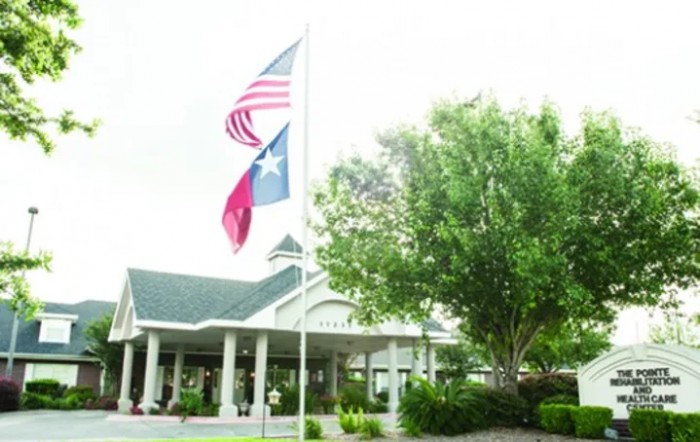
Focused Care at Webster is an assisted living community located in Webster, TX. Our community provides a comfortable and supportive environment for seniors who require assistance with daily activities.

Our amenities are designed to enhance the quality of life for our residents. We have a beauty salon where residents can pamper themselves, as well as cable or satellite TV for entertainment. Community operated transportation is available for outings and appointments, while our computer center allows residents to stay connected with loved ones. Our dining room offers restaurant-style dining, and meals can be tailored to accommodate special dietary restrictions. The fitness room and wellness center promote physical health and well-being. Residents can also enjoy the outdoor space, gaming room, small library, and high-speed internet access.

In terms of care services, we offer 24-hour call system and supervision to ensure the safety of our residents at all times. Our highly trained staff assists with activities of daily living such as bathing, dressing, and transfers. We have specialized support for those with diabetes through our diabetes diet program. Medication management is available to ensure that residents receive their medications on time. Our mental wellness program focuses on promoting emotional well-being.

In addition to our on-site amenities and services, we are conveniently located near various establishments in the area. There are numerous cafes, parks, pharmacies, physicians' offices, restaurants, places of worship, theaters, and hospitals nearby.

At Focused Care at Webster, we strive to provide a warm and welcoming environment where seniors can receive personalized care while maintaining their independence and enjoying a fulfilling lifestyle.

Nearby Places of Interest

This part of Webster, Texas offers a convenient and diverse range of amenities for senior living. With several hospitals and physicians in close proximity, residents have easy access to healthcare services. The variety of cafes and restaurants nearby provide options for dining out, while pharmacies ensure easy access to medications. For leisure activities, there are parks for outdoor recreation and theaters for entertainment. Additionally, places of worship offer spiritual support and a sense of community. Overall, this area provides a balanced mix of essential services and recreational opportunities, making it a desirable location for seniors looking to settle down.

Physicians

  • Cardiolife (0.2 miles)
  • Webster Family Care Doctor (0.2 miles)
  • Banta Linda MD (0.3 miles)
  • Clear Lake Regional Medical Center (0.5 miles)
  • Texas Oncology (0.5 miles)
  • Dekerlegand Dean, DDS (0.6 miles)
  • Allergy & Asthma Associates (0.6 miles)

Hospitals

  • UTMB Health Clear Lake Campus (0.2 miles)
  • Clear Lake Regional Heart Tower (0.5 miles)

Cafes

  • Starbucks (0.4 miles)
  • Black Rock Coffee Bar (0.8 miles)
  • Java Owl Coffee House (1.4 miles)
  • Starbucks (1.5 miles)
  • Starbucks (1.8 miles)
  • Panera Bread (1.8 miles)
  • Starbucks (3.1 miles)

Restaurants

  • BJ's Restaurant & Brewhouse (0.6 miles)
  • Jason's Deli (0.6 miles)
  • Whataburger (0.6 miles)
  • Third Base (0.7 miles)
  • Pho Barr (0.8 miles)
  • Torchy’S Tacos (1 miles)
  • Dimassi’s Mediterranean Buffet (1 miles)

Pharmacies

  • CVS Speciality (0.6 miles)
  • Walgreens (0.8 miles)
  • Walgreens (1.3 miles)
  • CVS Pharmacy (1.7 miles)
  • Walgreens (2 miles)
  • CVS Pharmacy (2.1 miles)
  • CVS Pharmacy (3.1 miles)

Theaters

  • Cinemark (1.3 miles)

Places of Worship

  • Nassau Bay Baptist Church (1.4 miles)
  • St Bernadette Catholic Church (1.7 miles)
  • St Mary Catholic School (3.4 miles)

Parks

  • Challenger 7 Memorial Park (1.4 miles)
  • University Green Park - Doggie Walk/Run (1.6 miles)
  • Nassau Bay City Park (2.3 miles)
  • Bay Knoll Park (2.6 miles)
  • Sabal Park (3.1 miles)
  • Bay Pointe Neighborhood Park (3.6 miles)

Frequently Asked Questions

How much does it cost to live at Focused Care At Webster in Webster, TX?
Where is Focused Care At Webster?
What photos are available for Focused Care At Webster in Webster, Texas?

Nearby Communities

Related Resources

  • adult day careEncouraging Participation in Adult Day Care: A Guide to Supporting a Hesitant Parent

    Adult day care programs offer essential support and activities for older adults, yet many hesitate to participate due to concerns about independence and stigma. To alleviate these apprehensions, families should facilitate open discussions, explore financial resources, suggest trial visits, and collaborate with healthcare providers to highlight the benefits of such services for both the participants and their caregivers.

  • living will definitionComprehensive Exploration of Living Wills and Other Advance Directives

    Living wills and advance directives are crucial legal documents that outline an individual's healthcare preferences when they cannot make decisions themselves, enhancing patient autonomy and alleviating family stress during medical crises. The article emphasizes the need for these documents to be personalized, legally valid, and regularly updated, while also encouraging communication about end-of-life wishes among family members and healthcare providers.

  • living will definitionA Detailed Exploration of Living Wills and Advance Directives

    The article examines living wills and advance directives, highlighting their significance in expressing healthcare preferences for those unable to communicate due to illness or incapacity. It discusses their historical development, legal components, limitations, practical drafting advice, and the importance of clear communication among families and healthcare professionals regarding end-of-life decisions.