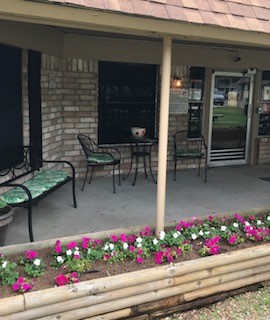
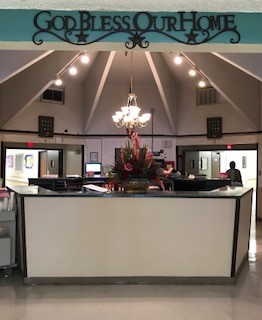
470 Moore Drive, Vidor, TX 77662
For more information about senior living options: (866) 208-4318
Overall Review of Vidor Health & Rehabilitation Center
Pros
 The facility is very clean and the staff are absolutely wonderful with the residents.
- The therapy department is one of the best for rehab to home.
- The staff consistently provided loving, professional care and made the resident feel valued.
- The staff are friendly, attentive, and genuinely care for both residents and families.
- Sylvia goes above and beyond to ensure residents are well taken care of.
- Sylvia is described as a God-sent helper who truly cares for clients, even when they are away from the facility.
- The staff are amazing, caring, and respectful; the facility feels like home.
- This is the best nursing facility in Vidor, with top-notch nurses and care.
- Administrators are responsive and strive to ensure families feel comfortable leaving their loved ones.
Cons
 The reviewer regrets sending their loved one to this place.
- The facility failed to provide medications consistently, with meds running out and staff not calling them in, requiring daily intervention by the family.
- The nurses were rude, disrespectful, and lacked compassion toward residents.
- A nurse claimed it was not hard to see people die because they chose it, revealing a shocking lack of empathy.
- The nurses couldn’t even administer injections properly, calling into question their qualifications.
- Black mold was found on the vents inside and outside the room, and deep cleaning was never performed.
- The environment felt neglectful and unsafe, with residents ending up in urine-soaked clothing, UTIs, and falls.
- The reviewer warned others to avoid this facility, saying it is a huge risk for loved ones.
Review
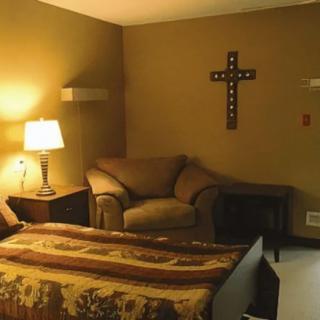
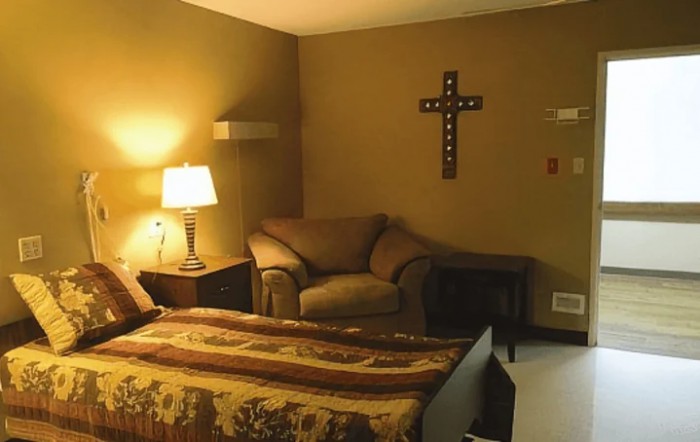
This community is best suited for families seeking a strong rehab-to-home pathway and a home-like atmosphere, where the standout advantage is engaged therapy and a warm, personable staff. It works well for residents who can benefit from reliable therapy services, a clean environment, and caregivers who treat families with respect. It may not be ideal for residents who require meticulous, constant nursing oversight and fail-safe medication administration. Families should consider alternatives if the primary need is uninterrupted med passes, predictable nurse coverage, or past experiences with staff turnover that necessitate steadier medical management.
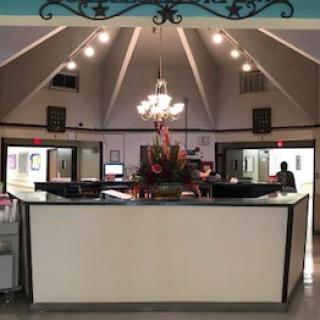
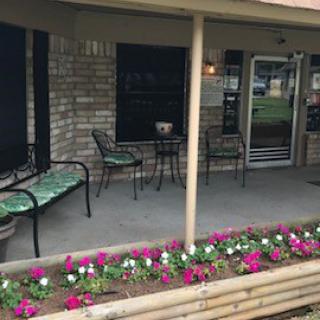
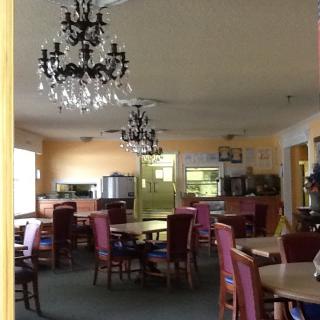
On the plus side, the facility earns broad praise for cleanliness and a caregiving team that radiates warmth and attentiveness. The therapy program is consistently described as among the best for helping residents regain function and transition home. Wound care, including care for amputations, is highlighted as thorough, with coordination of doctors’ appointments and ongoing rehab progress cited as strengths. The building is typically described as well-kept and odor-free, and activities and social engagement are frequently noted as parts of a well-rounded daily routine. Administrators and front-line staff are often accessible and responsive, reinforcing a perception of openness to family input.
Several reviewers spotlight individual staff members who become anchors for families, with Sylvia repeatedly named as going above and beyond. Her willingness to check in, advocate for residents, and stay connected with family members is framed as a differentiator that builds trust and a sense of safety in day-to-day care. Taken together, these anecdotes emphasize that the human element, consistent, compassionate interaction, can elevate the overall experience, especially when rehab-to-home services are the core goal and family members value close communication with the care team.
Yet the goodwill is tempered by a chorus of serious concerns. Multiple accounts describe inconsistent nursing attention to medications, with delays calling in refills or pain medications and, in some cases, outright lapses that required hospice involvement or repeated family intervention. Some reviews recount rough experiences with nursing staff, questions about the depth of clinical training, and perceived apathy toward residents’ discomfort or dignity. There are alarming anecdotes about safety and health lapses, residents left in urine-soaked garments leading to UTIs, falls, and abrupt changes in mobility, that raise red flags about day-to-day risk management. A minority also depicts disorganization among management and recurrent frustration when trying to reach administrators.
These competing signals set a clear trade-off: the strong rehab outcomes and a culture of family-focused care can offset many concerns if the facility maintains steady nursing coverage and strict, transparent med protocols. For families willing to stay actively involved, set firm expectations, and conduct thorough, repeated visits, the positives can notably outweigh the negatives. Prospective residents should demand current staffing patterns, concrete med-pass procedures, and a documented plan for pain management, plus opportunities to observe therapy team dynamics and care planning in action. If those safeguards cannot be confirmed, exploring alternatives with steadier medical oversight becomes prudent.
In sum, Vidor Health & Rehabilitation Center presents a practical option for those prioritizing rehab success, warmth from frontline staff, and a home-like environment. It is not the right match for residents requiring unwavering medication management, constant clinical oversight, or a pattern of neglect concerns. Families should approach the choice with hands-on diligence: multiple visits, candid discussions about staffing stability, med protocols, and safety practices, and careful conversations with current residents and their families. When configured with active oversight and clear expectations, this center can deliver meaningful progress and meaningful caregiving; when those assurances are absent, the risk profile suggests considering communities with more consistent nursing accountability and tighter medical governance.
 144 resident community capacity
 Skilled Nursing Facility
 Air-conditioning
 Beauty salon
 Cable or satellite TV
 Computer center
 Dining room
 Fitness room
 Fully furnished
 Gaming room
 Garden
 Housekeeping services
 Kitchenette
 Move-in coordination
 Outdoor space
 Private bathrooms
 Restaurant-style dining
 Small library
 Telephone
 Wellness center
 Wi-Fi/high-speed internet available
 Southeast Texas Regional (13 miles away)
 Community operated transportation
 12-16 hour nursing
 24-hour call system
 Activities of daily living assistance
 Assistance with bathing
 Assistance with dressing
 Assistance with transfers
 Diabetes diet
 Medication management
 Mental wellness program
 Special dietary restrictions
 Concierge services
 Planned day trips






 Understanding the Sandwich Generation: Stress and Responsibilities for Multigenerational Caregivers
 8 Essential Assistive Devices for Older Adults
 Navigating the Financial Road to Nursing Home Care: In-Depth Guidance and Resources