The Woodlands Healthcare Center offers competitive pricing for its healthcare services, particularly when compared to both Montgomery County and the broader state of Texas. For semi-private rooms, the center charges $4,705 per month, which is notably higher than the county's average of $3,664 and the state's average of $3,680. In contrast, private room rates at The Woodlands are set at $6,852 monthly, again surpassing local and state benchmarks - $4,177 in Montgomery County and $4,096 across Texas. While these costs may suggest a premium for care at The Woodlands Healthcare Center, they also reflect the quality of service and amenities potentially offered to residents in this facility.
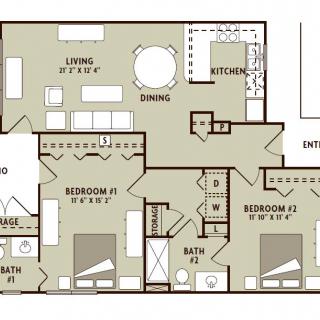
Floor plans
The Woodlands Healthcare Center
Montgomery County
Texas
Semi-Private
$4,705
$3,664
$3,680
Private
$6,852
$4,177
$4,096
Skilled Nursing Facilities with a similar price nearby
Residents and families consistently highlight therapy as a key reason to recommend this place.
Across many stays, residents describe physical, occupational, and speech therapy teams as attentive, encouraging, and helpful for getting back to moving and doing daily tasks. Several reviewers specifically praise therapists for motivating people during exercise and working through difficult recovery moments. A few reviews mention rehabilitation progress but still pair it with concerns about other parts of the stay.
common28 reviews mention this
Caring nursing and fast help
Many reviewers describe nursing staff as compassionate, respectful, and quick to respond.
A common thread in positive reviews is that nurses and aides check in, explain what’s happening, and respond promptly when help is needed. Several families also mention specific caregivers and say communication helped them feel more confident about their loved one’s care. At the same time, a smaller set of reviews raise the opposite experience, describing delays when calling for help.
common22 reviews mention this
Cleanliness is a frequent theme
Many reviewers say the facility is kept clean and well maintained.
Many residents and visitors report a facility that feels clean on arrival, with spotless rooms and common areas and no unpleasant odors. Families also describe reassurance from cleanliness during recovery. However, multiple critical reviews specifically call out hygiene and room cleanliness problems, including delayed cleaning and unclean conditions.
caveat19 reviews mention this
Food quality divides families
Food quality is one of the most common drawbacks mentioned in reviews.
While a few reviewers say meals were acceptable or that their loved one liked the food, many describe meals as terrible, inconsistent, or served cold. Several mention ordering outside food to fill gaps, and some report going without meals when what was ordered wasn’t delivered. Even when reviews are otherwise positive, food quality is often the one sticking point.
caveat12 reviews mention this
Call bell and staffing concerns
Some reviewers report delayed responses, understaffing, and unmet basic-care needs.
A set of negative reviews describe long waits after pressing call buttons and staff who don’t come promptly for assistance. Others mention missed basics such as bathing, toileting, wound or dressing attention, and meal delivery. Several also connect these problems to staffing levels and communication gaps between families and the care team.
caveat2 reviews mention this
Pricing runs above benchmarks
Pricing for both semi-private and private accommodations is shown above county and state benchmarks.
The listing shows semi-private and private rates priced above both the county and state reference points. If you’re comparing options, this facility may cost more than many alternatives, regardless of room type. Reviews don’t consistently address pricing in detail, so cost satisfaction appears more tied to care experience than to the rate itself.
How we summarize
Counts show how many written reviews mention each theme; a review can touch several themes, and only frequently mentioned themes are displayed.
Features
Housing
214 resident community capacity
Types of Care
Skilled Nursing Facility
Amenities
Activities on-site
Air-conditioning
Beauty salon
Cable or satellite TV
Computer center
Dining room
Fitness room
Fully furnished
Gaming room
Garden
Housekeeping services
Indoor common areas
Kitchenette
Move-in coordination
Outdoor common areas
Outdoor space
Private
Private bathrooms
Restaurant-style dining
Small library
Telephone
Wellness center
Wi-Fi/high-speed internet available
Transportation
George Bush Intercontinental (16 miles away)
Community operated transportation
Transportation arrangement
Transportation arrangement (non-medical)
Transportation to doctors appointments
Care Services
12-16 hour nursing
24-hour call system
24-hour supervision
Activities of daily living assistance
Assistance with bathing
Assistance with dressing
Assistance with transfers
Diabetes diet
High acuity care
Meal preparation and service
Medication management
Mental wellness program
Special dietary restrictions
Dining
Diabetes diet
Meals provided
Special dietary restrictions
Activities
Activities on-site
Community-sponsored activities
Concierge services
Fitness programs
Planned day trips
Resident-run activities
Scheduled daily activities
Nearby Places of Interest
This part of The Woodlands, Texas offers a convenient and accessible location for senior living. With a variety of restaurants, cafes, pharmacies, physicians, parks, places of worship, theaters, hospitals, and transportation options within a short distance, seniors can easily access the services they need. The area also boasts popular dining options such as McDonald's, Brooklyn Cafe, and The Republic Grille. Additionally, there are several pharmacies nearby including CVS Pharmacy and Walgreens for easy access to medications. Parks like Northshore Park and Bear Branch Park provide opportunities for outdoor recreation and relaxation. The presence of reputable healthcare facilities like Memorial Hermann Healthcare System and Texas Children's Hospital ensures quality medical care for seniors in the area. Overall, this part of The Woodlands offers a well-rounded community with amenities that cater to the needs of senior residents.
Restaurants
McDonald's (0.2 miles)
Brooklyn Cafe (0.3 miles)
The Republic Grille (0.4 miles)
McDonald's (1.7 miles)
Sakekawa (1.7 miles)
Hubbell & Hudson Kitchen (1.8 miles)
Grub Burger Bar (2 miles)
Pharmacies
CVS Pharmacy (0.2 miles)
Walgreens (1.7 miles)
Walgreens (2.1 miles)
CVS Pharmacy (2.4 miles)
The Woodlands Compounding Pharmacy (3.1 miles)
Walgreens (3.1 miles)
Walgreens (3.3 miles)
Cafes
Starbucks (0.3 miles)
Black Walnut Cafe Wood (1.7 miles)
Starbucks (3.5 miles)
Panera Bread (3.7 miles)
Third Gen Coffee (3.8 miles)
Starbucks (3.9 miles)
Physicians
Jkj Pathology (1.6 miles)
Siddiqui Nithal (1.7 miles)
Family Psychiatry of The Woodlands (1.9 miles)
Neuro Care Partners (2.2 miles)
Raja Abusharr (2.5 miles)
Sterling Ridge Pediatrics (2.5 miles)
Northwest Diagnostic Clinic (2.7 miles)
Parks
Northshore Park (1.7 miles)
Tupelo Park, Creekside Village (1.9 miles)
Bear Branch Park (2.2 miles)
Cattail Park (2.5 miles)
Waterway Square (2.7 miles)
MapleWood Park (3.4 miles)
Lakeside Park (3.7 miles)
Places of Worship
The Woodlands United Methodist Church (2.2 miles)
St Anthony of Padua Catholic Church (3.2 miles)
Theaters
Tinseltown (2.7 miles)
Cinepolis Woodlands (3 miles)
Hospitals
Memorial Hermann Healthcare System (3.1 miles)
Texas Children's Hospital (3.8 miles)
Aquino Vincent MD - St Luke's the Woodlands Hospital (3.9 miles)
St Luke's Medical Arts Center II (3.9 miles)
Texas Children's Hospital Maternal Fetal Medicine (4 miles)
Houston Methodist The Woodlands Hospital Diagnostic Imaging (4.2 miles)
The Woodlands Healthcare Center offers competitive pricing for its healthcare services, particularly when compared to both Montgomery County and the broader state of Texas. For semi-private rooms, the center charges $4,705 per month, which is notably higher than the county's average of $3,664 and the state's average of $3,680. In contrast, private room rates at The Woodlands are set at $6,852 monthly, again surpassing local and state benchmarks - $4,177 in Montgomery County and $4,096 across Texas. While these costs may suggest a premium for care at The Woodlands Healthcare Center, they also reflect the quality of service and amenities potentially offered to residents in this facility.
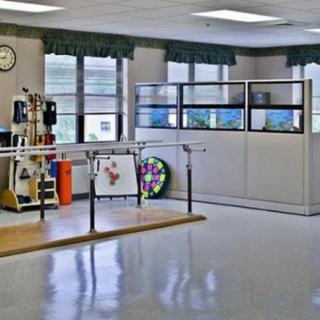
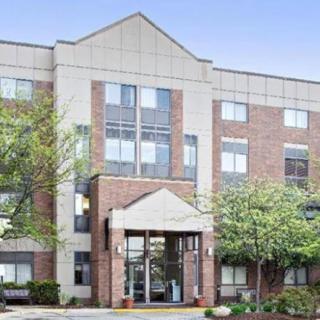
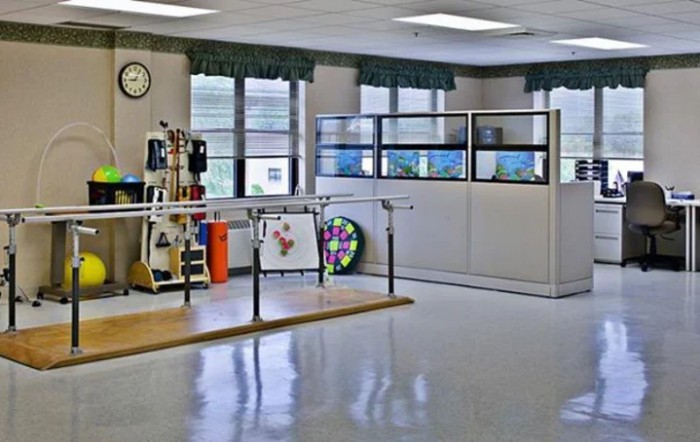
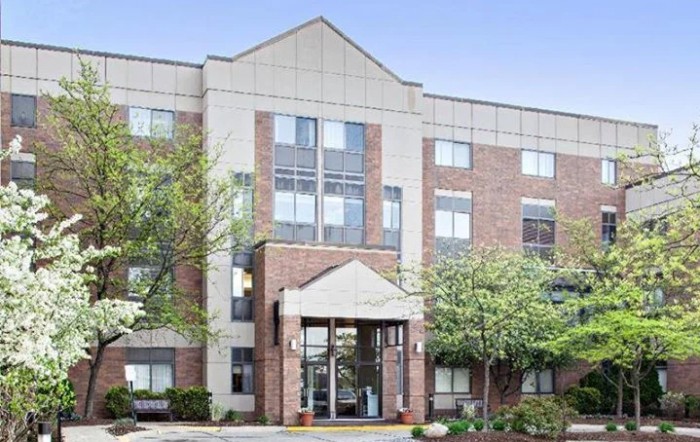
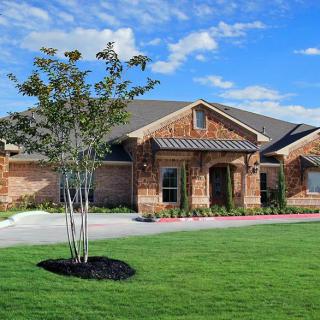
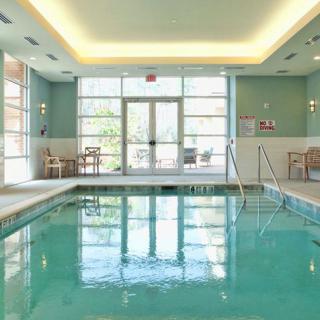
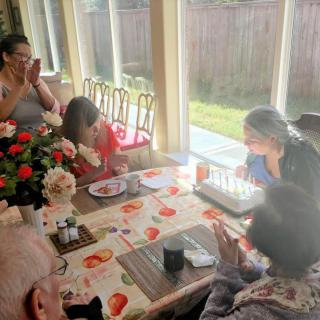
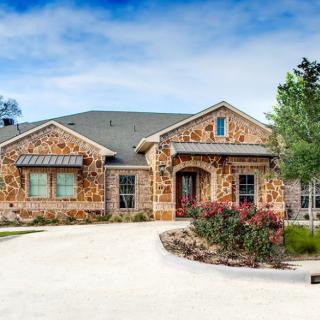
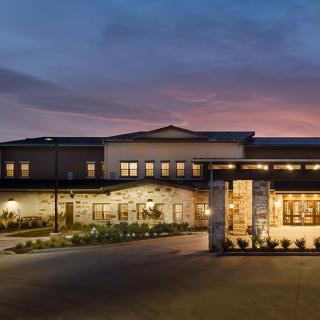
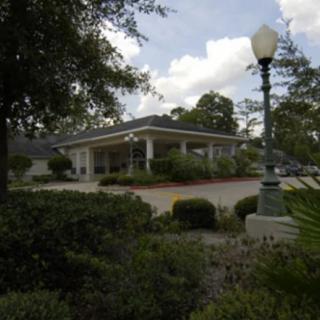
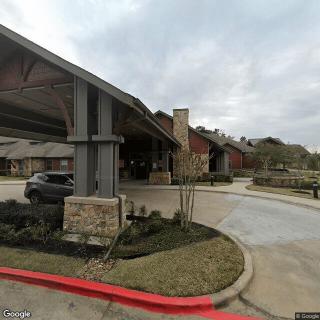
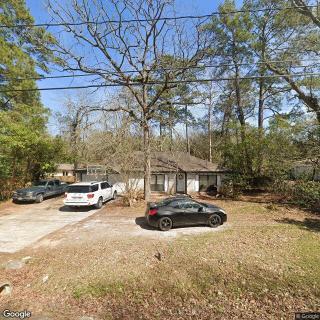
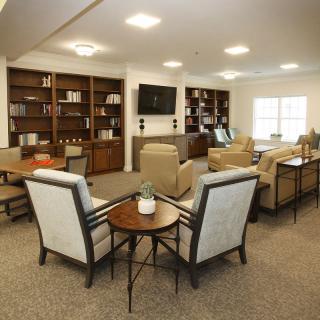
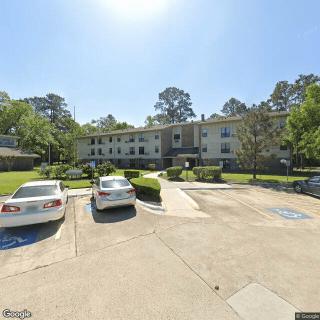
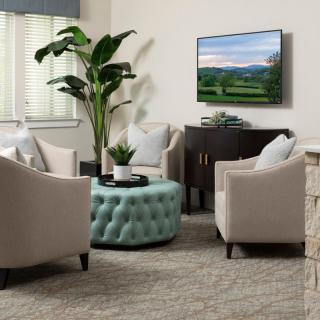
The Woodlands Healthcare Center on seniors.fyi includes 5 photos including images showing landscaping, trees, nature, building, architecture, mountains, rehabilitation, physical therapy, and more.
Weight training is vital for seniors to maintain muscle mass, bone density, and overall health, combating age-related declines through customized resistance exercises that enhance balance and well-being. Safe routines should start with realistic goals and proper form, while emphasizing gradual progress and consultations with healthcare providers to ensure safety and effectiveness.
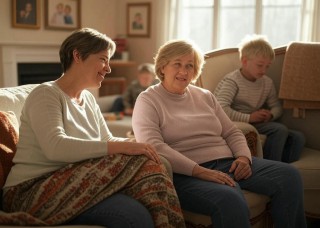
The Sandwich Generation comprises adults managing the dual responsibilities of caring for aging parents and raising children, leading to significant emotional, logistical, and financial challenges. This situation is exacerbated by longer life expectancies and cultural expectations, necessitating effective coping strategies and support resources to alleviate caregiver stress and burnout.
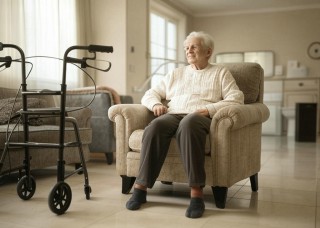
The article highlights eight essential assistive devices that improve the independence and safety of older adults, addressing issues related to mobility, balance, vision, hearing, and dexterity. It emphasizes the importance of proper selection guided by healthcare professionals to enhance seniors' quality of life while allowing them to age in place.
Interior, Rehabilitation, Physical Therapy, and Exercise Room
Landscaping and Nature
Building and Architecture
Trees
Mountains
Get PricingAsk A QuestionSchedule A TourContact Senior Advisor
By clicking submit, you agree to our Partner's Terms of Use. You
also consent to receive calls and texts, which may be autodialed, from our Partner. Your consent is not a condition to
using our Partner's service. Please visit our Partner's Privacy Policy for information about their privacy practices.



 214 resident community capacity
 Skilled Nursing Facility
 Activities on-site
 Air-conditioning
 Beauty salon
 Cable or satellite TV
 Computer center
 Dining room
 Fitness room
 Fully furnished
 Gaming room
 Garden
 Housekeeping services
 Indoor common areas
 Kitchenette
 Move-in coordination
 Outdoor common areas
 Private
 Private bathrooms
 Restaurant-style dining
 Small library
 Telephone
 Wellness center
 Wi-Fi/high-speed internet available
 George Bush Intercontinental (16 miles away)
 Community operated transportation
 12-16 hour nursing
 24-hour call system
 Assistance with bathing
 Assistance with dressing
 Assistance with transfers
 Diabetes diet
 High acuity care
 Medication management
 Mental wellness program
 Special dietary restrictions
 Concierge services
 Planned day trips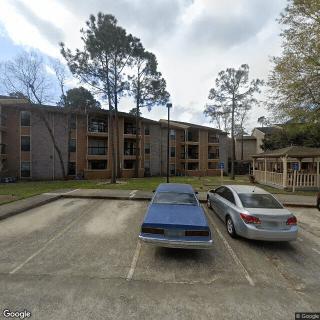
 Excellent nearby amenities (healthcare, dining, entertainment).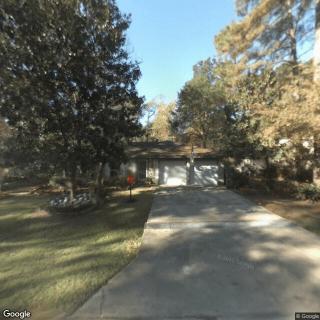
 Weight Training for Seniors: Building Strength and Vitality
 Understanding the Sandwich Generation: Stress and Responsibilities for Multigenerational Caregivers
 8 Essential Assistive Devices for Older Adults