
1637 North King Street, Seguin, TX 78155
For more information about senior living options: (866) 208-4318
Overall Review of Hacienda Oaks Nursing & Rehab
Pros
 The nurses were absolutely amazing and very kind and patient.
- The care was excellent.
- They accepted him into the facility within a day and were very fast at replying.
- The care staff are very kind and caring.
- Maria at the front desk is particularly helpful.
- Hacienda Oaks has a four-star rating and is highly recommended.
Cons
 The facility is described as a dive/dump with unresponsive staff who won’t answer call lights or provide pain meds.
- The staff are lazy and unprofessional, with a culture of protecting coworkers rather than caring for patients and a high turnover across departments.
- The director and social director are criticized for being uncaring, and condolences were not offered after a resident’s death.
- The rehab unit is accused of poor care, leaving patients in bed and neglecting basic needs like feeding and bathroom assistance.
- The facility is repeatedly investigated by regulators and plagued by short-staffing and questionable management.
- A resident’s family describes neglect and abuse, injuries observed by family, and involvement of APS, calling the place garbage.
Review
Hacienda Oaks Nursing & Rehab in Seguin is best suited for families seeking attentive, compassionate daily care for a resident who needs hospice support or short-term rehabilitation, and who can tolerate an older facility with notable leadership and staffing variability. It is not ideal for families demanding a consistently flawless operation, with unwavering administrative responsiveness and a uniformly stable caregiving team. In short, the care can be excellent when the right staff are on duty, but the environment can become risky when turnover is high or management is disengaged.
On the plus side, the strongest, most repeatable signal across reviews is the humanity of frontline caregivers. Nursing assistants and nurses are frequently described as kind, patient, and genuinely caring, with multiple accounts of excellent, responsive bedside attention during hospice stays. Families valued the quick intake process and regular, meaningful updates from the care team. Positive experiences often highlight specific individuals who go the extra mile, such as front-desk staff who provide practical help and emotional support. For families prioritizing compassionate day-to-day care during fragile times, these positives are not accidental; they reflect a culture that can shine when stable staffing is present.
Yet these virtues sit alongside a troubling chorus of concerns about leadership and consistency. Several reviewers describe insufficient responsiveness to call bells, difficulty obtaining medications, or gaps in basic safety and cleanliness. There are repeated warnings about persistent turnover, with reports that administrators and department heads move on or fail to follow through, leaving families feeling unsupported. A subset of accounts alleges neglect or harm, including one that cites a documented period of poor supervision and another describing serious injuries amid perceived inattention. Taken together, the negative experiences are not isolated; they point to a systemic pattern when staffing and oversight falter.
Those countervailing experiences, the high-quality, compassionate care when staffing aligns, versus the alarming reports of neglect or mismanagement, create a complicated value proposition. For families who can establish reliable, consistent caregiving with stable staff assignments and direct lines to leadership, Hacienda Oaks can deliver truly commendable care, especially for hospice and transitional rehab needs. The facility’s cleanliness and the occasional standout staff member or two reinforce that, in the right shift, residents can receive the thorough attention their condition demands. However, the same mix of reports suggests a fragility: without steady leadership and predictable staffing, the benefits erode quickly and safety concerns can rise to the surface.
Given the polarized feedback, families should scrutinize leadership responsiveness as a decision factor. Alternatives may be worth serious consideration for those emphasizing long-term reliability, predictable governance, and a consistently staffed environment. Prospective residents or guardians should demand specifics: who is on site during evenings and weekends, how hiring and training are managed, what the nurse-to-patient ratios look like, and how care plans are communicated and updated. Direct conversations with current families, audits of recent CMS ratings, and a request to observe multiple shifts can illuminate whether the current operation matches the favorable experiences some residents have enjoyed.
In the end, Hacienda Oaks presents a conditional recommendation: it can be a strong fit for hospice and short-term rehab where compassionate care and rapid responsiveness are reliably present, and where families are prepared to oversee, with explicit, ongoing inquiries into staffing and leadership. For those prioritizing stable administration, consistent staffing, and rigorous safety oversight as non-negotiables, pursuing alternatives may yield greater peace of mind. A disciplined due-diligence process, tours at different times, candid conversations with staff and families, and a thorough review of recent performance data, will determine whether this community can meet the specific, risk-adjusted needs of a loved one.
 113 resident community capacity
 Skilled Nursing Facility
 Air-conditioning
 Beauty salon
 Cable or satellite TV
 Computer center
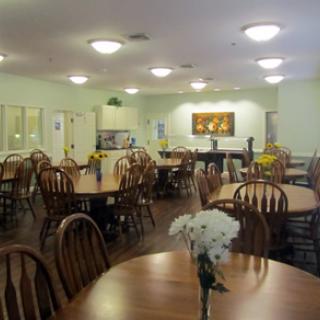
 Dining room
 Fitness room
 Fully furnished
 Gaming room
 Garden
 Housekeeping services
 Kitchenette
 Move-in coordination
 Outdoor space
 Private bathrooms
 Restaurant-style dining
 Small library
 Telephone
 Wellness center
 Wi-Fi/high-speed internet available
 Community operated transportation
 12-16 hour nursing
 24-hour call system
 Activities of daily living assistance
 Assistance with bathing
 Assistance with dressing
 Assistance with transfers
 Diabetes diet
 Medication management
 Mental wellness program
 Special dietary restrictions
 Concierge services
 Planned day trips






 Ten Vital Duties of a Senior Caregiver: A Comprehensive Guide
 9 Stimulating Memory Activities for Seniors: Puzzles, Cards, and Much More
 Managing Nursing Home Expenses After Medicare Coverage Ends