
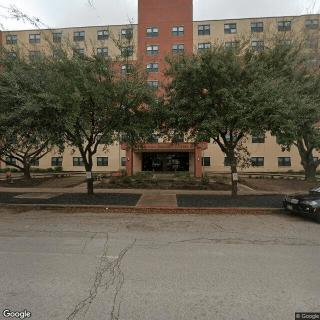
1819 Memorial Drive, Pecos, TX 79772
For more information about senior living options: (866) 208-4318
Overall Review of Focused Care At Pecos
Pros
 The staff at Avir at Pecos are nice, friendly, and helpful.
- Avir at Pecos has a secure unit that keeps residents with dementia safe.
- The facility is clean and free of odors.
- The staff provide the best care for residents and are appreciated by families.
- They contribute to residents' care, well-being, and happiness, keeping them comfortable.
Cons
 There are good nurses, but not enough staff to provide adequate care.
- The staff is too busy to care for residents, leaving many without proper attention.
- No one answers the phone; when they do, they are rude and hang up, preventing callers from talking.
- Only about two CNAs and three nurses actually take care of residents; the rest are too busy to care.
- The place is described as a sad place where one has to raise hell to ensure proper care.
Review
Focused Care At Pecos, now rebranded as Avir at Pecos, is best suited for families seeking a practical, safety-forward option in Pecos, Texas. The facility’s remodel signals a commitment to a more current look and feel, and its secure unit addresses the needs of residents who wander due to dementia. For families prioritizing cleanliness, a stable routine, and a facility that can physically safeguard residents, this community presents a sensible choice. The operating philosophy leans on approachable, friendly staff and a shared sense of purpose among caregivers, with the understanding that this is a smaller operation where staffing realities can tilt daily care.
Those who should consider alternatives are families that require consistently high-touch care and rock-solid communication. Some reviews point to limited staff coverage, with impressions that too few CNAs and licensed nurses are on duty to meet every resident’s needs at all times. Calls sometimes go unanswered or are met with curt responses, and families report the need to “raise hell” to ensure proper attention. For residents demanding robust, on-the-spot nursing oversight or a kitchen-table level of responsiveness, a bigger, busier facility with deeper staffing resources may deliver more predictable daily support.
The strongest positives are real and meaningful when present: a recent remodel, a clean building that “never smelled,” and a dementia-capable environment that physically safeguards wandering residents. The staff generally comes across as kind, friendly, and helpful, and there are accounts of well-coordinated care across departments, from office administration to nursing, aides, kitchen, housekeeping, and laundry. For families with a loved one who thrives on routine, a sense of dignity, and consistent nursing attention at least part of the day, these elements can offset periodic service gaps and provide meaningful comfort.
However, the downsides are not trivial and they color the overall value proposition. Staffing shortages show up in experiences where only a small core of nurses and aides seem consistently engaged with residents, while others appear to be stretched thin. Intermittent communication problems, especially with phone access and timely updates, undercut confidence, making it harder for families to feel fully informed about a loved one’s day-to-day well-being. In a setting where pace and attention must be steady, these inconsistencies can undermine the potential strengths of the care model, particularly for residents who require close monitoring or rapid problem-solving.
For decision-making, the prudent path is to verify concrete staffing standards and daily routines before committing. Prospective families should request a detailed caregiver-to-resident ratio for day and night shifts, ask to speak with direct caregivers, and observe a shift to gauge how care tasks are distributed. Inquire specifically about the dementia unit: staffing dedicated to that population, staff training, and the frequency of wandering-related interventions. Schedule a tour focused on quiet times and peak periods to see how the team handles care surges. If the answers are satisfactory and the environment aligns with safety and cleanliness goals, this community can be a solid match.
Ultimately, this Pecos offering provides a practical option for families prioritizing safety, cleanliness, and a dementia-friendly setting, where friendly staff and a remodeled space create a reassuring backdrop. Yet it remains a choice with notable caveats around staffing consistency and communication reliability. If those factors are non-negotiable for a resident needing frequent, predictable, high-level care and prompt responsiveness, alternatives with stronger staffing tracks records should be pursued. For families who value a well-run, tidy, safety-conscious home with the right dementia safeguards and are comfortable navigating occasional staffing gaps, Avir at Pecos stands as a credible option within the Pecos market.
 89 resident community capacity
 Skilled Nursing Facility
 Air-conditioning
 Beauty salon
 Cable or satellite TV
 Computer center
 Dining room
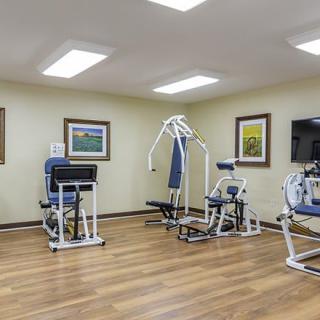
 Fitness room
 Fully furnished
 Gaming room
 Garden
 Housekeeping services
 Kitchenette
 Move-in coordination
 Outdoor space
 Private bathrooms
 Restaurant-style dining
 Small library
 Telephone
 Wellness center
 Wi-Fi/high-speed internet available
 William P X (10 miles away)
 Community operated transportation
 12-16 hour nursing
 24-hour call system
 Activities of daily living assistance
 Assistance with bathing
 Assistance with dressing
 Assistance with transfers
 Diabetes diet
 Medication management
 Mental wellness program
 Special dietary restrictions
 Concierge services
 Planned day trips


 Fecal Incontinence in Older Adults: A Comprehensive Guide
 Recognizing the Journey: Understanding and Navigating Anticipatory Grief
 Encouraging Participation in Adult Day Care: A Guide to Supporting a Hesitant Parent