Seabury Nursing & Rehabilitation

2443 West 16Th Street, Odessa, TX 79763

For more information about senior living options: (844) 490-3973

2.8 from 26 reviews
5 stars
9
4 stars
2
3 stars
2
2 stars
2
1 stars
11

Skilled Nursing Facility

What level of care are you interested in?

Assisted Living

Memory Care

Independent Living

Skilled Nursing Facility

Continuing Care Retirement Community (CCRC)CCRC

Other


Request a tour at Seabury Nursing & Rehabilitation

    Overall Review of Seabury Nursing & Rehabilitation

    Pros

    • pro The nurses and staff were thanked for their care over the years.
    • pro Abby provided information on available financial help that eased the burden.
    • pro The staff tried to keep families informed.
    • pro The physical therapy staff were excellent.
    • pro The meals were great and tasted more homemade than institutional.
    • pro The staff were kind and listened to her needs.
    • pro The facility was described as amazing.

    Cons

    • pro The jewelry and personal items appeared to be missing.
    • pro The director Jennifer does not care if anything is missing from these residents.
    • pro The plant has not been found.
    • pro They do not answer the phone.
    • pro This is the worst nursing home in Odessa; the staff are rude and they treat the patients poorly.
    • pro They refuse to help patients to the restroom, and the rooms are nasty and dirty.
    • pro The room was filthy and had pee buckets from other patients.
    • pro The floors are sticky and filthy.
    • pro The nurses mistreat residents and neglect them, treating them horribly.
    • pro None of the nurses take responsibility for their actions, blaming shifts that are not there.
    • pro This is not the place to send family members; they will be neglected.
    • pro Terrible management does not follow guidelines for COVID, making staff work even when they are sick and still positive.

    Review

    Across the collection of experiences shared about Focus Care in Odessa, a broad tapestry emerges that includes sincere gratitude, moments of warmth and professionalism, and a chorus of troubling concerns. Several reviewers express heartfelt thanks to the nurses and staff for their ongoing support, especially during difficult stretches. In particular, Abby is singled out for providing information about financial help that lightened a heavy burden, and there is an emphasis on staff's efforts to keep families informed during their loved ones' care. Yet alongside these positive notes, there are recurring themes about missing personal items and a sense that some aspects of care may be lacking.

    Several comments center on the rehab phase and the people who facilitated it. One reviewer specifically thanks Focus Care for taking care of their mom during rehabilitation, listing several staff members by name and expressing gratitude for their presence during what was described as a traumatizing time. The sentiment is warm and appreciative, underscoring how meaningful compassionate care can be when families are navigating tough medical transitions. In contrast, other accounts shift to a more critical tone, highlighting issues of item misplacement and loss. A reviewer asserts that a valentines plant and other sentimental items disappeared after their mom was moved, and questions the director's responsiveness to such concerns. The impression left is that sentimental belongings matter to families, and when those items go missing, trust and satisfaction quickly erode.

    The feedback also touches on management visibility and communication. One reviewer says the director, Jennifer, "does NOT care" if anything is missing, and they recount personal losses tied to this perception of indifference. There is a sense of frustration with accessibility, as the reviewer notes that the facility does not answer the phone, leaving families unsure about the status of their loved ones or issues that arise. These remarks contribute to a broader view that, even when care may be good in some moments, administrative responsiveness and accountability leave room for improvement in the eyes of families.

    Several accounts praise the quality of direct patient care in the rehab setting, especially in physical therapy and meals. A reviewer who underwent surgery and received rehab notes that the therapists were excellent and that meals were, for the most part, satisfying and tasting more homemade than institutional. The one caveat was the physical therapy room itself, which this individual felt needed a thorough cleaning. Another review supports the positive tone by noting that the staff were kind and attentive to the needs of a mother being treated after hospital discharge. Taken together, these comments suggest that when care providers focus on direct patient interaction and routine rehabilitation tasks, quality can be high, even if other aspects of the facility fall short.

    However, a substantial portion of the narrative is dominated by sharper criticisms. A strongly negative review portrays Focus Care as the worst nursing home in Odessa, with rude staff who fail to assist residents when needed and rooms described as nasty and dirty. The reviewer recounts specific issues like filthy rooms, the presence of pee buckets from other patients, sticky floors, unanswered phone calls, and overall neglect. This account paints a stark image of neglect and fear for safety, prompting the call that the facility should be shut down or, at minimum, have the staff replaced with people who genuinely care. Similar sentiments reappear in another review that highlights mistreatment of a family member and a broader expectation that nurses should treat elders with love and respect - an expectation that, in the reviewer's view, is not being met. The recurrent emphasis on disrespectful or unkind behavior toward residents underscores a perceived mismatch between the care families hope to receive and what is being observed.

    Beyond specific incidents, there is a recurring plea for more positive, humane engagement from the staff. One commenter, speaking of a family member who lives there, describes widespread reports of mistreatment by nurses toward residents and argues that kindness and friendliness are essential in any facility housing elders. The tone here is urgent: it calls for better treatment, more compassionate care, and a shift toward a more positive atmosphere across nursing homes and assisted living facilities in general. In contrast, there are brief but affirmative notes like "Amazing facility," "Enjoying meeting happy faces, working with good hard working staff," and "Great blessings," which suggest that not all experiences are negative and that, for some, the environment can indeed be welcoming and well-intentioned.

    There are also concrete concerns about cleanliness and infection control. A reviewer alleges that the family member's room contained used alcohol wipes and other debris, and threatens to report the situation. Separate comments accuse management of not following guidelines for COVID-19, with claims that staff were required to work even when sick or positive, which raises questions about safety for residents and other staff. Additional remarks describe laziness and a failure to adhere to daily routines, painting a picture of inconsistent standards that can undermine confidence in the facility's overall operations. Taken together, these points emphasize a pattern of concerns around hygiene, safety protocols, and the consistency of daily care routines.

    In sum, the picture that emerges is carefully nuanced: there are clearly moments of genuine care, attentiveness, and professional skill that families and residents value, especially in direct patient interactions and rehabilitation support. Yet across several reviews, there are persistent and sometimes alarming claims about missing personal belongings, unresponsive communication, inadequate cleanliness, perceived neglect, and management shortcomings - particularly around accountability and adherence to safety protocols. The mixed experiences reflect a landscape where outcomes can vary widely by staff, shift, and individual situations, leaving potential residents and their families to weigh the positive, life-affirming care against the serious concerns raised by those who have been on the receiving end of the facility's services.

    Features

    Housing

    • 75 resident community capacity 75 resident community capacity

    Types of Care

    • Skilled Nursing Facility Skilled Nursing FacilitySkilled Nursing Facilities are crucial for seniors as they provide round-the-clock medical care, rehabilitation services, and assistance with daily activities. These facilities ensure that seniors receive the specialized care they need to maintain their health and well-being as they age.

    Amenities

    • Air-conditioning Air-conditioningAir conditioning is important for seniors as they are more vulnerable to heat-related illnesses and may have underlying health conditions that make it difficult for them to regulate their body temperature. It helps to keep them comfortable, safe, and healthy in hot weather.
    • Beauty salon Beauty salonBeauty salons are important for seniors because they provide a space for them to feel pampered, socialize, and maintain their personal grooming and hygiene. Regular visits to a beauty salon can help boost seniors' self-esteem and overall well-being.
    • Cable or satellite TV Cable or satellite TVCable or satellite TV is important for seniors because it provides entertainment, news, and companionship, helping to combat loneliness and boredom. It also offers a wide range of programming options tailored to different interests and preferences.
    • Computer center Computer centerA computer center is essential for seniors as it provides access to technology, communication tools, and resources that can enhance their daily lives. It allows them to stay connected with loved ones, engage in online activities, and learn new skills, ultimately promoting socialization and mental stimulation.
    • Dining room Dining roomDining rooms are important for seniors as they provide a space for socialization, connection, and nutritious meals. They offer opportunities for residents to bond over shared meals, foster a sense of community, and promote healthy eating habits. Dining rooms also ensure that seniors have access to well-balanced meals tailored to their dietary needs and preferences.
    • Fitness room Fitness roomHaving a fitness room in a senior living community is essential for seniors to stay active, maintain their physical health, and improve their overall well-being. Regular exercise can help prevent falls, reduce the risk of chronic diseases, and promote mental sharpness. It also provides social opportunities for residents to connect with others and enjoy a sense of community.
    • Fully furnished Fully furnishedFully furnished senior living communities are important for seniors because they provide convenience, comfort, and a hassle-free moving experience. Seniors can easily settle into their new living space without the stress of having to buy and move furniture. This allows them to focus on enjoying their new home and community.
    • Gaming room Gaming roomGaming rooms are important for seniors as they provide a fun and engaging environment for socializing, cognitive stimulation, and physical activity. Games can improve memory, problem-solving skills, and overall mental well-being while fostering friendships and reducing feelings of isolation.
    • Garden GardenGardens are important for seniors as they provide a peaceful and therapeutic environment for relaxation, physical activity, and socialization. Being in nature has been shown to reduce stress, improve mood, and promote overall well-being. Gardens also offer opportunities for seniors to engage in gardening activities, which can improve mobility, flexibility, and cognitive function. Additionally, gardens create a sense of community and connection with others who share a passion for plants and outdoor spaces.
    • Housekeeping services Housekeeping servicesHousekeeping services are important for seniors because they help maintain a clean and safe living environment, promote independence, and reduce the risk of accidents or illnesses. Additionally, having assistance with household chores can alleviate physical strain and allow seniors to focus on other aspects of their well-being.
    • Kitchenette KitchenetteKitchenettes are important for seniors living in senior living communities because they provide the convenience and independence of being able to prepare simple meals and snacks in the comfort of their own living space. This can help promote a sense of autonomy and well-being for seniors, allowing them to maintain some level of control over their dietary choices and daily routines.
    • Move-in coordination Move-in coordinationMove-in coordination is important for seniors because it helps ease the transition into their new living environment. It ensures that all logistics, such as packing, organizing movers, and setting up utilities are taken care of, allowing seniors to focus on settling in and adjusting to their new home. Having a smooth move-in process can alleviate stress and anxiety, making the transition smoother and more enjoyable for seniors.
    • Outdoor space Outdoor spaceOutdoor spaces are important for seniors as they provide opportunities for physical activity, social interaction, exposure to natural light and fresh air, and a sense of connection to nature. Having access to outdoor spaces can improve overall well-being and quality of life for older adults living in senior communities.
    • Private bathrooms Private bathroomsPrivate bathrooms are important for seniors in senior living communities because they provide independence, dignity, and comfort. Having a private bathroom allows seniors to maintain their personal hygiene routines without the need for assistance, promoting a sense of autonomy and privacy. Additionally, private bathrooms help prevent the spread of infections and provide a safe and clean environment for seniors to navigate safely.
    • Restaurant-style dining Restaurant-style diningRestaurant-style dining is important for seniors because it allows them to enjoy delicious, nutritious meals in a social and upscale setting. This enhances their dining experience, promotes healthy eating habits, and fosters socialization with fellow residents, ultimately contributing to their overall well-being and quality of life.
    • Small library Small librarySmall libraries are important for seniors as they provide access to a variety of reading materials, including books, newspapers, and magazines. This can help stimulate their minds, keep them engaged, and provide a sense of community through book clubs and other social activities. Additionally, reading has been shown to improve cognitive function and overall mental well-being in older adults.
    • Telephone TelephoneTelephones are important for seniors as they provide a lifeline for communication with loved ones, emergency services, and healthcare providers. They offer a sense of security and independence, enabling seniors to stay connected and access assistance when needed.
    • Wellness center Wellness centerWellness centers are important for seniors because they offer a variety of programs and services that promote physical, mental, and emotional well-being. These centers provide opportunities for exercise, socialization, education, and relaxation, helping seniors maintain their overall health and quality of life.
    • Wi-Fi/high-speed internet available Wi-Fi/high-speed internet availableWi-Fi/high-speed internet is important for seniors to stay connected with loved ones, access online resources, and participate in virtual activities to combat feelings of loneliness and isolation. It also allows them to easily manage healthcare needs, access entertainment, and engage in lifelong learning opportunities.

    Transportation

    • Midland International (13 miles away) Midland International (13 miles away)
    • Community operated transportation Community operated transportationCommunity operated transportation is crucial for seniors as it provides them with the means to access essential services, social activities, and medical appointments. It allows seniors to maintain their independence and quality of life by ensuring they can participate in activities outside of their homes. Additionally, community-operated transportation services offer a safe and reliable way for seniors to travel without having to rely on family or friends for assistance.
    • Transportation arrangement Transportation arrangementTransportation arrangements are crucial for seniors as they may face challenges with driving, mobility, or access to public transportation. Having reliable transportation services ensures that seniors can easily attend appointments, social activities, and maintain their independence and quality of life.
    • Transportation arrangement (non-medical) Transportation arrangement (non-medical)Transportation arrangements are essential for seniors as they provide access to essential services, activities, and social interactions outside the home. This service helps maintain independence, mobility, and overall well-being for seniors who may have limited transportation options.
    • Transportation to doctors appointments Transportation to doctors appointmentsTransportation to doctors appointments is crucial for seniors as it ensures they have access to necessary medical care and support, promoting their health and well-being. It allows them to receive timely treatment, monitor existing conditions, and address any new health concerns efficiently. Additionally, transportation services can help seniors maintain their independence and quality of life by enabling them to stay connected with their healthcare providers.

    Care Services

    • 12-16 hour nursing 12-16 hour nursing12-16 hour nursing care is crucial for seniors in order to ensure around-the-clock monitoring, timely medication administration, and prompt response to any health concerns or emergencies. This level of care helps to promote the overall well-being and safety of seniors living in senior living communities.
    • 24-hour call system 24-hour call system24-hour call systems are important for seniors because they provide peace of mind and immediate assistance in case of emergencies. This technology ensures that help is always available, promoting safety and security for elderly individuals living alone or in assisted living facilities.
    • 24-hour supervision 24-hour supervision24-hour supervision is important for seniors to ensure their safety, well-being, and access to immediate assistance in case of emergencies or health issues. This constant support provides peace of mind for both seniors and their loved ones, allowing them to age in place with dignity and security.
    • Activities of daily living assistance Activities of daily living assistanceActivities of daily living assistance are important for seniors because they provide essential support with tasks such as eating, bathing, dressing, and mobility. This assistance helps seniors maintain their independence, dignity, and overall quality of life as they age.
    • Assistance with bathing Assistance with bathingAssistance with bathing is crucial for seniors as it helps maintain personal hygiene, prevents infections, and ensures their overall well-being and comfort. It also provides a sense of dignity and independence for seniors who may struggle with this task on their own.
    • Assistance with dressing Assistance with dressingAssistance with dressing is important for seniors because it helps maintain their independence, promotes personal hygiene, prevents accidents and injuries, and improves overall quality of life. This service ensures that seniors can continue to dress comfortably and confidently, despite any physical limitations they may have.
    • Assistance with transfers Assistance with transfersAssistance with transfers is crucial for seniors as it helps prevent falls and injuries, maintains their independence, and ensures they can safely navigate their living environment. It also provides peace of mind for both seniors and their loved ones.
    • Diabetes diet Diabetes dietA diabetes diet is crucial for seniors as it helps manage blood sugar levels, reduce risks of complications, and improve overall health and well-being. By following a balanced and nutritious diet tailored to their specific needs, seniors can better control their diabetes and enhance their quality of life.
    • Meal preparation and service Meal preparation and serviceMeal preparation and service are crucial for seniors as they may have limited mobility or energy to cook nutritious meals. Having access to healthy and convenient food options can ensure they are getting the proper nutrition needed to maintain their overall health and well-being.
    • Medication management Medication managementMedication management is crucial for seniors to ensure they are taking the right medications at the correct dosages and times. This helps prevent adverse drug interactions, reduces the risk of medication errors, and promotes overall health and well-being. Proactive management also allows for adjustments as needed based on changing health conditions or new prescriptions.
    • Mental wellness program Mental wellness programMental wellness programs are essential for seniors as they promote cognitive stimulation, emotional support, and social engagement. These programs help prevent isolation, depression, and cognitive decline, ultimately enhancing the overall quality of life for older adults.
    • Special dietary restrictions Special dietary restrictionsSpecial dietary restrictions are important for seniors because age-related changes in metabolism and health conditions can make it difficult for their bodies to process certain foods. By following a diet tailored to their specific needs, seniors can maintain their overall health and well-being, manage chronic conditions, and reduce the risk of complications such as malnutrition or food interactions with medications.

    Dining

    • Diabetes diet Diabetes dietA diabetes diet is crucial for seniors as it helps manage blood sugar levels, reduce risks of complications, and improve overall health and well-being. By following a balanced and nutritious diet tailored to their specific needs, seniors can better control their diabetes and enhance their quality of life.
    • Special dietary restrictions Special dietary restrictionsSpecial dietary restrictions are important for seniors because age-related changes in metabolism and health conditions can make it difficult for their bodies to process certain foods. By following a diet tailored to their specific needs, seniors can maintain their overall health and well-being, manage chronic conditions, and reduce the risk of complications such as malnutrition or food interactions with medications.

    Activities

    • Community-sponsored activities Community-sponsored activitiesCommunity-sponsored activities are important for seniors as they provide opportunities for social interaction, mental stimulation, and physical activity. These activities can help improve overall well-being, combat loneliness and isolation, and promote a sense of belonging and purpose among older adults.
    • Concierge services Concierge servicesConcierge services are essential for seniors as they provide assistance with daily tasks and errands, enhance their quality of life by offering convenience and personalized care, and promote a sense of safety and security.
    • Fitness programs Fitness programsFitness programs are crucial for seniors as they help improve strength, flexibility, balance, and overall well-being. Staying active can reduce the risk of chronic diseases, improve mental health, and enhance quality of life in older adults.
    • Planned day trips Planned day tripsPlanned day trips are important for seniors because they offer opportunities for socialization, mental stimulation, and physical activity. They provide a change of scenery and help seniors stay engaged and connected to their community, promoting overall well-being and quality of life.
    • Resident-run activities Resident-run activitiesResident-run activities are important for seniors as they encourage social interaction, creativity, and a sense of autonomy. These activities empower seniors to stay engaged and active in their community while fostering meaningful connections with their peers.
    • Scheduled daily activities Scheduled daily activitiesScheduled daily activities are important for seniors because they provide structure, socialization, mental stimulation, and physical activity. Engaging in regular activities can improve overall well-being and quality of life for seniors living in a community setting.

    Description

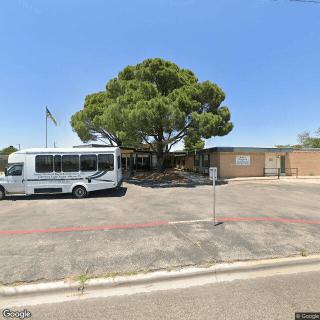
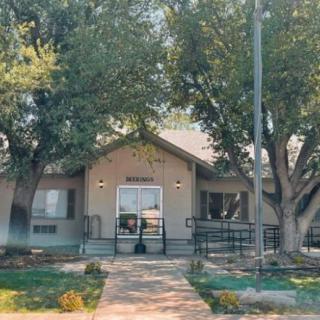
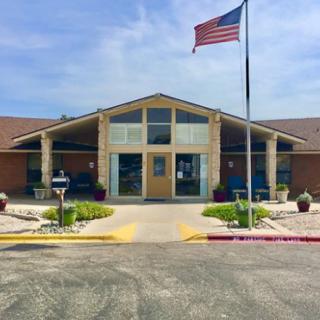
    Seabury Nursing & Rehabilitation in Odessa, TX is an assisted living community that offers a wide range of amenities and care services to ensure the comfort and well-being of its residents.

    The community boasts a beauty salon, allowing residents to pamper themselves and maintain their personal grooming needs. Residents can also enjoy their favorite TV shows with cable or satellite TV in their fully furnished living spaces. Community operated transportation is available for recreational activities as well as non-medical appointments, providing convenience and peace of mind.

    For those who want to stay connected, there is a computer center with Wi-Fi/high-speed internet access. The dining room offers restaurant-style dining with delicious meals prepared by the staff catering to special dietary restrictions. In addition, residents have access to a small library for quiet reading time.

    Seabury Nursing & Rehabilitation provides various care services including assistance with activities of daily living such as bathing, dressing, and transfers. The community ensures residents' medical needs are met with 24-hour supervision and medication management. A mental wellness program is also available for those needing additional support.

    Residents can engage in fitness programs and scheduled daily activities to stay active and socialize with other community members. Planned day trips and resident-run activities provide opportunities for enjoyment outside the community as well. Concierge services are available for any additional assistance needed.

    Located conveniently near cafes, parks, pharmacies, physicians' offices, restaurants, and hospitals, Seabury Nursing & Rehabilitation offers easy access to essential services within the neighborhood.

    Overall, Seabury Nursing & Rehabilitation provides a comfortable and enriching environment for seniors to receive personalized care while enjoying a range of amenities and engaging in various activities.

    Nearby Places of Interest

    Restaurants

    • Little Caesars Pizza (0.5 miles)
    • Domino's Pizza (0.5 miles)
    • Taco Bell (0.6 miles)
    • Bush's Chicken (0.6 miles)
    • JumBurrito (0.9 miles)
    • Subway (1.1 miles)
    • McDonald's (1.1 miles)

    Hospitals

    • Sienna Nursing And Rehabilitation (0.6 miles)
    • Texas Tech Physicians of the Permian Basin-Odessa (1.5 miles)
    • Family Medicine Clinic on Golder (1.6 miles)
    • Continuecare Hospital At Medical Center Odessa (1.7 miles)
    • Ector County Hospital District (2.1 miles)

    Pharmacies

    • Walgreens (0.9 miles)
    • Walgreens (1.1 miles)
    • Good Neighbor Pharmacy (1.6 miles)
    • Evans Prescription Pharmacy (1.6 miles)
    • Bentley Hawley, Pharmacist - Texas State Business Network (1.6 miles)
    • Walgreens (4.1 miles)
    • CVS Pharmacy (4.7 miles)

    Physicians

    • Westview Medical Clinic (1.3 miles)
    • Weldon Butler MDS (1.4 miles)
    • Golder Cat-Scan & Mri Center (1.5 miles)
    • University Women's Center-Odessa (1.5 miles)
    • Texas Tech Univ-Internal Med (1.5 miles)
    • Texas Tech University Health Sciences Center (1.5 miles)
    • MCH ProCare Family Practice (1.6 miles)

    Parks

    • Casa Bella Park (2.8 miles)
    • Memorial Gardens Park (4.8 miles)

    Cafes

    • Starbucks (4 miles)

    Frequently Asked Questions

    Where is Seabury Nursing & Rehabilitation?

    Nearby Communities

    Related Resources

    • how to pay for nursing homeNavigating the Financial Road to Nursing Home Care: In-Depth Guidance and Resources

      The article offers detailed guidance on the financial complexities of nursing home care, covering costs, payment methods, and alternative funding strategies while emphasizing the importance of proactive planning and legal considerations for individuals and families making care decisions.

    • caregiver benefitsSupportive Employee Benefits That Help Caregivers Attain Better Work-Life Harmony

      The article emphasizes the critical role of supportive employee benefits for caregivers, advocating for flexible scheduling, paid leave, and mental health services to ease their challenges while enhancing employee well-being and organizational loyalty. It also highlights the importance of strong leadership in promoting these initiatives to foster a sustainable workplace culture that values caregivers.

    • best car for seniorsTop Cars for Senior Drivers and Essential Safety Innovations

      Senior drivers prioritize comfort, safety, and ease of use in vehicles due to age-related challenges, seeking features like easy entry, clear visibility, and modern driver-assistance technologies. Recommended models include the Subaru Forester, Honda CR-V, and Toyota Camry, with emphasis on test-driving for personal comfort and evaluating crash-test ratings alongside insurance considerations.


    Get Pricing Ask A Question Schedule A Tour Contact Senior Advisor