Glenview Wellness & Rehabilitation Costs & Pricing
At Glenview Wellness & Rehabilitation, the monthly costs for accommodations reflect a commitment to providing quality care within a competitive pricing framework. For a semi-private room, the charge stands at $3,450, which is notably lower than the average in Tarrant County at $3,889 and slightly below the Texas state average of $3,680. Residents seeking more privacy can opt for a private room at $4,140; this rate is higher than Tarrant County's average of $3,704 but remains comparable to the Texas statewide figure of $4,096. Additionally, those interested in a studio arrangement will find that Glenview offers this option for $4,485 - a bit above the county's average of $3,659 and higher than Texas's average of $3,758. Overall, while some options are priced above local averages, Glenview Wellness & Rehabilitation emphasizes an environment tailored to health and well-being that may justify these investments in comfort and care.
| Floor plans | Glenview Wellness & Rehabilitation | Tarrant County | Texas |
|---|
| Semi-Private | $3,450 | $3,889 | $3,680 |
| Private | $4,140 | $3,704 | $4,096 |
| Studio | $4,485 | $3,659 | $3,758 |
Skilled Nursing Facilities with a similar price nearby
-
from -$355 / mo
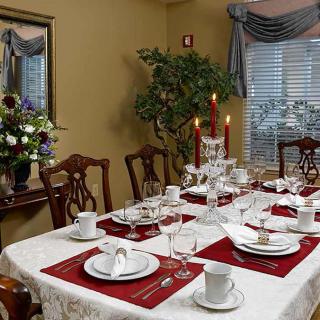
Atria Carrollton
$3,095 to $6,795 / month
23.8 miles away
-
from -$455 / mo
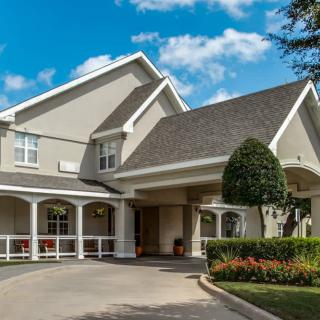
Parsons House Preston Hollow
$2,995 to $4,295 / month
21.9 miles away
-
from -$155 / mo
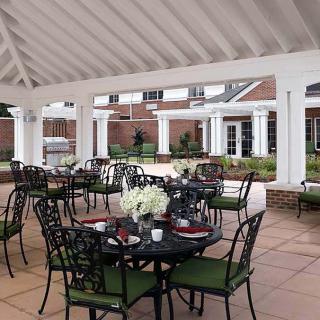
Atria Grapevine
$3,295 to $5,395 / month
8.3 miles away
-
from +$650 / mo

Edgemere, a CCRC
$4,100 to $6,200 / month
24.5 miles away
-
from +$510 / mo
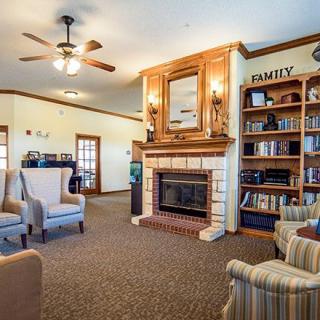
Brookdale Mansfield
$3,960 to $4,215 / month
17.0 miles away
Overall Review of Glenview Wellness & Rehabilitation
common
26 reviews mention this
Staff attentiveness is a key draw
Residents and families often describe staff who are friendly and quick to help.
Across many reviews, families say staff members are approachable, supportive, and attentive during visits and day-to-day care. Several reviewers specifically mention nurses and aides being present and responsive when help is needed, and they value the staff’s willingness to answer questions. A few reviews do point to gaps in follow-through at times, but the overall message in the majority of responses is that care teams are engaged and easy to communicate with.
common
22 reviews mention this
Clean rooms and common areas
Many reviewers call out the facility as clean and well maintained.
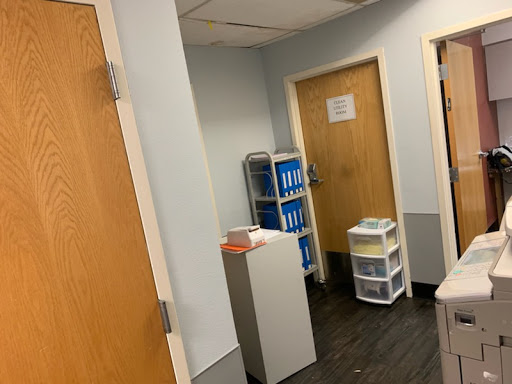
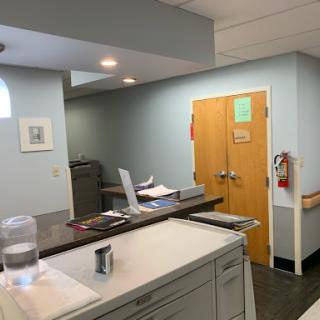
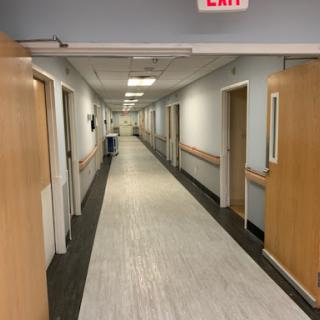
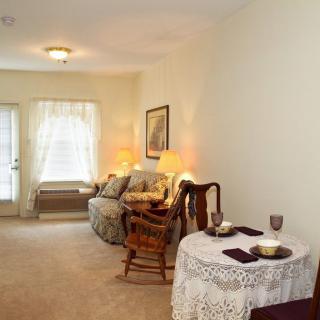
Cleaning and condition come up frequently, with reviewers describing a facility that looks clean, smells fresh, and is kept up. Visitors also mention clean rooms during their visits and note that the overall environment feels maintained. While a small number of negative reviews describe cleanliness issues, the more common experience shared is that the building is kept orderly.
caveat
6 reviews mention this
Care communication can be uneven
Some families report concerns about call response and updates.
A subset of reviews raise safety and communication concerns, including situations where a call button was not answered promptly or families felt they weren’t informed about what was happening. Other reviewers mention missing communication or follow-through around care progress and appointments. On the other hand, many residents describe strong daily help and regular communication with nurses and counselors, so the experience appears to vary by unit, timing, and individual circumstances.
common
11 reviews mention this
Rehabilitation and therapy progress
Residents often describe therapy support as a major part of their experience.
Several reviewers discuss physical therapy and rehabilitation as central to why they chose the community and how their loved ones are improving. People mention therapy teams helping with mobility and progress after hospital stays, and some describe counselors and nurses working with families on care plans. At the same time, a few reviews question the quality of rehab outcomes on the short-term side, so it’s worth considering these comments alongside the many positive rehab stories.
caveat
8 reviews mention this
Food quality gets mixed reactions
Dining is sometimes praised, but food temperature and preparation can disappoint.
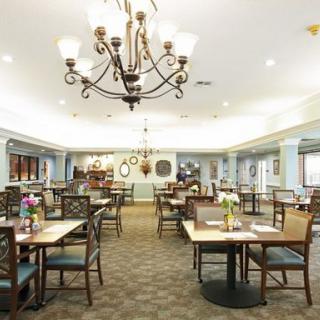
Some families say meals are good, with one review noting great food and snacks at night. Others describe issues such as meals arriving not warm or being overcooked and difficult to eat, and there are complaints about food being institutional or not consistently served at an appealing temperature. The community does offer restaurant-style dining and meal preparation support for special dietary restrictions, but resident experiences with day-to-day meal quality are not uniform.
common
3 reviews mention this
Pricing runs below county and state
Pricing appears below both county and state benchmarks across unit types.
For families comparing costs, the published range suggests the community is priced below county and state levels for semi-private, private, and studio options. That can make it easier to budget versus nearby alternatives. Reviews don’t provide a single, consistent theme on value, but several families do describe positive experiences overall alongside the listed pricing position.
common
9 reviews mention this
Activities help residents stay engaged
Residents and families often mention on-site activities.
Many reviews describe an active schedule, including events like movie nights and resident social time. A few families also mention outings and group activities, and others describe residents being out and about in good spirits. The community’s activity programming is supported by listed daily activities and planned day trips, which aligns with what families say they observe during visits.
How we summarize
Counts show how many written reviews mention each theme; a review can touch several themes, and only frequently mentioned themes are displayed.

 163 resident community capacity
 Skilled Nursing Facility
 Air-conditioning
 Beauty salon
 Cable or satellite TV
 Computer center
 Dining room
 Fitness room
 Fully furnished
 Gaming room
 Garden
 Housekeeping services
 Kitchenette
 Move-in coordination
 Outdoor space
 Private bathrooms
 Restaurant-style dining
 Small library
 Telephone
 Wellness center
 Wi-Fi/high-speed internet available
 Dallas-Fort Worth International (11 miles away)
 Community operated transportation
 12-16 hour nursing
 24-hour call system
 Activities of daily living assistance
 Assistance with bathing
 Assistance with dressing
 Assistance with transfers
 Diabetes diet
 Medication management
 Mental wellness program
 Special dietary restrictions
 Concierge services
 Planned day trips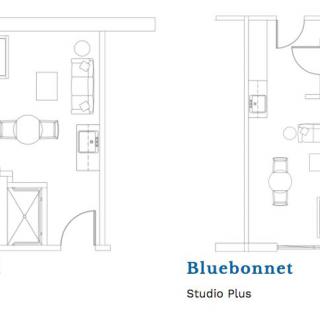
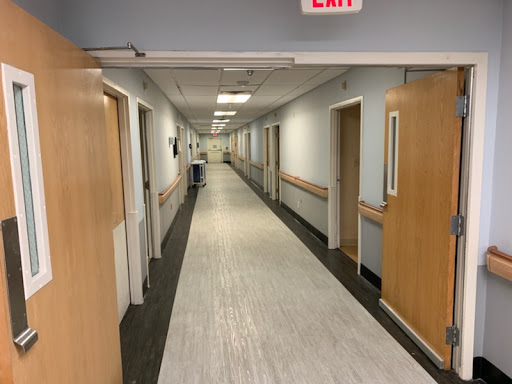
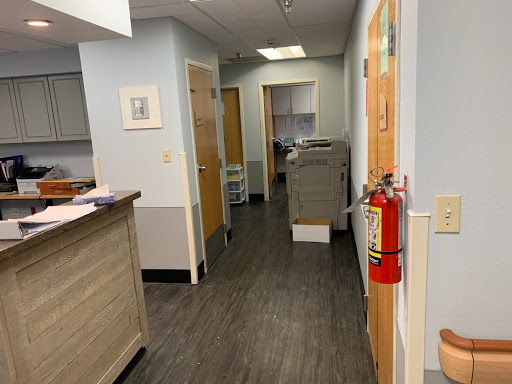
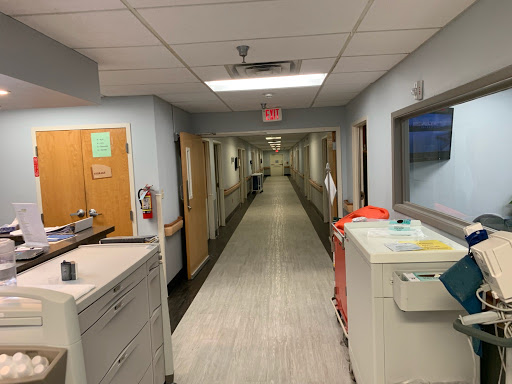
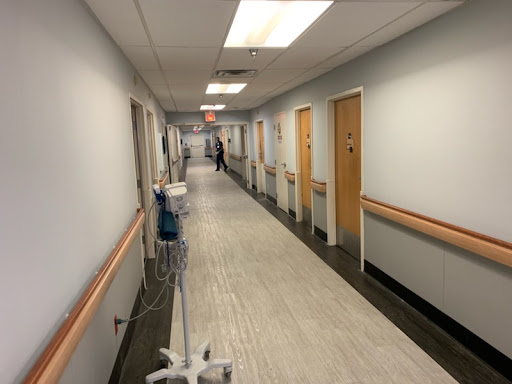
 Caring staff with engaging activities in a clean, well-maintained setting.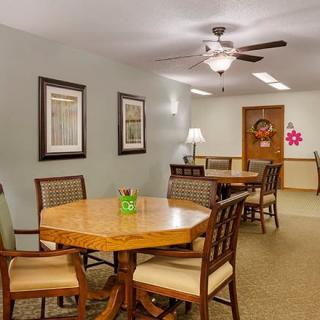

 Engaging Brain Games and Innovative Apps to Keep Senior Minds Active
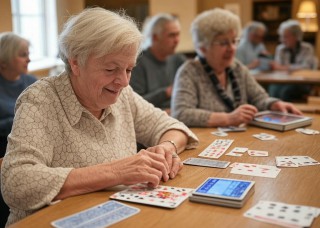 Effective Strategies for Keeping Seniors' Minds Active: A Deep Dive into Brain Games and Apps
 In-Depth Look at the VA Aid and Attendance Program