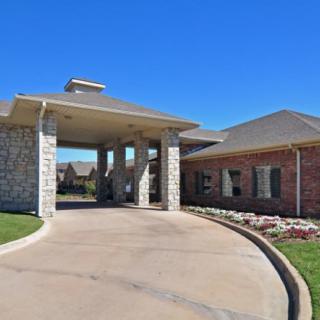
Emerald Hills Rehabilitation And Healthcare Center

Save

Emerald Hills Rehabilitation And Healthcare Center

5600 Davis Boulevard, North Richland Hills, TX 76180

For more information about senior living options: (844) 490-3973

4.4 from 100 reviews
5 stars
74
4 stars
12
3 stars
2
2 stars
1
1 stars
11

Skilled Nursing Facility

What level of care are you interested in?

Assisted Living

Memory Care

Independent Living

Skilled Nursing Facility

Continuing Care Retirement Community (CCRC)CCRC

Other


Request a tour at Emerald Hills Rehabilitation And Healthcare Center

    Overall Review of Emerald Hills Rehabilitation And Healthcare Center

    Pros

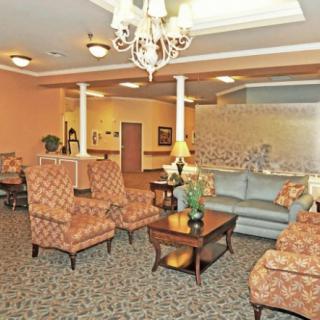
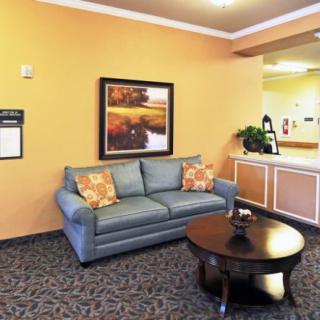
    • pro The facility is described as very clean and well maintained, with staff described as nice.
    • pro The staff at Emerald Hills are praised for professionalism, empathy, friendliness, and attentive care.
    • pro Jonathan and his team are noted as outstanding and highly recommended.
    • pro Families report that residents are happier and less stressed since being at Emerald Hills.
    • pro The environment offers engaging activities and outdoor space, including a bunny area for residents.
    • pro The dining and meal service have improved with a new chef, and staff care about residents' meals.
    • pro Visitors commend the kindness and helpfulness of the staff, with examples of staff cooking for residents and coordinating private dining.

    Cons

    • pro The facility had not called the family to offer condolences after Aunt Jody's death in their care.
    • pro There were bags of biohazardous trash in the room.
    • pro Residents were screaming for help at all hours, which felt disrespectful.
    • pro Dinner consisted of iceberg lettuce and a roll, and meals were not modified for residents on restricted diets.
    • pro The kiosk/check-in system was difficult for a visually impaired visitor to use, causing frustration.
    • pro A resident spent two hours in soiled underwear because staff did not respond to the call button.
    • pro The therapy program reportedly provided far less time than promised, and the patient has digressed since arriving.
    • pro Upon arrival, the room was partially clean with a sticky floor and a TV that had no controls and displayed an expired time code that nobody could fix, and nighttime medications were not available.
    • pro A nurse was described as having a very nasty attitude when assistance was sought.

    Review

    The tapestry of experiences at this care facility is a mosaic of high praise and serious concern, stitched together by families who have watched loved ones navigate rehab, memory care, and long-term care. On the positive side, numerous reviewers describe a welcoming, well-kept environment with caring staff, engaged activities, and moments of real progress for residents. Families frequently highlight clean facilities, friendly interactions, and staff who are patient and compassionate, with particular appreciation for teamwork and accessible, respectful care. One reviewer lauds the team as "outstanding from start to finish," specifically calling out Jonathan and his colleagues for their grace, respect, and collaboration. Another theme centers on the dementia wing: locked rooms, a safety-first approach, and residents able to move about with some independence. Reviewers note outdoor spaces and small comforts like an area with rabbits, which seems to contribute to a sense of normalcy and happiness for at least some residents. The notes about staff kindness - nurses, aides, and activities staff who listen, explain, and include families in the care plan - repeat across several accounts, painting a picture of a facility that, for many, feels like a reassuring place for a loved one to be.

    Yet the warmth of these stories is counterbalanced by troubling, sometimes alarming, firsthand experiences that cannot be ignored. One family recounts a profoundly distressing sequence: the aunt's decline after a fall in rehab, the ambulance ride to the hospital within the first day, and a subsequent loss weeks later, implying a long arc of vulnerability and a sense of missed opportunity for timely, attentive care. In another grave concern, a resident's room is described as having "bags upon bags of biohazard trash," a detail that is haunting and raises questions about cleanliness, sanitation, and the handling of hazardous materials. Other reviewers speak of residents crying out for help at all hours and feeling disrespected by the pace and attentiveness of responses, suggesting a gap between policy and practice in moments of urgent need.

    Among the most consistent critiques are experiences in which communication and responsiveness appeared inconsistent. Several families praise staff for being kind and helpful, yet others report significant gaps: slow responses to calls, long waits for assistance, and a sense that staff are overwhelmed or understaffed. There are mentions of specific staff members who were praised for their care, such as a nurse named Amy, and a general sense that the facility is clean and well maintained. But there are also sharp reminders that not every shift brings the same level of attention. A commenter mentions a "nasty attitude" from a nurse acting on duty, underscoring the impact that individual interactions have on family trust and resident comfort. The feedback also includes remarks about the impact of staffing and management decisions on patient care, including concerns about the consistency and adequacy of therapy services.

    The dining experience emerges as another area of mixed satisfaction. Some reviewers note improvements after a kitchen update or a new chef, praising better-tasting meals, while others report meals that are not satisfying or not prepared to meet dietary needs, with complaints about cold food or the lack of attention to restricted diets. One account highlights a practical issue many families face: if a loved one cannot eat certain foods, the facility may remove what cannot be eaten rather than preparing alternatives, prompting families to bring snacks. The same voices that applaud warmth and hospitality also remind readers that the daily routines - meals, personal care, and the timing and delivery of medications - have a direct and meaningful impact on a resident's wellbeing.

    The logistical and administrative experiences add another layer of complexity. A standout incident describes a transfer from a hospital where the patient arrived to find an empty front desk, a partially cleaned room, a sticky floor, and a TV with no functional controls, followed by a troubling delay in receiving critical medications. The patient reports pain, coughing, and a "gonging" clock that never stopped, all contributing to a sense of fear and neglect. Across reviews, there is a recurring request for better communication with families and more proactive administrative oversight, including meetings with administrators to address concerns, especially around therapy hours, overall care plans, and smooth transitions from hospital to rehabilitation to home care.

    Taken together, the collection of voices suggests a facility that can deliver meaningful, compassionate care and a sense of safety for many residents and families, while also revealing serious, ongoing challenges that can eclipse the positive experiences. The stories of dedicated staff and clean, engaging spaces sit alongside accounts of delayed responses to distress signals, inconsistent therapeutic attention, and alarming moments of administrative disarray. For families facing decisions about care, the overall impression is nuanced: there are clear strengths - the personal warmth of some staff, the presence of engaging activities, and moments of genuine progress for residents - yet there are critical areas in need of attention, including timely response to emergencies, rigorous hygiene and safety protocols, dependable medication management, and clear, proactive communication from leadership. The best course for potential residents and families going forward may be to visit with a discerning eye, ask pointed questions about therapy schedules and responsiveness, observe how staff interact with residents of various needs, and seek a detailed plan for how the facility intends to address the gaps that have been raised in these experiences.

    Features

    Housing

    • 118 resident community capacity 118 resident community capacity

    Types of Care

    • Skilled Nursing Facility Skilled Nursing FacilitySkilled Nursing Facilities are crucial for seniors as they provide round-the-clock medical care, rehabilitation services, and assistance with daily activities. These facilities ensure that seniors receive the specialized care they need to maintain their health and well-being as they age.

    Amenities

    • Air-conditioning Air-conditioningAir conditioning is important for seniors as they are more vulnerable to heat-related illnesses and may have underlying health conditions that make it difficult for them to regulate their body temperature. It helps to keep them comfortable, safe, and healthy in hot weather.
    • Beauty salon Beauty salonBeauty salons are important for seniors because they provide a space for them to feel pampered, socialize, and maintain their personal grooming and hygiene. Regular visits to a beauty salon can help boost seniors' self-esteem and overall well-being.
    • Cable or satellite TV Cable or satellite TVCable or satellite TV is important for seniors because it provides entertainment, news, and companionship, helping to combat loneliness and boredom. It also offers a wide range of programming options tailored to different interests and preferences.
    • Computer center Computer centerA computer center is essential for seniors as it provides access to technology, communication tools, and resources that can enhance their daily lives. It allows them to stay connected with loved ones, engage in online activities, and learn new skills, ultimately promoting socialization and mental stimulation.
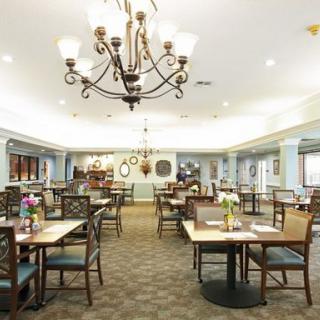
    • Dining room Dining roomDining rooms are important for seniors as they provide a space for socialization, connection, and nutritious meals. They offer opportunities for residents to bond over shared meals, foster a sense of community, and promote healthy eating habits. Dining rooms also ensure that seniors have access to well-balanced meals tailored to their dietary needs and preferences.
    • Fitness room Fitness roomHaving a fitness room in a senior living community is essential for seniors to stay active, maintain their physical health, and improve their overall well-being. Regular exercise can help prevent falls, reduce the risk of chronic diseases, and promote mental sharpness. It also provides social opportunities for residents to connect with others and enjoy a sense of community.
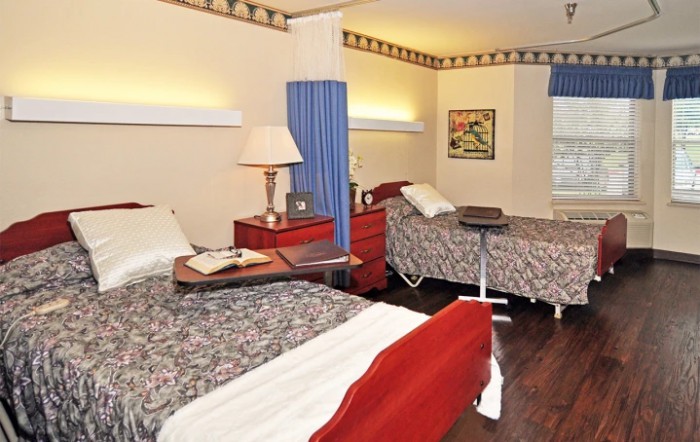
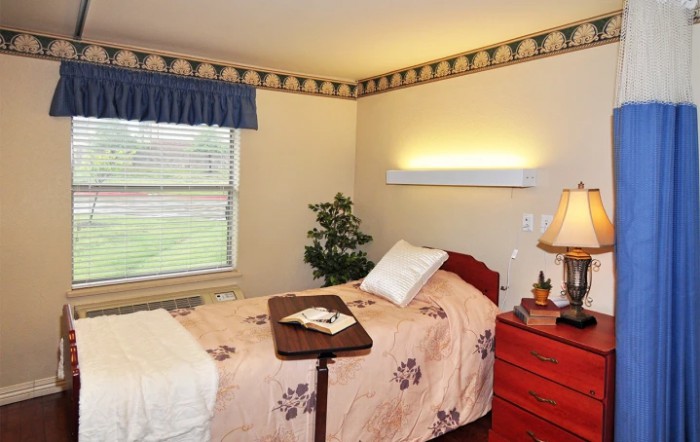
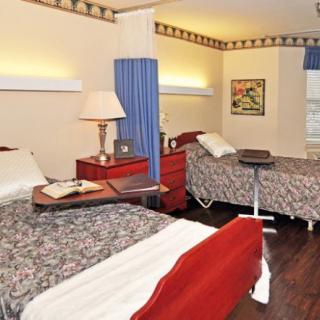
    • Fully furnished Fully furnishedFully furnished senior living communities are important for seniors because they provide convenience, comfort, and a hassle-free moving experience. Seniors can easily settle into their new living space without the stress of having to buy and move furniture. This allows them to focus on enjoying their new home and community.
    • Gaming room Gaming roomGaming rooms are important for seniors as they provide a fun and engaging environment for socializing, cognitive stimulation, and physical activity. Games can improve memory, problem-solving skills, and overall mental well-being while fostering friendships and reducing feelings of isolation.
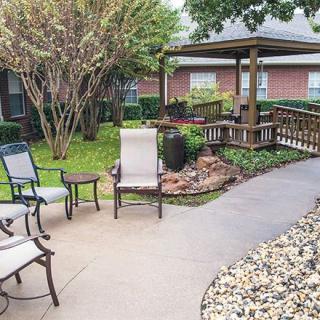
    • Garden GardenGardens are important for seniors as they provide a peaceful and therapeutic environment for relaxation, physical activity, and socialization. Being in nature has been shown to reduce stress, improve mood, and promote overall well-being. Gardens also offer opportunities for seniors to engage in gardening activities, which can improve mobility, flexibility, and cognitive function. Additionally, gardens create a sense of community and connection with others who share a passion for plants and outdoor spaces.
    • Housekeeping services Housekeeping servicesHousekeeping services are important for seniors because they help maintain a clean and safe living environment, promote independence, and reduce the risk of accidents or illnesses. Additionally, having assistance with household chores can alleviate physical strain and allow seniors to focus on other aspects of their well-being.
    • Kitchenette KitchenetteKitchenettes are important for seniors living in senior living communities because they provide the convenience and independence of being able to prepare simple meals and snacks in the comfort of their own living space. This can help promote a sense of autonomy and well-being for seniors, allowing them to maintain some level of control over their dietary choices and daily routines.
    • Move-in coordination Move-in coordinationMove-in coordination is important for seniors because it helps ease the transition into their new living environment. It ensures that all logistics, such as packing, organizing movers, and setting up utilities are taken care of, allowing seniors to focus on settling in and adjusting to their new home. Having a smooth move-in process can alleviate stress and anxiety, making the transition smoother and more enjoyable for seniors.
    • Outdoor space Outdoor spaceOutdoor spaces are important for seniors as they provide opportunities for physical activity, social interaction, exposure to natural light and fresh air, and a sense of connection to nature. Having access to outdoor spaces can improve overall well-being and quality of life for older adults living in senior communities.
    • Private bathrooms Private bathroomsPrivate bathrooms are important for seniors in senior living communities because they provide independence, dignity, and comfort. Having a private bathroom allows seniors to maintain their personal hygiene routines without the need for assistance, promoting a sense of autonomy and privacy. Additionally, private bathrooms help prevent the spread of infections and provide a safe and clean environment for seniors to navigate safely.
    • Restaurant-style dining Restaurant-style diningRestaurant-style dining is important for seniors because it allows them to enjoy delicious, nutritious meals in a social and upscale setting. This enhances their dining experience, promotes healthy eating habits, and fosters socialization with fellow residents, ultimately contributing to their overall well-being and quality of life.
    • Small library Small librarySmall libraries are important for seniors as they provide access to a variety of reading materials, including books, newspapers, and magazines. This can help stimulate their minds, keep them engaged, and provide a sense of community through book clubs and other social activities. Additionally, reading has been shown to improve cognitive function and overall mental well-being in older adults.
    • Telephone TelephoneTelephones are important for seniors as they provide a lifeline for communication with loved ones, emergency services, and healthcare providers. They offer a sense of security and independence, enabling seniors to stay connected and access assistance when needed.
    • Wellness center Wellness centerWellness centers are important for seniors because they offer a variety of programs and services that promote physical, mental, and emotional well-being. These centers provide opportunities for exercise, socialization, education, and relaxation, helping seniors maintain their overall health and quality of life.
    • Wi-Fi/high-speed internet available Wi-Fi/high-speed internet availableWi-Fi/high-speed internet is important for seniors to stay connected with loved ones, access online resources, and participate in virtual activities to combat feelings of loneliness and isolation. It also allows them to easily manage healthcare needs, access entertainment, and engage in lifelong learning opportunities.

    Transportation

    • Dallas-Fort Worth International (11 miles away) Dallas-Fort Worth International (11 miles away)
    • Dallas Love (21 miles away) Dallas Love (21 miles away)
    • Community operated transportation Community operated transportationCommunity operated transportation is crucial for seniors as it provides them with the means to access essential services, social activities, and medical appointments. It allows seniors to maintain their independence and quality of life by ensuring they can participate in activities outside of their homes. Additionally, community-operated transportation services offer a safe and reliable way for seniors to travel without having to rely on family or friends for assistance.
    • Transportation arrangement Transportation arrangementTransportation arrangements are crucial for seniors as they may face challenges with driving, mobility, or access to public transportation. Having reliable transportation services ensures that seniors can easily attend appointments, social activities, and maintain their independence and quality of life.
    • Transportation arrangement (non-medical) Transportation arrangement (non-medical)Transportation arrangements are essential for seniors as they provide access to essential services, activities, and social interactions outside the home. This service helps maintain independence, mobility, and overall well-being for seniors who may have limited transportation options.
    • Transportation to doctors appointments Transportation to doctors appointmentsTransportation to doctors appointments is crucial for seniors as it ensures they have access to necessary medical care and support, promoting their health and well-being. It allows them to receive timely treatment, monitor existing conditions, and address any new health concerns efficiently. Additionally, transportation services can help seniors maintain their independence and quality of life by enabling them to stay connected with their healthcare providers.

    Care Services

    • 12-16 hour nursing 12-16 hour nursing12-16 hour nursing care is crucial for seniors in order to ensure around-the-clock monitoring, timely medication administration, and prompt response to any health concerns or emergencies. This level of care helps to promote the overall well-being and safety of seniors living in senior living communities.
    • 24-hour call system 24-hour call system24-hour call systems are important for seniors because they provide peace of mind and immediate assistance in case of emergencies. This technology ensures that help is always available, promoting safety and security for elderly individuals living alone or in assisted living facilities.
    • 24-hour supervision 24-hour supervision24-hour supervision is important for seniors to ensure their safety, well-being, and access to immediate assistance in case of emergencies or health issues. This constant support provides peace of mind for both seniors and their loved ones, allowing them to age in place with dignity and security.
    • Activities of daily living assistance Activities of daily living assistanceActivities of daily living assistance are important for seniors because they provide essential support with tasks such as eating, bathing, dressing, and mobility. This assistance helps seniors maintain their independence, dignity, and overall quality of life as they age.
    • Assistance with bathing Assistance with bathingAssistance with bathing is crucial for seniors as it helps maintain personal hygiene, prevents infections, and ensures their overall well-being and comfort. It also provides a sense of dignity and independence for seniors who may struggle with this task on their own.
    • Assistance with dressing Assistance with dressingAssistance with dressing is important for seniors because it helps maintain their independence, promotes personal hygiene, prevents accidents and injuries, and improves overall quality of life. This service ensures that seniors can continue to dress comfortably and confidently, despite any physical limitations they may have.
    • Assistance with transfers Assistance with transfersAssistance with transfers is crucial for seniors as it helps prevent falls and injuries, maintains their independence, and ensures they can safely navigate their living environment. It also provides peace of mind for both seniors and their loved ones.
    • Diabetes diet Diabetes dietA diabetes diet is crucial for seniors as it helps manage blood sugar levels, reduce risks of complications, and improve overall health and well-being. By following a balanced and nutritious diet tailored to their specific needs, seniors can better control their diabetes and enhance their quality of life.
    • Meal preparation and service Meal preparation and serviceMeal preparation and service are crucial for seniors as they may have limited mobility or energy to cook nutritious meals. Having access to healthy and convenient food options can ensure they are getting the proper nutrition needed to maintain their overall health and well-being.
    • Medication management Medication managementMedication management is crucial for seniors to ensure they are taking the right medications at the correct dosages and times. This helps prevent adverse drug interactions, reduces the risk of medication errors, and promotes overall health and well-being. Proactive management also allows for adjustments as needed based on changing health conditions or new prescriptions.
    • Mental wellness program Mental wellness programMental wellness programs are essential for seniors as they promote cognitive stimulation, emotional support, and social engagement. These programs help prevent isolation, depression, and cognitive decline, ultimately enhancing the overall quality of life for older adults.
    • Special dietary restrictions Special dietary restrictionsSpecial dietary restrictions are important for seniors because age-related changes in metabolism and health conditions can make it difficult for their bodies to process certain foods. By following a diet tailored to their specific needs, seniors can maintain their overall health and well-being, manage chronic conditions, and reduce the risk of complications such as malnutrition or food interactions with medications.

    Dining

    • Diabetes diet Diabetes dietA diabetes diet is crucial for seniors as it helps manage blood sugar levels, reduce risks of complications, and improve overall health and well-being. By following a balanced and nutritious diet tailored to their specific needs, seniors can better control their diabetes and enhance their quality of life.
    • Special dietary restrictions Special dietary restrictionsSpecial dietary restrictions are important for seniors because age-related changes in metabolism and health conditions can make it difficult for their bodies to process certain foods. By following a diet tailored to their specific needs, seniors can maintain their overall health and well-being, manage chronic conditions, and reduce the risk of complications such as malnutrition or food interactions with medications.

    Activities

    • Community-sponsored activities Community-sponsored activitiesCommunity-sponsored activities are important for seniors as they provide opportunities for social interaction, mental stimulation, and physical activity. These activities can help improve overall well-being, combat loneliness and isolation, and promote a sense of belonging and purpose among older adults.
    • Concierge services Concierge servicesConcierge services are essential for seniors as they provide assistance with daily tasks and errands, enhance their quality of life by offering convenience and personalized care, and promote a sense of safety and security.
    • Fitness programs Fitness programsFitness programs are crucial for seniors as they help improve strength, flexibility, balance, and overall well-being. Staying active can reduce the risk of chronic diseases, improve mental health, and enhance quality of life in older adults.
    • Planned day trips Planned day tripsPlanned day trips are important for seniors because they offer opportunities for socialization, mental stimulation, and physical activity. They provide a change of scenery and help seniors stay engaged and connected to their community, promoting overall well-being and quality of life.
    • Resident-run activities Resident-run activitiesResident-run activities are important for seniors as they encourage social interaction, creativity, and a sense of autonomy. These activities empower seniors to stay engaged and active in their community while fostering meaningful connections with their peers.
    • Scheduled daily activities Scheduled daily activitiesScheduled daily activities are important for seniors because they provide structure, socialization, mental stimulation, and physical activity. Engaging in regular activities can improve overall well-being and quality of life for seniors living in a community setting.

    Description

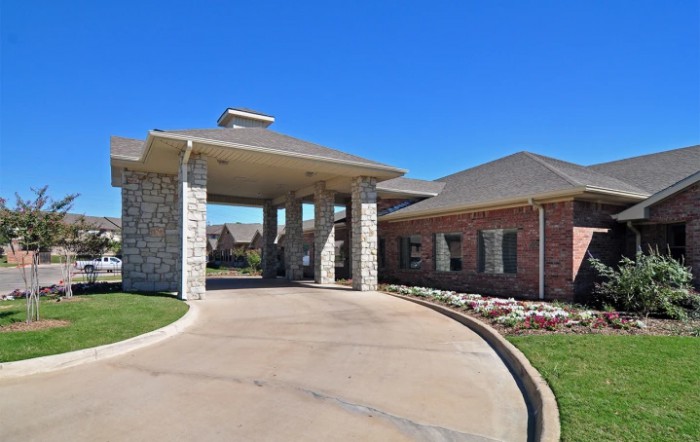
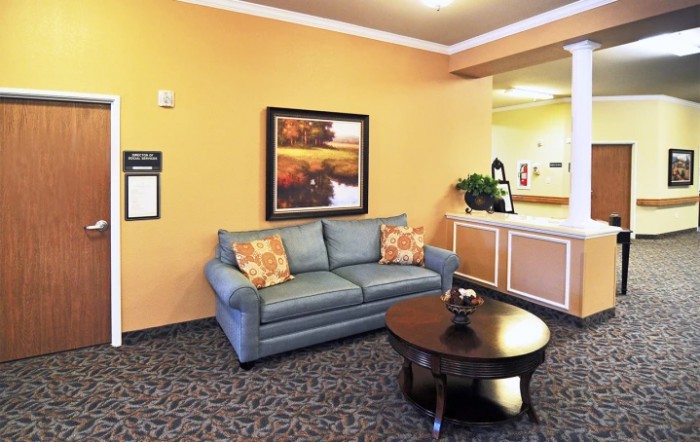
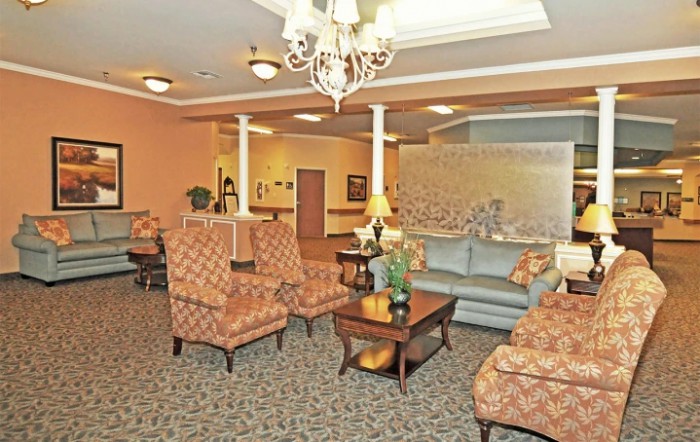
    Emerald Hills Rehabilitation And Healthcare Center in North Richland Hills, TX is a vibrant and welcoming assisted living community that offers a wide range of amenities and services to ensure the comfort and well-being of its residents.

    The community features a beauty salon where residents can pamper themselves and maintain their personal grooming needs. Residents can also enjoy their favorite shows and movies as each room is equipped with cable or satellite TV.

    Transportation is made convenient through the community-operated transportation service, which ensures residents can easily access nearby destinations such as shopping centers, doctor's appointments, and social outings. A computer center is available for residents to stay connected with loved ones or browse the internet at their convenience.

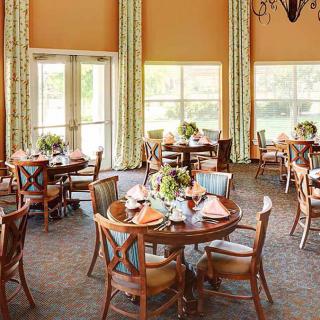
    Meals are served in a spacious dining room offering restaurant-style dining experience. The cuisine caters to special dietary restrictions and diabetes diets, ensuring that individual nutritional needs are met. Additionally, there is a small library for book enthusiasts to indulge in reading.

    Physical fitness is encouraged through the fully furnished fitness room where residents can participate in exercise programs tailored to their abilities. For leisurely pursuits, there is a gaming room where residents can engage in various indoor activities.

    The community boasts a beautiful garden and outdoor space where residents can take strolls or relax amidst nature. Housekeeping services are provided to ensure cleanliness and tidiness throughout the premises.

    For healthcare management, Emerald Hills provides 24-hour call system and supervision along with assistance for daily activities such as bathing, dressing, and transfers. Medication management ensures proper administration of medications while special dietary restrictions are accommodated.

    To enhance mental wellness, a comprehensive mental wellness program is offered to promote cognitive stimulation and emotional support.

    Residents have access to various nearby amenities including two cafes, parks for recreational outings, numerous pharmacies for prescription needs, physicians' offices for medical care, restaurants for dining options, and places of worship for spiritual fulfillment.

    With an array of amenities, care services, engaging activities such as fitness programs, day trips, and resident-run activities, Emerald Hills Rehabilitation And Healthcare Center provides a comfortable and enriching lifestyle for its residents.

    Nearby Places of Interest

    Pharmacies

    • Walgreens (0.9 miles)
    • CVS Pharmacy (1.7 miles)
    • CVS Pharmacy (1.7 miles)
    • CVS Pharmacy (1.9 miles)
    • Walgreens (1.9 miles)
    • Walgreens (2.2 miles)
    • Walgreens (3.3 miles)

    Restaurants

    • Olive Garden (1.1 miles)
    • Sushi Axiom (1.2 miles)
    • Babe's Chicken Dinner House (1.5 miles)
    • Rosa's Cafe (1.6 miles)
    • In-N-Out Burger (1.7 miles)
    • Taco Casa (1.8 miles)
    • Turning Point Beer (3.1 miles)

    Cafes

    • Roots Coffeehouse (1.3 miles)
    • Rosa's Cafe (4 miles)
    • Starbucks (6.1 miles)
    • Starbucks (7.1 miles)
    • Starbucks (7.6 miles)

    Physicians

    • Cook Children's Pediatrics (1.9 miles)
    • Texas Eye and Laser Center (2.5 miles)
    • Kaner Medical Group (3.9 miles)
    • Fem Centre (5.3 miles)
    • Altig Optical (5.6 miles)
    • Lighthouse Family Medicine (5.7 miles)
    • Texas Orthopedic Specialists (5.7 miles)

    Places of Worship

    • Wellspring Church (2.2 miles)
    • Gateway Church (2.5 miles)
    • St Elizabeth Ann Seton Catholic Church (4 miles)
    • Gateway Church North Fort Worth Campus (4.9 miles)
    • First Baptist Church of Keller (6.4 miles)
    • Keller United Methodist Church (6.5 miles)

    Parks

    • Capp Smith Park (2.6 miles)
    • Bedford Bark Park (4.6 miles)

    Hospitals

    • Texas Health Harris Methodist Hurst-Euless-Bedford (5.3 miles)
    • SwiftCare (7.5 miles)

    Theaters

    • Cinemark (7.1 miles)

    Frequently Asked Questions

    Where is Emerald Hills Rehabilitation And Healthcare Center?
    What photos are available for Emerald Hills Rehabilitation And Healthcare Center in North Richland Hills, Texas?

    Nearby Communities

    Related Resources

    • living will definitionComprehensive Exploration of Living Wills and Other Advance Directives

      Living wills and advance directives are crucial legal documents that outline an individual's healthcare preferences when they cannot make decisions themselves, enhancing patient autonomy and alleviating family stress during medical crises. The article emphasizes the need for these documents to be personalized, legally valid, and regularly updated, while also encouraging communication about end-of-life wishes among family members and healthcare providers.

    • living will definitionA Detailed Exploration of Living Wills and Advance Directives

      The article examines living wills and advance directives, highlighting their significance in expressing healthcare preferences for those unable to communicate due to illness or incapacity. It discusses their historical development, legal components, limitations, practical drafting advice, and the importance of clear communication among families and healthcare professionals regarding end-of-life decisions.

    • does medicare cover hospiceComprehensive Guide to Medicare Coverage for Hospice Care
      Hospice care focuses on providing comfort and support for individuals nearing the end of life, with Medicare Part A covering services like nursing care and counseling for patients with a terminal illness and a life expectancy of six months or less. While most hospice services are low-cost for eligible patients, families should be aware that certain expenses, such as room and board, may not be covered.


    Get Pricing Ask A Question Schedule A Tour Contact Senior Advisor