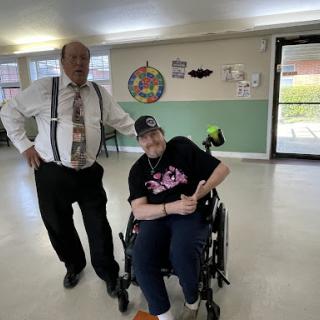
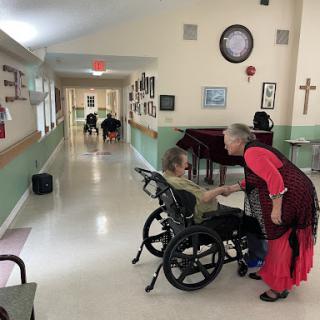
405 Shady Acres Lane, Newton, TX 75966
For more information about senior living options: (866) 208-4318
Overall Review of Shady Acres Health And Rehabilitation Center
Pros
 The staff have been loving and caring.
- The nursing care is excellent.
- It is one of the best compared to other nursing homes.
- The staff are very professional and committed to their mission for the residents.
- She is getting good care.
- She feels safe there.
- There is a special connection with everybody there.
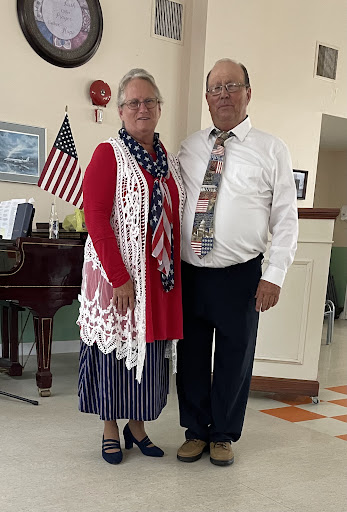
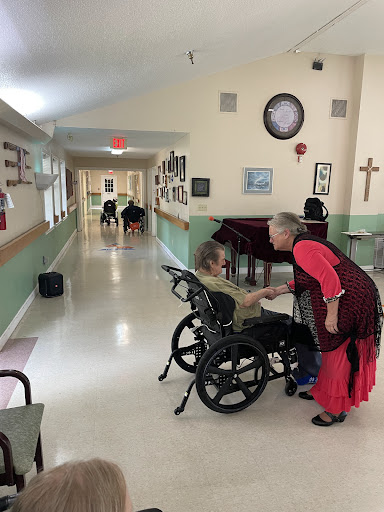
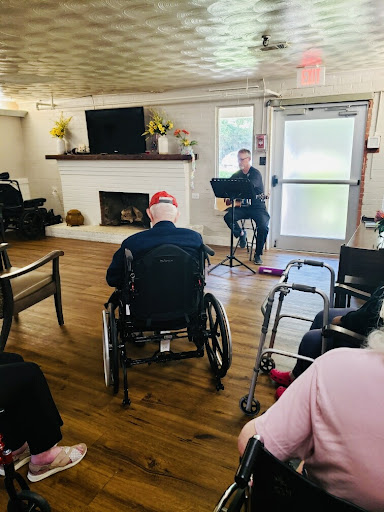
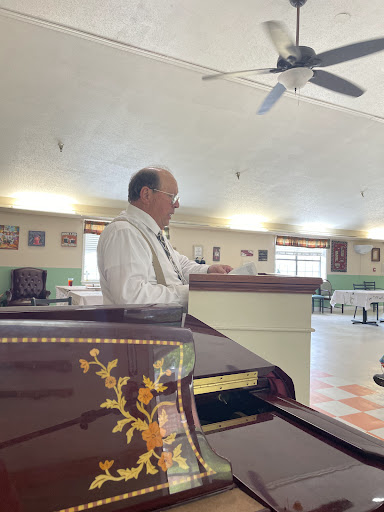
- They had their first service, and it was great.
- They are very pleased with what they have seen on their visits.
Cons
 They did not feed her.
- She was unable to get to her food herself.
- They did not keep an eye on her and she got out of bed and fell.
- Extra sitters were hired who evidently did nothing.
- By the time they arrived, she had starved to death.
- They literally starved her to death.
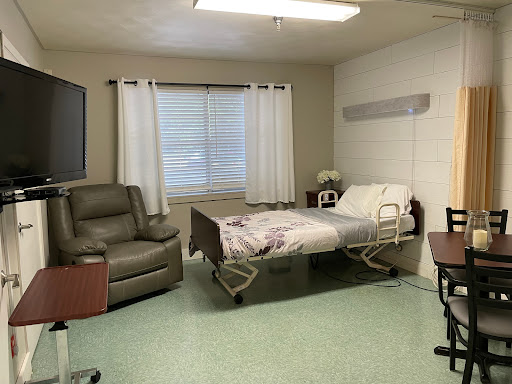
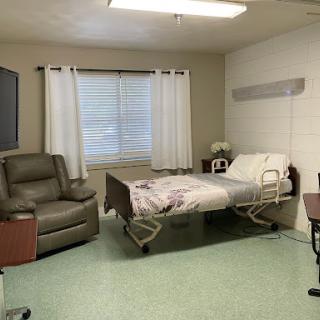
- The facility is getting old and it's not updated.
Review
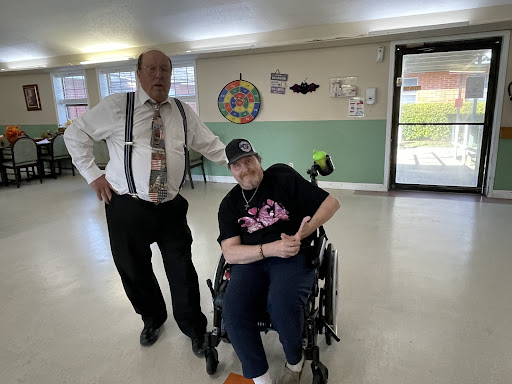
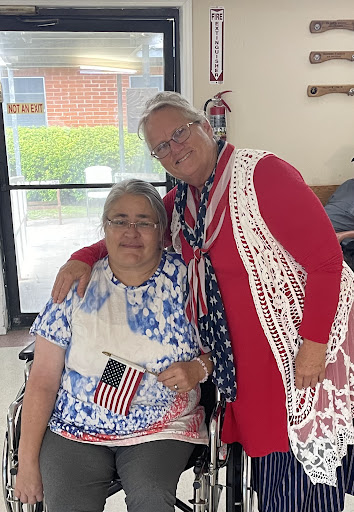
This community is best suited for seniors who want hands-on, compassionate care in a small-town, faith-friendly setting and who value personal connections with staff. The strongest positive thread in the reviews is a sense that the caregiving team is loving, professional, and genuinely dedicated to residents’ well-being. Family-owned roots and long-standing community presence help create a stable, familiar atmosphere where daily routines, worship services, and informal visits feel accessible and meaningful. For residents who thrive on a close-knit environment where caregivers treat families like partners, Shady Acres offers a reassuring, neighborhood-style model of support.
Alternatives should be considered by families seeking a facility with modernized facilities, updated interiors, and higher, perhaps more standardized safety and oversight. The center is openly described as aging and not updated, with commenters noting a need for a facelift or renovations. For families that prize contemporary design, robust infrastructure, and the impression of being in a more current, visibly upgraded setting, shopping elsewhere is prudent. Geographic and logistical considerations also matter: a home base far from family or from preferred care networks can complicate oversight, so proximity to trusted caregivers and regular visits should be weighed.
On balance, the solid pros center on the quality of caregiving and the sense of community. The staff are repeatedly described as loving and professional, with experiences that include excellent nursing care and thorough attention to residents’ daily needs. The facility’s small-town, family-owned character supports a respectful, attentive culture, and the presence of resident services like regular worship opportunities enhances quality of life for faith-minded families. Reviews repeatedly convey a feeling of safety and consistent care when residents are able to participate in activities, move about, and engage with staff and fellow residents.
However, the most troubling item in the mix is a stark cautionary note about negligence that ended in a death. One review details a caregiver lapse, failure to feed a resident, insufficient supervision, and a rapid decline, culminating in the resident starving after family members attempted to secure help. While other staff were described as kind, this account underscores a real risk: even in strong caregiving environments, lapses can occur and can have devastating consequences. This serious red flag cannot be dismissed; it demands rigorous due diligence, explicit questions about feeding protocols, monitoring, accountability, and quality assurance, and a clear plan for safeguarding vulnerable residents.
To decide with confidence, prospective families should drill down on concrete safeguards before move-in. Inquire about nurse-to-resident ratios across shifts, daily meal service workflows, and procedures for residents with dementia or mobility challenges. Request recent incident and corrective-action data, supervision practices during high-risk periods, and evidence of ongoing staff training in feeding, fall prevention, and response to acute changes in condition. A thorough tour should include discussions with frontline staff, a review of meal delivery and administration, and a look at the capital improvements plan to understand whether updates are imminent. If a family requires robust modernization, stronger external oversight, or a proven track record of preventing the kind of neglect described in the most severe review, exploring options beyond Shady Acres is prudent.
In the end, Shady Acres Health and Rehabilitation Center can be a strong fit for families seeking genuine warmth, steady nursing care, and a faith-centered daily rhythm in a small community. It shines for residents who prize personal attention, a stable environment, and the reassurance that caregivers know the family by name. Yet the facility’s aging infrastructure and the most grave safety concern raised by a reviewer mean that this choice should be made with caution and preparation. If safety, modern amenities, and demonstrable, consistently tight supervision feel non-negotiable, or if previous experiences with neglect weigh heavily, it is wise to compare other local options and demand clear, written assurances on care protocols before committing.
 84 resident community capacity
 Skilled Nursing Facility
 Air-conditioning
 Beauty salon
 Cable or satellite TV
 Computer center
 Dining room
 Fitness room
 Fully furnished
 Gaming room
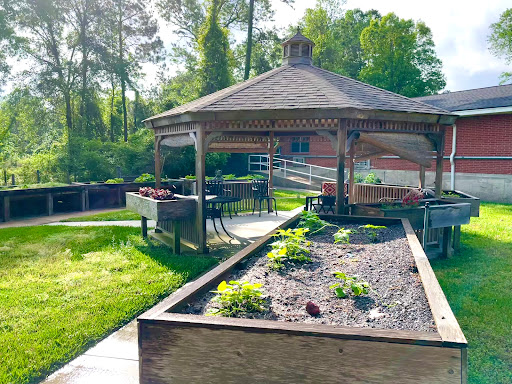
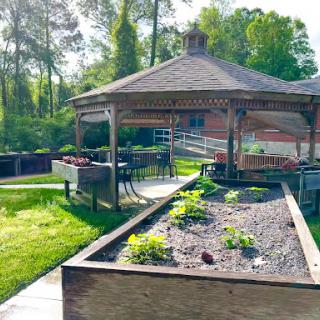
 Garden
 Housekeeping services
 Kitchenette
 Move-in coordination
 Outdoor space
 Private bathrooms
 Restaurant-style dining
 Small library
 Telephone
 Wellness center
 Wi-Fi/high-speed internet available
 Community operated transportation
 12-16 hour nursing
 24-hour call system
 Activities of daily living assistance
 Assistance with bathing
 Assistance with dressing
 Assistance with transfers
 Diabetes diet
 Medication management
 Mental wellness program
 Special dietary restrictions
 Concierge services
 Planned day trips


 Engaging Brain Games and Innovative Apps to Keep Senior Minds Active
 Effective Strategies for Keeping Seniors' Minds Active: A Deep Dive into Brain Games and Apps
 In-Depth Look at the VA Aid and Attendance Program