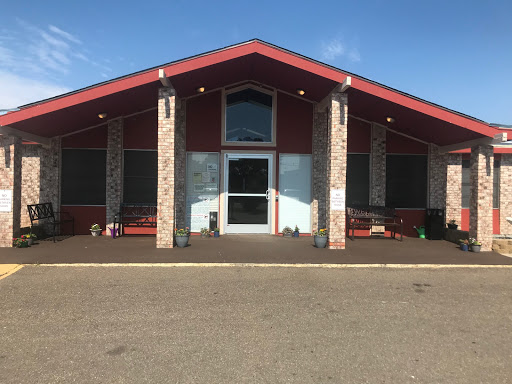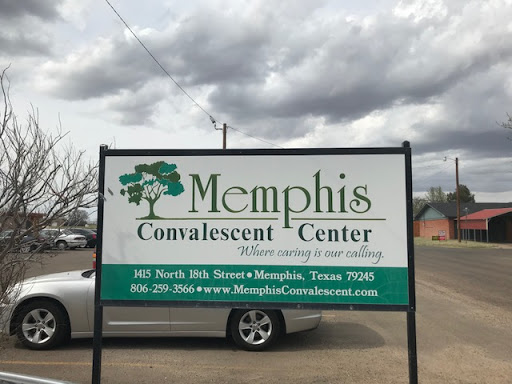
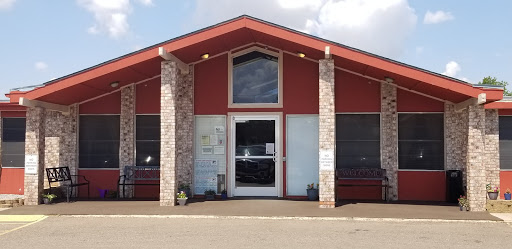
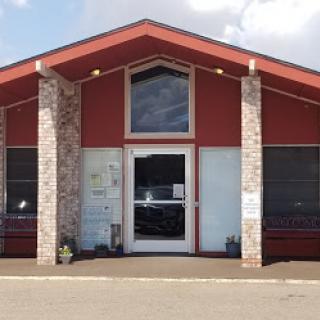

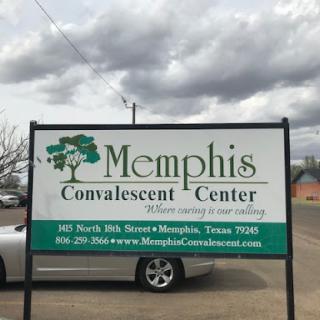
1415 North 18Th Street, Memphis, TX 79245
For more information about senior living options: (866) 208-4318
Overall Review of Memphis Convalescent Center
Pros
 The center provides quality, loving care from its administration and staff.
- Residents feel at home and loved by the staff.
- It is the cleanest convalescent center, with staff who treat residents with dignity and love.
- The facility is highly recommended for those needing assistance.
- The center goes above and beyond in kindness and generosity, with staff who sincerely care for residents.
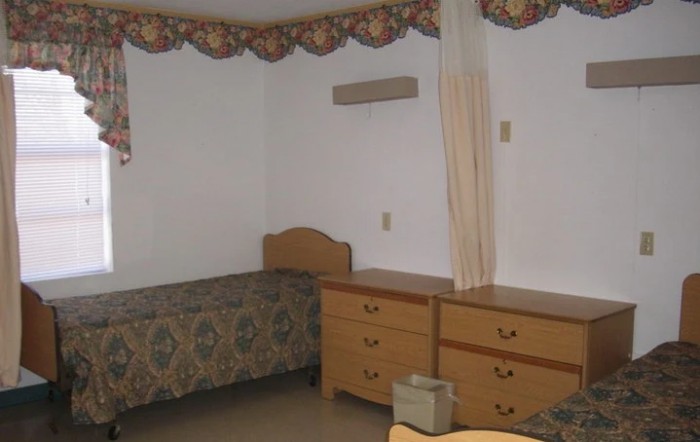
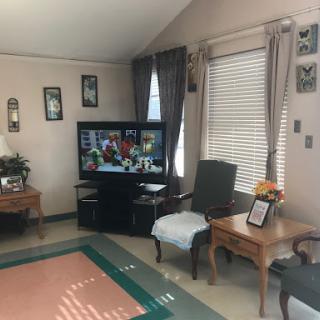
- The environment feels like home, with employees treating residents as family and always offering smiling faces.
- The facility is clean, with good food and friendly faces.
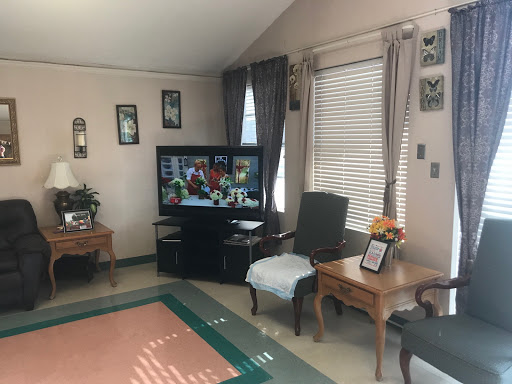
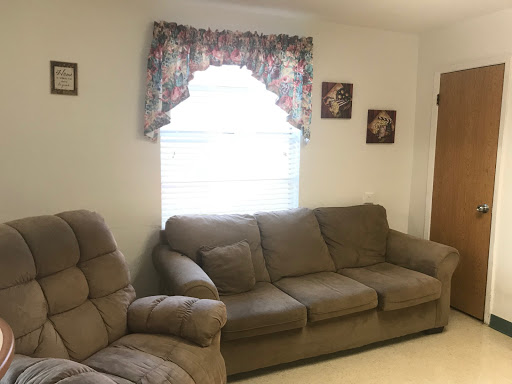
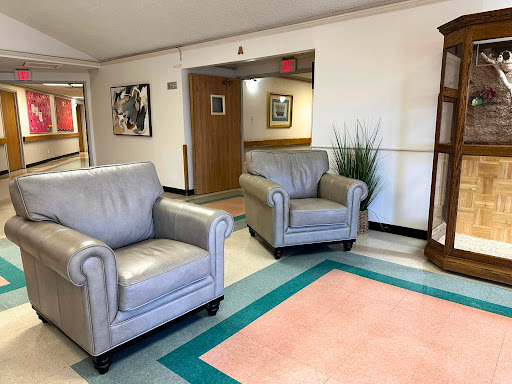
- The atmosphere is warm and home-like, with great employees and a sense of family among residents and staff.
- The staff demonstrates heartfelt care, with strong leadership and a commitment to serving the community.
- The building is consistently clean and odor-free, and the staff are very nice.
- The food at the facility is wonderful.
- The center is a blessing to families, offering safe, attentive care in a well-kept, nearby location.
Cons
 The reviewer implies that a resident would only receive one shower per week.
Review
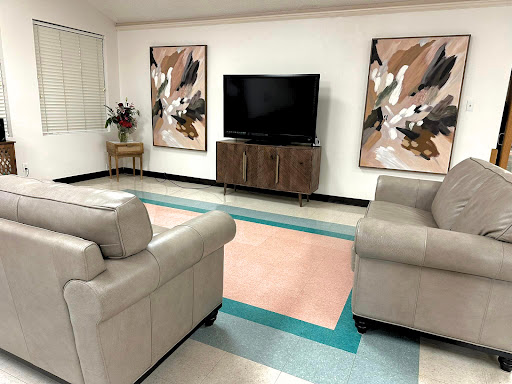
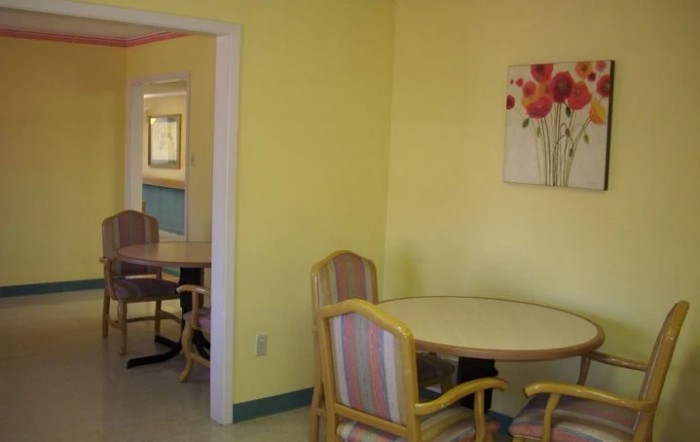
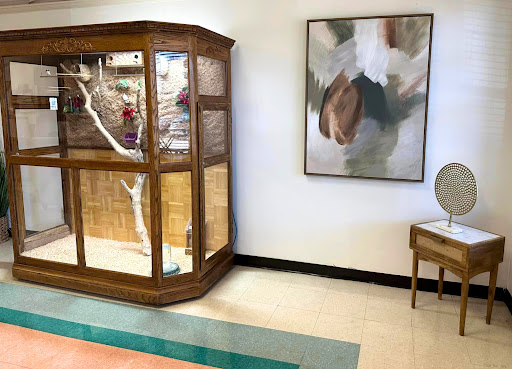
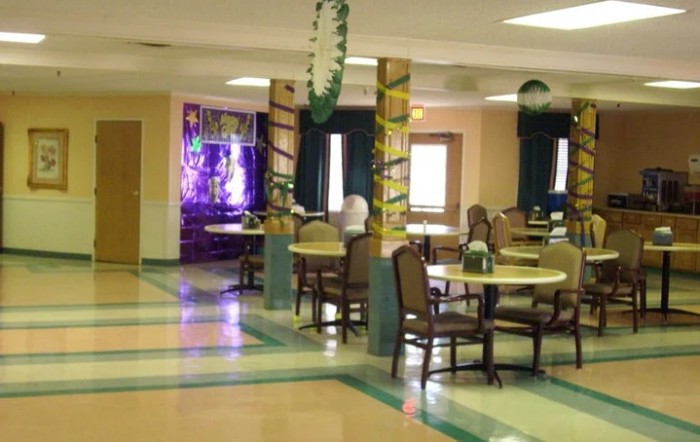
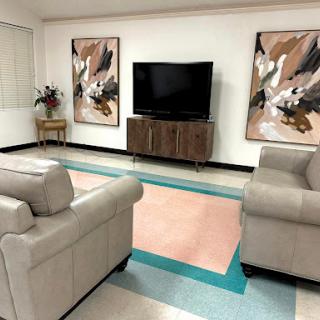
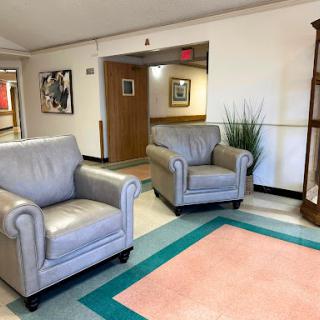
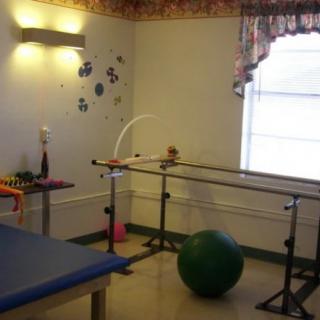
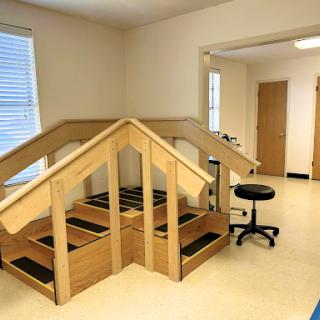
Memphis Convalescent Center in Memphis, Texas, is best suited for families seeking a warm, home-like environment where a devoted staff delivers consistently compassionate care. It fits elders who prize daily personal attention, a clean, inviting setting, and engaging programming that keeps residents connected to life beyond their rooms. The facility’s strong 4.7 rating from 19 reviews reflects a reputation for treating residents like family and making visits a pleasure. The rural location also helps families stay closely involved, with easy access for regular visits and meaningful participation in daily life.
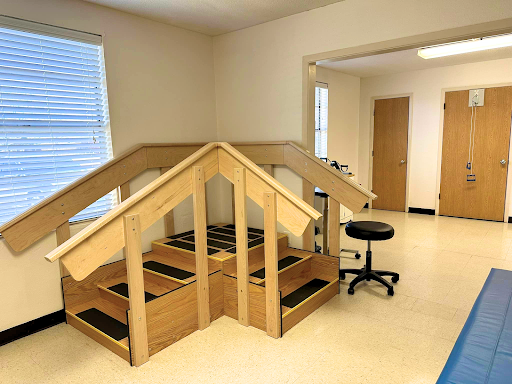
For families weighing alternatives, consider options with a more clinical or memory-care focus, or locations that provide a busier urban setting and broader inpatient specialty services. If daily personal care needs, such as frequent bathing or highly specialized medical needs, are non-negotiable, a facility with more intensive care routines may be a better fit. Likewise, residents requiring advanced memory-care programming or a larger, more structured clinical environment might benefit from exploring centers with dedicated dementia units or expansive therapy departments. In short, this center shines for home-like, relationship-centered care; those prioritizing sharper clinical intensity or specialized programs may find better alignment elsewhere.
The core strengths translate into practical advantages that largely offset the rare drawbacks. Cleanliness and a consistently fresh atmosphere are repeatedly highlighted, creating a sense of safety and dignity. Across roles, nursing, dining, maintenance, and administration, the staff are described as warm, respectful, and genuinely caring, a dynamic that helps residents settle in and stay engaged. An active programming presence, supported by a proactive activity director, means daily life feels purposeful rather than routine. Strong leadership at the nursing level, plus responsive problem-solving during admissions and ongoing care, reinforces trust. The quality of meals receives frequent praise, contributing to overall comfort and appetite. Together, these elements form a convincing case that residents are not only cared for but truly valued.
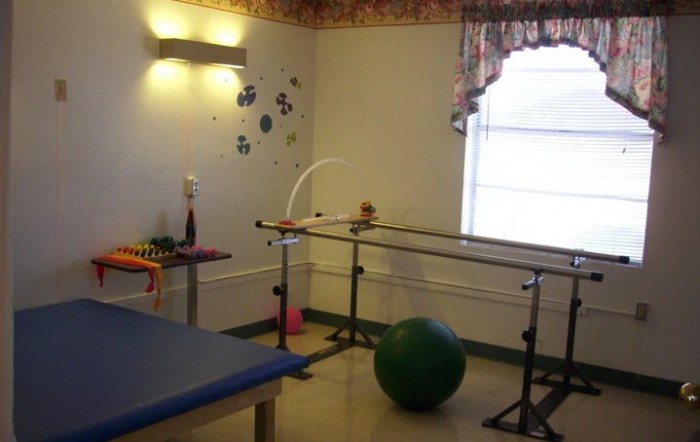
From a decision-making perspective, practical due diligence matters. Schedule a tour during peak activity to observe how staff interact with residents and how the environment feels in motion. Confirm how often personal care tasks are performed, and inquire about staff coverage across shifts to gauge consistency. Probe therapy schedules and discharge planning, and ask how families stay informed and involved. Review recent state or third-party evaluations for safety and quality, and explore dining flexibility to ensure meal options align with preferences. Consider visitation realities and opportunities for residents to participate in meaningful activities, such as Sunday events or social programs that keep a sense of community alive.
In comparison with other options, Memphis Convalescent Center delivers a notably warm, low-friction experience with strong caregiver morale. The most conspicuous caveat is a single negative remark about weekly showers, which appears isolated among broad praise. For families seeking a more clinical tone, larger campuses, or highly specialized dementia care, other facilities may offer traits that better fit those priorities. Yet for those prioritizing a home-like atmosphere, steady kindness, solid rehab and nursing support, and straightforward admissions, the center’s strengths consistently outweigh the isolated concern. The deciding factor rests on whether the resident’s needs lean toward companionship and daily engagement over formal medical intensity.
Bottom line: this community is a solid, practical choice for seniors who thrive on genuine family feel, predictable routines, and attentive, clean, and welcoming surroundings. It is particularly compelling for families who want a rural, visit-friendly setting where care feels personal and responsive. Alternatives should be pursued if personal-care demands or medical complexities exceed what a home-like environment can deliver, or if a resident requires a more clinical or memory-focused program. With proven leadership, high care quality reflected in most reviews, and a nurturing culture, Memphis Convalescent Center stands out as a prudent option for many families evaluating post-acute and senior living care close to home.
 72 resident community capacity
 Skilled Nursing Facility
 Air-conditioning
 Beauty salon
 Cable or satellite TV
 Computer center
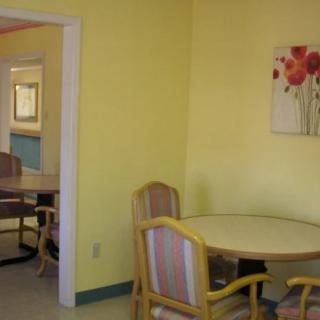
 Dining room
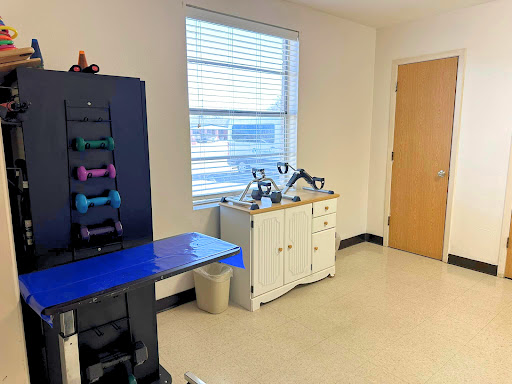
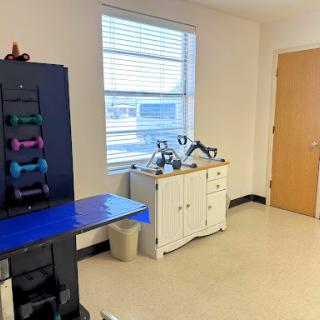
 Fitness room
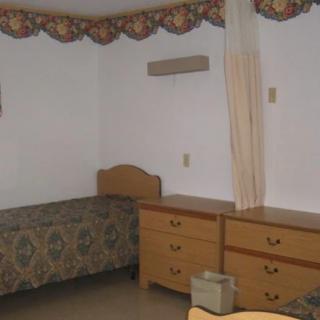
 Fully furnished
 Gaming room
 Garden
 Housekeeping services
 Kitchenette
 Move-in coordination
 Outdoor space
 Private bathrooms
 Restaurant-style dining
 Small library
 Telephone
 Wellness center
 Wi-Fi/high-speed internet available
 Community operated transportation
 12-16 hour nursing
 24-hour call system
 Activities of daily living assistance
 Assistance with bathing
 Assistance with dressing
 Assistance with transfers
 Diabetes diet
 Medication management
 Mental wellness program
 Special dietary restrictions
 Concierge services
 Planned day trips


 Senior Move Management: Understanding the Role, Value, and Associated Costs
 Weight Training for Seniors: Building Strength and Vitality
 Understanding the Sandwich Generation: Stress and Responsibilities for Multigenerational Caregivers