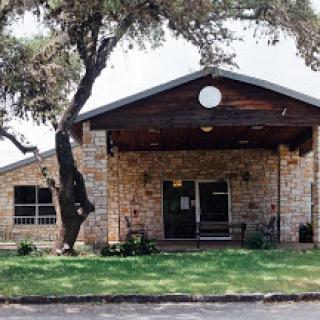



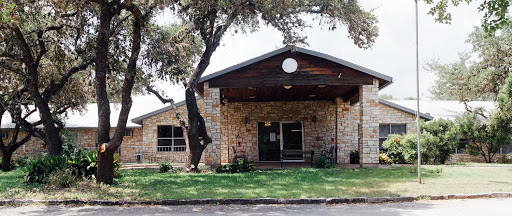
206 Haley Road, Johnson City, TX 78636
For more information about senior living options: (866) 208-4318
Lbj Medical Center Costs & Pricing
At Lbj Medical Center, the monthly costs for various room types reflect a competitive pricing structure when compared to both Blanco County and the broader state of Texas. For semi-private accommodations, the center aligns its rate with Blanco County at $4,758, which is significantly higher than the state average of $3,680. Similarly, private rooms at Lbj Medical Center are priced at $5,709, matching the local rate but exceeding Texas's average of $4,096. This pricing trend may indicate a focus on providing enhanced services or amenities that cater to patient needs within this region. Overall, while Lbj Medical Center maintains parity with county costs for room types, it stands at a premium compared to statewide averages.
| Floor plans | Lbj Medical Center | Blanco County | Texas |
|---|---|---|---|
| Semi-Private | $4,758 | $4,758 | $3,680 |
| Private | $5,709 | $5,709 | $4,096 |
Overall Review of Lbj Medical Center
Pros
 LBJ's physical therapy staff provide unfailing support, encouragement, and expertise that help patients walk again.
- The staff at LBJ are amazing, kind, and caring.
- The facility is described as home-town caring at its finest.
- The center has wonderful, amazing staff.
- The staff deliver excellent customer service and genuinely care for residents.
- The facility is very clean, with friendly, helpful personnel.
- Families feel safe and supported, and their loved ones are happy and thriving under LBJ's care.
- LBJ's staff personally know their residents and treat them with individual attention.
Cons
 The facility is described as the absolute worst nursing facility in Texas, with no caring or compassion.
- There are very few activities for residents, and staff often sit around rather than engage with them.
- Staffing ratios are consistently inadequate, leading to poor continuity of care.
- Communication with families is nonexistent, and the facility’s phone is rarely answered.
- Resident rights violations are numerous, and staff are disrespectful to residents and their families.
- Some staff are abusive and steal residents’ food, clothes, and personal belongings.
- Nurses do not appear competent and treat residents rudely; some residents do not receive prescribed medications or nutritious meals, receiving junk food instead.
- A significant portion of staff only speak Spanish, limiting communication with many residents and families.
Review
LBJ Medical Center in Johnson City, TX is best suited for families prioritizing robust rehabilitative care, especially physical therapy, delivered in a warm, locally oriented environment. The facility earns praise for a rehab-focused team that can translate hard work into meaningful mobility gains, with specific stories of residents making noticeable progress under dedicated therapists. For families seeking a place where staff appear genuinely invested in residents’ day-to-day well-being and personal progress, LBJ offers a tangible sense of a “home-town” care culture, where therapists and caregivers are frequently described as patient, encouraging, and capable of sustained improvement.
At the same time, there are clear reasons to consider alternatives. Several reviews raise serious red flags about consistency, staffing stability, and the overall attentiveness of nursing care. Reports of frequent agency nurses, insufficient staffing ratios, and a lack of continuity in care threaten reliability and timely responsiveness. Additional concerns touch on food quality and temperature, the breadth and frequency of activities, and the effectiveness of communication with families. For families whose non-negotiables include predictable staffing, rigorous nutrition standards, and transparent, proactive family updates, the choice to explore other facilities is prudent.
The strongest justification for LBJ hinges on the rehabilitation program and the compassionate daily care described by families. The top-tier PT and rehab staff are credited with real, measurable progress, for example, residents who arrive unable to walk can gain walking capacity with support and encouragement from skilled therapists. The care team’s kindness and the personalized attention residents reportedly receive create a sense of safety and connection that families notice and value. Cleanliness and a generally welcoming environment further bolster confidence that, in the context of rehab-focused goals, LBJ can deliver tangible benefits.
However, the recurrences of negative feedback cannot be dismissed. Some reviewers characterize LBJ as the least desirable option in the region, citing abusive behavior, food that fails to meet nutritional needs, and a revolving door of agency nurses that disrupt continuity of care. Relative to the positive stories, these accounts suggest a pattern of gaps in basic resident rights, communication, and reliable oversight. The harshest language implies potential safety and trust issues that would give any family pause, especially when a loved one requires consistent monitoring and respectful, accountable administration. In short, the positives in therapy progress do not entirely neutralize the concerns about core nursing care, meal quality, and day-to-day supervision.
For families weighing decision criteria, LBJ’s rehab strengths argue strongly for short- or mid-term stays when mobility restoration is the primary objective and when one can actively monitor and advocate for staffing and nutrition. Prospective residents should be prepared to probe beyond surface comfort: request a meeting with the rehab director to understand standard therapy intensity, daily schedules, and how progress is tracked; speak with the dietary team about meal plans and texture-modified options; and observe a typical shift to gauge staff-to-resident ratios and communication flow. It is essential to ask current residents or family members about how often shifts change, how quickly concerns are escalated, and what mechanisms exist to prevent rights violations and ensure accountability.
Overall, LBJ Medical Center offers a compelling combination of dedicated rehabilitation potential and a caring, home-like atmosphere. That said, the most consequential factors hinge on staffing stability, transparent communication, and the quality and consistency of meals and activities. If these levers can be reliably managed through proactive oversight and a clear escalation process, LBJ presents a strong option for families prioritizing mobility gains and personal attention. If not, the meaningful backing of rehabilitation may be overshadowed by ongoing struggles with care continuity and basic daily needs, making alternatives with steadier staffing and firmer administration a wiser default.
 60 resident community capacity
 Skilled Nursing Facility
 Air-conditioning
 Beauty salon
 Cable or satellite TV
 Computer center
 Dining room
 Fitness room
 Fully furnished
 Gaming room
 Garden
 Housekeeping services
 Kitchenette
 Move-in coordination
 Outdoor space
 Private bathrooms
 Restaurant-style dining
 Small library
 Telephone
 Wellness center
 Wi-Fi/high-speed internet available
 Community operated transportation
 12-16 hour nursing
 24-hour call system
 Activities of daily living assistance
 Assistance with bathing
 Assistance with dressing
 Assistance with transfers
 Diabetes diet
 Medication management
 Mental wellness program
 Special dietary restrictions
 Concierge services
 Planned day trips






 Nurturing Our Elders: Linda's Journey of Supporting Her Mother
 A Comprehensive Exploration of Common Misunderstandings about Powers of Attorney
 Senior Move Management: Understanding the Role, Value, and Associated Costs