For more information about senior living options: (866) 208-4318
3.5 from 122 reviews
5 stars
64
4 stars
10
3 stars
9
2 stars
3
1 stars
36
Overall Review of Memorial City Health And Rehabilitation Center
common
Staff care is consistently mixed
Residents and families describe both very caring moments and serious communication problems with staff.
Many reviewers say the staff is caring, professional, and responsive, with repeated praise for specific nurses, therapists, and activities team members. Several other reviews describe the opposite experience—slow response to call lights, ignored concerns, and a lack of empathy during medical or personal-care situations. Taken together, residents seem to have widely different day-to-day experiences depending on who they interact with and when those needs come up.
differentiator
Rehab and therapy stand out
Physical and occupational therapy are frequently described as a main reason people see progress.
A strong thread in the reviews is praise for therapy—people describe the physical therapy and occupational therapy teams as effective, supportive, and encouraging. There are also negative accounts where reviewers feel medical follow-through or wound care was missing, but even in those cases, therapy is repeatedly referenced as either better than other parts of care or a key driver of improvement. This matches the facility’s focus as a skilled nursing/rehabilitation center.
common
Activities help residents stay busy
Scheduled activities and an active activities director are part of what residents and families notice most.
Multiple reviews credit the activities team for keeping residents engaged, describing group activities, exercise, games, and residents staying busy throughout the day. Some reviewers connect the change directly to how much more a loved one could do compared with earlier living situations. Even when other parts of care were criticized, activities were still mentioned as a bright spot by several families.
caveat
Food quality gets mixed feedback
Dining draws uneven reactions, ranging from praise to complaints about temperature and satisfaction.
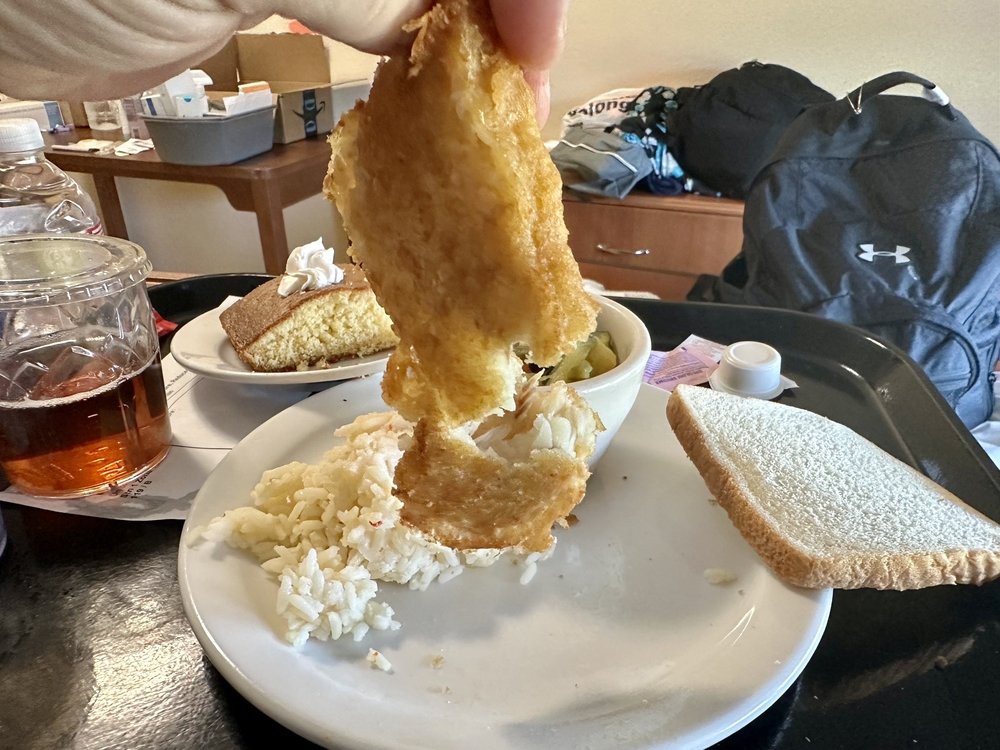
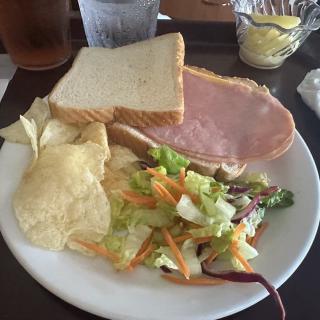
Some reviewers say the food is good and even mention desserts, while others complain it is delivered cold or is otherwise not satisfying. A few comments also suggest food is prepared with patient needs in mind, aligning with the community’s diet and special-diet approach. Overall, dining appears to be inconsistent across residents’ experiences.
caveat
Cleanliness and pests raise concerns
Several reviews report cleanliness problems, including pests and unsanitary conditions.
A number of negative reviews mention roaches and infestations, describing rooms as disgusting and difficult to live in. Other critiques broaden beyond pests to unsanitary conditions such as dirty areas and inadequate supplies for personal care. Positive reviews also exist that mention the facility being clean, so the reports are split rather than uniform.
How we summarize
We summarize when many written reviews mention each theme; a review can touch several themes, and only frequently mentioned themes are displayed.
Features
Housing
187 resident community capacity
Types of Care
Skilled Nursing Facility
Amenities
Air-conditioning
Beauty salon
Cable or satellite TV
Computer center
Dining room
Fitness room
Fully furnished
Gaming room
Garden
Housekeeping services
Kitchenette
Move-in coordination
Outdoor space
Private bathrooms
Restaurant-style dining
Small library
Telephone
Wellness center
Wi-Fi/high-speed internet available
Transportation
George Bush Intercontinental (17 miles away)
William P X (18 miles away)
Community operated transportation
Transportation arrangement
Transportation arrangement (non-medical)
Transportation to doctors appointments
Care Services
12-16 hour nursing
24-hour call system
24-hour supervision
Activities of daily living assistance
Assistance with bathing
Assistance with dressing
Assistance with transfers
Diabetes diet
Meal preparation and service
Medication management
Mental wellness program
Special dietary restrictions
Dining
Diabetes diet
Special dietary restrictions
Activities
Community-sponsored activities
Concierge services
Fitness programs
Planned day trips
Resident-run activities
Scheduled daily activities
Nearby Places of Interest
Restaurants
Ciro's Italian Grill (0.9 miles)
Guadalajara Hacienda (1 miles)
Whataburger (1.3 miles)
The Cheesecake Factory (1.4 miles)
Goode Co. Seafood - Katy Freeway (1.7 miles)
Feges BBQ (1.9 miles)
Pappadeaux Seafood Kitchen (2.1 miles)
Cafes
Starbucks (1.1 miles)
Starbucks (2.3 miles)
Starbucks (3.4 miles)
Starbucks (3.9 miles)
Nara Cafe (4.3 miles)
Panera Bread (4.5 miles)
Cafe Layal (4.6 miles)
Pharmacies
CVS Pharmacy (1.1 miles)
Walgreens (1.2 miles)
CVS Pharmacy (1.3 miles)
Walgreens (2.2 miles)
Walgreens (2.4 miles)
CVS Pharmacy (2.4 miles)
CVS Pharmacy (2.5 miles)
Physicians
Allergy & ENT Associates: Kancherla Vikas S MD (1.2 miles)
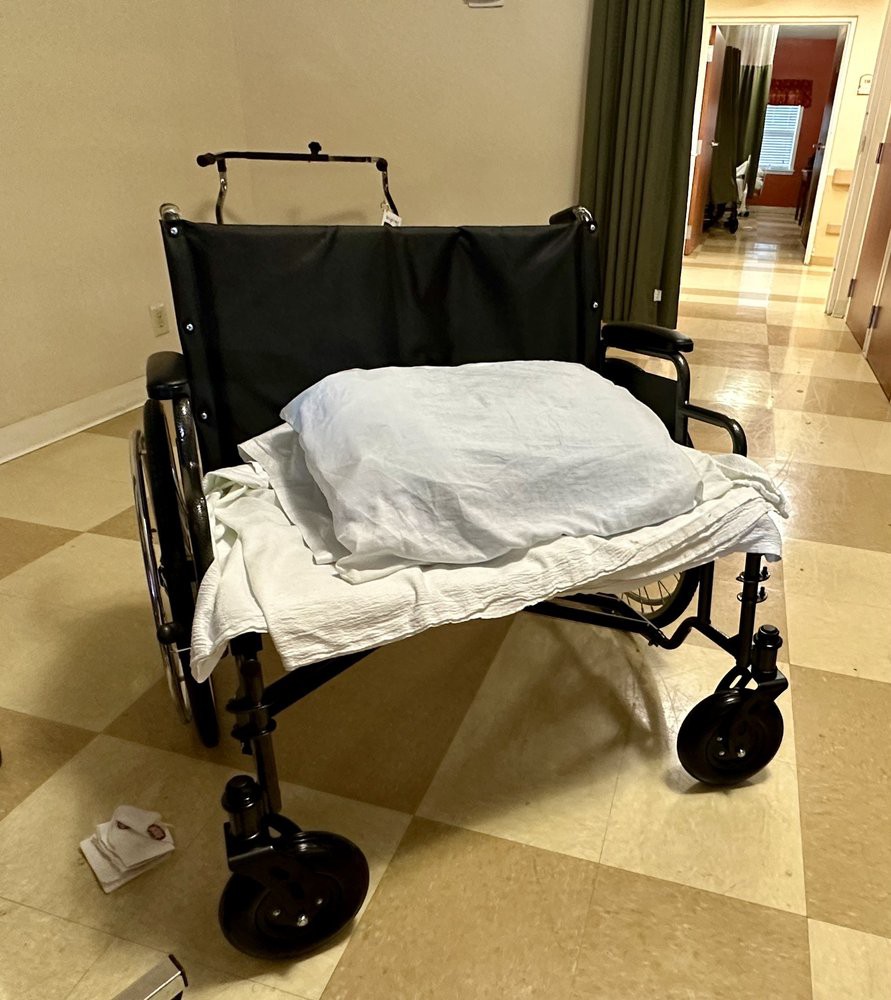
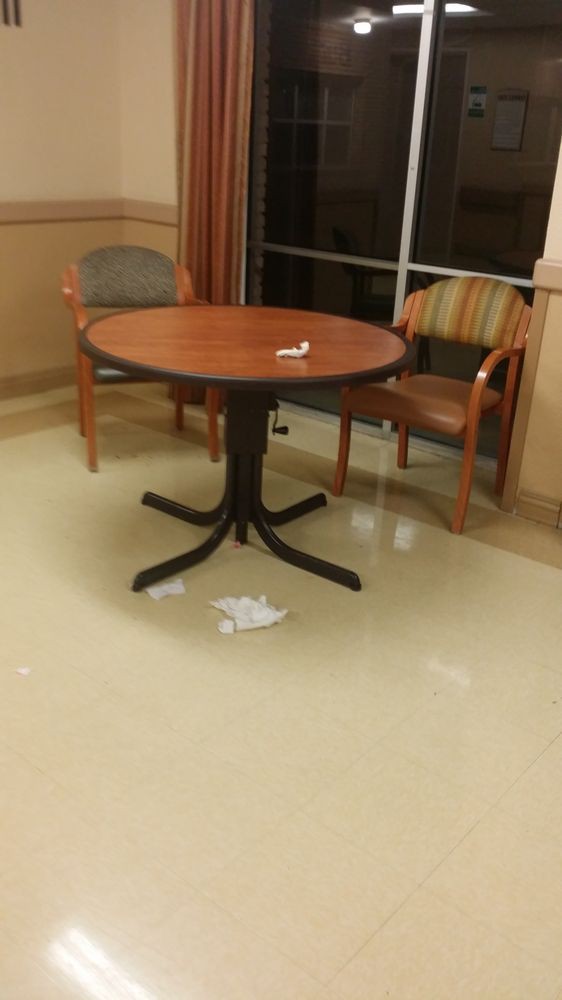
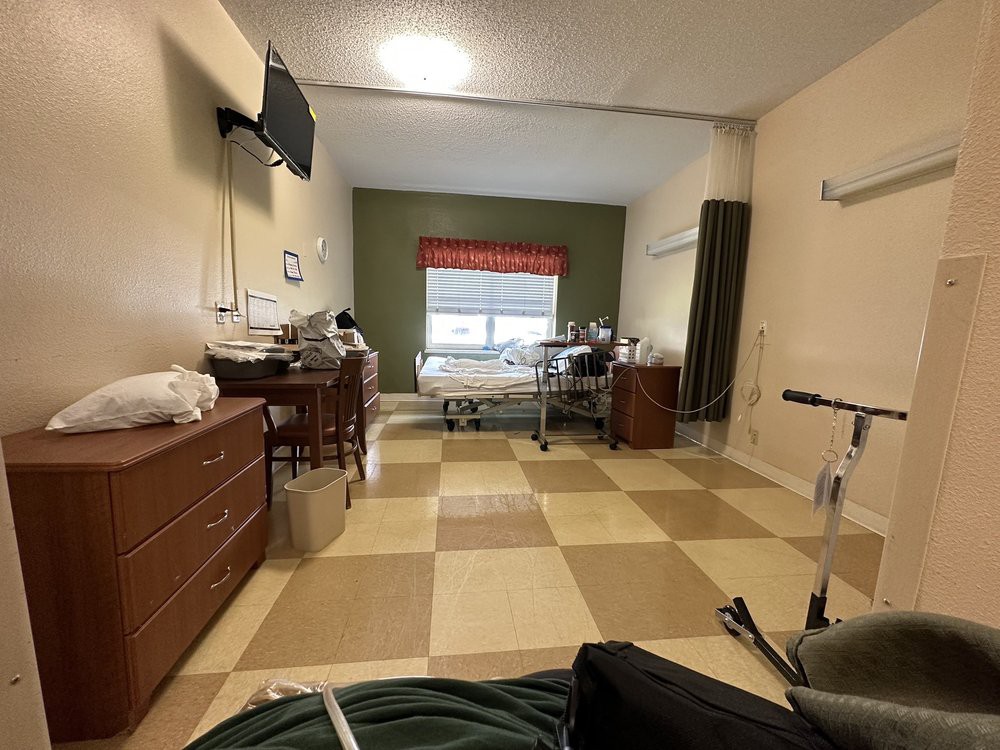
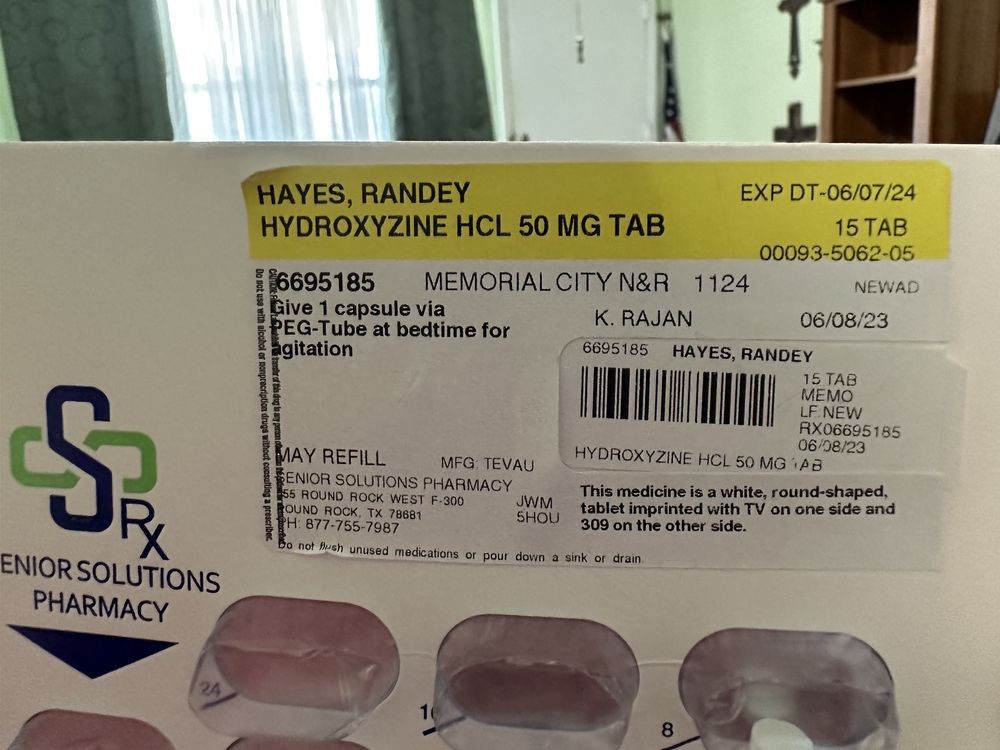
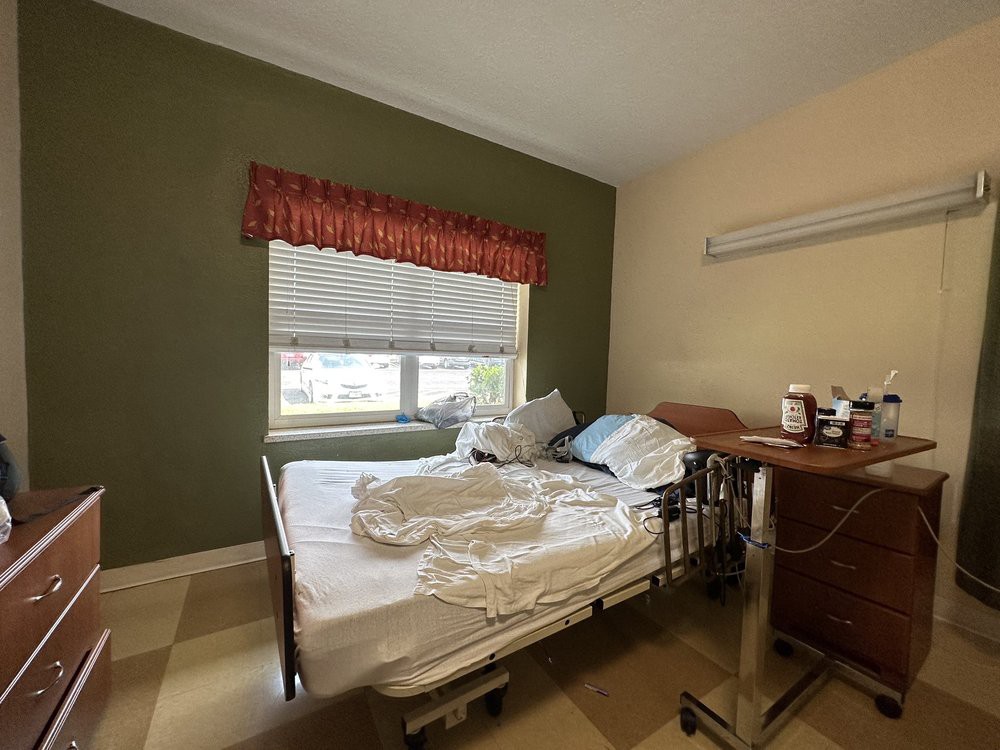
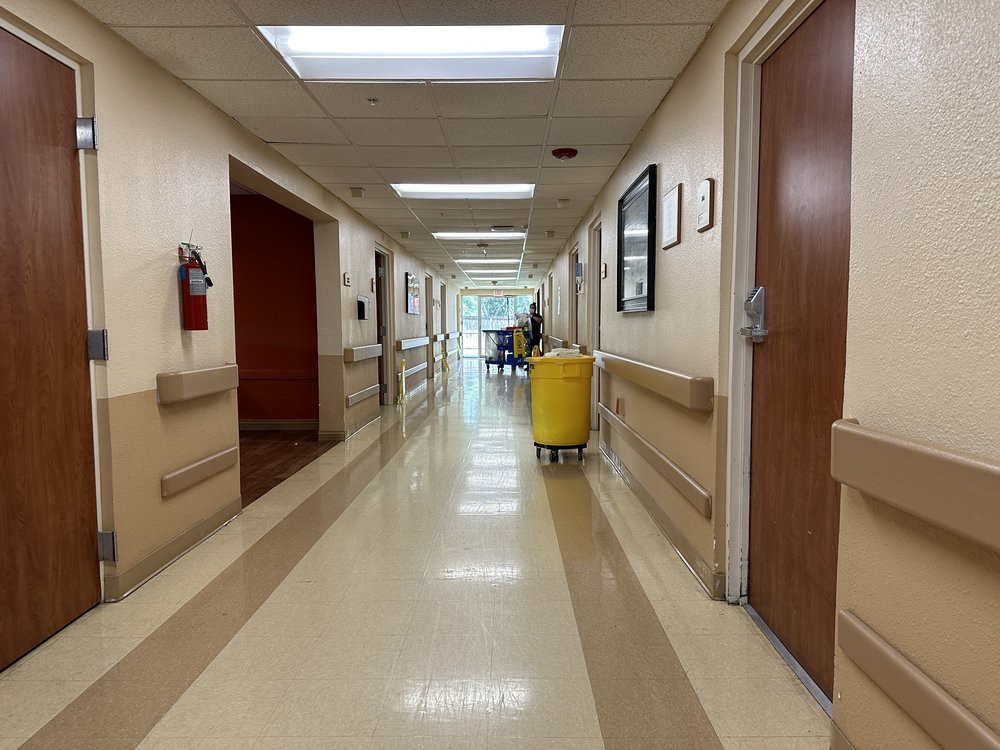
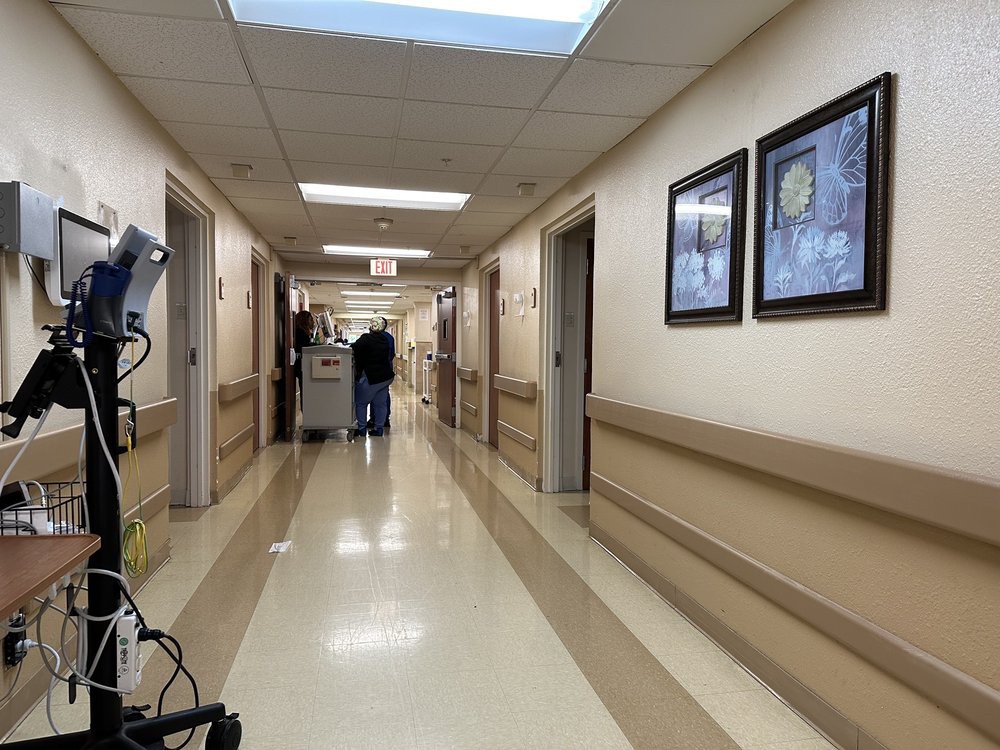
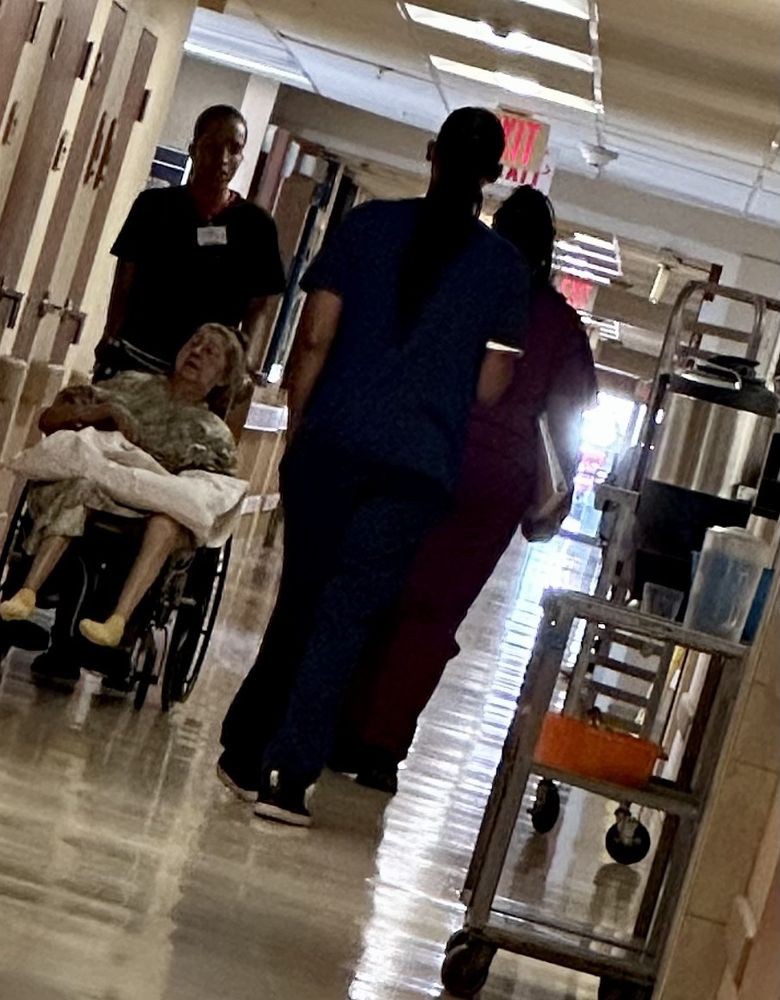
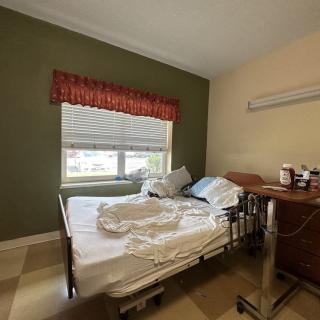
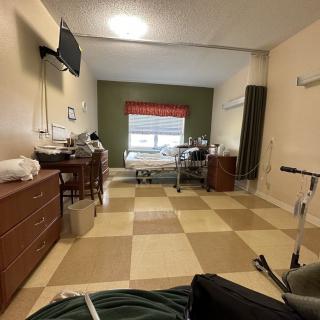
Memorial City Health And Rehabilitation Center on seniors.fyi includes 11 photos including images showing interior, healthcare, windows, dining, hallway, wheelchair, television, nurse, and more.
Nearby Communities
Village Healthcare Ctr
Houston, TX
3.6 from 108 reviews
Clean facility with dedicated staff.
New Frontier Home Health
Houston, TX
5 from 8 reviews
Strong access to nearby healthcare, dining, worship, and entertainment amenities.
Golden Friends Home
Houston, TX
Strong access to nearby cafes, pharmacies, physicians, restaurants, theaters, and places of worship, supporting independent living.
Brookdale Memorial City
Houston, TX
4.5 from 178 reviews
$2,235 to $4,405 / month
Friendly staff, well-kept grounds, and engaging activities.
Spring Branch - Oak Forest Care Homes I
Houston, TX
3.9 from 8 reviews
$1,900 to $2,100 / month
Caring, attentive staff in a warm, home-like setting with good meals.
Woodridge Nursing & Rehabilitation - Houston
Houston, TX
2.8 from 4 reviews
Comprehensive amenities and 24/7 support
Tranquility Personal Care Home
Houston, TX
4.6 from 11 reviews
Caring, attentive staff in a clean, family-run setting with homestyle meals.
Emerson Pines
Houston, TX
4 from 140 reviews
$900 to $1,295 / month
Friendly staff, clean, spacious apartments, and a range of on-site activities and dining options.
Park Shadows Retirement Community
Houston, TX
4.4 from 11 reviews
Strong access to nearby cafes, parks, pharmacies, restaurants, theaters, and a hospital.
Elder law attorneys assist older adults and their families with legal matters such as estate planning, Medicaid eligibility, and guardianships, while also providing protection against elder abuse. They help navigate complex regulations to safeguard financial resources, ensure well-being, and maintain autonomy for seniors.
Caregiving for an aging parent entails emotional and financial responsibilities accompanied by significant tax implications, including potential benefits from claiming them as dependents and deductions for medical expenses and caregiving costs. Caregivers must understand eligibility requirements, maintain thorough documentation, and consider consulting a tax professional to navigate these complexities effectively.
Low-impact exercises are vital for seniors as they promote health, independence, and social interaction while reducing joint strain. These adaptable activities, guided by healthcare professionals, enhance strength, flexibility, and emotional well-being.
Memorial City Health And Rehabilitation Center photos
×
Interior
Windows
Dining
Hallway
Healthcare
Wheelchair
Nurse
Interior
Bedroom
Dining
Windows
Television
Healthcare
Hallway
Wheelchair
Nurse
Additional Photos
Get PricingAsk A QuestionSchedule A TourContact Senior Advisor
By clicking submit, you agree to our Partner's Terms of Use. You
also consent to receive calls and texts, which may be autodialed, from our Partner. Your consent is not a condition to
using our Partner's service. Please visit our Partner's Privacy Policy for information about their privacy practices.






 187 resident community capacity
 Skilled Nursing Facility
 Air-conditioning
 Beauty salon
 Cable or satellite TV
 Computer center
 Dining room
 Fitness room
 Fully furnished
 Gaming room
 Garden
 Housekeeping services
 Kitchenette
 Move-in coordination
 Outdoor space
 Private bathrooms
 Restaurant-style dining
 Small library
 Telephone
 Wellness center
 Wi-Fi/high-speed internet available
 George Bush Intercontinental (17 miles away)
 Community operated transportation
 12-16 hour nursing
 24-hour call system
 Activities of daily living assistance
 Assistance with bathing
 Assistance with dressing
 Assistance with transfers
 Diabetes diet
 Medication management
 Mental wellness program
 Special dietary restrictions
 Concierge services
 Planned day trips
 Clean facility with dedicated staff.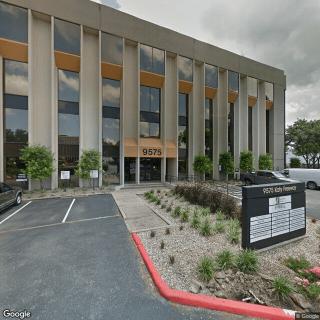



 6 Crucial Ways an Elder Law Attorney Assists Families
 Navigating the Tax Landscape of Caregiving: Credits, Deductions, and Beyond
 Highly Beneficial Low-Impact Exercises for Senior Living Residents