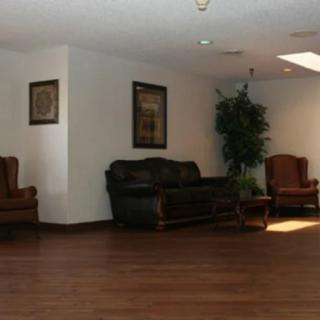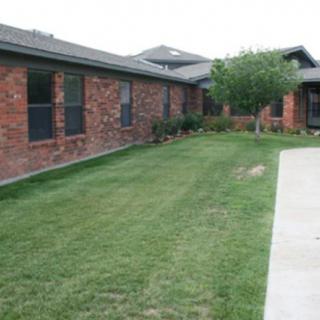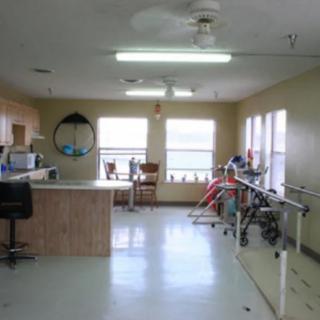
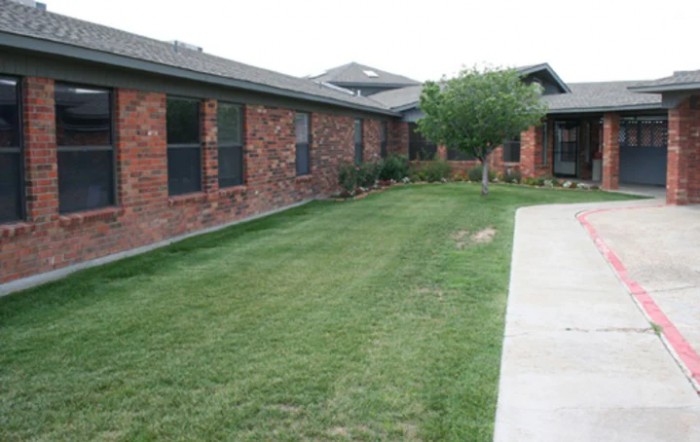
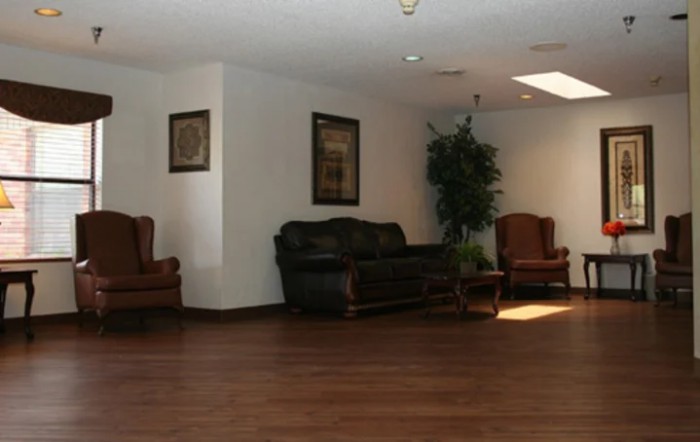
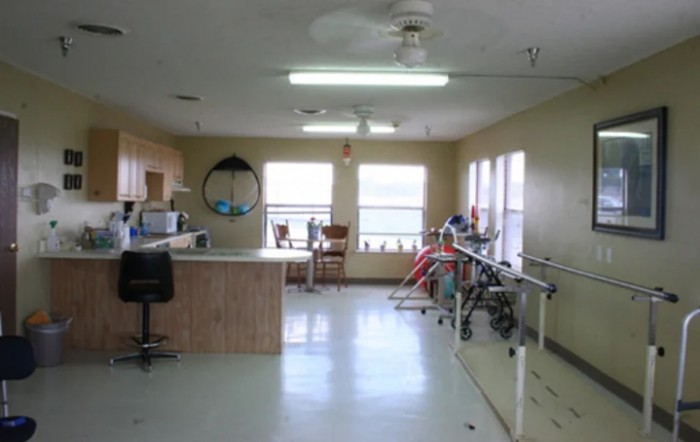
231 Kingwood Street, Hereford, TX 79045
For more information about senior living options: (866) 208-4318
Overall Review of Hereford Nursing & Rehabilitation
Pros
 The staff at Hereford Nursing and Rehab are caring and accommodating.
- They respond to questions about medications promptly, usually within the day.
- The facility keeps rooms and bathrooms clean and launders residents' clothes and blankets.
- Staff assist residents with mobility and personal care, including bathroom needs and diaper changes when needed.
- Meals are flexible, with alternatives offered if something isn’t liked.
- Management is described as amazing, and the center is loved by families for its care.
Cons
 The staff have bad attitudes when asked to do something for the patients.
- The grandmother ended up with bruises on her back and hands.
- They didn’t shower the grandmother and she smelled bad when they visited.
- The food looks like jail food.
- The grandmother could walk and sit up straight, but after one week there she couldn’t.
- The mother was bled dry there and booted once she was on Medicare; the administrator was described as a real dirt bag, and the place would not be recommended.
- The facility was described as a horrible place where they wouldn’t call an ambulance in time, leading to neglect and health issues.
- Most staff were said to be too busy on the phone and talking.
Review
Hereford Nursing & Rehabilitation in Hereford, TX is best suited for families prioritizing practical, hands-on daily support in a setting that emphasizes cleanliness and accessible communication. The community tends to serve residents who need assistance with routine tasks, medication questions, and basic mobility support, especially in a short-term rehab or post-acute phase. Families report that staff respond to questions quickly, keep rooms and bathrooms clean, launder clothes and blankets, and help with bathroom access and incontinence care. The three-times-per-week showers and willingness to accommodate simple dietary tweaks indicate a basic, attentive workflow. This site rewards straightforward expectations with dependable day-to-day functioning and a visible effort from frontline caregivers.
However, prospective residents should consider alternatives if medical oversight and consistency of care are nonnegotiable. Several reviewers raised concerns about uneven attitudes among staff, and a few described experiences suggesting neglect or insufficient emergency responsiveness. Notable alleged issues included bruising without clear explanation, lapses in routine care, and alarming gaps in communication during medicolegal or Medicare-related matters. Families facing chronic health needs, complex medication regimens, or significant mobility and cognitive challenges may require a facility with more uniform staffing discipline and a stronger safety net. Those who prioritize consistently high standards of nutrition and more proactive medical interventions may find better options elsewhere.
On the positives, the staff's care and accommodation are repeatedly highlighted. Reviewers describe a culture of genuine concern where caregivers, including specific day and night nurses, are praised for responsiveness and warmth. Cleanliness and laundry service, assistance with toileting and hygiene, and a structured shower routine suggest reliable day-to-day operations. The willingness to adjust meals, such as providing alternatives when the kitchen dishes aren’t preferred, reflects a practical, resident-focused approach. Management is cited as helpful and engaging by some families, and when families are involved, the facility appears capable of delivering personalized attention. These strengths form a meaningful foundation for rehabilitation and daily life.
Yet the negatives cannot be ignored. Reports of negative attitudes from some staff, insufficient oversight in critical moments, and sensory concerns like smell and perceived neglect capsize the overall impression for many families. Instances where a resident’s condition deteriorated or where basic safety tasks were not performed as expected point to gaps in accountability. The most troubling stories involve urgent health needs being under-communicated or delayed, and wrestling with administrative or Medicare-related decisions. Such accounts erode trust and raise the question whether the facility can consistently deliver the level of safety and proactive medical monitoring necessary for residents with higher acuity or limited ability to advocate for themselves.
These factors create a tension between reasonable daily care and the potential for serious safety lapses. The strong point, responsive, approachable staff and clean, manageable daily routines, can offset minor irritations for residents who only need moderate assistance and whose families can stay closely involved. But for residents with more complex medical needs, higher fall risk, or behavioral/communication challenges, the risk of missed cues and delayed escalation grows. In such cases, exploring facilities with demonstrably stronger nurse staffing, stricter safety protocols, and clearer escalation pathways is prudent. The decision should weigh whether the prevailing culture and operational realities align with the resident’s medical needs and the family’s capacity to supervise.
Before choosing, families should conduct a thorough on-site evaluation, request to speak with the administrator, and review recent state survey results and complaint histories. Ask about nurse-to-patient ratios by shift, therapy availability, meal options, and how emergencies are escalated, including ambulance protocols. Confirm that daily oversight matches the resident’s acuity level and that caregiving teams are consistent in staffing. Consider a trial period if offered, and set clear expectations for communication timelines and family involvement. If the facility can demonstrate reliable safety, respectful staff, and predictable clinical oversight, it becomes a solid choice for short-term rehab with a clear path to independence. If not, alternatives deserve serious consideration.
 120 resident community capacity
 Skilled Nursing Facility
 Air-conditioning
 Beauty salon
 Cable or satellite TV
 Computer center
 Dining room
 Fitness room
 Fully furnished
 Gaming room
 Garden
 Housekeeping services
 Kitchenette
 Move-in coordination
 Outdoor space
 Private bathrooms
 Restaurant-style dining
 Small library
 Telephone
 Wellness center
 Wi-Fi/high-speed internet available
 Community operated transportation
 12-16 hour nursing
 24-hour call system
 Activities of daily living assistance
 Assistance with bathing
 Assistance with dressing
 Assistance with transfers
 Diabetes diet
 Medication management
 Mental wellness program
 Special dietary restrictions
 Concierge services
 Planned day trips




 Navigating Medicare Coverage for In-Home Care Services
 In-Home Care Costs in 2025: A Detailed State-by-State Exploration
 Understanding Home Health Care: A Comprehensive Guide