201 E 15th St, Friona, TX 79035
To contact a resident: (806) 250-5599
For more information about senior living options: (866) 208-4318
Friona Heritage Estates Costs & Pricing
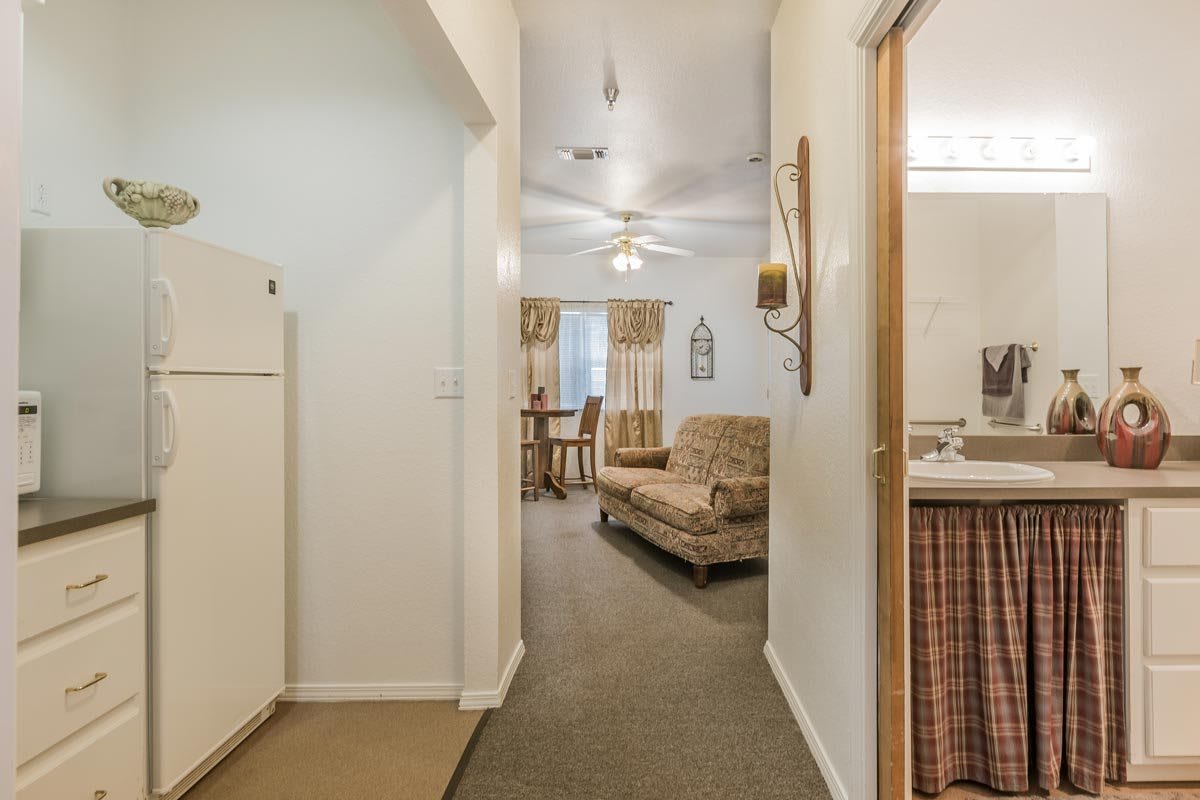
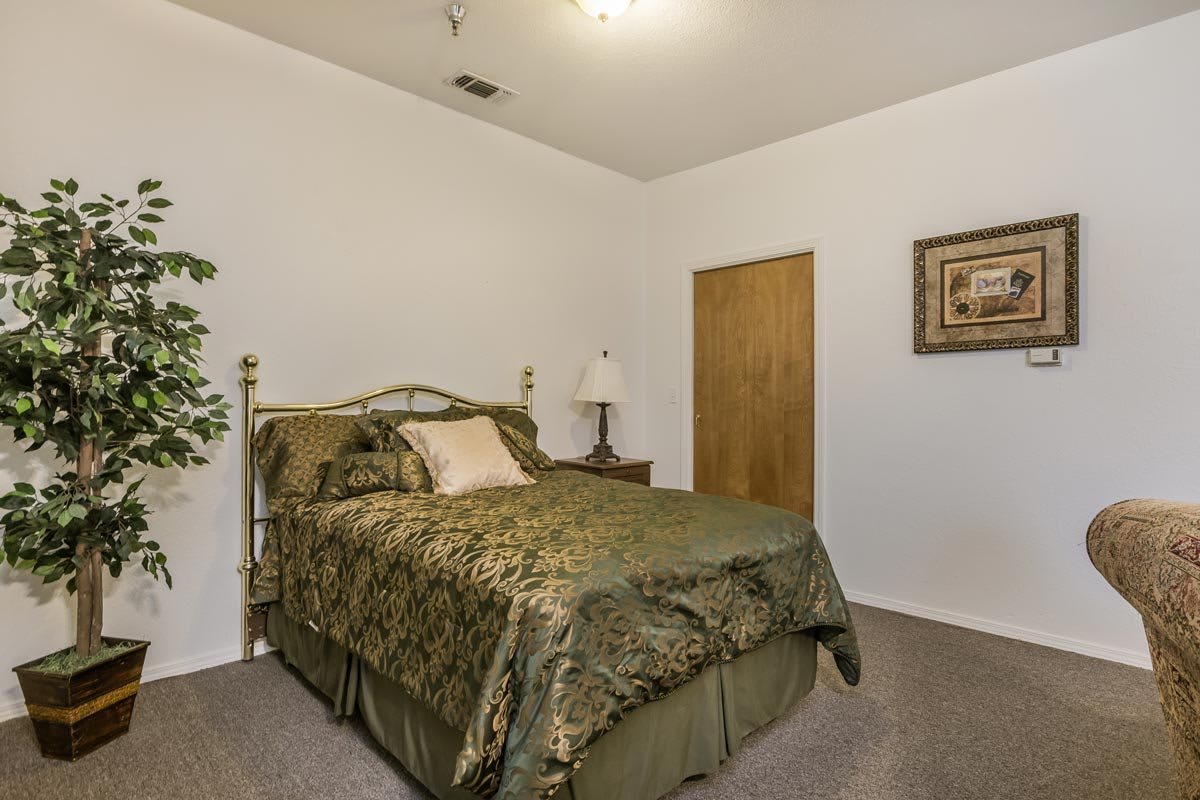
Friona Heritage Estates offers a competitive pricing structure for its studio accommodations, with a monthly cost of $2,678 that aligns perfectly with the average for Parmer County. This pricing is particularly attractive when compared to the broader Texas market, where similar studio options can reach upwards of $3,758. By providing a more affordable alternative within the county, Friona Heritage Estates not only caters to local residents looking for quality housing but also positions itself as a budget-friendly option in the state's landscape. Overall, it strikes a balance between cost and value that appeals to potential residents seeking comfortable living arrangements without compromising their financial well-being.
| Floor plans | Friona Heritage Estates | Parmer County | Texas |
|---|---|---|---|
| Studio | $2,678 | $2,678 | $3,758 |
Assisted Living communities with a similar price nearby
-
from -$178 / mo

Kings Manor Methodist Retirement System
$2,500 / month21.6 miles away
Overall Review of Friona Heritage Estates
Pros
 The service is good.
- The food is good.
- Everything is good.
- It is a pretty good deal and more affordable.
Cons
 They minimized the activities because of COVID.
- Activities were reduced because of COVID.
- The level of activities was scaled back due to COVID.
Review
Friona Heritage Estates is best suited for budget-conscious seniors who want dependable daily care in a modest, community-focused setting. It appeals to families seeking predictable routines, solid daytime service, and meals that residents describe as satisfactory. A notable feature for many residents is a faith-friendly programming thread, with Bible-study opportunities that create a comforting, familiar rhythm to the day. In short, this community delivers reliable basics in a small-town frame, at a price that keeps out-of-pocket costs reasonable.
Those who crave a broad menu of enrichment activities, frequent social events, or specialized rehabilitative services will want to explore other options. The strength here lies in steadiness and affordability, not in opulent accommodations or elaborate programming. For seniors who want highly varied daily calendars, off-site excursions, pet therapy, or structured memory-care activities, the scene elsewhere will likely feel more robust. Families should consider whether a quieter, more focused lifestyle fits the resident’s personality and energy level.
From a decision-making perspective, the strongest positives are the quality of care indicated by steady service, the palatable dining experience, and the financial practicality that makes long-term residency feasible. When care needs are straightforward and day-to-day routines are the priority, dependable staff performance translates into less stress for families and more consistency for residents. The availability of faith-based gatherings can provide meaningful social and spiritual connection for residents who value that dimension, complementing daily care with a sense of community and belonging.
These strengths do not erase the trade-offs. The most visible constraint is a lean activity program, which limits opportunities for social interaction, mental stimulation, and diverse hobbies. For residents who measure quality of life by the breadth of programming or by frequent events, this limitation can feel like a deficiency relative to peers. The affordability becomes most meaningful when the resident’s tolerance for repetition in programming and preference for a calm, predictable day aligns with personal temperament. If independence needs evolve into more intensive assistance or more complex recreation needs, the gap will widen and prices elsewhere may justify the trade-off.
Practical steps for families: arrange a face-to-face tour and request an up-to-date calendar of activities, meals, and staffing patterns; speak with care coordinators about licensure, on-site clinicians, and how memory or mobility needs are supported; verify transportation options for appointments and errands; assess cleanliness, safety protocols, and the level of resident autonomy allowed within the culture of the facility. If possible, ask about a trial stay or short-term respite to gauge fit before a longer commitment. Collect input from current residents or families, and compare with nearby communities that tout more robust programming or higher-end amenities.
Bottom line: Friona Heritage Estates stands as a solid, practical choice for seniors who prize dependable care, satisfactory meals, and a budget-friendly path to aging in place. It suits residents who value consistency, a quieter day-to-day rhythm, and faith-centered engagement. For families prioritizing active social calendars, a wide range of enrichment activities, or advanced rehabilitative services, alternatives should be pursued with a careful side-by-side comparison of cost versus quality of life.
 16 resident community capacity
 Assisted Living
 Board and Care Home
 Dogs allowed
 Activities on-site
 Air-conditioning
 Beautician on-site
 Cable or satellite TV
 Devotional services off-site
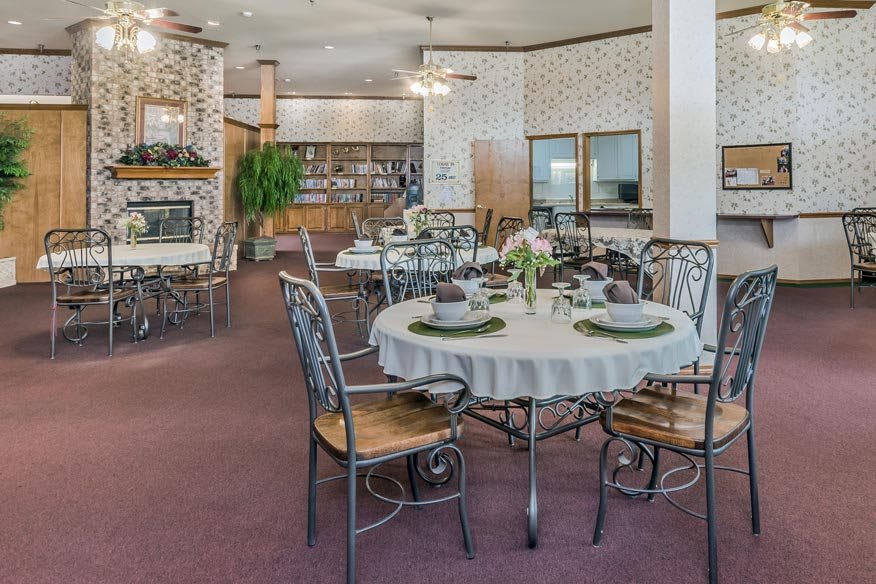
 Dining room
 Fully furnished
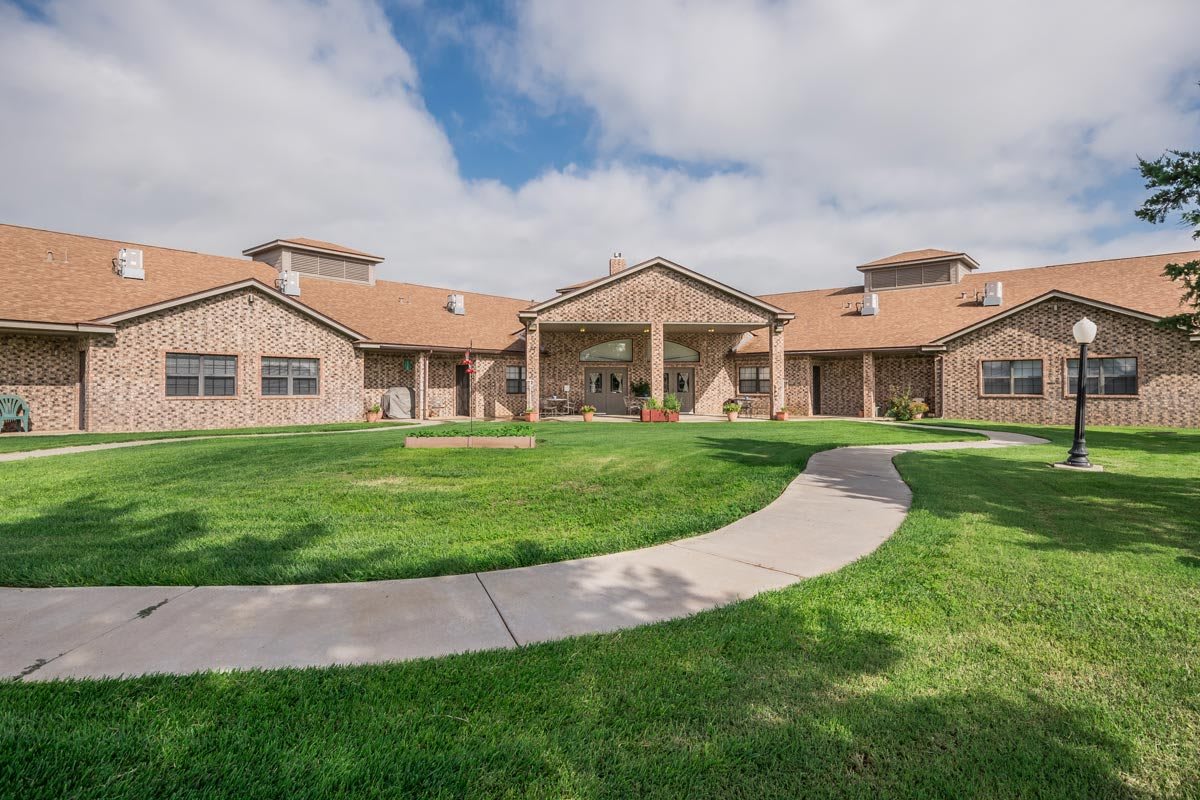
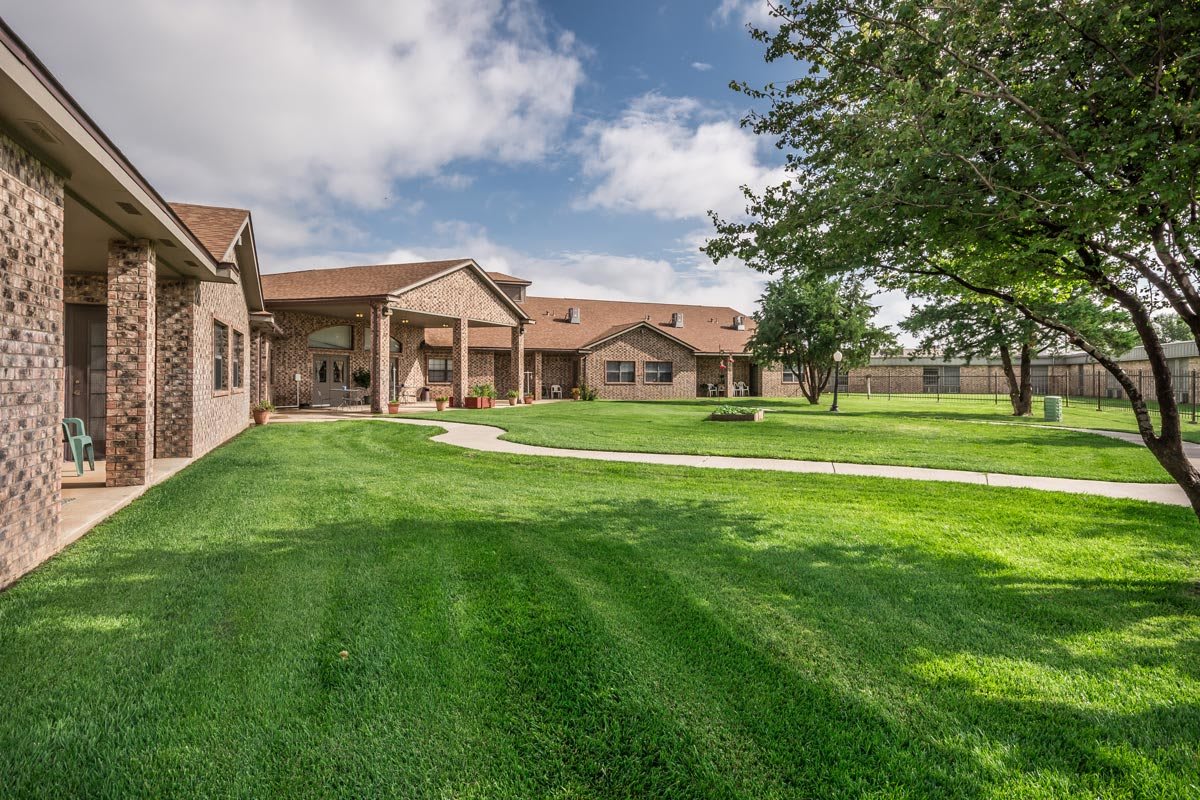
 Garden
 Ground floor units
 Housekeeping services
 Indoor common areas
 Kitchenette
 Move-in coordination
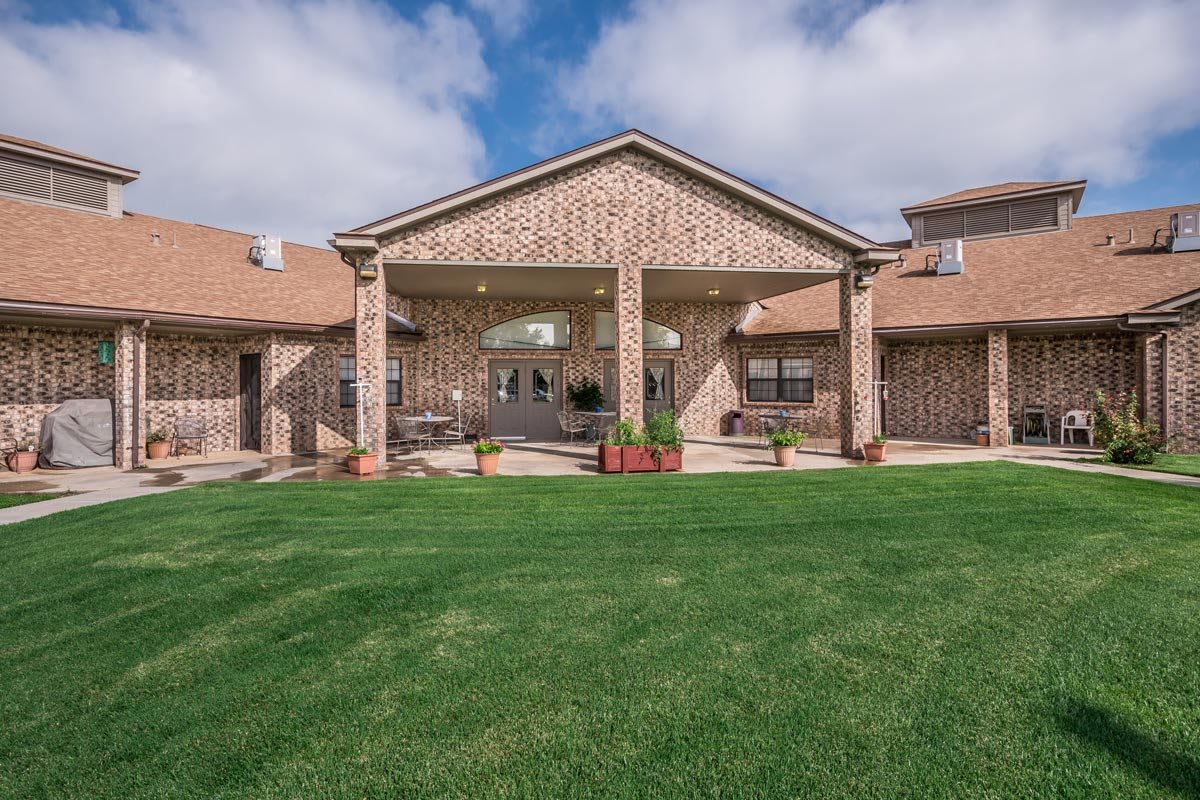
 Outdoor common areas
 Respite or short term stays offered
 Telephone
 Wheelchair accessible showers
 Wi-Fi/high-speed internet available
 24-hour supervision
 Ambulatory care
 Assistance with bathing
 Assistance with dressing
 Assistance with transfers
 Diabetes diet
 Diabetic care
 Meal preparation and service
 Medication management
 Special dietary restrictions
 Transportation arrangement (medical)
 Transportation to doctors appointments
 BBQs or picnics
 Birthday parties
 Cooking classes
 Day trips and outings
 Educational speakers / life long learning
 Stretching classes
 Trivia games



 8 Key Indicators That Suggest It May Be Time to Transition from Assisted Living to Skilled Nursing Care
 Vibrant Senior Living: A Comprehensive Guide for Active Older Adults
 When to Transition from Assisted Living to Memory Care: Key Indicators, Steps, and Finding the Right Community