Victoria Gardens Of Frisco

Save

Victoria Gardens Of Frisco

Information last verified:

10700 Rolater Drive, Frisco, TX 75035

For more information about senior living options: (844) 490-3973

3.8 from 110 reviews
5 stars
67
4 stars
10
3 stars
3
2 stars
9
1 stars
21

Seniors.FYI Elite Community Awards

Top 5% Senior Living Community in 2018

Add this award to your website

Victoria Gardens Of Frisco Costs & Pricing

Victoria Gardens of Frisco offers competitive pricing for its accommodations in comparison to both Denton County and the broader Texas market. The cost for a semi-private room at Victoria Gardens is $3,600 per month, which is notably lower than the county average of $3,871 and aligns closely with the state average of $3,680. For those seeking more privacy, the monthly rate for a private room stands at $5,100, which is higher than Denton County's average of $4,161 and exceeds the Texas state average of $4,096. Overall, while Victoria Gardens maintains an attractive price point for semi-private rooms, its private room offerings are positioned at a premium relative to regional norms.

Floor plansVictoria Gardens Of FriscoDenton CountyTexas
Semi-Private$3,600$3,871$3,680
Private$5,100$4,161$4,096

Overall Review of Victoria Gardens Of Frisco

Pros

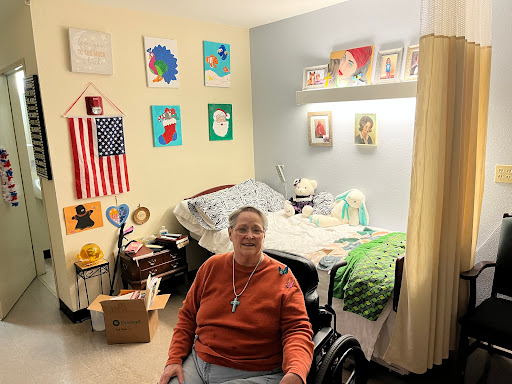
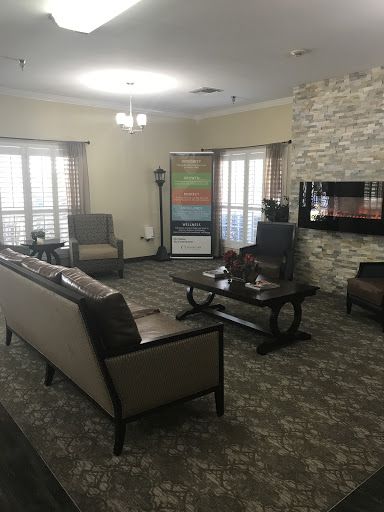
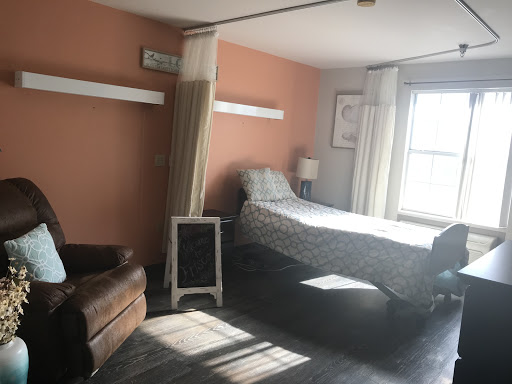
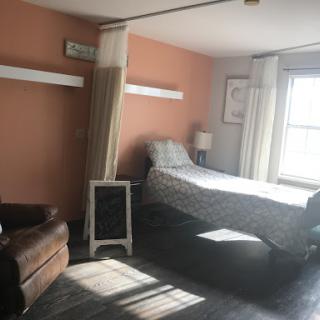
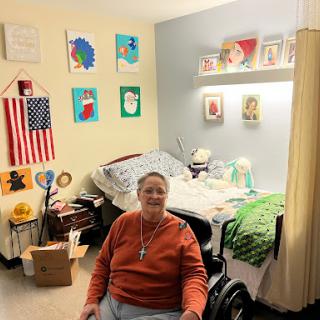
  • pro They describe Victoria Gardens as bright, clean, and welcoming with a homey atmosphere.
  • pro They praise Kandi as a wonderful Admissions Director who is responsive and genuinely cares about residents.
  • pro They note the staff are friendly, patient, and dedicated to helping residents and families.
  • pro They commend the therapists and nursing staff as outstanding and attentive.
  • pro They highlight the memory care program as safe, supportive, and well managed.
  • pro They appreciate the administration for being proactive and communicative with families.
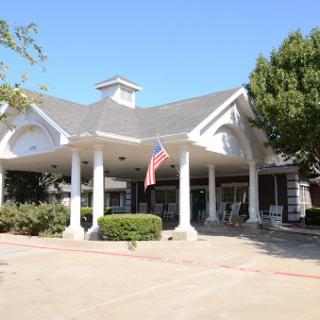
  • pro They mention the renovations as beautiful and the building as well-maintained and pleasant.
  • pro They often describe the facility and its caregivers as a God-send, providing compassionate care.

Cons

  • pro The reviews describe entering Victoria Gardens Frisco as like stepping into one of Dante's circles of hell.
  • pro They allege the staff routinely over-medicate residents as a means of control.
  • pro They report unresponsiveness, with staff not responding to cries for help and often not assisting residents.
  • pro They state residents were left sitting in their own urine for extended periods, indicating neglect and unsafe supervision.
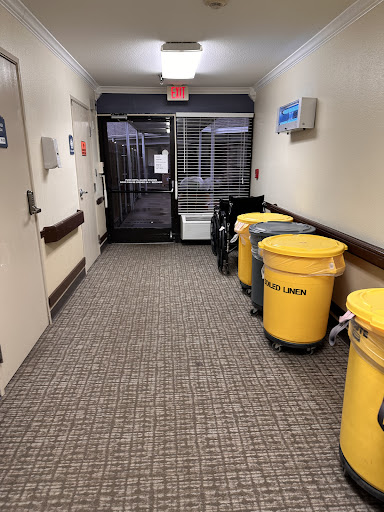
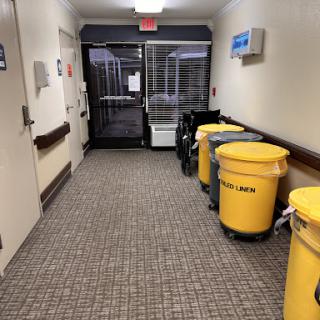
  • pro They characterize the facility as dirty with musty odors, outdated equipment, and slow response times (call bells often unanswered).
  • pro They say the administration is cold and rude, sometimes threatening to involve police over complaints.
  • pro They claim communication with families is severely lacking, with critical medical orders not carried out and updates not provided.

Review

Victoria Gardens of Frisco is best suited for families pursuing a skilled-nursing level of care with strong memory-care programming and a rehabilitative focus, where active family engagement and a transparent admissions process are expected parts of care. The community tends to shine for residents requiring structured rehab services and dementia care, with a track record of warm admissions staff, on-site therapy, and a bright, home-like atmosphere. Those who prize a facility that can coordinate Medicare stays and coordinate transitions from hospital to rehab to long-term care will find the strongest alignment here. However, the community is not a universal fit. Families seeking flawless, consistent day-to-day reliability across every shift and a spotless safety track record may want to consider alternatives with a quieter, more uniform staffing pattern and fewer documented lapses in care.

On the positive side, Victoria Gardens earns traction for its appealing environment and practical, hands-on approach from several staff leaders. Tour-ready features include a recently renovated, cheerful campus that smells pleasant and feels welcoming, together with clean rooms and well-maintained common spaces. A common thread across many accounts is the dedication of admissions staff, Kandi in particular, who coordinate tours, clarify coverage, and keep families informed. The administration, including Michael, is frequently praised for being hands-on and focused on moving residents smoothly through the care ladder. Therapy teams, physical, occupational, and speech, are repeatedly described as engaged and effective, with residents making observable progress and routines that emphasize movement and activity rather than passive waiting in rooms. The overall sense is that Victoria Gardens can deliver a full continuum of care in a single campus, with an emphasis on meaningful daily activities and a person-centered approach.

Yet the chorus of caution cannot be ignored. A substantial portion of reviews paints a troubling portrait of inconsistent care and safety risks. Reported issues range from long-standing concerns about response times and call-light accessibility to episodes of dehydration, uncontrolled pain medication, and residents left unattended for extended periods. Some families recount sharp fluctuations in staff availability and noticeable turnover, which can complicate continuity of care and family trust. There are accounts of residents falling or deteriorating while under supervision, plus feedback from families upset by communication gaps, perceived hesitancy from leadership, and disputes over medical decisions or discharge planning. The weight of these concerns makes it clear that, for some residents, risk factors related to staffing and care management are nontrivial and demand aggressive, ongoing family oversight.

To make sense of the mix, the key question is whether the community’s strengths can offset its weaknesses through proactive oversight and careful care-planning. When a family can partner with a responsive admissions team, insist on clearly documented care plans, and demand regular, scheduled updates from a dedicated nurse or case manager, the positives, therapy intensity, activity engagement, bright environment, and cohesive transitions, can carry real value. Victoria Gardens does exhibit a culture of striving to keep residents moving and engaged, and several stories highlight residents regaining energy and enjoying life thanks to attentive therapists and supportive aides. For memory care, the combination of a structured setting and purposeful programming can be beneficial, provided caregivers stay vigilant about monitoring symptoms, nutrition, hydration, and behavioral triggers. These advantages are most tangible in well-coordinated, communication-driven care partnerships.

The decision framework for families becomes practical quickly. If memory care or rehabilitation is the priority, and there is the bandwidth to supervise care closely, Victoria Gardens can be a strong fit. Prospective residents should request to meet the head of rehabilitation, demand a written, evidence-based care plan, and confirm the frequency of interdisciplinary team conferences. Families should also verify staffing patterns for evenings and weekends, ask about fall prevention measures, and specifically review how pain and medication management are handled. The admissions team’s willingness to assist with Medicare stays, equipment coordination (such as walkers and seating aids), and problem-solving across shifts is a meaningful asset, one that can bridge gaps that might otherwise appear in less integrated facilities. In short, the facility can deliver meaningful, goal-oriented care, but only when a family actively negotiates and monitors every facet of the plan.

For families weighing alternatives, Victoria Gardens should be a frontrunner only if the secondary option does not offer comparable access to therapy, dementia-focused programming, or an admissions team that remains responsive under pressure. Consider facilities with a more uniform staffing narrative, smaller-scale memory-care neighborhoods, or proven track records for consistently timely call-light response and transparent communication. It is crucial to visit multiple times, request to speak with current residents and families, and directly observe shifts in the building, not just outcomes on glossy tours. Ask about recent changes in leadership and how those changes have affected daily operations. Look for evidence of proactive maintenance, clear meal planning, and a culture where frontline staff feel supported rather than overwhelmed. If these elements line up better elsewhere, alternative options will likely deliver greater peace of mind.

Ultimately, Victoria Gardens of Frisco offers a compelling mix of warmth, activity, and rehabilitative potential for the right family, one that can deliver notable gains in function and well-being when care is closely managed and communication is consistently robust. The best-fit resident is the one whose family can backstop care with disciplined oversight, insist on concrete care plans, and remain engaged with staff to ensure timely, compassionate responses to every need. Those who cannot accept variability in daily care, who demand unwavering safety and perfect responsiveness, should proceed with caution or explore other communities with stronger, more uniform safety pedigrees. For the right combination of engaged families, resident goals, and a rehabilitative mindset, Victoria Gardens of Frisco stands as a viable, even attractive, choice, provided the care plan is actively shaped and fiercely protected by those advocating on the resident’s behalf.

Features

Housing

  • 118 resident community capacity 118 resident community capacity

Types of Care

  • Skilled Nursing Facility Skilled Nursing FacilitySkilled Nursing Facilities are crucial for seniors as they provide round-the-clock medical care, rehabilitation services, and assistance with daily activities. These facilities ensure that seniors receive the specialized care they need to maintain their health and well-being as they age.

Amenities

  • Air-conditioning Air-conditioningAir conditioning is important for seniors as they are more vulnerable to heat-related illnesses and may have underlying health conditions that make it difficult for them to regulate their body temperature. It helps to keep them comfortable, safe, and healthy in hot weather.
  • Beauty salon Beauty salonBeauty salons are important for seniors because they provide a space for them to feel pampered, socialize, and maintain their personal grooming and hygiene. Regular visits to a beauty salon can help boost seniors' self-esteem and overall well-being.
  • Cable or satellite TV Cable or satellite TVCable or satellite TV is important for seniors because it provides entertainment, news, and companionship, helping to combat loneliness and boredom. It also offers a wide range of programming options tailored to different interests and preferences.
  • Computer center Computer centerA computer center is essential for seniors as it provides access to technology, communication tools, and resources that can enhance their daily lives. It allows them to stay connected with loved ones, engage in online activities, and learn new skills, ultimately promoting socialization and mental stimulation.
  • Dining room Dining roomDining rooms are important for seniors as they provide a space for socialization, connection, and nutritious meals. They offer opportunities for residents to bond over shared meals, foster a sense of community, and promote healthy eating habits. Dining rooms also ensure that seniors have access to well-balanced meals tailored to their dietary needs and preferences.
  • Fitness room Fitness roomHaving a fitness room in a senior living community is essential for seniors to stay active, maintain their physical health, and improve their overall well-being. Regular exercise can help prevent falls, reduce the risk of chronic diseases, and promote mental sharpness. It also provides social opportunities for residents to connect with others and enjoy a sense of community.
  • Fully furnished Fully furnishedFully furnished senior living communities are important for seniors because they provide convenience, comfort, and a hassle-free moving experience. Seniors can easily settle into their new living space without the stress of having to buy and move furniture. This allows them to focus on enjoying their new home and community.
  • Gaming room Gaming roomGaming rooms are important for seniors as they provide a fun and engaging environment for socializing, cognitive stimulation, and physical activity. Games can improve memory, problem-solving skills, and overall mental well-being while fostering friendships and reducing feelings of isolation.
  • Garden GardenGardens are important for seniors as they provide a peaceful and therapeutic environment for relaxation, physical activity, and socialization. Being in nature has been shown to reduce stress, improve mood, and promote overall well-being. Gardens also offer opportunities for seniors to engage in gardening activities, which can improve mobility, flexibility, and cognitive function. Additionally, gardens create a sense of community and connection with others who share a passion for plants and outdoor spaces.
  • Housekeeping services Housekeeping servicesHousekeeping services are important for seniors because they help maintain a clean and safe living environment, promote independence, and reduce the risk of accidents or illnesses. Additionally, having assistance with household chores can alleviate physical strain and allow seniors to focus on other aspects of their well-being.
  • Kitchenette KitchenetteKitchenettes are important for seniors living in senior living communities because they provide the convenience and independence of being able to prepare simple meals and snacks in the comfort of their own living space. This can help promote a sense of autonomy and well-being for seniors, allowing them to maintain some level of control over their dietary choices and daily routines.
  • Move-in coordination Move-in coordinationMove-in coordination is important for seniors because it helps ease the transition into their new living environment. It ensures that all logistics, such as packing, organizing movers, and setting up utilities are taken care of, allowing seniors to focus on settling in and adjusting to their new home. Having a smooth move-in process can alleviate stress and anxiety, making the transition smoother and more enjoyable for seniors.
  • Outdoor space Outdoor spaceOutdoor spaces are important for seniors as they provide opportunities for physical activity, social interaction, exposure to natural light and fresh air, and a sense of connection to nature. Having access to outdoor spaces can improve overall well-being and quality of life for older adults living in senior communities.
  • Private PrivatePrivacy is important for seniors as it allows them to maintain their independence, dignity, and sense of control over their own lives. It also gives them the space and freedom to relax, reflect, and engage in activities that bring them joy and fulfillment. Creating private spaces within senior living facilities is crucial for promoting overall well-being and quality of life.
  • Private bathrooms Private bathroomsPrivate bathrooms are important for seniors in senior living communities because they provide independence, dignity, and comfort. Having a private bathroom allows seniors to maintain their personal hygiene routines without the need for assistance, promoting a sense of autonomy and privacy. Additionally, private bathrooms help prevent the spread of infections and provide a safe and clean environment for seniors to navigate safely.
  • Restaurant-style dining Restaurant-style diningRestaurant-style dining is important for seniors because it allows them to enjoy delicious, nutritious meals in a social and upscale setting. This enhances their dining experience, promotes healthy eating habits, and fosters socialization with fellow residents, ultimately contributing to their overall well-being and quality of life.
  • Small library Small librarySmall libraries are important for seniors as they provide access to a variety of reading materials, including books, newspapers, and magazines. This can help stimulate their minds, keep them engaged, and provide a sense of community through book clubs and other social activities. Additionally, reading has been shown to improve cognitive function and overall mental well-being in older adults.
  • Telephone TelephoneTelephones are important for seniors as they provide a lifeline for communication with loved ones, emergency services, and healthcare providers. They offer a sense of security and independence, enabling seniors to stay connected and access assistance when needed.
  • Wellness center Wellness centerWellness centers are important for seniors because they offer a variety of programs and services that promote physical, mental, and emotional well-being. These centers provide opportunities for exercise, socialization, education, and relaxation, helping seniors maintain their overall health and quality of life.
  • Wi-Fi/high-speed internet available Wi-Fi/high-speed internet availableWi-Fi/high-speed internet is important for seniors to stay connected with loved ones, access online resources, and participate in virtual activities to combat feelings of loneliness and isolation. It also allows them to easily manage healthcare needs, access entertainment, and engage in lifelong learning opportunities.

Transportation

  • Dallas Love (21 miles away) Dallas Love (21 miles away)
  • Dallas-Fort Worth International (22 miles away) Dallas-Fort Worth International (22 miles away)
  • Community operated transportation Community operated transportationCommunity operated transportation is crucial for seniors as it provides them with the means to access essential services, social activities, and medical appointments. It allows seniors to maintain their independence and quality of life by ensuring they can participate in activities outside of their homes. Additionally, community-operated transportation services offer a safe and reliable way for seniors to travel without having to rely on family or friends for assistance.
  • Transportation arrangement Transportation arrangementTransportation arrangements are crucial for seniors as they may face challenges with driving, mobility, or access to public transportation. Having reliable transportation services ensures that seniors can easily attend appointments, social activities, and maintain their independence and quality of life.
  • Transportation arrangement (non-medical) Transportation arrangement (non-medical)Transportation arrangements are essential for seniors as they provide access to essential services, activities, and social interactions outside the home. This service helps maintain independence, mobility, and overall well-being for seniors who may have limited transportation options.
  • Transportation to doctors appointments Transportation to doctors appointmentsTransportation to doctors appointments is crucial for seniors as it ensures they have access to necessary medical care and support, promoting their health and well-being. It allows them to receive timely treatment, monitor existing conditions, and address any new health concerns efficiently. Additionally, transportation services can help seniors maintain their independence and quality of life by enabling them to stay connected with their healthcare providers.

Care Services

  • 12-16 hour nursing 12-16 hour nursing12-16 hour nursing care is crucial for seniors in order to ensure around-the-clock monitoring, timely medication administration, and prompt response to any health concerns or emergencies. This level of care helps to promote the overall well-being and safety of seniors living in senior living communities.
  • 24-hour call system 24-hour call system24-hour call systems are important for seniors because they provide peace of mind and immediate assistance in case of emergencies. This technology ensures that help is always available, promoting safety and security for elderly individuals living alone or in assisted living facilities.
  • 24-hour supervision 24-hour supervision24-hour supervision is important for seniors to ensure their safety, well-being, and access to immediate assistance in case of emergencies or health issues. This constant support provides peace of mind for both seniors and their loved ones, allowing them to age in place with dignity and security.
  • Activities of daily living assistance Activities of daily living assistanceActivities of daily living assistance are important for seniors because they provide essential support with tasks such as eating, bathing, dressing, and mobility. This assistance helps seniors maintain their independence, dignity, and overall quality of life as they age.
  • Assistance with bathing Assistance with bathingAssistance with bathing is crucial for seniors as it helps maintain personal hygiene, prevents infections, and ensures their overall well-being and comfort. It also provides a sense of dignity and independence for seniors who may struggle with this task on their own.
  • Assistance with dressing Assistance with dressingAssistance with dressing is important for seniors because it helps maintain their independence, promotes personal hygiene, prevents accidents and injuries, and improves overall quality of life. This service ensures that seniors can continue to dress comfortably and confidently, despite any physical limitations they may have.
  • Assistance with transfers Assistance with transfersAssistance with transfers is crucial for seniors as it helps prevent falls and injuries, maintains their independence, and ensures they can safely navigate their living environment. It also provides peace of mind for both seniors and their loved ones.
  • Diabetes diet Diabetes dietA diabetes diet is crucial for seniors as it helps manage blood sugar levels, reduce risks of complications, and improve overall health and well-being. By following a balanced and nutritious diet tailored to their specific needs, seniors can better control their diabetes and enhance their quality of life.
  • Meal preparation and service Meal preparation and serviceMeal preparation and service are crucial for seniors as they may have limited mobility or energy to cook nutritious meals. Having access to healthy and convenient food options can ensure they are getting the proper nutrition needed to maintain their overall health and well-being.
  • Medication management Medication managementMedication management is crucial for seniors to ensure they are taking the right medications at the correct dosages and times. This helps prevent adverse drug interactions, reduces the risk of medication errors, and promotes overall health and well-being. Proactive management also allows for adjustments as needed based on changing health conditions or new prescriptions.
  • Mental wellness program Mental wellness programMental wellness programs are essential for seniors as they promote cognitive stimulation, emotional support, and social engagement. These programs help prevent isolation, depression, and cognitive decline, ultimately enhancing the overall quality of life for older adults.
  • Special dietary restrictions Special dietary restrictionsSpecial dietary restrictions are important for seniors because age-related changes in metabolism and health conditions can make it difficult for their bodies to process certain foods. By following a diet tailored to their specific needs, seniors can maintain their overall health and well-being, manage chronic conditions, and reduce the risk of complications such as malnutrition or food interactions with medications.

Dining

  • Diabetes diet Diabetes dietA diabetes diet is crucial for seniors as it helps manage blood sugar levels, reduce risks of complications, and improve overall health and well-being. By following a balanced and nutritious diet tailored to their specific needs, seniors can better control their diabetes and enhance their quality of life.
  • Special dietary restrictions Special dietary restrictionsSpecial dietary restrictions are important for seniors because age-related changes in metabolism and health conditions can make it difficult for their bodies to process certain foods. By following a diet tailored to their specific needs, seniors can maintain their overall health and well-being, manage chronic conditions, and reduce the risk of complications such as malnutrition or food interactions with medications.

Activities

  • Community-sponsored activities Community-sponsored activitiesCommunity-sponsored activities are important for seniors as they provide opportunities for social interaction, mental stimulation, and physical activity. These activities can help improve overall well-being, combat loneliness and isolation, and promote a sense of belonging and purpose among older adults.
  • Concierge services Concierge servicesConcierge services are essential for seniors as they provide assistance with daily tasks and errands, enhance their quality of life by offering convenience and personalized care, and promote a sense of safety and security.
  • Fitness programs Fitness programsFitness programs are crucial for seniors as they help improve strength, flexibility, balance, and overall well-being. Staying active can reduce the risk of chronic diseases, improve mental health, and enhance quality of life in older adults.
  • Planned day trips Planned day tripsPlanned day trips are important for seniors because they offer opportunities for socialization, mental stimulation, and physical activity. They provide a change of scenery and help seniors stay engaged and connected to their community, promoting overall well-being and quality of life.
  • Resident-run activities Resident-run activitiesResident-run activities are important for seniors as they encourage social interaction, creativity, and a sense of autonomy. These activities empower seniors to stay engaged and active in their community while fostering meaningful connections with their peers.
  • Scheduled daily activities Scheduled daily activitiesScheduled daily activities are important for seniors because they provide structure, socialization, mental stimulation, and physical activity. Engaging in regular activities can improve overall well-being and quality of life for seniors living in a community setting.

Description

Victoria Gardens of Frisco is an assisted living community located in the vibrant city of Frisco, TX. Our community offers a wide range of amenities and care services to ensure that our residents enjoy a comfortable and fulfilling lifestyle.

Our residents can take advantage of our on-site beauty salon to stay looking their best, and relax in their own fully furnished apartments with private bathrooms. For those who want to stay active, we have a fitness room and outdoor spaces where residents can enjoy nature. Our gaming room and small library provide entertainment options for those who prefer quieter activities.

We understand that transportation is important for our residents, which is why we offer community-operated transportation as well as transportation arrangement services for non-medical needs and doctors' appointments. Our staff is available 24/7 to provide assistance with activities of daily living, transfers, bathing, dressing, medication management, and meal preparation according to special dietary restrictions such as diabetes diets.

At Victoria Gardens of Frisco, we believe in promoting mental wellness. We offer a mental wellness program along with daily scheduled activities that cater to the interests and preferences of our residents. We also organize planned day trips and resident-run activities to keep our community engaged and connected.

Convenience is key at Victoria Gardens of Frisco, with multiple cafes, parks, pharmacies, physicians' offices, restaurants, places of worship, and hospitals located nearby. Residents can enjoy the amenities within our community as well as explore the surrounding area.

With so many amenities and care services available at Victoria Gardens of Frisco, residents can truly feel at home while receiving the support they need. Whether it's enjoying restaurant-style dining in our dining room or accessing Wi-Fi/high-speed internet in our computer center, residents are sure to find comfort and enjoyment in their new home.

Nearby Places of Interest

Places of Worship

  • Hope Fellowship (0.5 miles)
  • St Francis Catholic Church (3 miles)
  • One Community Church (3.1 miles)
  • Gateway Church (3.7 miles)
  • Stonebridge United Methodist Church (5.2 miles)
  • West Frisco Hope Fellowship Site (6 miles)

Pharmacies

  • CVS Pharmacy (1 miles)
  • Walgreens (1 miles)
  • Walmart Pharmacy (1.3 miles)
  • Walgreens (1.7 miles)
  • CVS Pharmacy (2.7 miles)
  • CVS Pharmacy (2.8 miles)
  • CVS Pharmacy (3.2 miles)

Restaurants

  • Chick-Fil-A (1.3 miles)
  • Whataburger (1.6 miles)
  • Andy's Frozen Custard (1.6 miles)
  • Chuy's (2.3 miles)
  • Sonic Drive-In (2.3 miles)
  • Kelly's Craft Tavern (2.6 miles)
  • In-N-Out Burger (2.8 miles)

Cafes

  • Starbucks (1.3 miles)
  • 85C Bakery Cafe (2.3 miles)
  • Starbucks (2.3 miles)
  • Starbucks (3.8 miles)
  • Dutch Bros Coffee (6 miles)
  • Starbucks (6.3 miles)
  • Starbucks (6.4 miles)

Hospitals

  • Baylor Scott & White Medical Center (2 miles)
  • Texas Health Frisco (4.1 miles)

Physicians

  • Cook Children's Pediatrics Collin County (2.3 miles)
  • Collin County Ent (2.6 miles)
  • Bent Tree Family Physicians (2.7 miles)
  • Frisco Medical Village (3.4 miles)
  • Next Step Orthopedics (3.7 miles)
  • Legacy Dermatology (4 miles)
  • North Texas Institute of Neurology & Headache (4 miles)

Parks

  • Twin Creeks Park (3.9 miles)
  • WestRidge Subdivisions (4.4 miles)
  • Windhaven Meadows Park (5.9 miles)
  • Hoblitzelle Park (6.1 miles)
  • Memorial Park (6.4 miles)

Theaters

  • CUT! by Cinemark — Dine-in Theatre, Kitchen & Bar (5.8 miles)

Frequently Asked Questions

How much does it cost to live at Victoria Gardens Of Frisco in Frisco, TX?
Where is Victoria Gardens Of Frisco?
What photos are available for Victoria Gardens Of Frisco in Frisco, Texas?

Nearby Communities

  • J-N-J Home Care Services

    J-N-J Home Care Services

    Frisco, TX

    5 from 22 reviews
     

    pro Convenient access to healthcare, dining, and social amenities in Frisco.


  • Huntleigh Care Homes

    Huntleigh Care Homes

    Frisco, TX

    5 from 3 reviews
     

    pro Intimate 8-bed setting with personalized care, meals, and ADL support.

  • Parsons House Frisco

    Parsons House Frisco

    Frisco, TX

    4.3 from 20 reviews
     

    pro Caring staff in a clean, amenity-rich setting.

  • The Ridge at Frisco

    The Ridge at Frisco

    Frisco, TX

    4.4 from 45 reviews
    $2,999 to $5,534 / month

    pro Competitive pricing for Frisco location with tidy living spaces.

  • La Fontaine Memory Care

    La Fontaine Memory Care

    Frisco, TX

    4.1 from 9 reviews
     

    pro Nice, clean community with friendly staff and engaging activities.

  • The Cottages at Chapel Creek

    The Cottages at Chapel Creek

    Frisco, TX

    4.2 from 71 reviews
    $4,995 to $7,295 / month

    pro Home-like atmosphere with caring staff and engaging activities.

  • Parkview in Frisco

    Parkview in Frisco

    Frisco, TX

    4.3 from 90 reviews
    $2,395 to $3,995 / month

    pro Caring staff and an active, engaging community with plenty of activities.

  • Overture Frisco

    Overture Frisco

    Frisco, TX

    4.5 from 82 reviews
    $1,675 to $4,315 / month

    pro Knowledgeable staff; active community; modern, spacious apartments; convenient Frisco location.

  • HarborChase of Plano

    HarborChase of Plano

    Plano, TX

    4.6 from 151 reviews
    $2,800 to $6,995 / month

    pro Clean, friendly staff with engaging activities and good communication.

Related Resources

  • palliative care at homeComprehensive Insights into Palliative Home Care: What It Is and What to Expect

    Palliative home care focuses on improving the quality of life for individuals with serious illnesses by providing comfort, symptom management, and emotional support in their own homes. This approach includes personalized care plans, regular assessments, and resources for family caregivers, all while prioritizing person-centered treatment that aligns with patients' goals.

  • skilled nursing facility vs nursing homeSkilled Nursing Facilities vs. Nursing Homes: Making Sense of the Differences

    Skilled nursing facilities (SNFs) provide high-level medical care and rehabilitation for short-term recovery, typically covered by Medicare after hospitalization, while nursing homes focus on ongoing custodial care for chronic conditions, mainly funded by Medicaid or private payments. The staffing and regulatory structures differ significantly between the two, necessitating clarity for families in choosing appropriate long-term care options.

  • nursing home costsA Detailed Examination of Nursing Home Costs Across the U.S.
    Nursing home care costs in the U.S. vary significantly based on location, level of care, and amenities, with private room prices ranging from approximately $6,700 to over $30,000 monthly. Families need to explore various payment options and conduct thorough research to manage these expenses effectively.