The Cottages at Chapel Creek offers a range of living options that reflect a premium experience compared to the broader market in Denton County and the state of Texas. For those considering semi-private accommodations, the cost is $4,995 per month, significantly higher than both the county's average of $3,871 and Texas's average of $3,680. Studio apartments are priced at $6,895, which exceeds the local and state averages of $3,974 and $3,758 respectively. Similarly, their one-bedroom units are offered at $7,295, considerably above Denton County's average of $3,749 and Texas's rate of $3,761. These costs suggest that The Cottages at Chapel Creek is positioned as a more upscale option within the region's senior living landscape, likely providing enhanced amenities or services to justify the premium pricing.
Floor plans
The Cottages at Chapel Creek
Denton County
Texas
Semi-Private
$4,995
$3,871
$3,680
Studio
$6,895
$3,974
$3,758
1 Bedroom
$7,295
$3,749
$3,761
Memory care communities with a similar price nearby
Residents describe dementia care as patient, calm, and tailored to needs.
Multiple residents and families describe the community as focused on dementia support, emphasizing patience and respect during daily care. Several reviewers say staff stay calm and adapt as symptoms progress, including during more challenging moments. A number of mentions also connect the memory-care setting to a safer, more comfortable experience than what families saw elsewhere.
common
Caregivers and leadership stay responsive
Families frequently mention attentive caregivers and leaders who follow through.
Across the reviews, residents and families describe staff as caring, respectful, and patient, including during episodes that require hands-on assistance. Many also highlight prompt updates and communication, saying calls and information sharing are handled in a timely way. That said, a smaller set of reviews raises concerns about inconsistent care, including understaffing, turnover, and communication gaps at times.
common
Activities keep people engaged
Reviewers say daily activities help residents stay engaged.
Several families describe scheduled activities every day, including exercises, music, puzzles, and group events. Others mention a desire for more activity variety when residents seem to be sitting for long stretches. Overall, reviews suggest activities are a meaningful part of daily life, with engagement varying by person and staffing levels.
common
Dining is treated like a routine
Meals and dining options come up often in resident experiences.
Many reviewers comment on food quality and nutrition, and a number describe dining as a structured part of the day. Some families appreciate that residents can dine in the dining room, while also being able to work around preferences. The community also offers dining for special dietary needs and guest meals, which aligns with how often diet and meal support are discussed in reviews.
common
Pets and familiar routines matter
Families value that pets can be part of life here.
A set of reviews highlight that the community allows cats and dogs, including keeping pets with residents. Reviewers also describe support for pet care needs and mention outdoor space where families can take dogs. Multiple mentions frame this as important for comfort and continuity after moving into memory care.
caveat
Pricing runs above typical benchmarks
Pricing is described as more expensive than some families expected.
Some reviewers note they thought the community would cost more, while others bring up that shared-room options and higher costs affected decisions. At the same time, the pricing shown for all unit types is above county and state benchmarks, which can make affordability a point families weigh carefully. For budgeting-focused families, the fixed-rate approach mentioned in reviews is presented as a helpful factor.
How we summarize
We summarize when many written reviews mention each theme; a review can touch several themes, and only frequently mentioned themes are displayed.
Features
Housing
90 resident community capacity
Types of Care
Memory Care
Pets
Cats allowed
Dogs allowed
Amenities
Activities on-site
Air-conditioning
Beautician on-site
Beauty salon
Cable or satellite TV
Computer center
Devotional services on-site
Dining room
Fitness room
Fully furnished
Gaming room
Garden
Ground floor units
Handicap accessible
Housekeeping services
Indoor common areas
Kitchenette
Move-in coordination
Outdoor common areas
Outdoor space
Private bathrooms
Respite or short term stays offered
Restaurant-style dining
Small library
Telephone
Wellness center
Wheelchair accessible showers
Wi-Fi/high-speed internet available
Transportation
Dallas Love (20 miles away)
Dallas-Fort Worth International (21 miles away)
Community operated transportation
Transportation arrangement
Transportation arrangement (non-medical)
Transportation to doctors appointments
Care Services
12-16 hour nursing
24-hour call system
24-hour supervision
Activities of daily living assistance
Ambulatory care
Assistance with bathing
Assistance with dressing
Assistance with transfers
Diabetes diet
Diabetic care
Incontinence care
Meal preparation and service
Medication management
Mental wellness program
Mild cognitive impairment
Special dietary restrictions
Specialized memory care programming
Dining
Diabetes diet
Guest meals
Low / no sodium
Meals provided
No Sugar
Professional chef
Room service
Special dietary restrictions
Special dining programs
Vegetarian
Activities
Art classes
Brain fitness
Catholic services
Community-sponsored activities
Concierge services
Cooking classes
Devotional activities on-site
Fitness programs
Karaoke
Live dance or theater performances
Live musical performances
Live well programs
Planned day trips
Protestant services
Resident-run activities
Scheduled daily activities
Stretching classes
Visiting chaplain or priest
Nearby Places of Interest
This part of Frisco, Texas offers a convenient and diverse array of amenities for those considering senior living. With a variety of restaurants such as Whataburger, Chuy's, and Chick-Fil-A nearby, residents have numerous dining options to choose from. Pharmacies like Walgreens and CVS Pharmacy are also easily accessible for any medication needs. Places of worship including Hope Fellowship and Gateway Church provide spiritual support for those seeking a community. Various healthcare facilities like Bent Tree Family Physicians and Legacy Dermatology are located within a short distance for medical care. Additionally, parks such as Windhaven Meadows Park and Twin Creeks Park offer opportunities for outdoor recreation and relaxation. Overall, this area provides a well-rounded living environment with easy access to essential services and recreational activities suitable for seniors looking to settle down in Frisco.
Restaurants
Whataburger (0.7 miles)
Andy's Frozen Custard (1 miles)
Chuy's (1.4 miles)
Chick-Fil-A (1.5 miles)
Sonic Drive-In (1.6 miles)
Kelly's Craft Tavern (1.7 miles)
In-N-Out Burger (2 miles)
Pharmacies
Walgreens (0.8 miles)
CVS Pharmacy (0.9 miles)
Walmart Pharmacy (1.3 miles)
CVS Pharmacy (1.8 miles)
CVS Pharmacy (2.6 miles)
Walgreens (2.7 miles)
CVS Pharmacy (3.2 miles)
Places of Worship
Hope Fellowship (1.3 miles)
Gateway Church (2.1 miles)
St Francis Catholic Church (3.2 miles)
One Community Church (4.5 miles)
West Frisco Hope Fellowship Site (4.6 miles)
Physicians
Bent Tree Family Physicians (1.4 miles)
Collin County Ent (1.4 miles)
North Texas Institute of Neurology & Headache (2.3 miles)
Legacy Dermatology (2.3 miles)
Frisco Medical Village (2.6 miles)
Cook Children's Pediatrics Collin County (3.2 miles)
Dallas Associated Dermatologists (4.2 miles)
Cafes
85C Bakery Cafe (1.5 miles)
Starbucks (3.1 miles)
Starbucks (3.1 miles)
Starbucks (3.5 miles)
Starbucks (5.2 miles)
Panera Bread (5.4 miles)
Hospitals
Baylor Scott & White Medical Center (2.7 miles)
Texas Health Frisco (3.8 miles)
Texas Health Presbyterian Hospital Plano (6 miles)
Parks
Windhaven Meadows Park (5.1 miles)
Twin Creeks Park (5.1 miles)
Coyote Creek Park (5.4 miles)
Shoreline Trail & Dog Run (5.6 miles)
Arbor Hills Nature Preserve (6 miles)
WestRidge Subdivisions (6 miles)
Theaters
Cinemark (5.6 miles)
CUT! by Cinemark — Dine-in Theatre, Kitchen & Bar (6.1 miles)
The Cottages at Chapel Creek offers a range of living options that reflect a premium experience compared to the broader market in Denton County and the state of Texas. For those considering semi-private accommodations, the cost is $4,995 per month, significantly higher than both the county's average of $3,871 and Texas's average of $3,680. Studio apartments are priced at $6,895, which exceeds the local and state averages of $3,974 and $3,758 respectively. Similarly, their one-bedroom units are offered at $7,295, considerably above Denton County's average of $3,749 and Texas's rate of $3,761. These costs suggest that The Cottages at Chapel Creek is positioned as a more upscale option within the region's senior living landscape, likely providing enhanced amenities or services to justify the premium pricing.
The Cottages at Chapel Creek employs a comprehensive suite of features designed to support residents with dementia or Alzheimer's disease effectively. With 24-hour supervision, residents receive continuous monitoring, which ensures their safety and immediate assistance when needed. Activities of daily living assistance, including help with bathing, dressing, and transfers, promote dignity while providing necessary support for tasks that may become challenging. Brain fitness activities stimulate cognitive function, while incontinence care ensures comfort and hygiene. Meal preparation and service are tailored to meet dietary needs, enhancing nutrition and enjoyment during mealtimes. Medication management is critical for maintaining health routines without confusion. The mental wellness program further addresses emotional well-being through tailored interventions. Those experiencing mild cognitive impairment benefit from specialized memory care programming that focuses on individualized cognitive exercises designed to slow progression and maintain engagement with meaningful activities throughout the day.
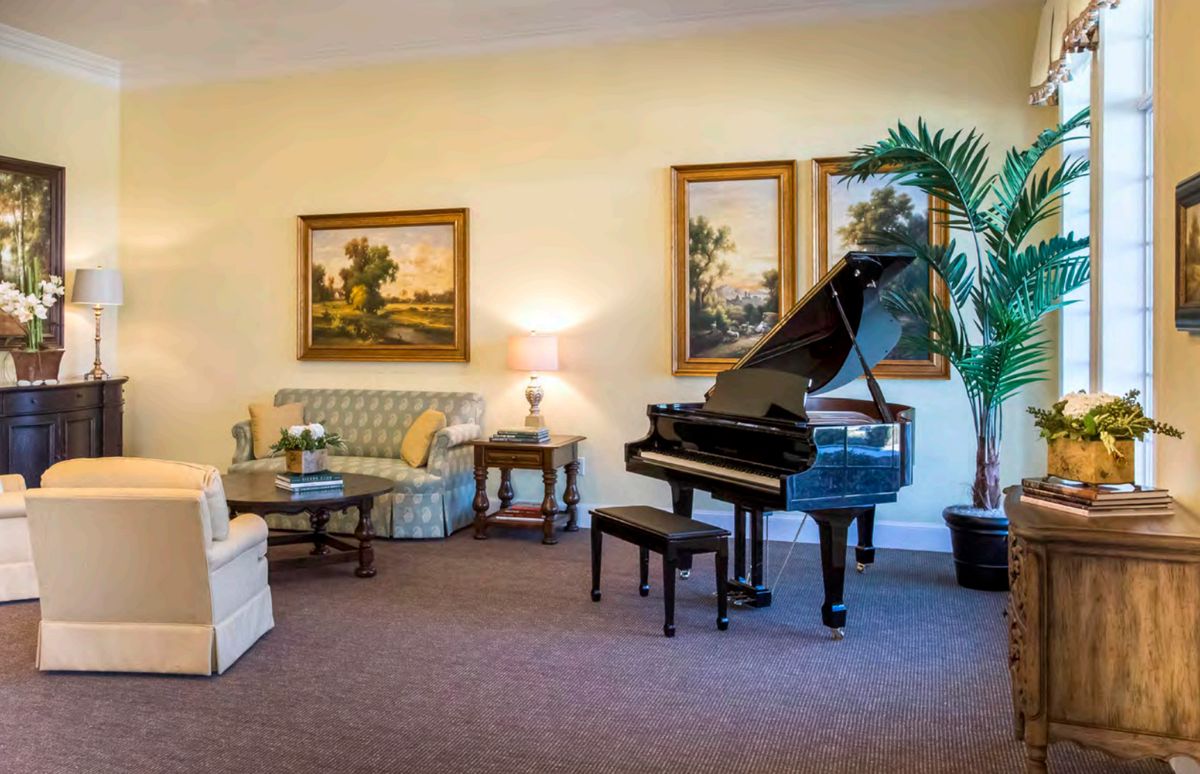
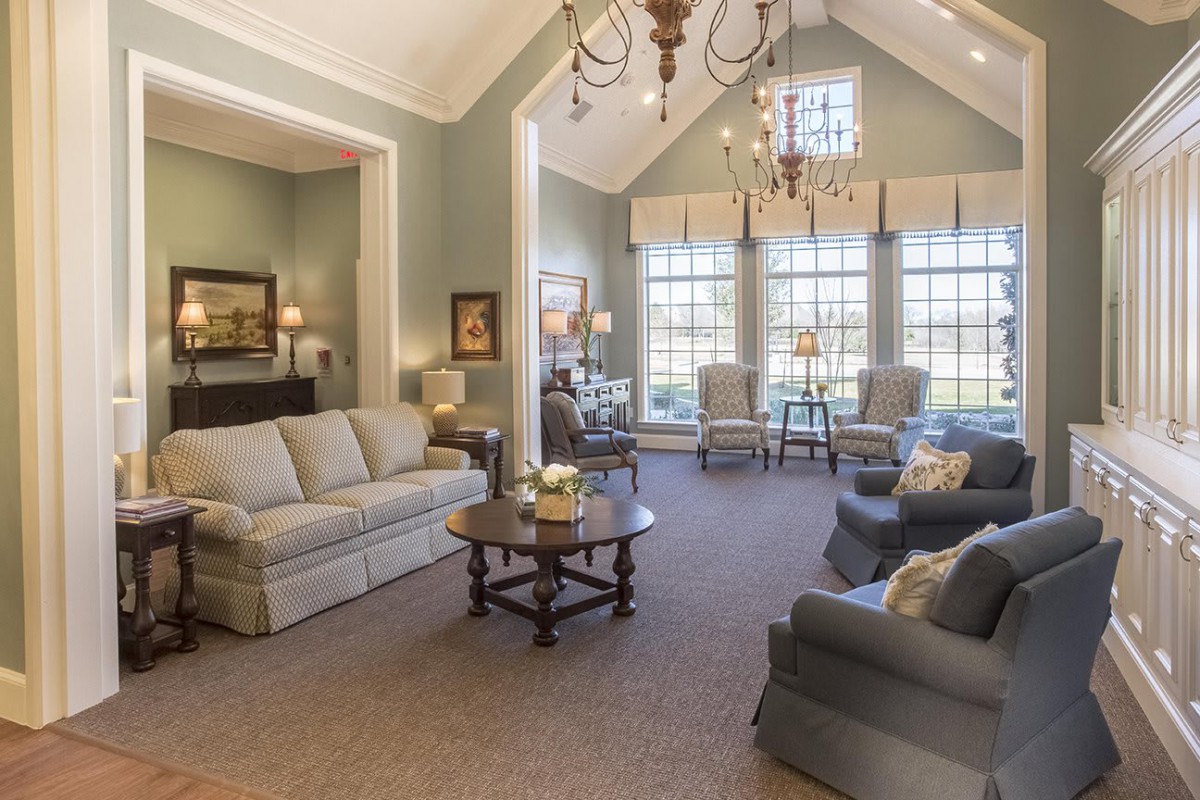
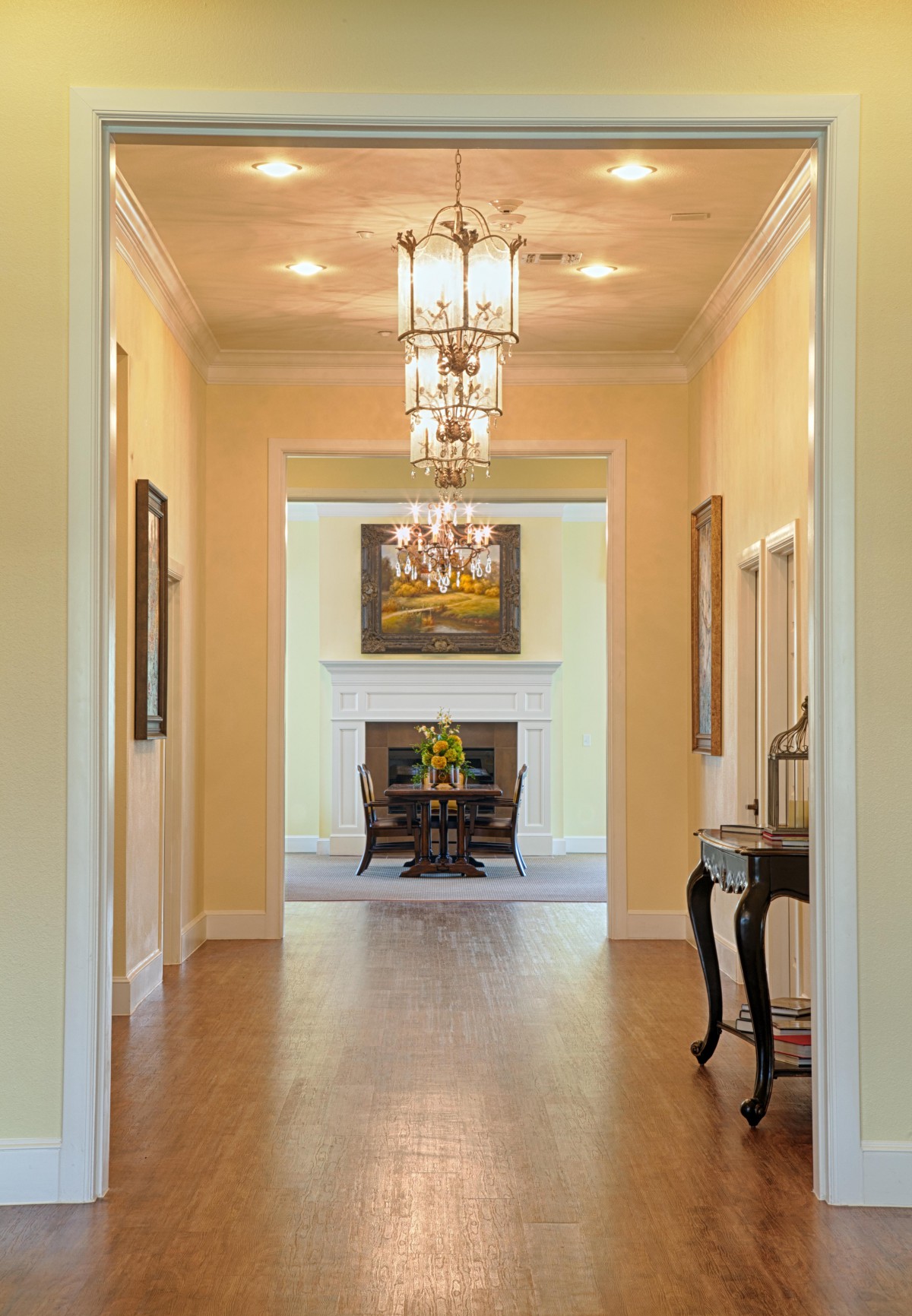
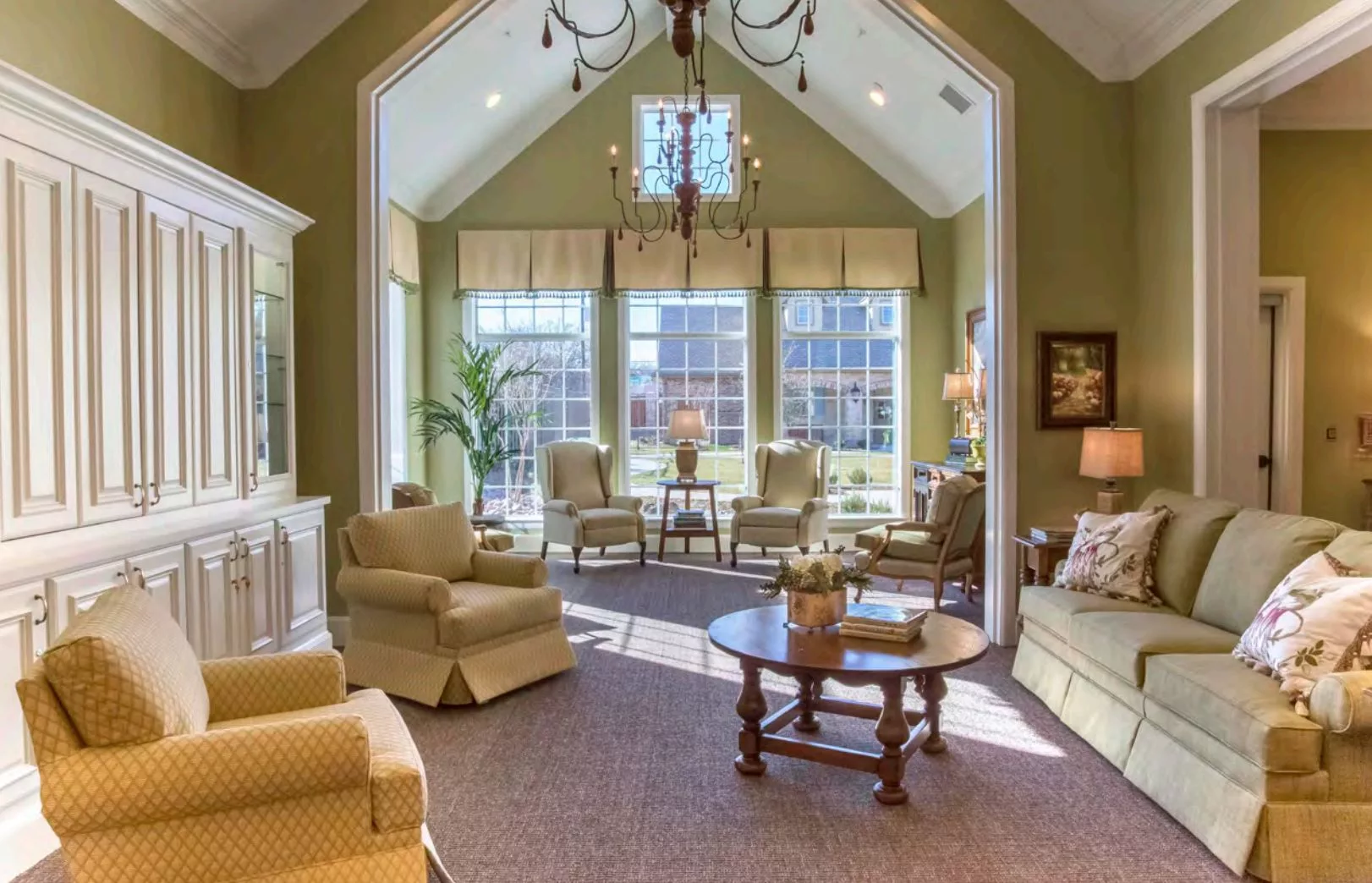
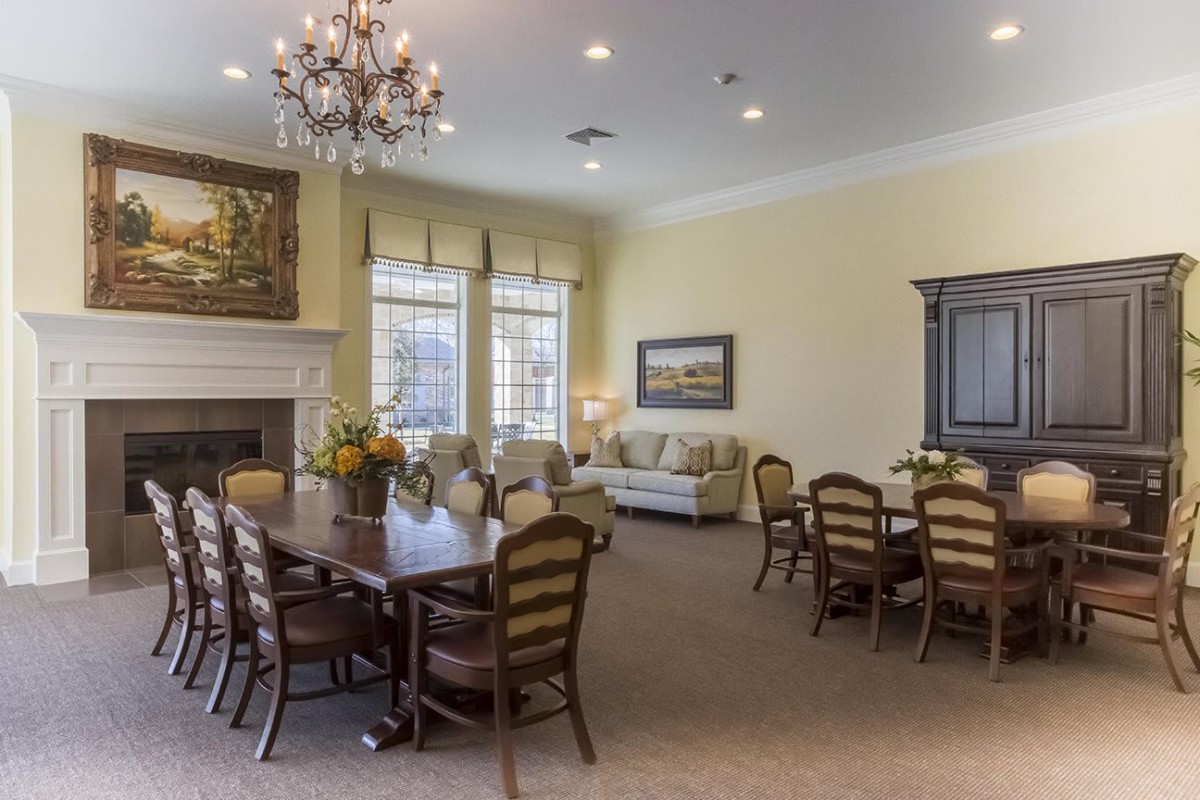
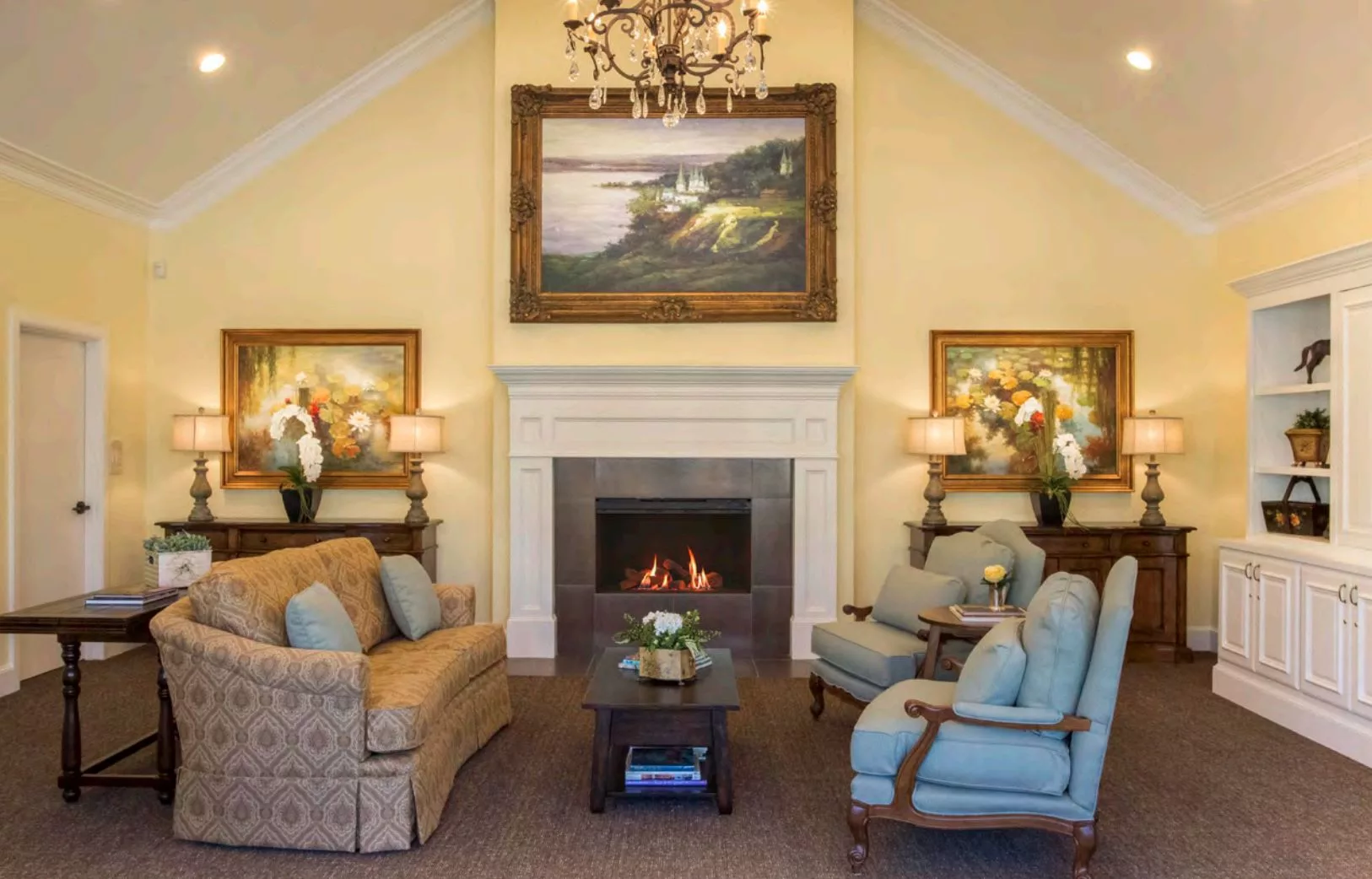
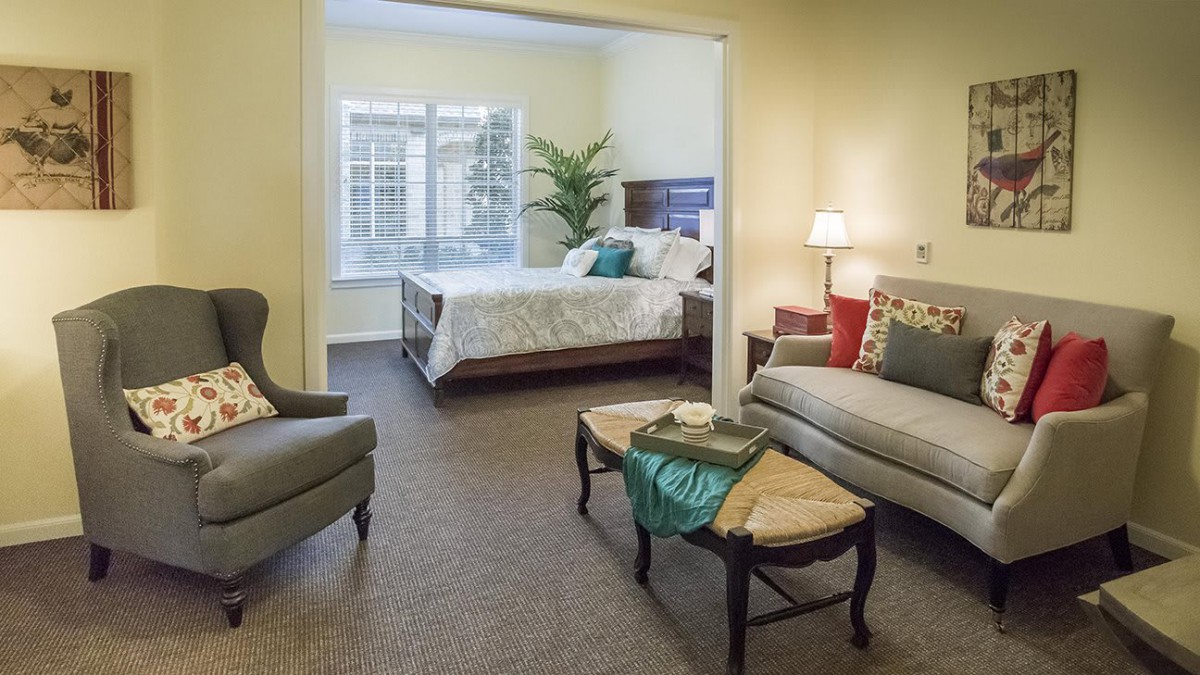
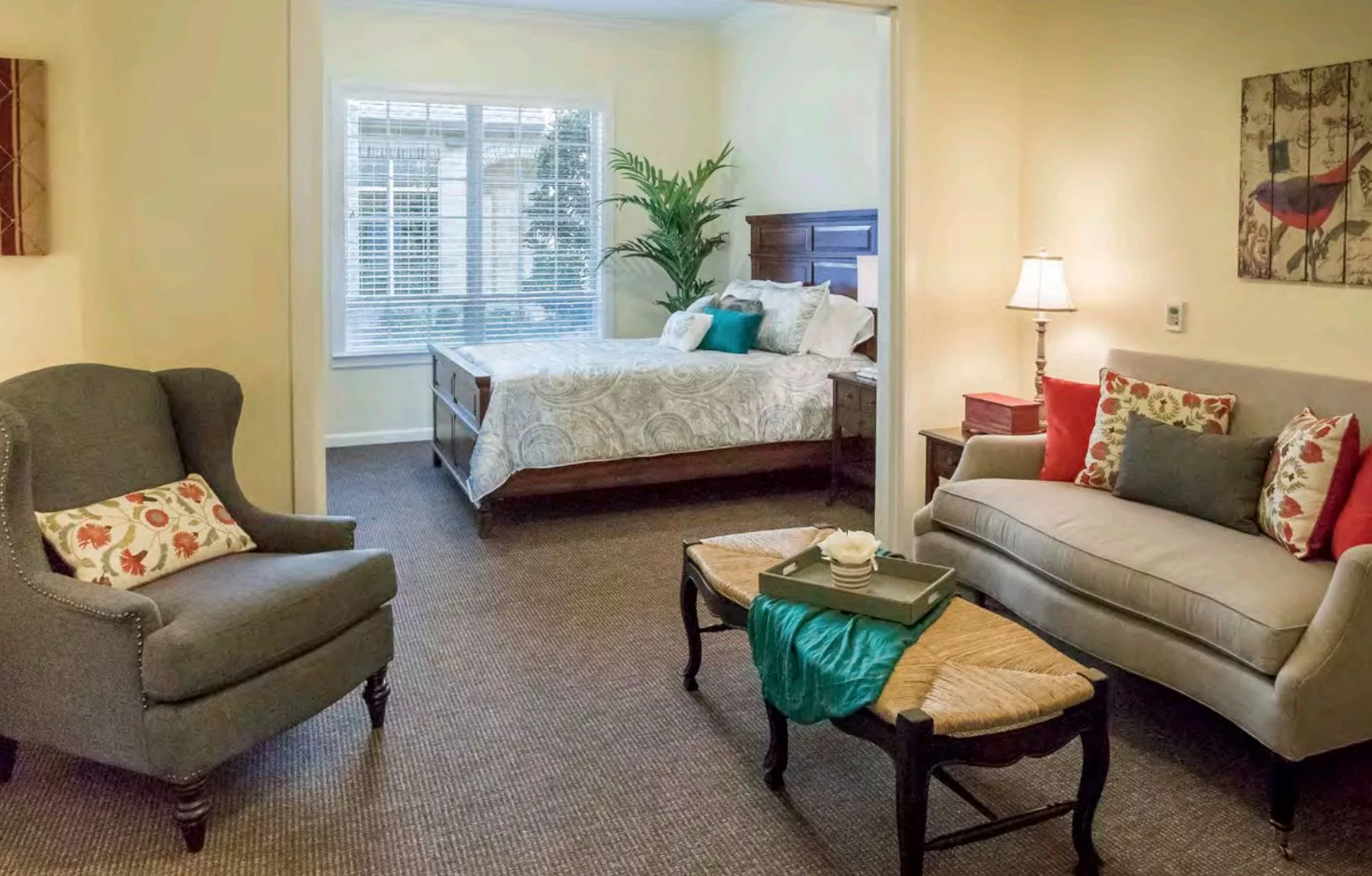
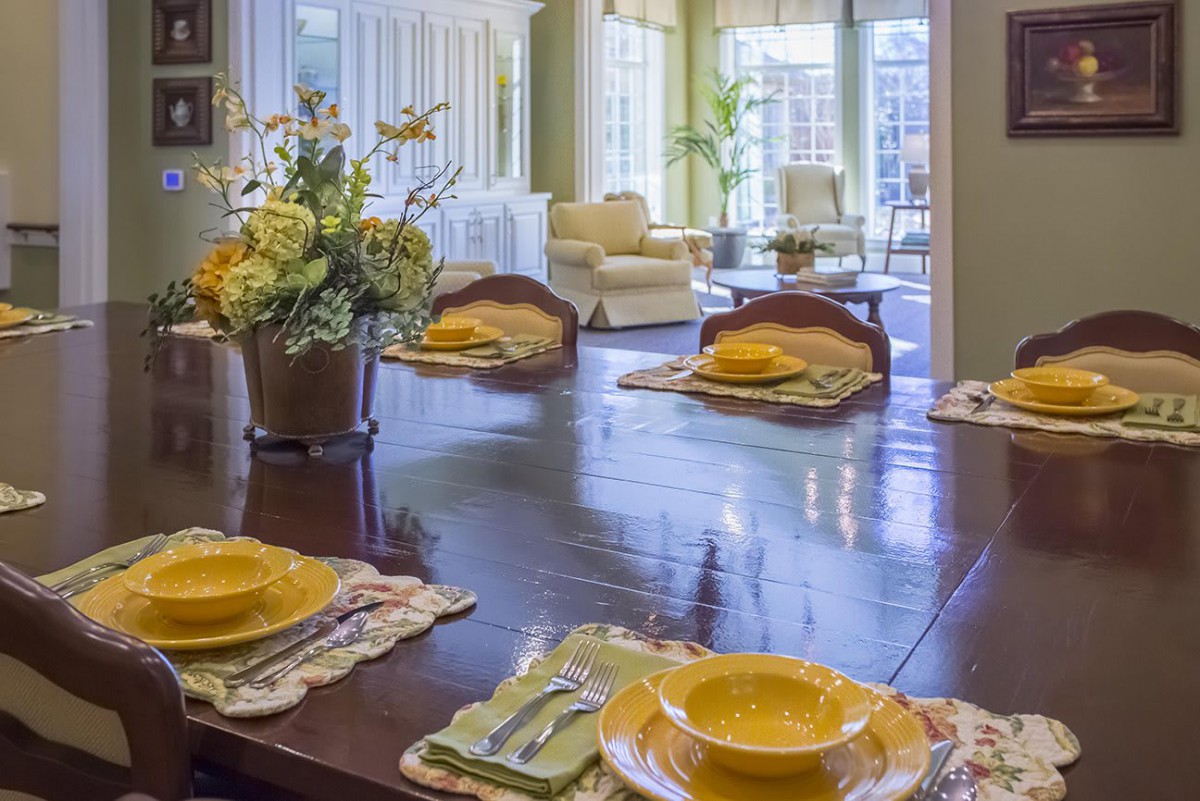
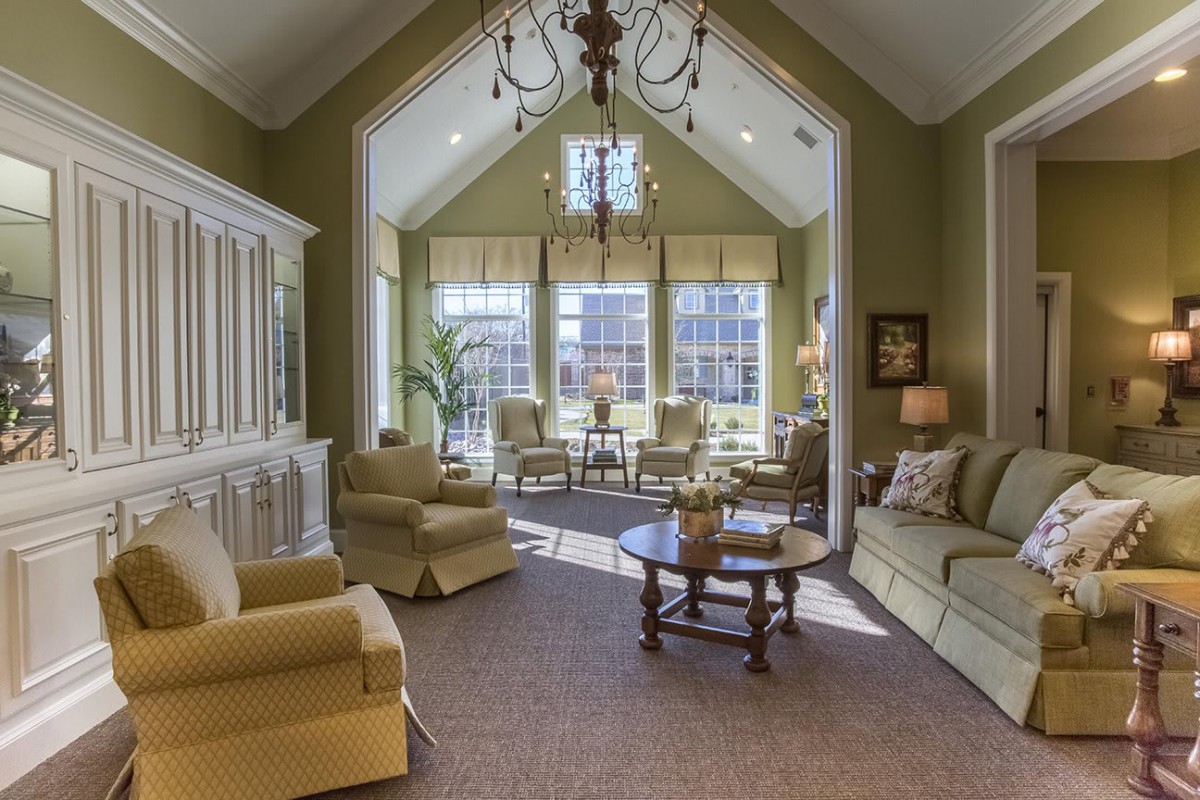
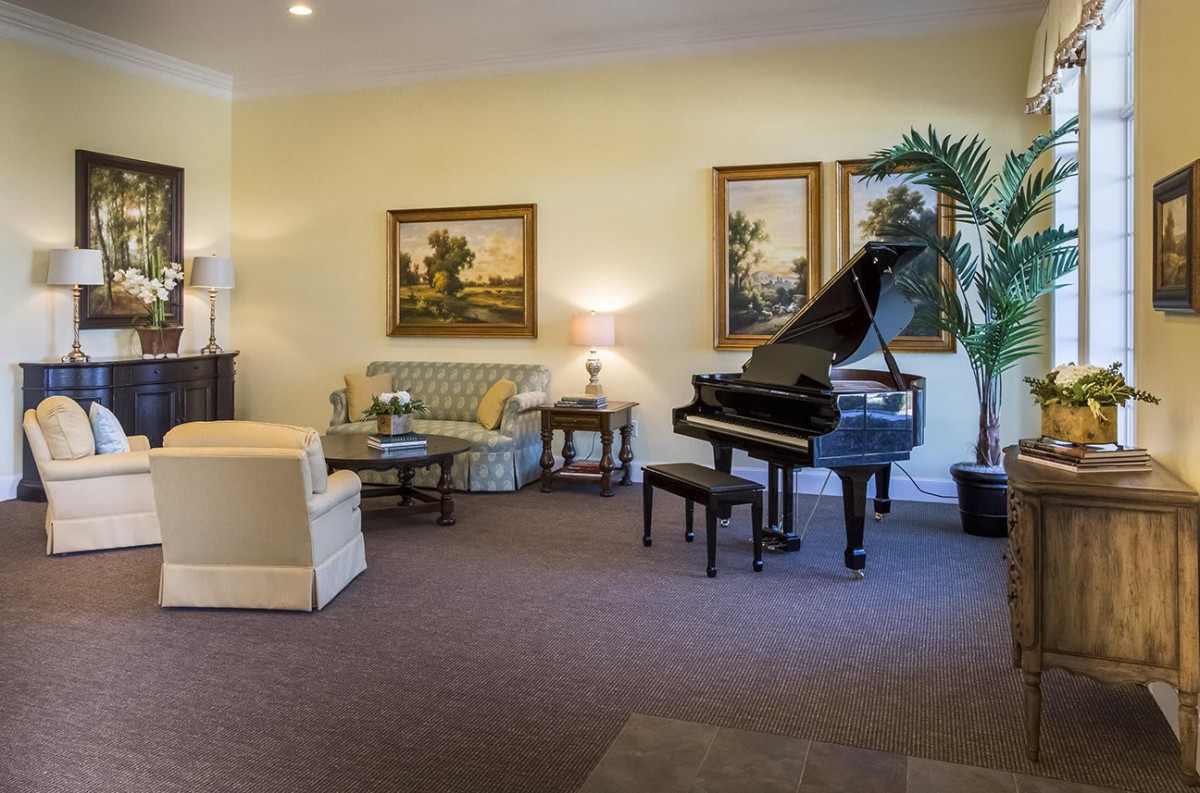
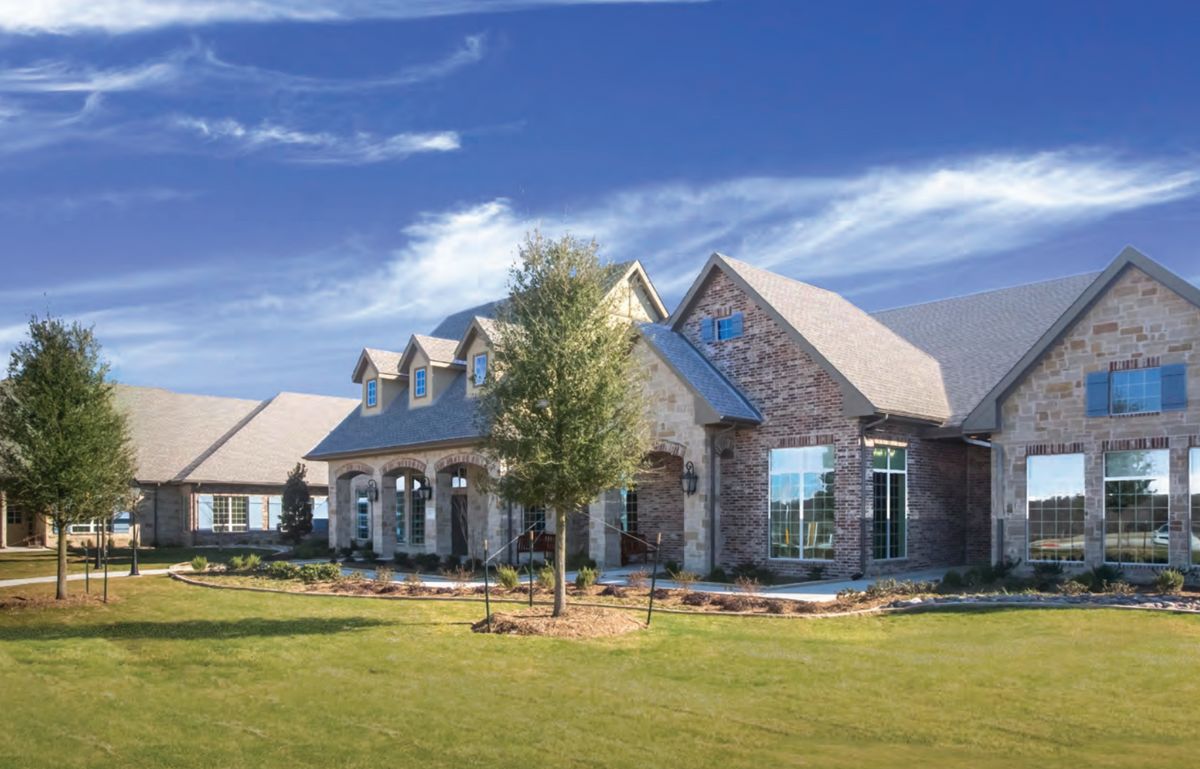
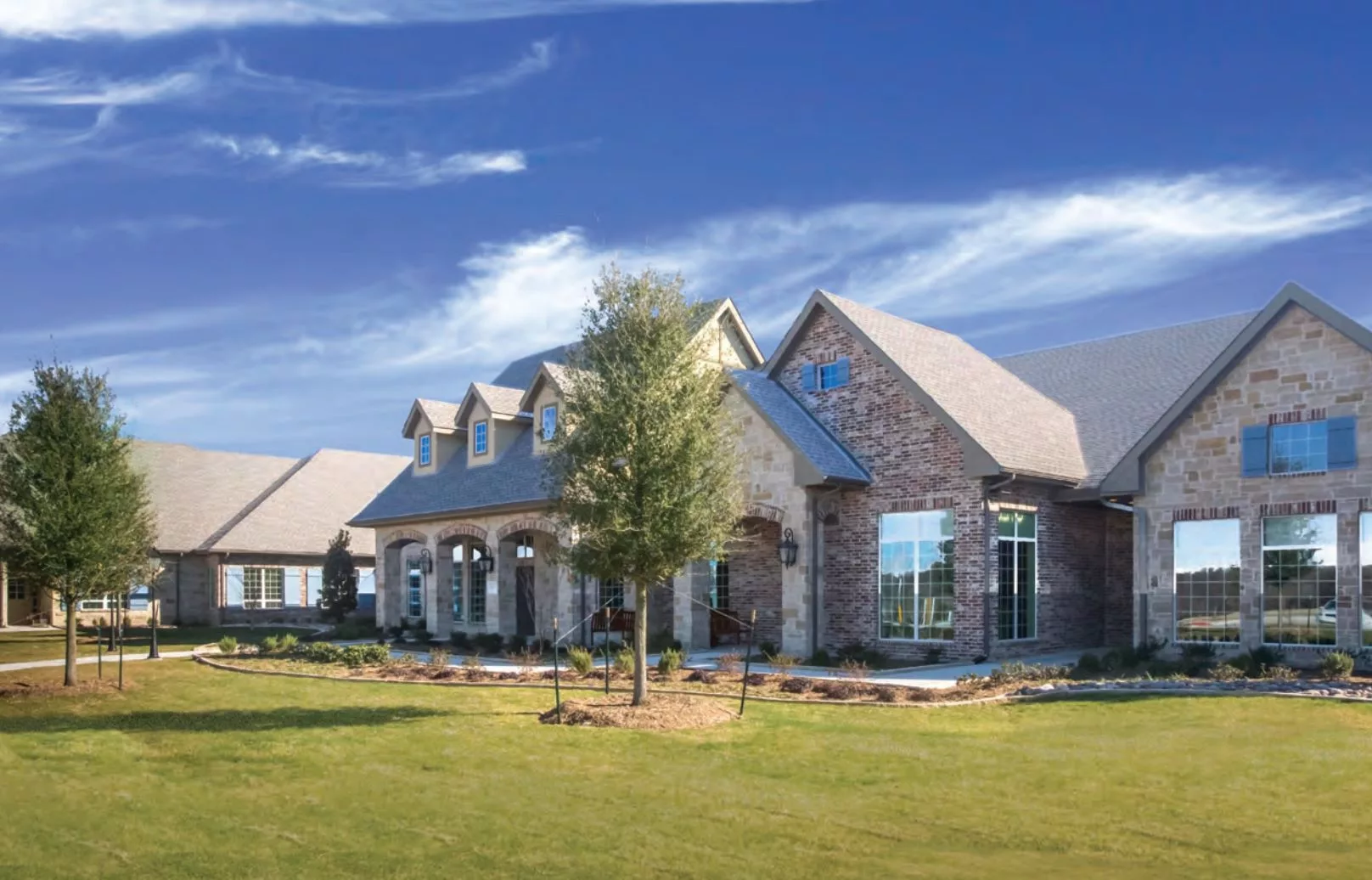
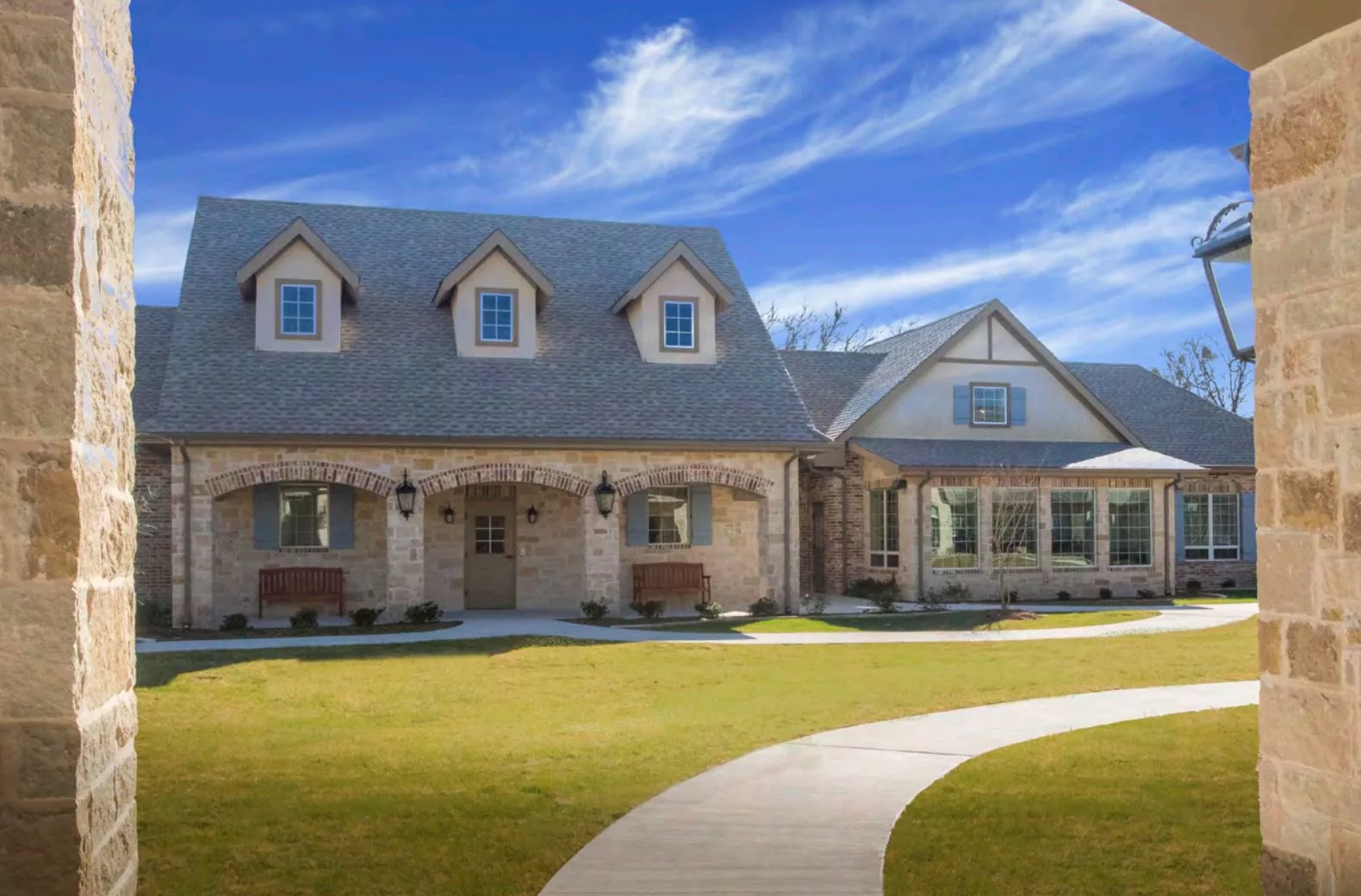
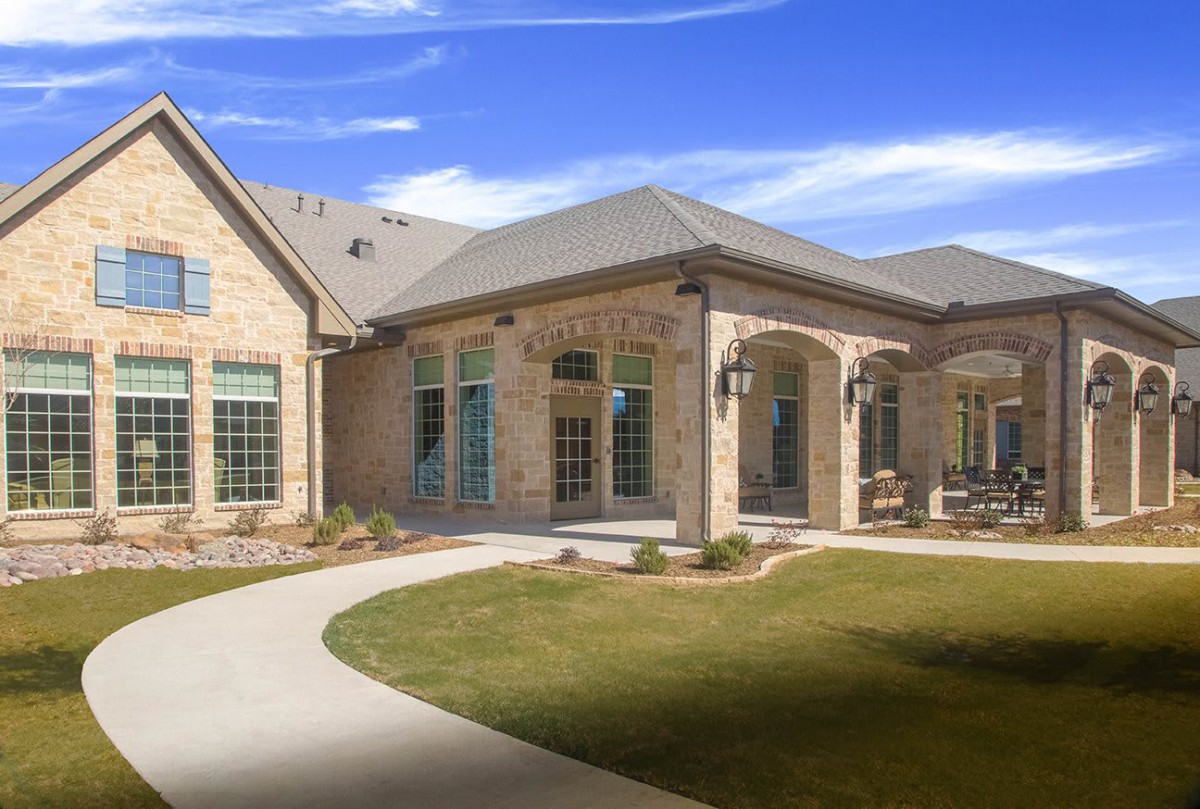
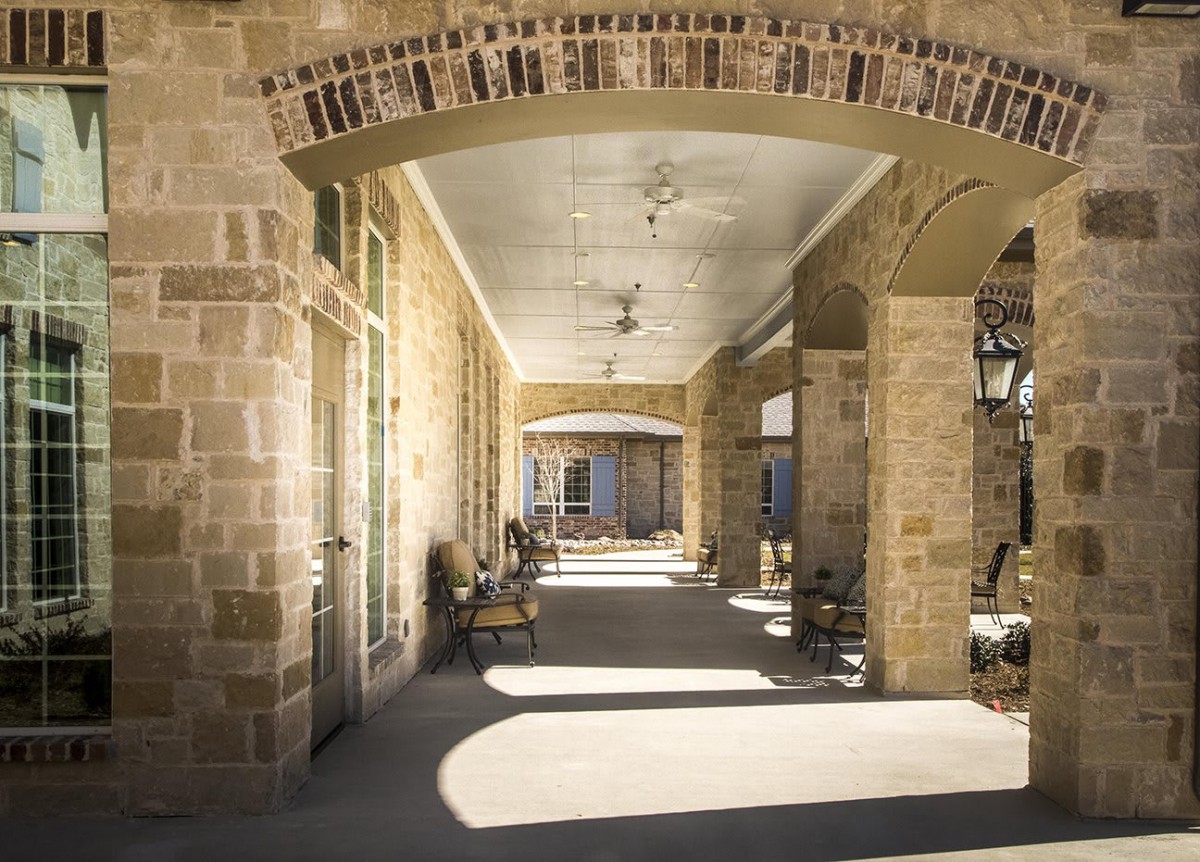
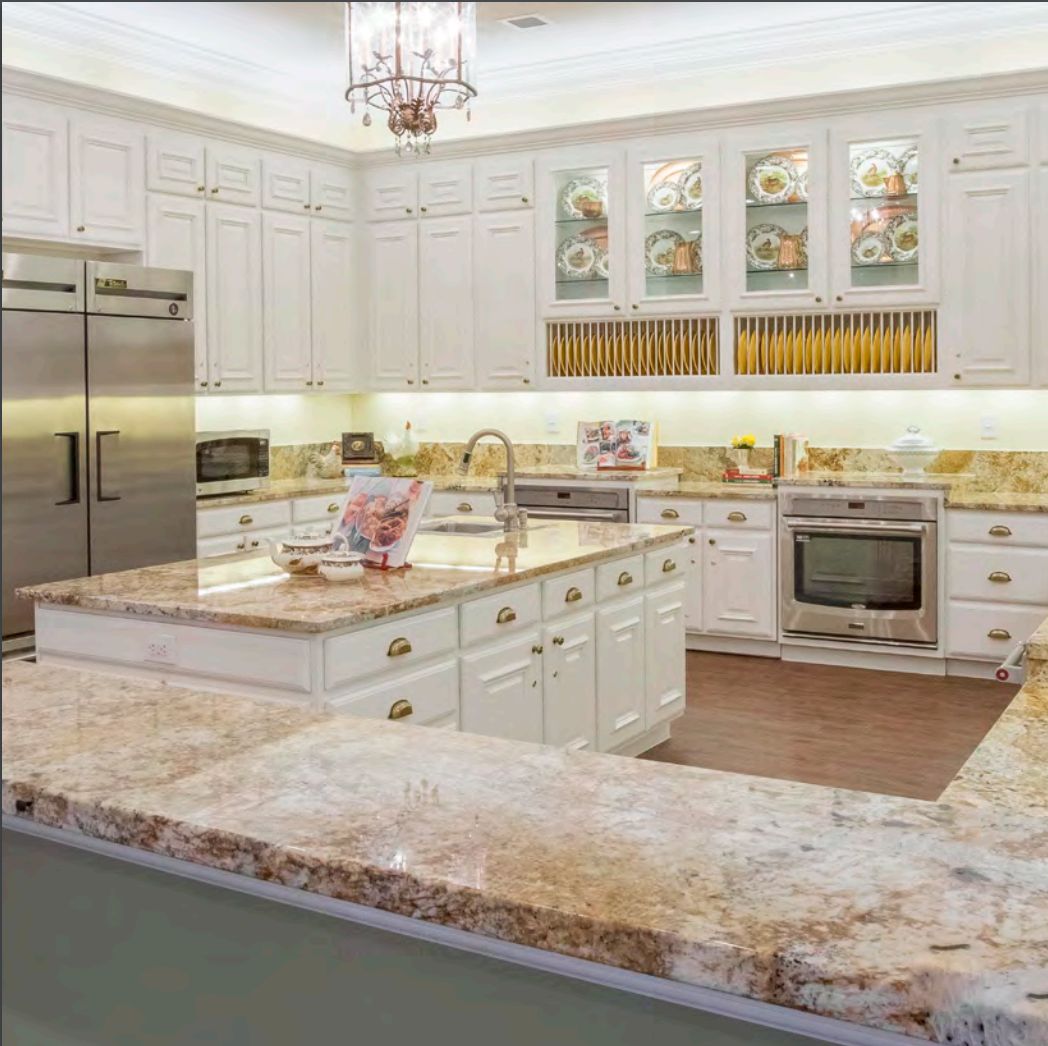
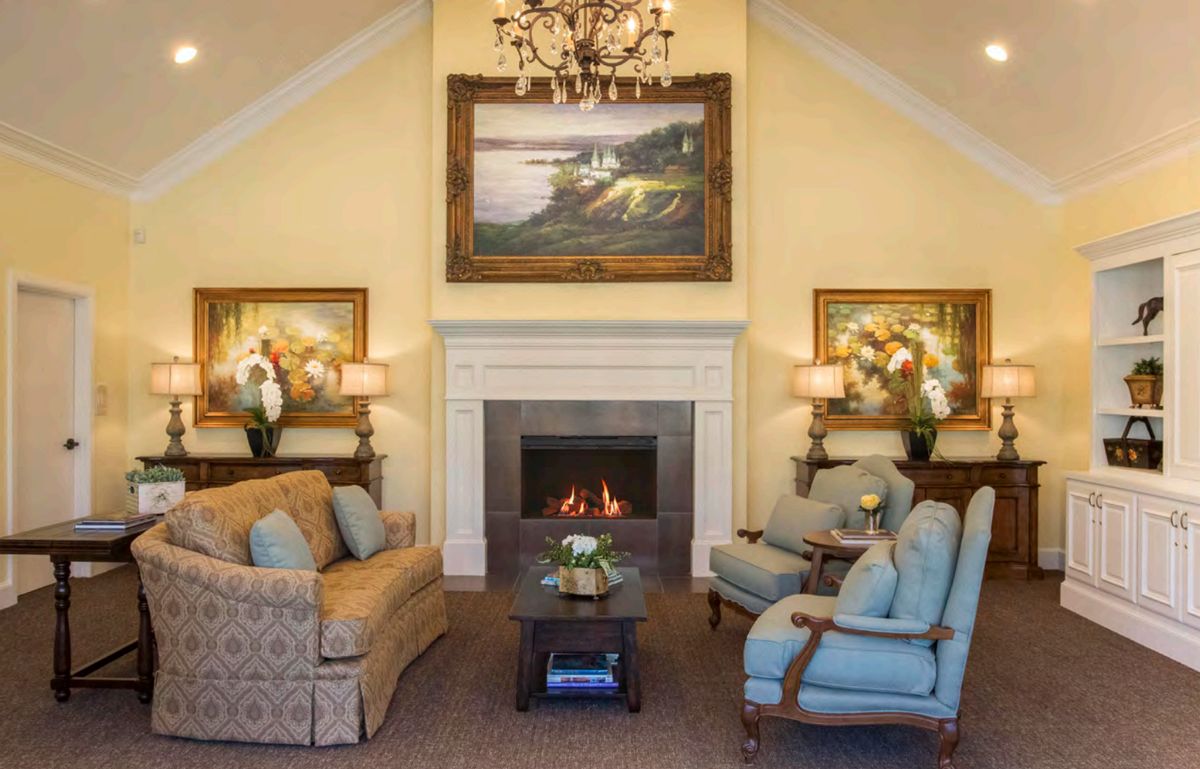
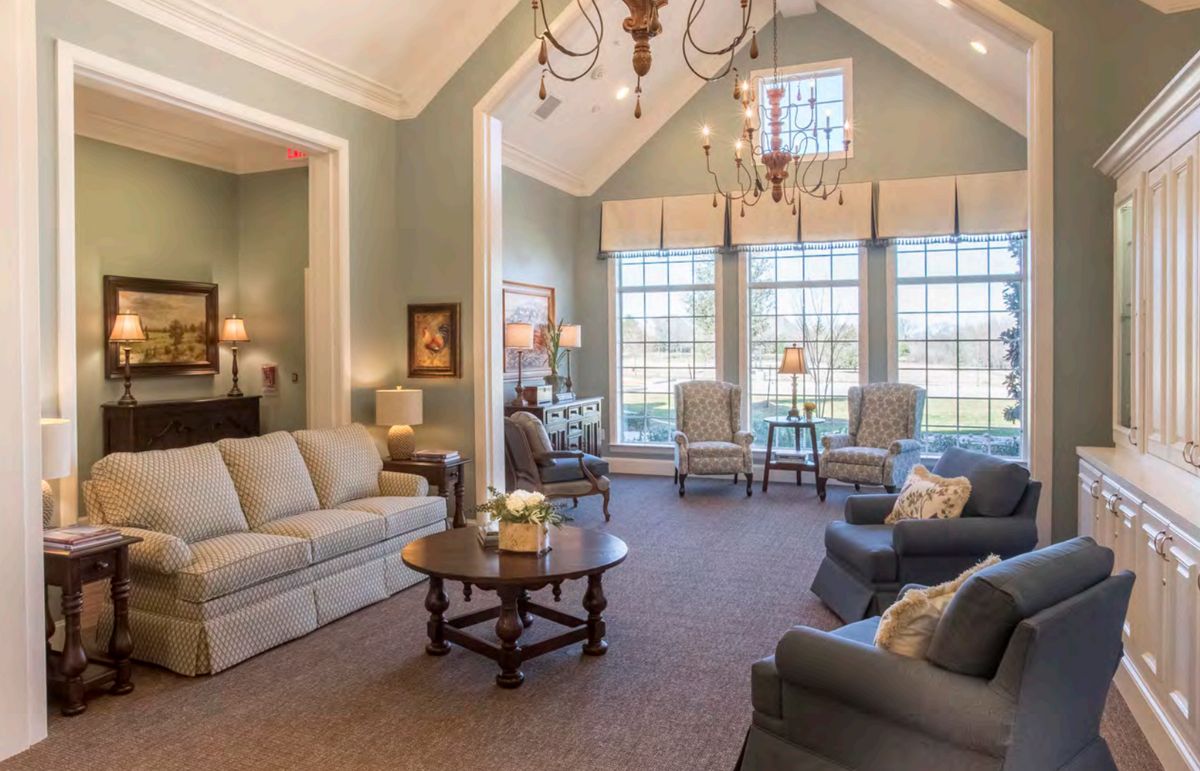
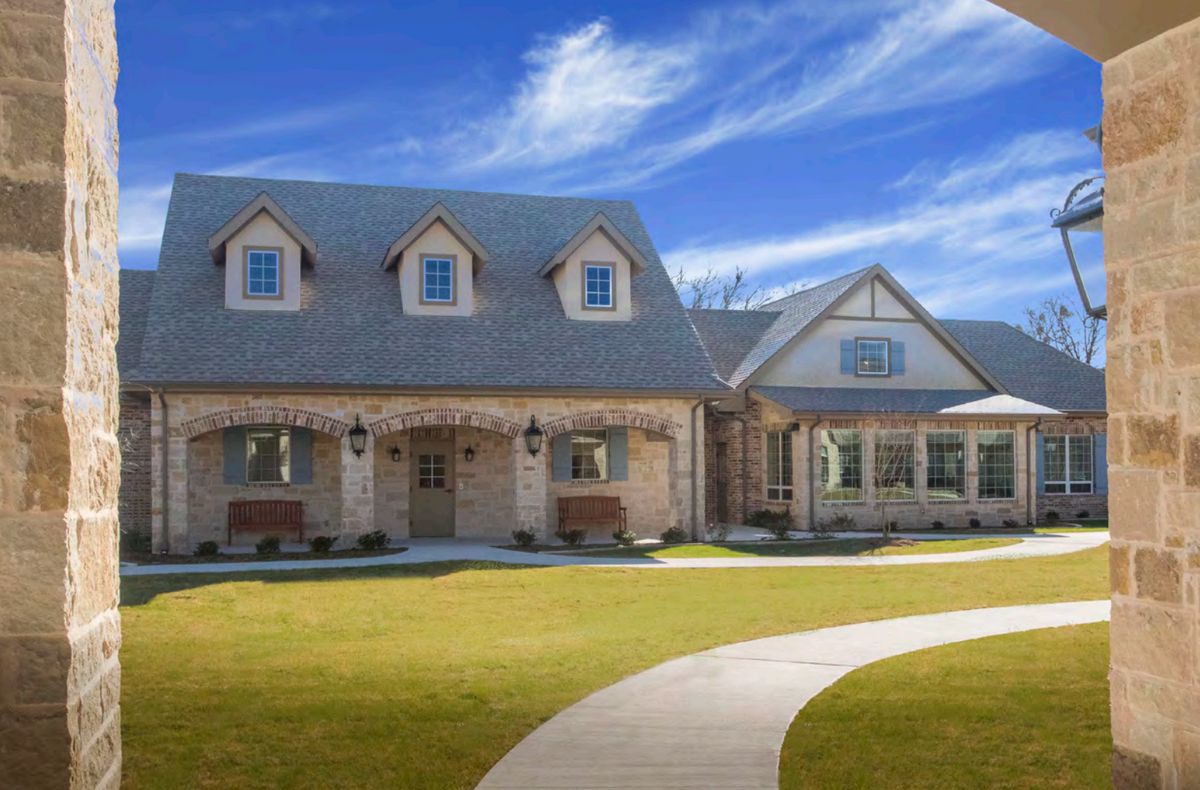
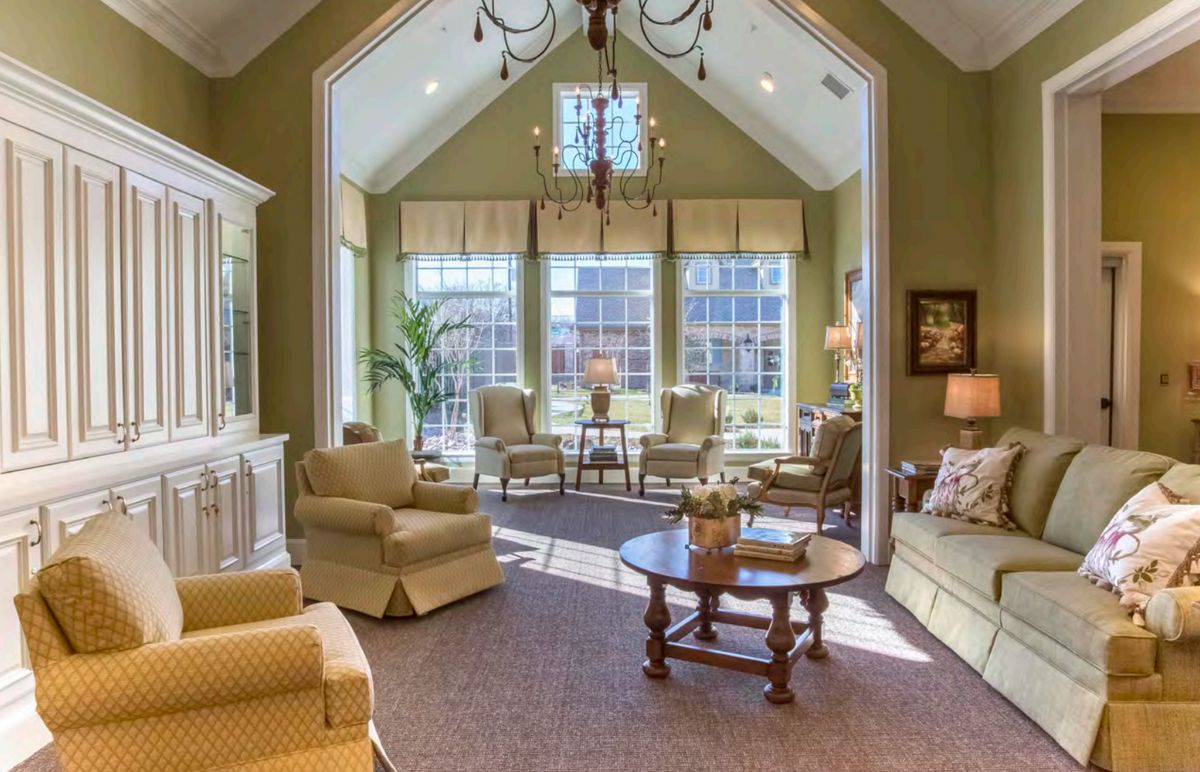
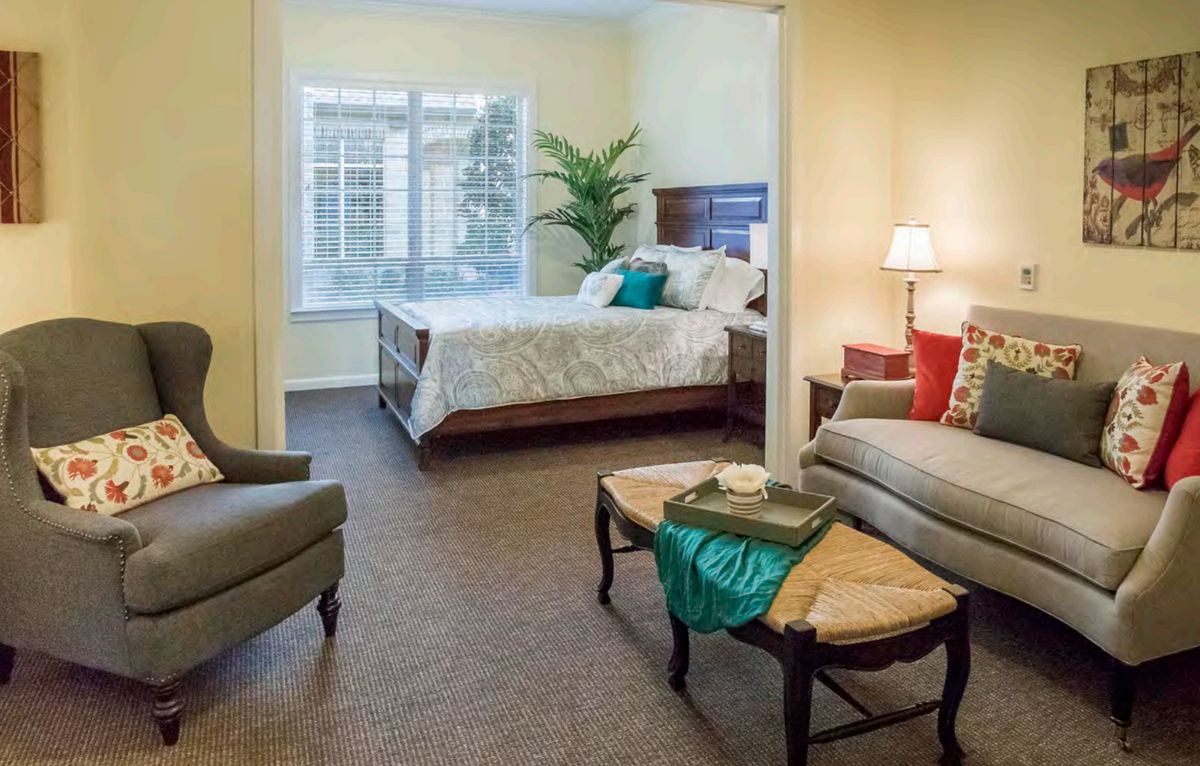
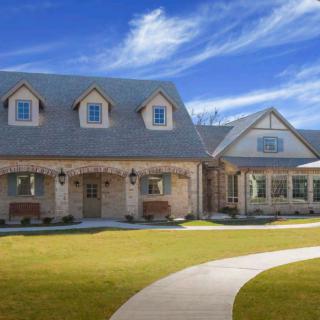
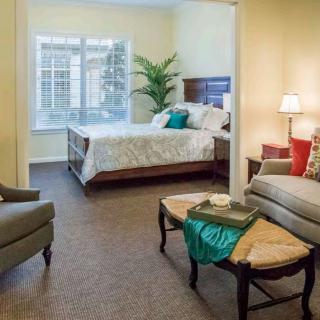
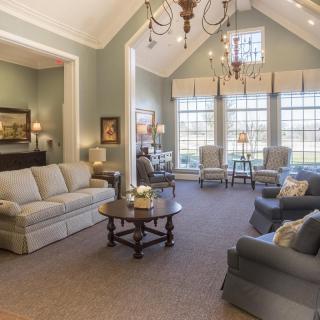
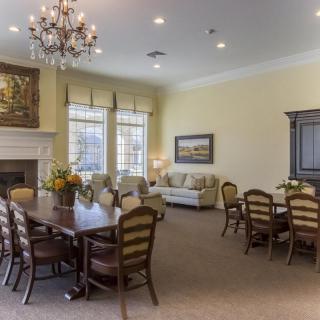
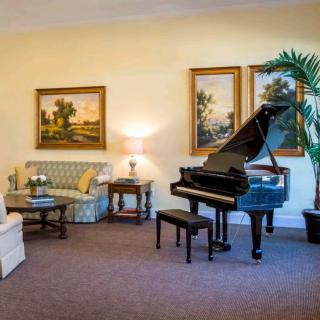
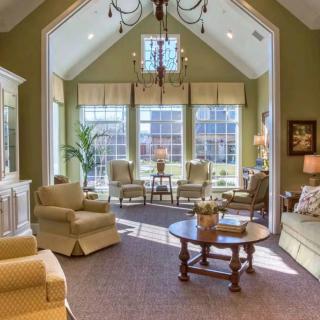
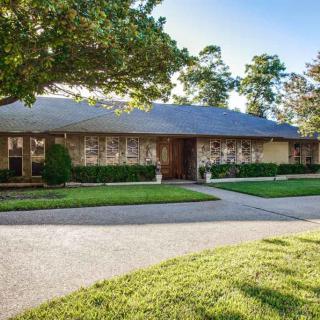
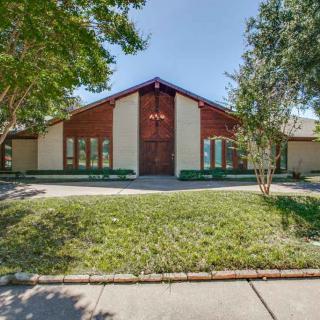
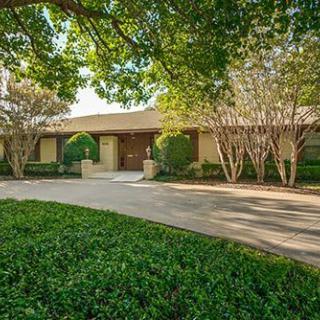
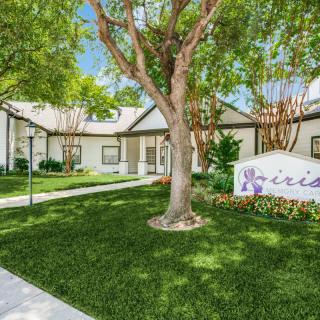
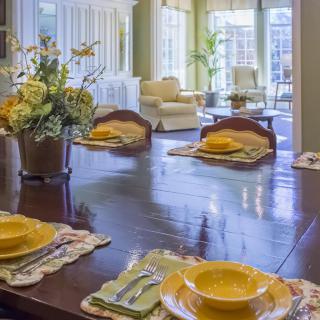
The Cottages at Chapel Creek on seniors.fyi includes 24 photos including images showing interior, living room, decor, chandelier, windows, architecture, landscaping, artwork, and more.
Nearby Communities
Parkview In Frisco
Frisco, TX
4.6 from 121 reviews
Strong independent living with friendly staff, a new attractive building, and abundant activities.
Parkview in Frisco
Frisco, TX
4.3 from 90 reviews
$2,395 to $3,995 / month
Caring staff and an active, engaging community with plenty of activities.
Overture Frisco
Frisco, TX
4.5 from 89 reviews
$1,675 to $4,315 / month
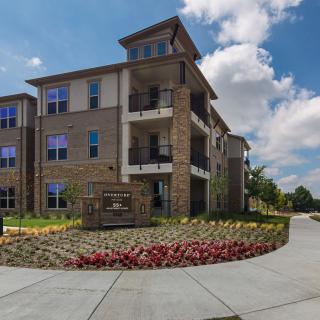
Knowledgeable staff; active community; modern, spacious apartments; convenient Frisco location.
The Ridge at Frisco
Frisco, TX
4.4 from 45 reviews
$2,999 to $5,534 / month
Competitive pricing for Frisco location with tidy living spaces.
Parsons House Frisco
Frisco, TX
4.3 from 20 reviews
Caring staff in a clean, amenity-rich setting.
J-N-J Home Care Services
Frisco, TX
5 from 24 reviews
Convenient access to healthcare, dining, and social amenities in Frisco.
Landing at Watermere Frisco
Frisco, TX
4.3 from 100 reviews
Modern, well-equipped community with diverse care options and engaging amenities.
HarborChase of Plano
Plano, TX
4.6 from 152 reviews
$2,800 to $6,995 / month
Clean, friendly staff with engaging activities and good communication.
Bethesda Gardens Frisco
Frisco, TX
4.6 from 135 reviews
$3,350 to $4,950 / month
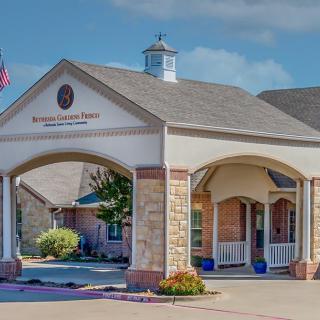
Caring staff with low turnover and engaging daily activities.
Dementia is characterized by cognitive decline, with nutrition playing a vital role in brain health; while no specific diet can prevent or reverse it, a nutrient-dense diet rich in antioxidants and healthy fats may support cognitive function. The MIND diet, which emphasizes beneficial foods and limits processed items, along with proper hydration and individualized meal strategies, can enhance the well-being of dementia patients.
Dementia affects memory and cognitive function in older adults, presenting challenges for caregivers due to behavioral changes such as confusion and mood swings. Compassionate, person-centered care that considers individual history and preferences, along with effective communication and environmental modifications, is essential for supporting both patients and their caregivers.
Dementia leads to cognitive impairment and can cause emotional and behavioral changes, including aggression that arises from frustration, confusion, or fear. Effective coping strategies for caregivers include understanding dementia's nature, recognizing triggers, using empathetic communication, and employing non-pharmacological interventions like music and art therapy.
Get PricingAsk A QuestionSchedule A TourContact Senior Advisor
By clicking submit, you agree to our Partner's Terms of Use. You
also consent to receive calls and texts, which may be autodialed, from our Partner. Your consent is not a condition to
using our Partner's service. Please visit our Partner's Privacy Policy for information about their privacy practices.









 90 resident community capacity
 Memory Care
 Cats allowed
 Dogs allowed
 Activities on-site
 Air-conditioning
 Beautician on-site
 Cable or satellite TV
 Computer center
 Devotional services on-site
 Dining room
 Fitness room
 Fully furnished
 Gaming room
 Garden
 Ground floor units
 Handicap accessible
 Housekeeping services
 Indoor common areas
 Kitchenette
 Move-in coordination
 Outdoor common areas
 Private bathrooms
 Respite or short term stays offered
 Restaurant-style dining
 Small library
 Telephone
 Wellness center
 Wheelchair accessible showers
 Wi-Fi/high-speed internet available
 Dallas Love (20 miles away)
 Community operated transportation
 12-16 hour nursing
 24-hour call system
 Ambulatory care
 Assistance with bathing
 Assistance with dressing
 Assistance with transfers
 Diabetes diet
 Diabetic care
 Incontinence care
 Medication management
 Mental wellness program
 Special dietary restrictions
 Art classes
 Brain fitness
 Catholic services
 Concierge services
 Cooking classes
 Karaoke
 Live dance or theater performances
 Live musical performances
 Planned day trips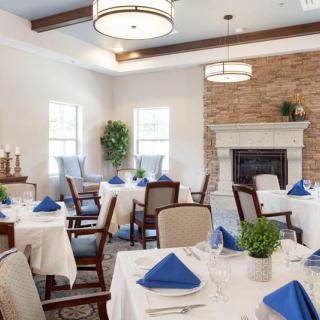
 Strong independent living with friendly staff, a new attractive building, and abundant activities.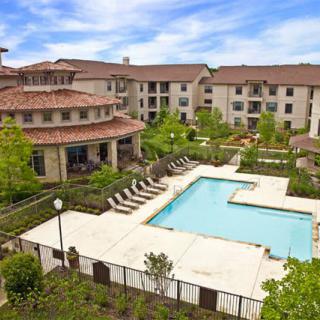




 Nourishing the Mind: Essential Dietary Approaches for Dementia
 Understanding Dementia Behaviors: Practical Insights and Strategies for Caregivers
 When Dementia Sparks Anger and Aggression: Understanding the Connection and Ways to Cope