Richland Hills Nursing and Rehab Center Costs & Pricing
Richland Hills Nursing and Rehab Center offers competitive pricing for its long-term care services when compared to both Tarrant County and the broader state of Texas. For semi-private rooms, the monthly cost is $3,930, slightly above the county average of $3,889 but higher than the state average of $3,680. Conversely, for private rooms, Richland Hills' fee is $5,895, which significantly exceeds both the county rate of $3,704 and the state average of $4,096. This pricing structure suggests that while Richland Hills may come at a premium for private accommodations, it remains fairly aligned with regional rates for shared living spaces. Prospective residents should weigh these costs against the quality of care and services offered at this facility.
| Floor plans | Richland Hills Nursing and Rehab Center | Tarrant County | Texas |
|---|
| Semi-Private | $3,930 | $3,889 | $3,680 |
| Private | $5,895 | $3,704 | $4,096 |
Skilled Nursing Facilities with a similar price nearby
-
from +$570 / mo
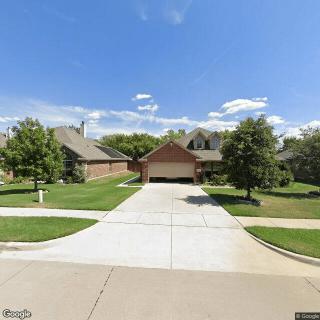
Abby's Place
$4,500 to $7,000 / month
15.8 miles away
-
from -$635 / mo
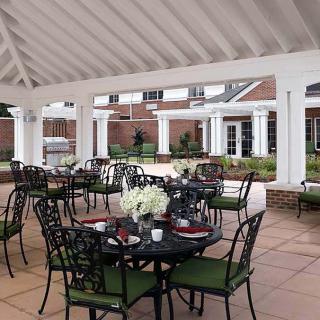
Atria Grapevine
$3,295 to $5,395 / month
10.1 miles away
-
from +$450 / mo
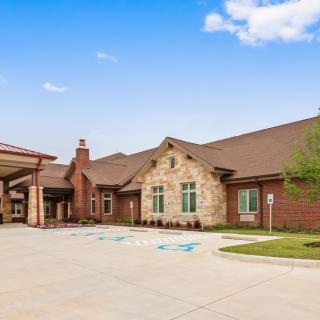
Legend of Mansfield
$4,380 to $7,315 / month
16.6 miles away
-
About the same
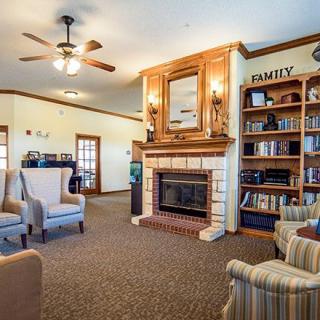
Brookdale Mansfield
$3,960 to $4,215 / month
16.5 miles away
-
from +$365 / mo
Oxford Glen Memory Care at Carrollton
$4,295 to $5,295 / month
24.7 miles away
Overall Review of Richland Hills Nursing and Rehab Center
common
28 reviews mention this
Staff quality varies by shift
Residents and families describe staff as caring in many day-to-day moments, while others report serious gaps, especially after hours.
A sizable number of reviews say the staff is friendly, attentive, and genuinely caring, with some families praising nurses, CNAs, therapy teams, and leadership. At the same time, multiple reviewers describe missed calls for help, delayed or incorrect medication delivery at night, and problems getting timely attention. Several comments also point to inconsistency between daytime care and nighttime responsiveness, including reports of call buttons not being answered.
caveat
9 reviews mention this
Food quality is a recurring complaint
Food shows up as both a comfort and a complaint, with several reviewers describing meals arriving cold or underwhelming.
Some reviews are neutral to positive about meals, including mentions that vegetables and certain dishes were good and that a kitchen change improved food for one resident. More often, reviewers complain that food is cold, not good overall, or that residents go without adequate meals, sometimes describing long delays. A few families also mention diet-related frustrations, like sugar-free options not being available.
common
15 reviews mention this
Care and rehab help, with issues
Many reviews recommend the rehab and therapy teams, while others report care breakdowns that affected outcomes.
Several residents and families describe physical therapy, speech therapy, and general rehab as helpful, with some saying therapy supported major recovery milestones like regaining speech. Others, however, describe care failures tied to rehabilitation needs, wound management, and general monitoring during stays. A few reviews also describe communication or follow-through problems with medical needs, even when therapy was expected.
caveat
8 reviews mention this
Cleanliness and infection concerns appear
Multiple reviews raise concerns about cleanliness, odors, and pests, including bed bugs.
Some reviewers say the building is clean and comfortable, and a few specifically mention a pleasant environment or small, homelike feel. But several others report strong negative hygiene issues, including bed bugs, foul odors, and rooms or sheets described as soiled or unsanitary. There are also complaints about pests like roaches appearing in resident restrooms, plus accounts of neglect related to bathing and being left in waste.
common
7 reviews mention this
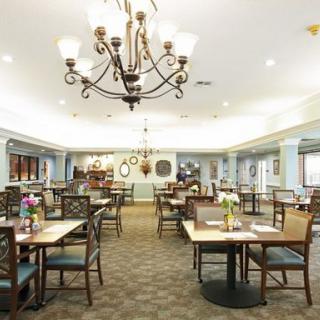
Building feel and layout are debated
Reviews are split between a homelike, small-facility feel and concerns about an older, worn layout.
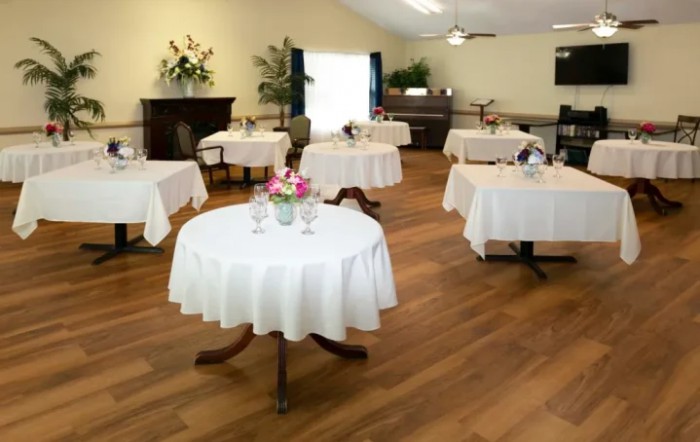
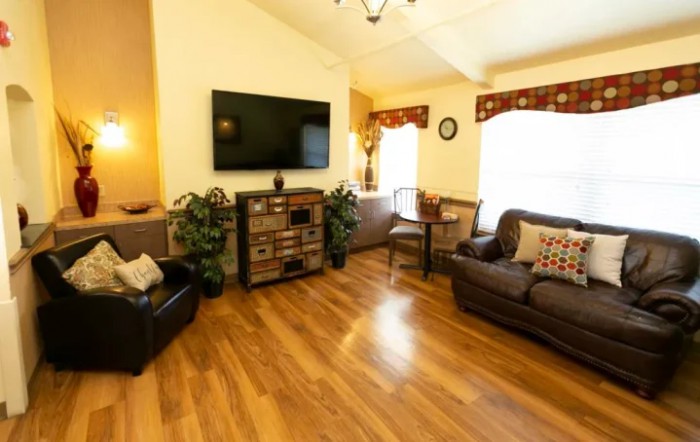
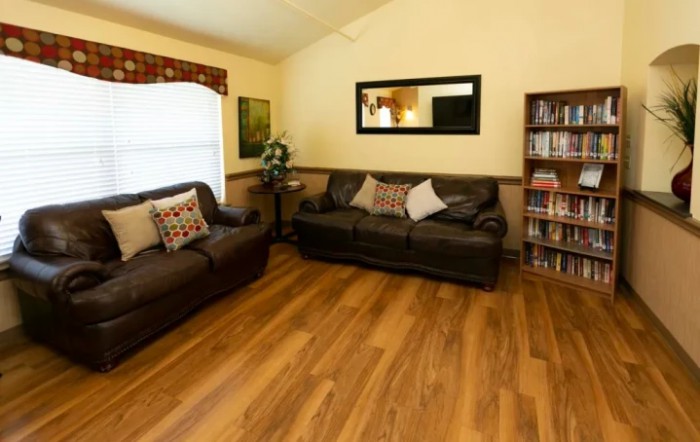
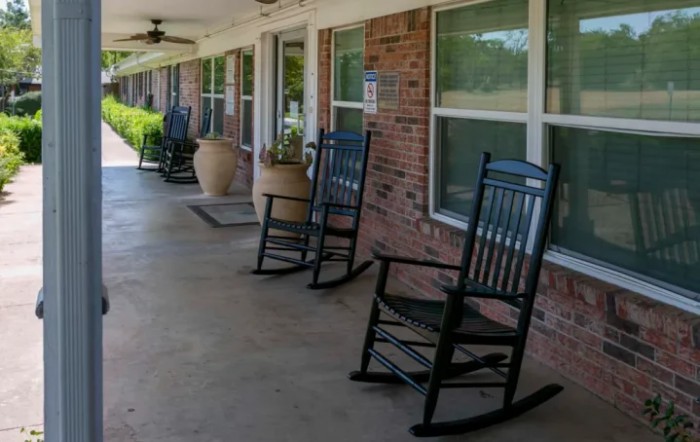
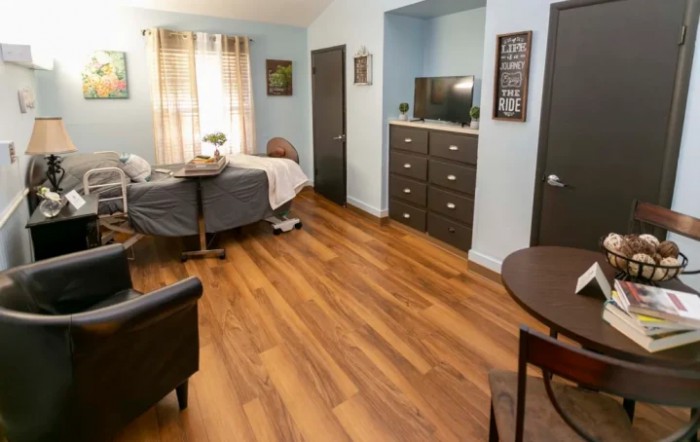
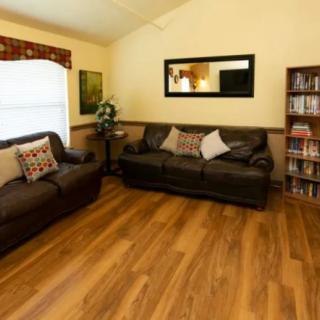
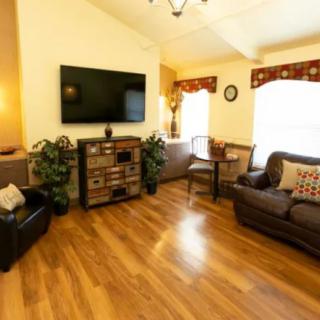
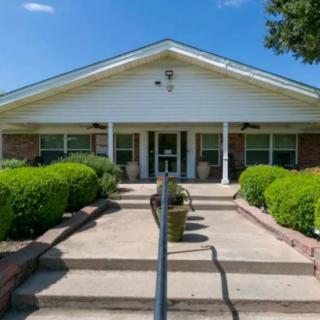
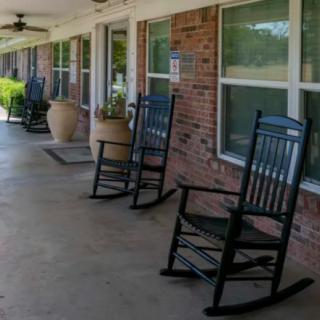
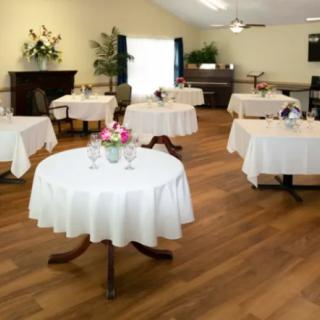
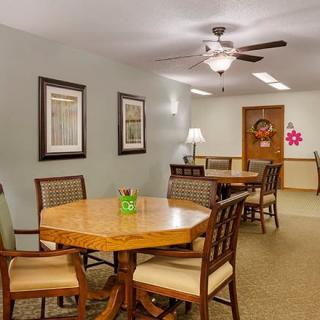
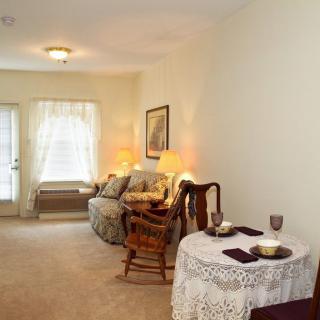
A number of reviewers like that the facility is smaller and describes it as having a homelike atmosphere, including praise for staff-to-resident engagement in that setting. Others describe the rooms as old and drab, cite size limitations, and mention practical issues with the room setup and comfort. Several of those layout criticisms appear alongside complaints about the overall condition of the building.
caveat
2 reviews mention this
Pricing runs above local benchmarks
Pricing for available units is consistently above county and roughly around state levels depending on unit type.
Price ranges shared for private and semi-private options sit above the county benchmark, with different gaps by unit type. The state comparison also varies by option, with semi-private showing a higher difference than private.
How we summarize
Counts show how many written reviews mention each theme; a review can touch several themes, and only frequently mentioned themes are displayed.

 Skilled Nursing Facility
 Private
 Dallas-Fort Worth International (13 miles away)
 High acuity care
 Incontinence care
 Comprehensive amenities and 24/7 care support.


 Comprehensive Guide to Qualifying for Home Health Care Services
 Powerful Realities of Elder Abuse and the Most Effective Ways to Report It
 Ten Vital Duties of a Senior Caregiver: A Comprehensive Guide