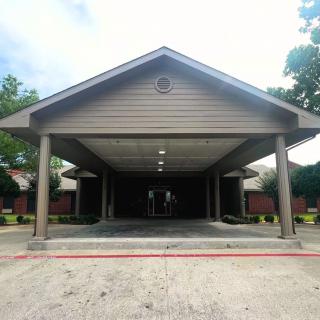
Marine Creek Nursing And Rehabilitation

Save

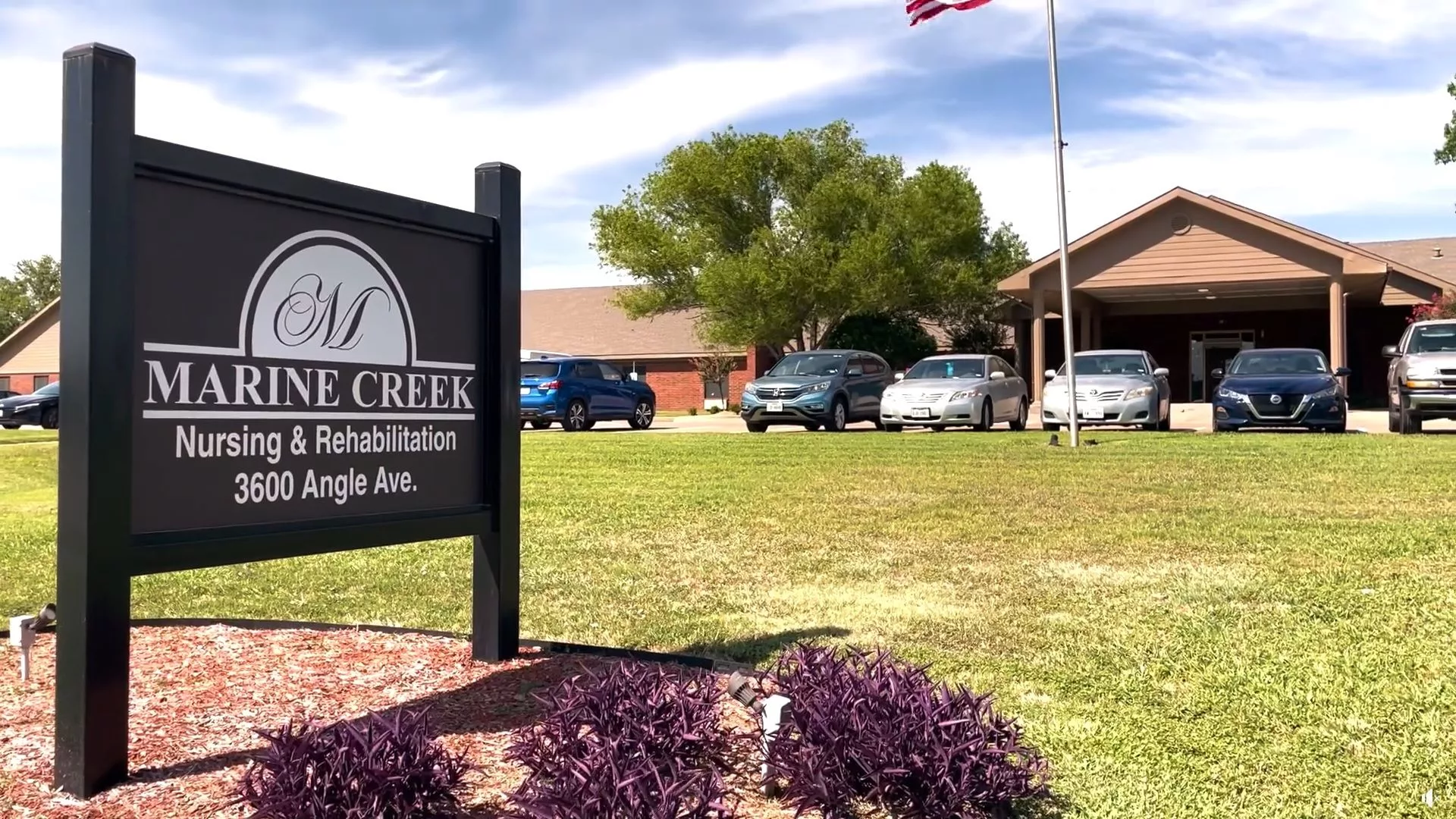
Marine Creek Nursing And Rehabilitation

3600 Angle Avenue, Fort Worth, TX 76106

For more information about senior living options: (844) 490-3973

3.8 from 79 reviews
5 stars
55
4 stars
1
3 stars
0
2 stars
2
1 stars
21

Skilled Nursing Facility

What level of care are you interested in?

Assisted Living

Memory Care

Independent Living

Skilled Nursing Facility

Continuing Care Retirement Community (CCRC)CCRC

Other


Request a tour at Marine Creek Nursing And Rehabilitation

    Overall Review of Marine Creek Nursing And Rehabilitation

    Pros

    • pro The care has been exceptional.
    • pro The staff are great and the nurses are caring.
    • pro The environment is clean and highly recommended.
    • pro The employees are very friendly.
    • pro Brenda Wright is a wonderful administrator who cares for residents and employees.
    • pro The facility is clean, smells clean, and the workers are friendly.
    • pro Denisse Santamaria and Beatriz Trevi?o are kind-hearted supervisors.
    • pro The ADON Maria is great, answers questions, and is on top of everything.
    • pro The staff are professional, positive, and helpful, addressing residents' needs with plenty of fun.
    • pro Residents are encouraged to participate in numerous activities tailored to their personal lifestyles, making it a fun place to be.
    • pro The Marine Creek administrator keeps everything running smoothly with care and compassion.
    • pro The food is absolutely amazing.

    Cons

    • pro The facility is described as negligent and unsafe, with a death from sepsis alleged.
    • pro Rooms are said to flood with sewer water and reek of urine.
    • pro Staff are reportedly unresponsive, with long holds to reach nurses and a nurse seen sleeping during a shift.
    • pro The administrator is described as rude and lacking people skills.
    • pro Critical treatments and care, such as dental work and MRI, were reportedly not performed.
    • pro Families allege they were blocked from visiting or removing loved ones, with police involved and records not forwarded.
    • pro Residents allegedly did not receive basic hygiene care (e.g., baths) and personal items like clothing went missing.
    • pro There are claims of overmedication, with antipsychotics increased in response to complaints.
    • pro Overall, the care is criticized as lacking compassion and accountability, with staff perceived as focused on paychecks.

    Review

    The recounted experiences paint a facility that, for many families, feels like a lifesaver - full of warmth, attentiveness, and genuine care in everyday moments. A number of reviewers highlight exceptional care from staff, noting clean environments, friendly employees, and administrators who seem dedicated to residents and their families. Phrases like "exceptional" care, "great staff and caring nurses," and "clean environment" recur, suggesting that at its best, the place functions as a supportive home away from home. Several reviewers specifically praise the administrator, Brenda Wright, for her involvement and kindness toward both residents and employees, creating an atmosphere where meaningful connections appear to flourish. The sentiment is that, when things align, families feel listened to, staff are responsive, and residents enjoy a welcoming, compassionate setting.

    The praise extends to individual team members who stand out to families. Denisse Santamaria and Beatriz Trevinio are described as kind-hearted supervisors who go the extra mile to help others, while Maria, the Assistant Director of Nursing (ADON), is repeatedly cited as responsive and proactive in addressing questions and concerns. This thread of appreciation for frontline and administrative leaders runs through several accounts, along with gratitude for wound care specialists and other medical professionals who treat residents with competence and warmth. Several families emphasize that the medical staff and administration work well together, addressing needs with a sense of urgency and professionalism, and that the overall culture emphasizes patient and family-centered care.

    In addition to the professional care, many reviewers remark on the tangible comforts of the facility: a welcoming, home-like ambiance; activities tailored to residents' personal interests; opportunities for social engagement; and even notable highlights like delicious meals. One reviewer of Marine Creek specifically mentions that the administrator keeps the operation running smoothly, the food as a standout feature, and the environment as warm and inviting. The common thread is a belief that, when the facility operates smoothly, residents enjoy meaningful engagement, consistent routines, and a sense of normalcy that supports their well-being. The combination of competent staff, compassionate caregivers, and enriching programs contributes to a reassuring picture for families seeking quality care.

    Yet the narrative is not one-sided. A substantial portion of the reviews describe grave concerns about safety, neglect, and administrative transparency. Some families recount harrowing experiences - allegations that a resident never received necessary dental repairs or MRI workups, that showers were unsafe, and that a room could flood with sewer water. Others describe a disturbing pattern of neglect, including delays in responding to call lights, residents being left unshowered for days, and sessions where staff appeared disengaged or inattentive. In the most severe accounts, families claim their loved ones suffered as a result of what they describe as neglectful care, including a death attributed to sepsis and a broader sense that medical needs were not being adequately addressed, sometimes accompanied by reports of improper sedation practices or resistance to essential investigations and treatments.

    Several reviews recount conflicts between families and facility leadership that deepen the sense of danger or mistrust. Some narratives accuse administrators of being unresponsive or brusque with families, using phrases that suggest a lack of empathy. Other accounts describe confrontations involving family members being barred from visits or from taking a loved one with them, with police involvement in certain episodes. There are references to the denial of access to patient records or to records not being forwarded promptly to new facilities, along with mentions of investigations by state agencies and even police escorts or adult protective services stepping in. One particularly dramatic testimony tells of a family member feeling compelled to involve law enforcement to reclaim a relative, painting a picture of a facility where families feel powerless and constrained by administrative decisions.

    Taken together, the collection reveals a facility that embodies both strong, commendable care and alarming, high-stakes failures. On one hand, several reviews celebrate compassionate staff, engaged leaders, clean surroundings, and lively programs that make residents feel valued and well cared for. On the other hand, a number of accounts describe serious lapses in safety, communication, and patient advocacy - situations that in some cases escalated to legal or regulatory involvement and left families with lasting trauma and worry. The dichotomy underscores the importance of careful, ongoing oversight, transparent communication, and consistent, accountable leadership across all levels of the operation.

    For families considering this facility, the takeaway is nuanced. It is possible to encounter a community where residents glow with the warmth of attentive staff, where activities and meals contribute to a high quality of life, and where leadership is described as capable and compassionate. At the same time, there are painful, firsthand reports of neglect, mismanagement, and confrontations that profoundly affect families and raise concerns about safety and accountability. Prospective residents and their loved ones would do well to observe current operations, request direct conversations with both administrators and front-line caregivers, review recent inspection and incident records, and, if possible, seek multiple in-person visits to gauge how staff respond in real-time to calls for help, health concerns, and daily care needs. The facility's potential to provide truly excellent, compassionate care sits alongside warnings that serious improvement and consistent, patient-centered practice are essential to ensure all residents are safe, respected, and well cared for.

    Features

    Housing

    • 170 resident community capacity 170 resident community capacity

    Types of Care

    • Skilled Nursing Facility Skilled Nursing FacilitySkilled Nursing Facilities are crucial for seniors as they provide round-the-clock medical care, rehabilitation services, and assistance with daily activities. These facilities ensure that seniors receive the specialized care they need to maintain their health and well-being as they age.

    Amenities

    • Air-conditioning Air-conditioningAir conditioning is important for seniors as they are more vulnerable to heat-related illnesses and may have underlying health conditions that make it difficult for them to regulate their body temperature. It helps to keep them comfortable, safe, and healthy in hot weather.
    • Beauty salon Beauty salonBeauty salons are important for seniors because they provide a space for them to feel pampered, socialize, and maintain their personal grooming and hygiene. Regular visits to a beauty salon can help boost seniors' self-esteem and overall well-being.
    • Cable or satellite TV Cable or satellite TVCable or satellite TV is important for seniors because it provides entertainment, news, and companionship, helping to combat loneliness and boredom. It also offers a wide range of programming options tailored to different interests and preferences.
    • Computer center Computer centerA computer center is essential for seniors as it provides access to technology, communication tools, and resources that can enhance their daily lives. It allows them to stay connected with loved ones, engage in online activities, and learn new skills, ultimately promoting socialization and mental stimulation.
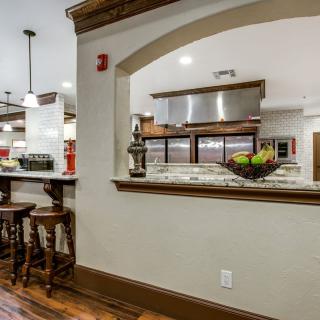
    • Dining room Dining roomDining rooms are important for seniors as they provide a space for socialization, connection, and nutritious meals. They offer opportunities for residents to bond over shared meals, foster a sense of community, and promote healthy eating habits. Dining rooms also ensure that seniors have access to well-balanced meals tailored to their dietary needs and preferences.
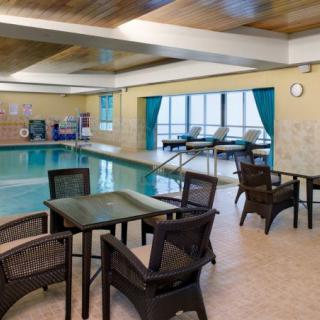
    • Fitness room Fitness roomHaving a fitness room in a senior living community is essential for seniors to stay active, maintain their physical health, and improve their overall well-being. Regular exercise can help prevent falls, reduce the risk of chronic diseases, and promote mental sharpness. It also provides social opportunities for residents to connect with others and enjoy a sense of community.
    • Fully furnished Fully furnishedFully furnished senior living communities are important for seniors because they provide convenience, comfort, and a hassle-free moving experience. Seniors can easily settle into their new living space without the stress of having to buy and move furniture. This allows them to focus on enjoying their new home and community.
    • Gaming room Gaming roomGaming rooms are important for seniors as they provide a fun and engaging environment for socializing, cognitive stimulation, and physical activity. Games can improve memory, problem-solving skills, and overall mental well-being while fostering friendships and reducing feelings of isolation.
    • Garden GardenGardens are important for seniors as they provide a peaceful and therapeutic environment for relaxation, physical activity, and socialization. Being in nature has been shown to reduce stress, improve mood, and promote overall well-being. Gardens also offer opportunities for seniors to engage in gardening activities, which can improve mobility, flexibility, and cognitive function. Additionally, gardens create a sense of community and connection with others who share a passion for plants and outdoor spaces.
    • Housekeeping services Housekeeping servicesHousekeeping services are important for seniors because they help maintain a clean and safe living environment, promote independence, and reduce the risk of accidents or illnesses. Additionally, having assistance with household chores can alleviate physical strain and allow seniors to focus on other aspects of their well-being.
    • Kitchenette KitchenetteKitchenettes are important for seniors living in senior living communities because they provide the convenience and independence of being able to prepare simple meals and snacks in the comfort of their own living space. This can help promote a sense of autonomy and well-being for seniors, allowing them to maintain some level of control over their dietary choices and daily routines.
    • Move-in coordination Move-in coordinationMove-in coordination is important for seniors because it helps ease the transition into their new living environment. It ensures that all logistics, such as packing, organizing movers, and setting up utilities are taken care of, allowing seniors to focus on settling in and adjusting to their new home. Having a smooth move-in process can alleviate stress and anxiety, making the transition smoother and more enjoyable for seniors.
    • Outdoor space Outdoor spaceOutdoor spaces are important for seniors as they provide opportunities for physical activity, social interaction, exposure to natural light and fresh air, and a sense of connection to nature. Having access to outdoor spaces can improve overall well-being and quality of life for older adults living in senior communities.
    • Private bathrooms Private bathroomsPrivate bathrooms are important for seniors in senior living communities because they provide independence, dignity, and comfort. Having a private bathroom allows seniors to maintain their personal hygiene routines without the need for assistance, promoting a sense of autonomy and privacy. Additionally, private bathrooms help prevent the spread of infections and provide a safe and clean environment for seniors to navigate safely.
    • Restaurant-style dining Restaurant-style diningRestaurant-style dining is important for seniors because it allows them to enjoy delicious, nutritious meals in a social and upscale setting. This enhances their dining experience, promotes healthy eating habits, and fosters socialization with fellow residents, ultimately contributing to their overall well-being and quality of life.
    • Small library Small librarySmall libraries are important for seniors as they provide access to a variety of reading materials, including books, newspapers, and magazines. This can help stimulate their minds, keep them engaged, and provide a sense of community through book clubs and other social activities. Additionally, reading has been shown to improve cognitive function and overall mental well-being in older adults.
    • Telephone TelephoneTelephones are important for seniors as they provide a lifeline for communication with loved ones, emergency services, and healthcare providers. They offer a sense of security and independence, enabling seniors to stay connected and access assistance when needed.
    • Wellness center Wellness centerWellness centers are important for seniors because they offer a variety of programs and services that promote physical, mental, and emotional well-being. These centers provide opportunities for exercise, socialization, education, and relaxation, helping seniors maintain their overall health and quality of life.
    • Wi-Fi/high-speed internet available Wi-Fi/high-speed internet availableWi-Fi/high-speed internet is important for seniors to stay connected with loved ones, access online resources, and participate in virtual activities to combat feelings of loneliness and isolation. It also allows them to easily manage healthcare needs, access entertainment, and engage in lifelong learning opportunities.

    Transportation

    • Dallas-Fort Worth International (20 miles away) Dallas-Fort Worth International (20 miles away)
    • Community operated transportation Community operated transportationCommunity operated transportation is crucial for seniors as it provides them with the means to access essential services, social activities, and medical appointments. It allows seniors to maintain their independence and quality of life by ensuring they can participate in activities outside of their homes. Additionally, community-operated transportation services offer a safe and reliable way for seniors to travel without having to rely on family or friends for assistance.
    • Transportation arrangement Transportation arrangementTransportation arrangements are crucial for seniors as they may face challenges with driving, mobility, or access to public transportation. Having reliable transportation services ensures that seniors can easily attend appointments, social activities, and maintain their independence and quality of life.
    • Transportation arrangement (non-medical) Transportation arrangement (non-medical)Transportation arrangements are essential for seniors as they provide access to essential services, activities, and social interactions outside the home. This service helps maintain independence, mobility, and overall well-being for seniors who may have limited transportation options.
    • Transportation to doctors appointments Transportation to doctors appointmentsTransportation to doctors appointments is crucial for seniors as it ensures they have access to necessary medical care and support, promoting their health and well-being. It allows them to receive timely treatment, monitor existing conditions, and address any new health concerns efficiently. Additionally, transportation services can help seniors maintain their independence and quality of life by enabling them to stay connected with their healthcare providers.

    Care Services

    • 12-16 hour nursing 12-16 hour nursing12-16 hour nursing care is crucial for seniors in order to ensure around-the-clock monitoring, timely medication administration, and prompt response to any health concerns or emergencies. This level of care helps to promote the overall well-being and safety of seniors living in senior living communities.
    • 24-hour call system 24-hour call system24-hour call systems are important for seniors because they provide peace of mind and immediate assistance in case of emergencies. This technology ensures that help is always available, promoting safety and security for elderly individuals living alone or in assisted living facilities.
    • 24-hour supervision 24-hour supervision24-hour supervision is important for seniors to ensure their safety, well-being, and access to immediate assistance in case of emergencies or health issues. This constant support provides peace of mind for both seniors and their loved ones, allowing them to age in place with dignity and security.
    • Activities of daily living assistance Activities of daily living assistanceActivities of daily living assistance are important for seniors because they provide essential support with tasks such as eating, bathing, dressing, and mobility. This assistance helps seniors maintain their independence, dignity, and overall quality of life as they age.
    • Assistance with bathing Assistance with bathingAssistance with bathing is crucial for seniors as it helps maintain personal hygiene, prevents infections, and ensures their overall well-being and comfort. It also provides a sense of dignity and independence for seniors who may struggle with this task on their own.
    • Assistance with dressing Assistance with dressingAssistance with dressing is important for seniors because it helps maintain their independence, promotes personal hygiene, prevents accidents and injuries, and improves overall quality of life. This service ensures that seniors can continue to dress comfortably and confidently, despite any physical limitations they may have.
    • Assistance with transfers Assistance with transfersAssistance with transfers is crucial for seniors as it helps prevent falls and injuries, maintains their independence, and ensures they can safely navigate their living environment. It also provides peace of mind for both seniors and their loved ones.
    • Diabetes diet Diabetes dietA diabetes diet is crucial for seniors as it helps manage blood sugar levels, reduce risks of complications, and improve overall health and well-being. By following a balanced and nutritious diet tailored to their specific needs, seniors can better control their diabetes and enhance their quality of life.
    • Meal preparation and service Meal preparation and serviceMeal preparation and service are crucial for seniors as they may have limited mobility or energy to cook nutritious meals. Having access to healthy and convenient food options can ensure they are getting the proper nutrition needed to maintain their overall health and well-being.
    • Medication management Medication managementMedication management is crucial for seniors to ensure they are taking the right medications at the correct dosages and times. This helps prevent adverse drug interactions, reduces the risk of medication errors, and promotes overall health and well-being. Proactive management also allows for adjustments as needed based on changing health conditions or new prescriptions.
    • Mental wellness program Mental wellness programMental wellness programs are essential for seniors as they promote cognitive stimulation, emotional support, and social engagement. These programs help prevent isolation, depression, and cognitive decline, ultimately enhancing the overall quality of life for older adults.
    • Special dietary restrictions Special dietary restrictionsSpecial dietary restrictions are important for seniors because age-related changes in metabolism and health conditions can make it difficult for their bodies to process certain foods. By following a diet tailored to their specific needs, seniors can maintain their overall health and well-being, manage chronic conditions, and reduce the risk of complications such as malnutrition or food interactions with medications.

    Dining

    • Diabetes diet Diabetes dietA diabetes diet is crucial for seniors as it helps manage blood sugar levels, reduce risks of complications, and improve overall health and well-being. By following a balanced and nutritious diet tailored to their specific needs, seniors can better control their diabetes and enhance their quality of life.
    • Special dietary restrictions Special dietary restrictionsSpecial dietary restrictions are important for seniors because age-related changes in metabolism and health conditions can make it difficult for their bodies to process certain foods. By following a diet tailored to their specific needs, seniors can maintain their overall health and well-being, manage chronic conditions, and reduce the risk of complications such as malnutrition or food interactions with medications.

    Activities

    • Community-sponsored activities Community-sponsored activitiesCommunity-sponsored activities are important for seniors as they provide opportunities for social interaction, mental stimulation, and physical activity. These activities can help improve overall well-being, combat loneliness and isolation, and promote a sense of belonging and purpose among older adults.
    • Concierge services Concierge servicesConcierge services are essential for seniors as they provide assistance with daily tasks and errands, enhance their quality of life by offering convenience and personalized care, and promote a sense of safety and security.
    • Fitness programs Fitness programsFitness programs are crucial for seniors as they help improve strength, flexibility, balance, and overall well-being. Staying active can reduce the risk of chronic diseases, improve mental health, and enhance quality of life in older adults.
    • Planned day trips Planned day tripsPlanned day trips are important for seniors because they offer opportunities for socialization, mental stimulation, and physical activity. They provide a change of scenery and help seniors stay engaged and connected to their community, promoting overall well-being and quality of life.
    • Resident-run activities Resident-run activitiesResident-run activities are important for seniors as they encourage social interaction, creativity, and a sense of autonomy. These activities empower seniors to stay engaged and active in their community while fostering meaningful connections with their peers.
    • Scheduled daily activities Scheduled daily activitiesScheduled daily activities are important for seniors because they provide structure, socialization, mental stimulation, and physical activity. Engaging in regular activities can improve overall well-being and quality of life for seniors living in a community setting.

    Description

    Marine Creek Nursing And Rehabilitation is an assisted living community located in Fort Worth, TX. This community offers a wide range of amenities to ensure the comfort and convenience of its residents. Some of the amenities include a beauty salon, cable or satellite TV, community-operated transportation, a computer center, a dining room, a fitness room, fully furnished accommodations, a gaming room, a garden, housekeeping services, kitchenettes in each unit, move-in coordination assistance, outdoor space for relaxation and recreation purposes.

    Residents can enjoy meals at the restaurant-style dining area and have access to a small library for leisure reading. Telephone services are available along with Wi-Fi/high-speed internet connectivity to stay connected with family and friends. The community also offers non-medical transportation arrangement for residents who require it.

    In terms of care services, Marine Creek Nursing And Rehabilitation provide 24-hour call systems and supervision to ensure the safety of residents at all times. Assistance with activities of daily living such as bathing and dressing is readily available. Assistance with transfers is provided to those who may require help with mobility. Medication management is offered along with special dietary restrictions such as diabetes diets.

    The community also has various recreational activities to keep residents engaged and entertained throughout their stay. Concierge services are available to assist with any requests or inquiries. Fitness programs are organized for those looking to maintain or improve their physical well-being. Planned day trips and resident-run activities offer opportunities for socialization and exploration.

    Marine Creek Nursing And Rehabilitation is conveniently located near several amenities outside the community including cafes, parks, pharmacies, physicians' offices, restaurants, places of worship and hospitals. This ensures that residents have easy access to medical care as well as various entertainment options in the nearby area.

    Overall, Marine Creek Nursing And Rehabilitation provides a comfortable living environment with numerous amenities and care services designed to meet the individual needs of its residents while fostering an active and social lifestyle within the community.

    Nearby Places of Interest

    Pharmacies

    • Walgreens (1.6 miles)
    • Walgreens (3 miles)
    • CVS Pharmacy (3.2 miles)
    • CVS Pharmacy (3.7 miles)
    • CVS Pharmacy (4.3 miles)
    • Walgreens (4.5 miles)
    • CVS Pharmacy (4.6 miles)

    Restaurants

    • McDonald's (1.8 miles)
    • Joe T. Garcia's (2.1 miles)
    • Blue Mound Cafe (2.6 miles)
    • Whataburger (2.8 miles)
    • In-N-Out Burger (3.2 miles)
    • Charley's Cheesesteaks Lake Worth (3.3 miles)
    • McDonald's (3.3 miles)

    Hospitals

    • Cooks Childrens Clinic (2.1 miles)
    • Texas Rehabilitation Hospital of Fort Worth (5 miles)
    • Texas Health Harris Methodist Hospital Fort Worth (5.2 miles)
    • Klabzuba Tower / Texas Health Resources (5.3 miles)
    • Baylor Scott & White Hospital Medicine - All Saints (5.7 miles)
    • Baylor Surgical Center (5.8 miles)
    • JPS Hospital (6.2 miles)

    Parks

    • Linwood Park (3.8 miles)
    • Fort Worth Water Gardens (4.9 miles)
    • Leonard Park (5.7 miles)
    • Ridgeview Farms Park (6.2 miles)

    Cafes

    • Starbucks (3.9 miles)
    • Starbucks (4.7 miles)
    • Starbucks (4.7 miles)
    • Starbucks (5.1 miles)
    • Roots Coffeehouse (5.4 miles)
    • Starbucks (5.7 miles)

    Physicians

    • T Off Mens Health (4 miles)
    • Boulevard Clinic (4.6 miles)
    • Altig Optical (5 miles)
    • Fort Worth Plastic Surgery Center (5.2 miles)
    • Eagle Ranch Vision Source (5.2 miles)
    • Texas Health Care, Otolaryngology & Facial Plastic Surgey Associates (5.3 miles)
    • Heart Center of North Texas (5.4 miles)

    Places of Worship

    • First United Methodist Church of Fort Worth (4.4 miles)
    • Gateway Church North Fort Worth Campus (6.4 miles)
    • St Stephen Presbyterian Church (6.7 miles)

    Transportation

    • Fort Worth Intermodal Transportation Center (4.6 miles)

    Frequently Asked Questions

    Where is Marine Creek Nursing And Rehabilitation?
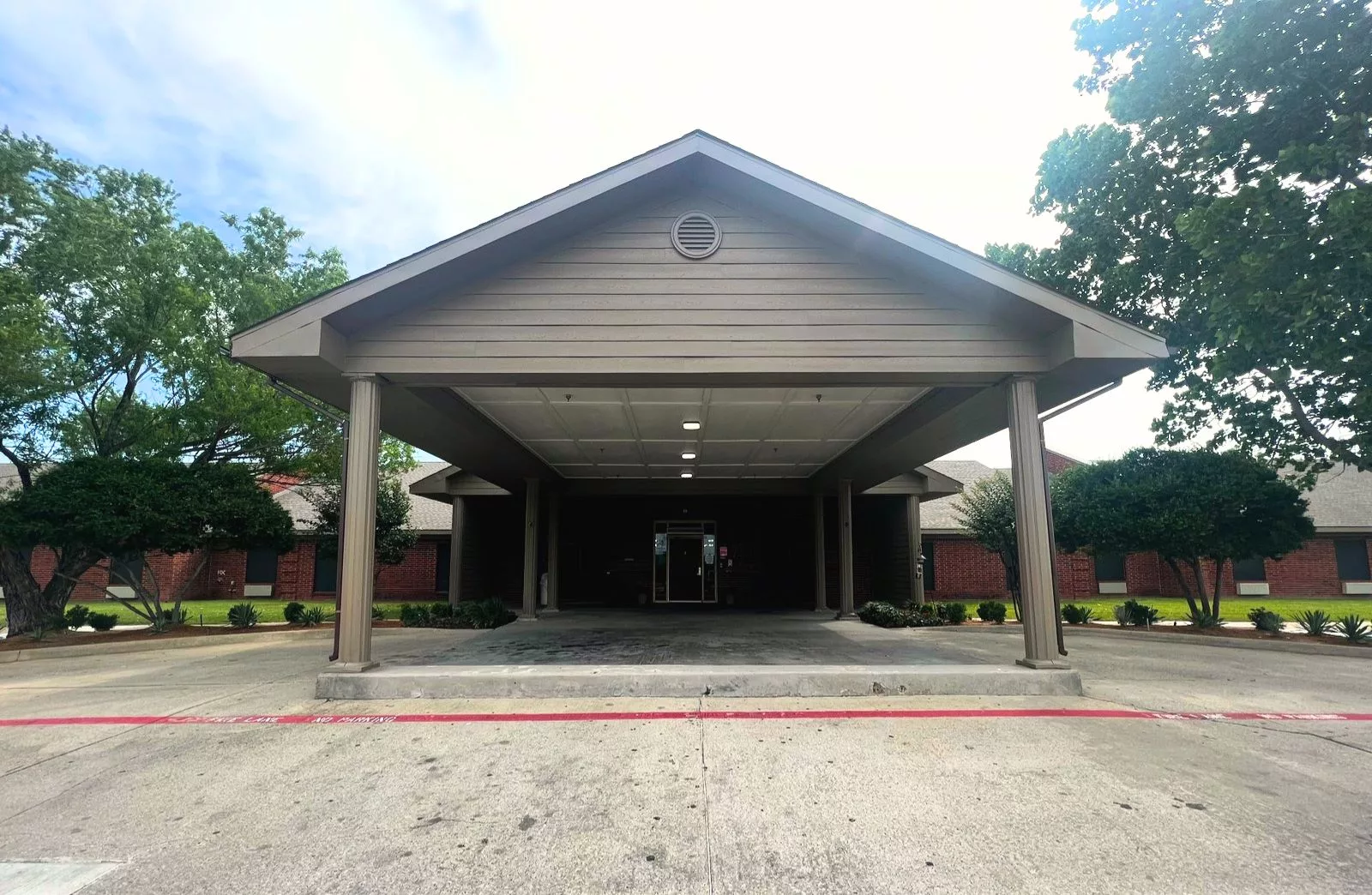
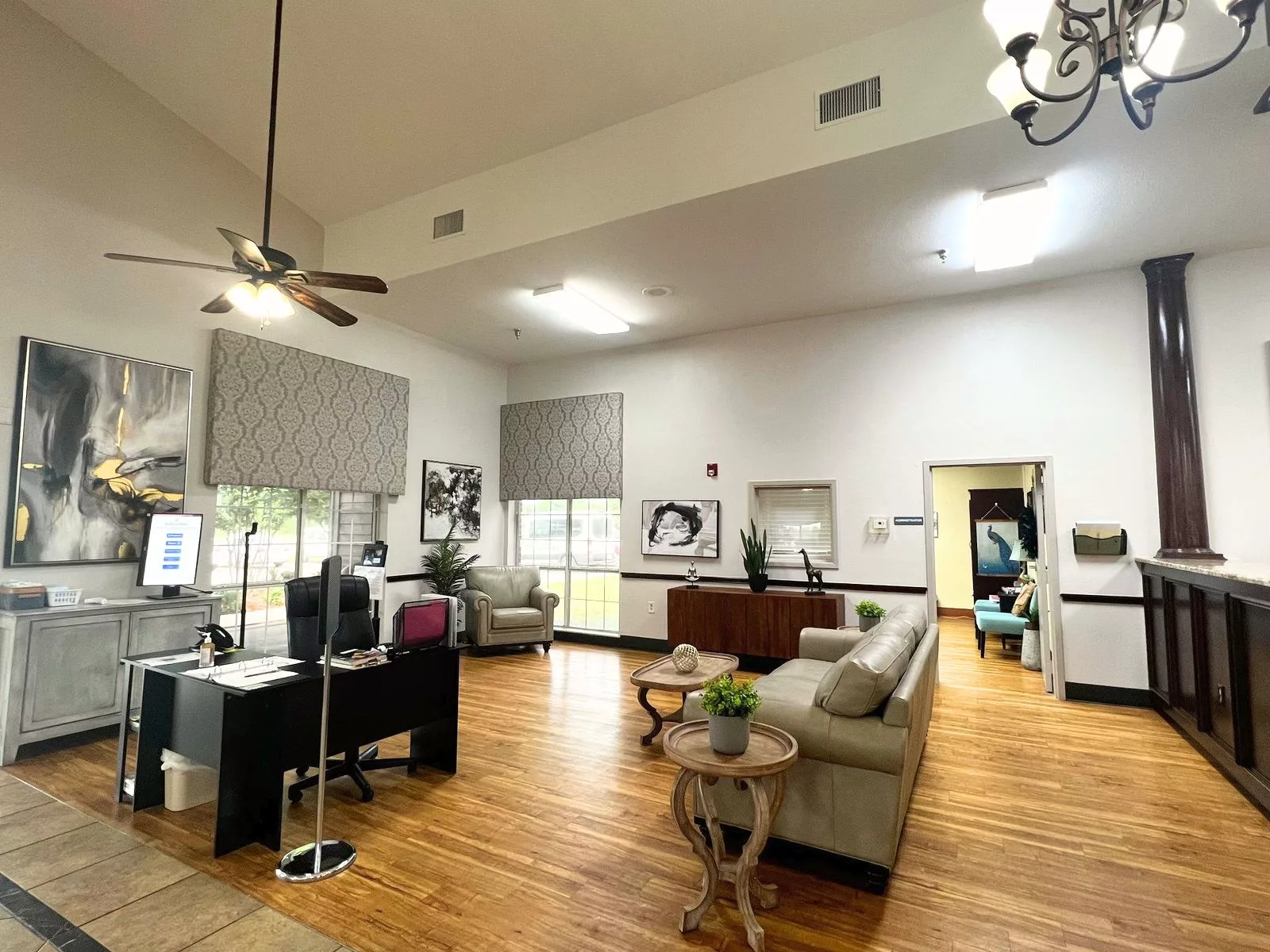
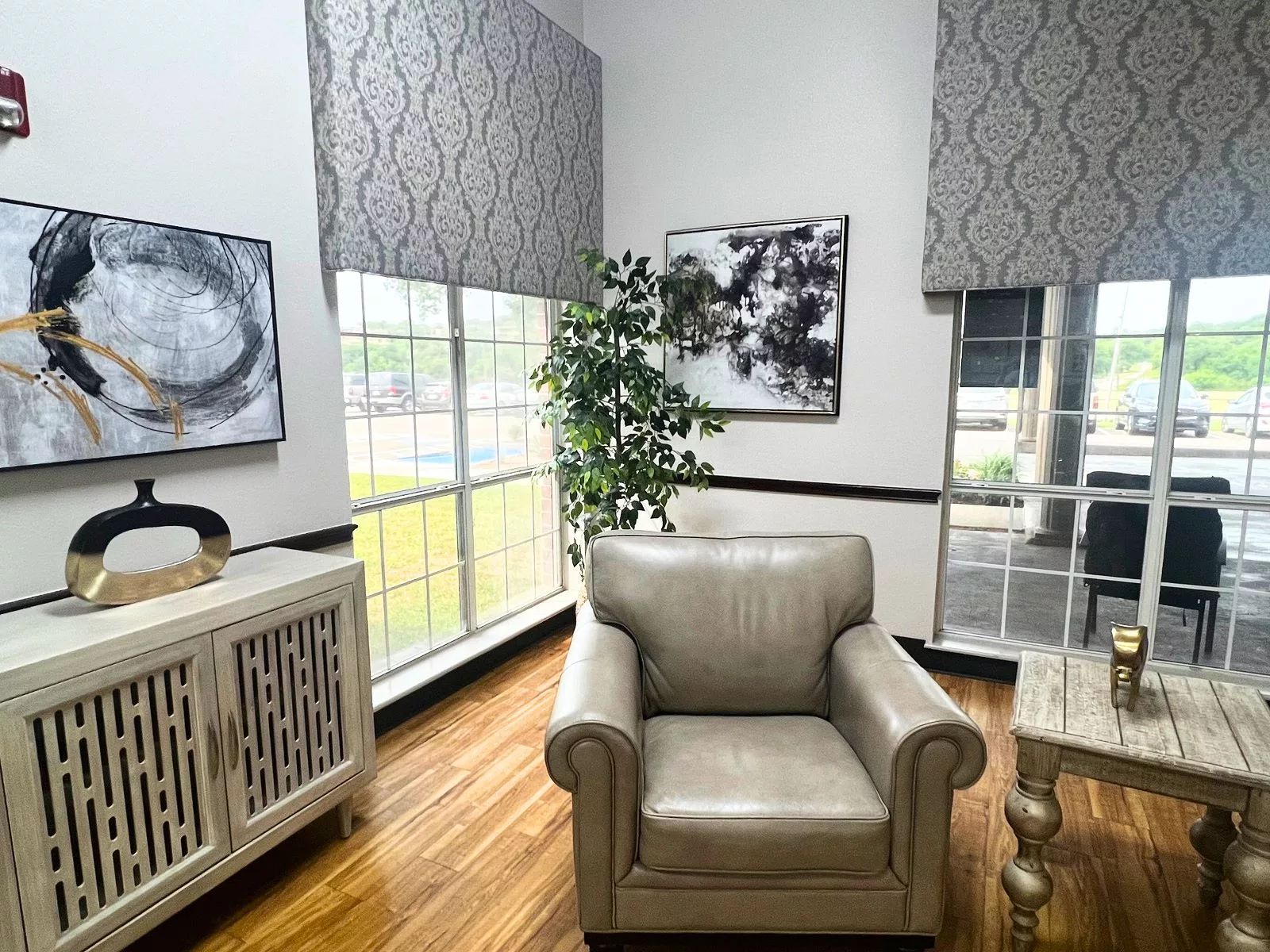
    What photos are available for Marine Creek Nursing And Rehabilitation in Fort Worth, Texas?

    Nearby Communities

    Related Resources

    • palliative care vs hospiceUnderstanding the Nuances of Palliative Care and Hospice: A Comprehensive Exploration

      Palliative care focuses on alleviating distress at any stage of a serious illness and can accompany curative treatments, while hospice care is for those nearing the end of life with a prognosis of six months or less, emphasizing comfort over curative measures. Both prioritize holistic care for patients and families but differ in timing, goals, and scope.

    • fecal incontinenceFecal Incontinence in Older Adults: A Comprehensive Guide

      Fecal incontinence, prevalent among older adults, arises from factors like weakened pelvic muscles and nerve damage, significantly affecting well-being and social interactions. Diagnosis involves clinical evaluation and tests to inform tailored treatments, while caregivers and preventive measures can aid in managing the condition effectively.

    • anticipatory griefRecognizing the Journey: Understanding and Navigating Anticipatory Grief


      Anticipatory grief is an emotional response to the impending loss of a loved one, characterized by complex emotions such as sadness and anger, and involves navigating stages similar to those identified by Kübler-Ross. Coping strategies are vital for managing this process, emphasizing compassionate communication, self-care, and support groups while recognizing the cultural influences on grieving.


    Get Pricing Ask A Question Schedule A Tour Contact Senior Advisor