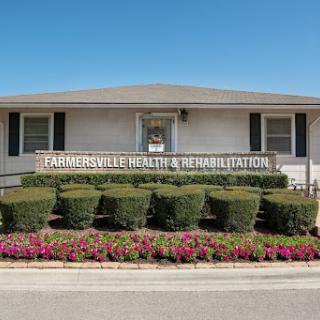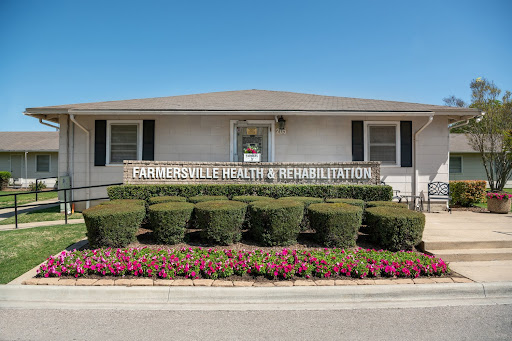
205 Beech Street, Farmersville, TX 75442
For more information about senior living options: (866) 208-4318
Overall Review of Farmersville Health And Rehabilitation
Pros
 The staff at Farmersville Health & Rehab are amazing and clearly care about their patients.
- They go above and beyond to provide engaging activities that keep residents social and active.
- The team communicates well with families and keeps them informed about care decisions.
- The facility is well maintained, reasonably priced, and located in a quiet neighborhood.
- The dining staff creates creative and appetizing meals that residents enjoy.
- Residents are treated with warmth and respect, like family.
- The facility has long-tenured staff and low turnover, indicating a stable work environment.
- The administrator and management are highly regarded for their dedication.
- The therapy and nursing staff are friendly, responsive, and excellent.
Cons
 They claim the staff doped the patient with Xanax and Seroquel so they wouldn’t have to supervise or care for her.
- They warn others not to take a loved one there, calling it a bad place.
- They describe absolutely horrible conditions and say the facility couldn’t control an infection, which they say became the death sentence for their mother.
- They allege ongoing billing issues after the mother’s passing and say the facility won’t answer calls, calling it a cesspool.
- They report the patient was repeatedly sent to the hospital with no identifiable illness found.
- They regret the distance to Dallas.
- They criticize the OT staff for not teaching any ADLs, noting they only stretched the arm, which was highly disappointing.
Review
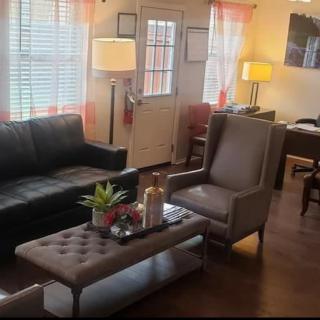
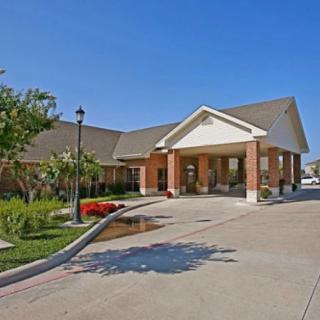
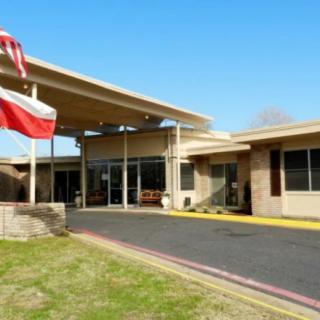
Farmersville Health and Rehabilitation is best suited for families seeking a warm, community-centered care home where staff stability and hands-on engagement shape daily life. This is not a shiny, high-end campus; it is a practical, home-like setting in a quiet neighborhood where caregivers know residents by name and consistently invest time in activities that keep seniors connected. Residents who thrive here tend to value relationship-driven care, clear family communication, and routines that feel familiar. The location is convenient for local visits, and the setting offers affordability and predictability, but families should note the building’s age and the prevalence of shared spaces rather than private, spa-like amenities.
Those who want the absolute latest in construction, private suites, or highly specialized, hospital-style memory care may want to consider alternatives. If privacy and modern design are non-negotiables, a newer campus with private rooms and more clinical oversight could be a better fit. Families prioritizing highly structured dementia programming or immediate access to extensive medical networks may also find other options more aligned with their expectations. The Dallas-area commute or access challenges are a practical factor for anyone who anticipates frequent off-site appointments; for some, that distance will be a meaningful consideration when weighing the overall value proposition.
On the upside, the staff culture stands out as Farmersville Health and Rehabilitation’s defining strength. Long-tenured nurses, aides, and administrative personnel create a continuity that residents and families consistently praise. Reports repeatedly highlight staff who care deeply, communicate well with families, and collaborate with doctors to optimize care. The facility’s approach to engagement, activities designed to involve residents and prevent isolation, helps maintain dignity and social connection, which matters as aging progresses. The dining team earns appreciation for meals that are creative, appetizing, and adaptable to dietary needs and allergies, while housekeeping and on-site laundry support contribute to a dependable, low-stress daily rhythm. For many families, this combination of compassionate care and practical daily living touches translates into real peace of mind.
Yet, a candid view cannot dodge some meaningful drawbacks. The building is older, with shared rooms and communal restrooms that will feel dated to residents who value privacy and modern design. A few reviews signal potential inconsistencies in medical oversight, including concerns about medication management and aggressive sedative use in some cases. Billing disputes and administrative friction have also surfaced, underscoring the need for vigilant family involvement in financial and care coordination matters. Infection control and overall facility maintenance have been flagged by some families as problematic experiences, though other residents and families describe well-maintained spaces and effective problem-solving when issues arise. Prospective residents should approach with a clear plan for oversight, transparent communication with leadership, and a thorough review of the most recent state and facility-level inspections.
The strongest care advantages can offset these concerns for families who enter with eyes open and a proactive mindset. The human capital, stable, caring staff who genuinely treat residents like family, creates an emotional and practical buffer against the drawbacks of an older campus design. When staffing is solid, families receive timely updates, nurse involvement in medication decisions becomes more collaborative, and the likelihood that a resident will feel cared for consistently rises. The emphasis on keeping people engaged can meaningfully improve quality of life, particularly for those with dementia or mobility challenges who benefit from daily stimulus and social interaction. Moreover, the affordability and straightforward service model, regular housekeeping, on-site laundry, and predictable meal schedules, reduce the financial and logistical friction that sometimes comes with higher-end facilities. In other words, the core strengths deliver tangible benefits that can outweigh the less appealing aspects of an aging facility.
For families weighing a decision, practical steps can sharpen clarity. Arrange a tour and spend meaningful time with direct care staff and the administrator to assess consistency, responsiveness, and willingness to partner with families. Ask explicit questions about medication management practices, how changes are communicated, and what triggers a hospital transfer or readmission plan. Inquire about infection control history, cleaning schedules for shared spaces, and what proactive measures are in place to prevent outbreaks. Review the current resident mix, the availability of therapies, and the frequency of activity programming, paying attention to whether residents are genuinely engaged or passively occupying space. Finally, discuss the billing process in detail, what is included, what could incur extra charges, and how disputes are resolved, so that finances never become an unwelcome surprise.
If the decision hinges on whether this community can deliver compassionate, hands-on care with a family-first ethos, the answer is a confident yes for many families. The blend of stable, caring staff, engaging activities, and a home-like atmosphere creates a sanctuary where residents feel seen and valued, and families feel informed and involved. However, this comes with the caveat that privacy and modernity are not the facility’s selling points, and a few care-management concerns require ongoing vigilance. For seniors who prize interpersonal connection, consistent staff relationships, and a genuinely nurturing environment, and who are comfortable navigating an older building with shared spaces, Farmersville Health and Rehabilitation represents a sound, practical choice. For others, particularly those prioritizing privacy, ultra-modern design, or highly specialized clinical programs, alternatives deserve consideration.
 74 resident community capacity
 Skilled Nursing Facility
 Air-conditioning
 Beauty salon
 Cable or satellite TV
 Computer center
 Dining room
 Fitness room
 Fully furnished
 Gaming room
 Garden
 Housekeeping services
 Kitchenette
 Move-in coordination
 Outdoor space
 Private bathrooms
 Restaurant-style dining
 Small library
 Telephone
 Wellness center
 Wi-Fi/high-speed internet available
 Community operated transportation
 12-16 hour nursing
 24-hour call system
 Activities of daily living assistance
 Assistance with bathing
 Assistance with dressing
 Assistance with transfers
 Diabetes diet
 Medication management
 Mental wellness program
 Special dietary restrictions
 Concierge services
 Planned day trips



 Understanding Hospice Care at Home: Comprehensive Services, Key Benefits, and Eligibility
 Understanding the Full Cost of 24/7 In-Home Care: A Detailed Overview
 Exploring the World of Home Health Nurses: Qualifications, Roles, and Hiring Tips